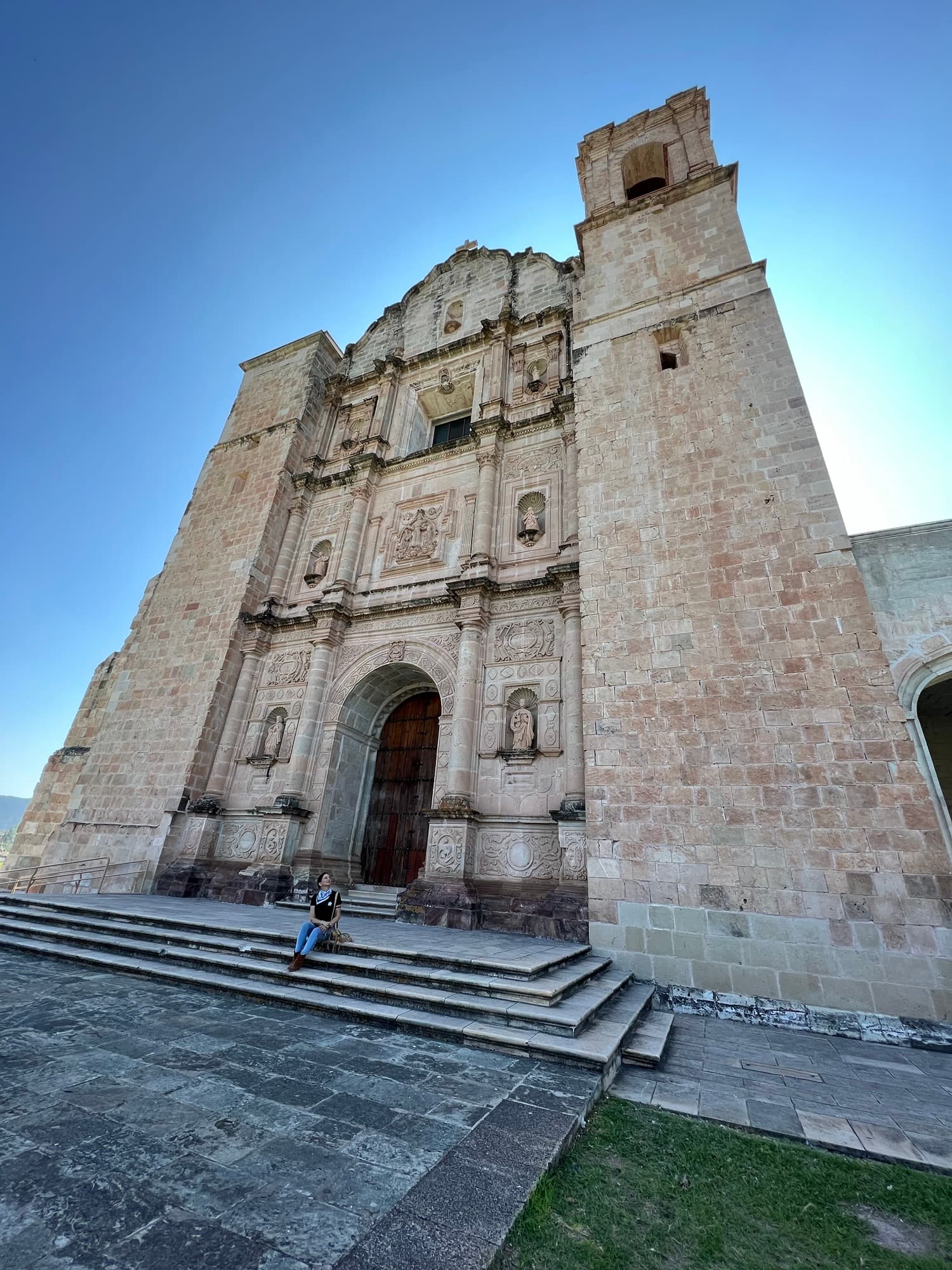
The Dominican Route: Ex-Convent and Temple of Santo Domingo Yanhuitlán
Santo Domingo Yanhuitlán in the Mixtec region, one of the destinations on the Dominican Route of Oaxaca, holds special significance this year as we commemorate the 500th anniversary of the order of preachers in Mexico.
The Ex-Convent of Santo Domingo Yanhuitlán, sets like a citadel at the top of a former Mixtec temple.
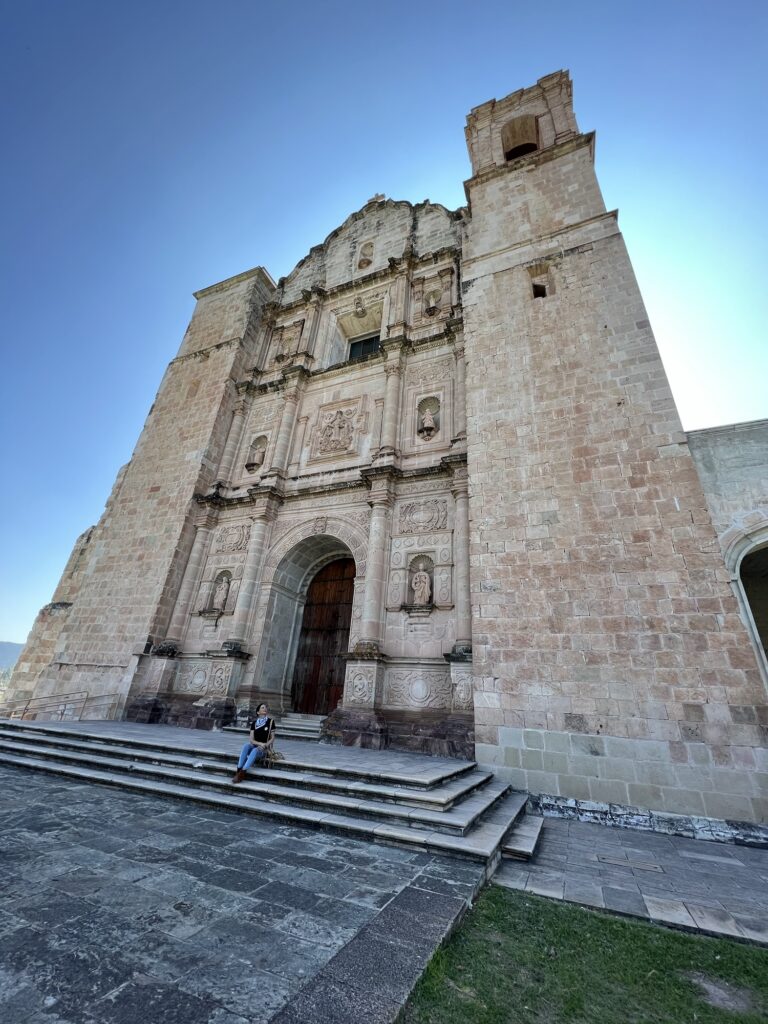
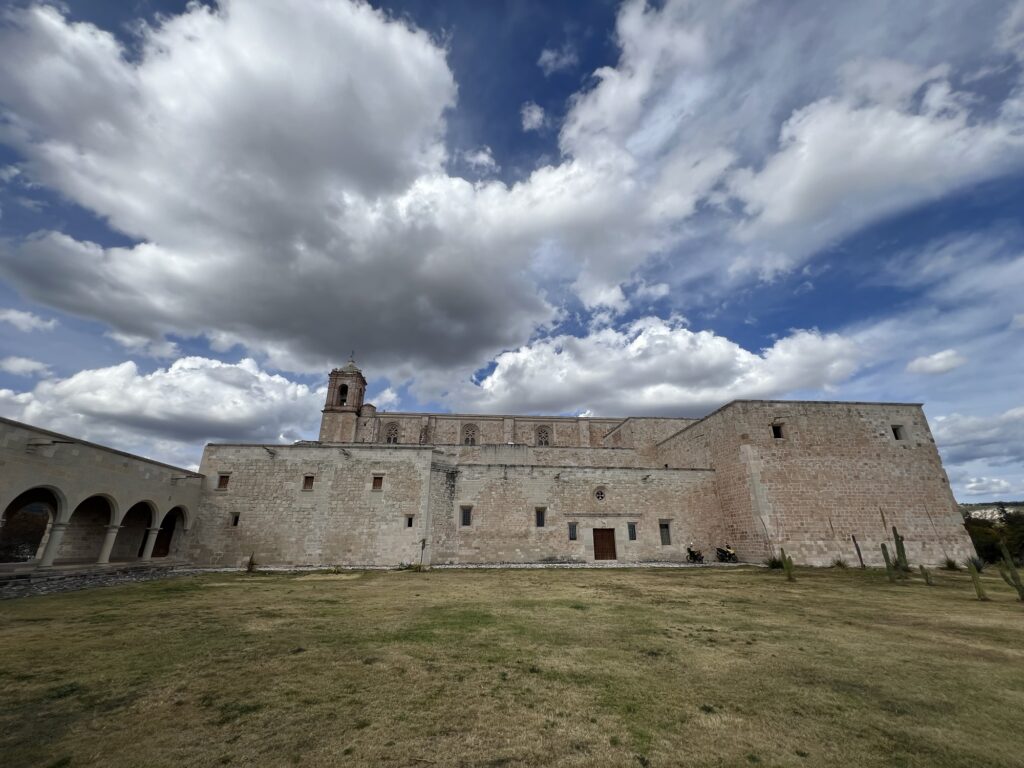
The enormous Plateresque church is roofed with lofty Gothic star vaults and lined with gilded altarpieces, including the huge main retablo by the noted XVI century Sevillian artist Andrés de la Concha.
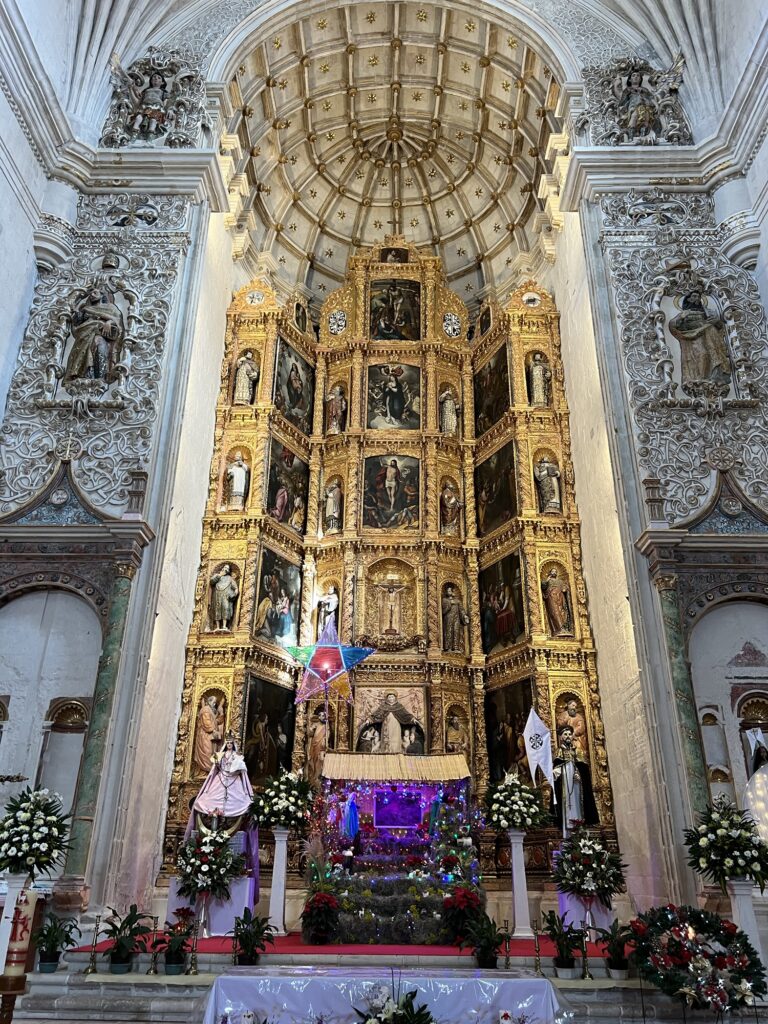
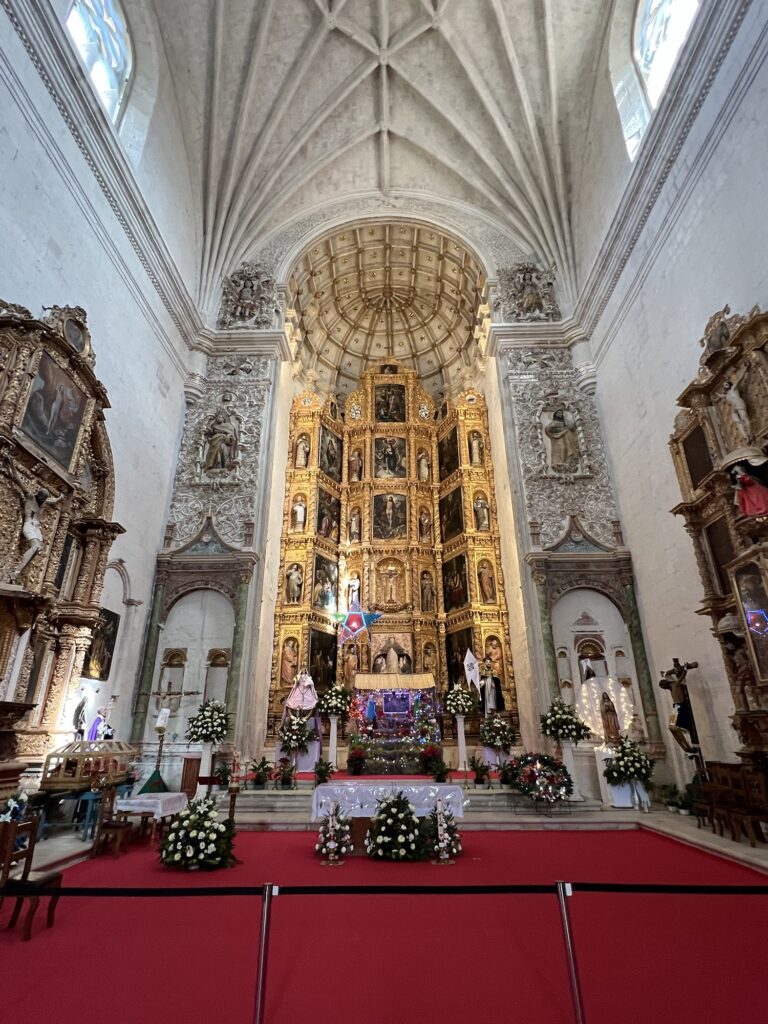
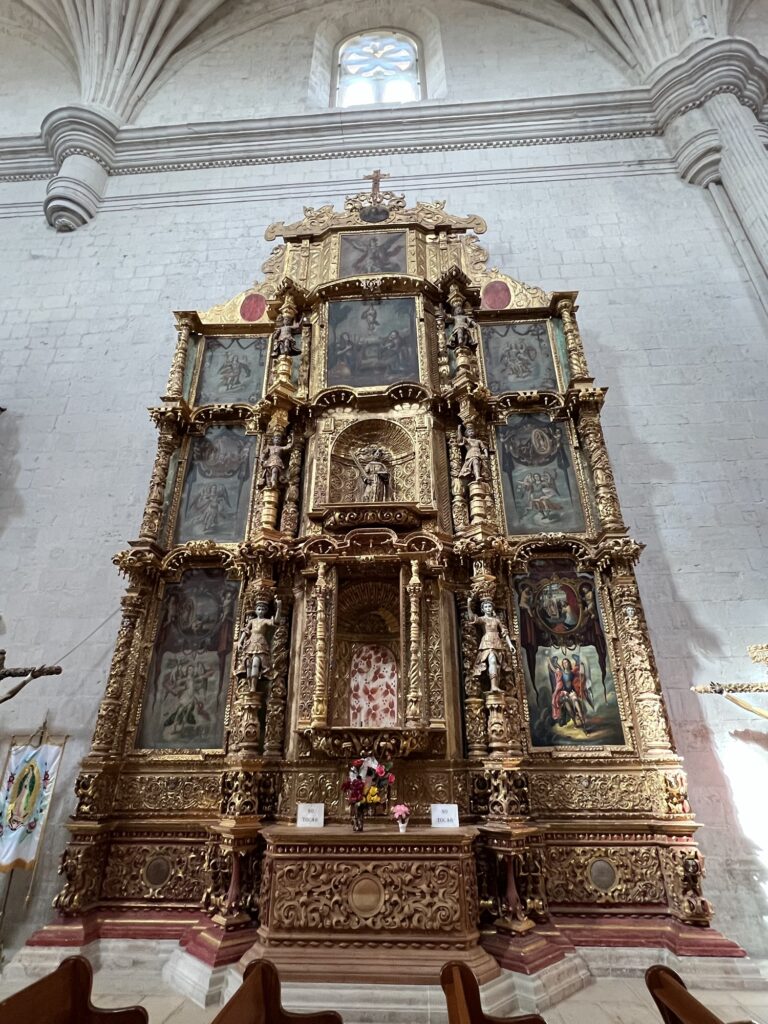
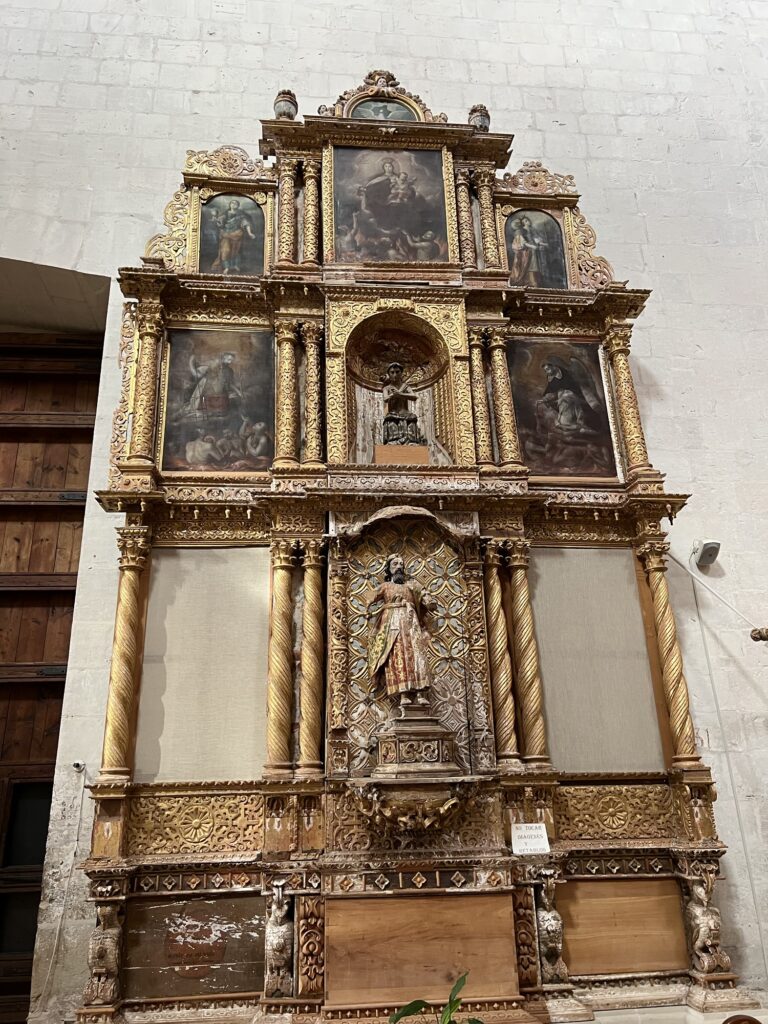
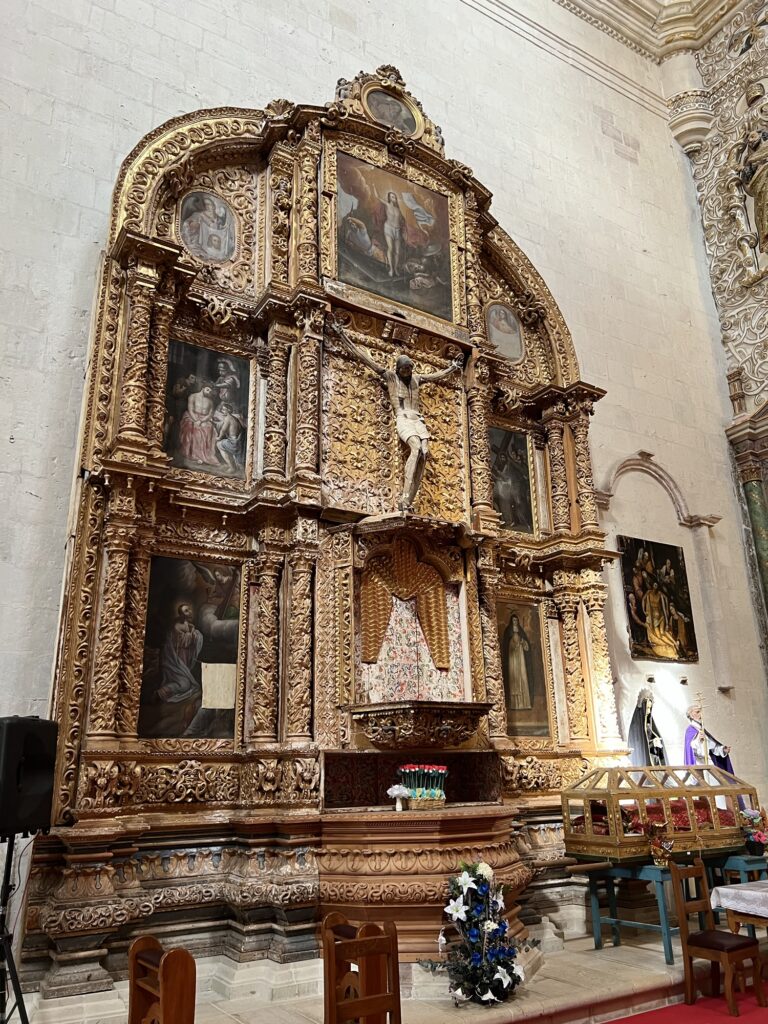
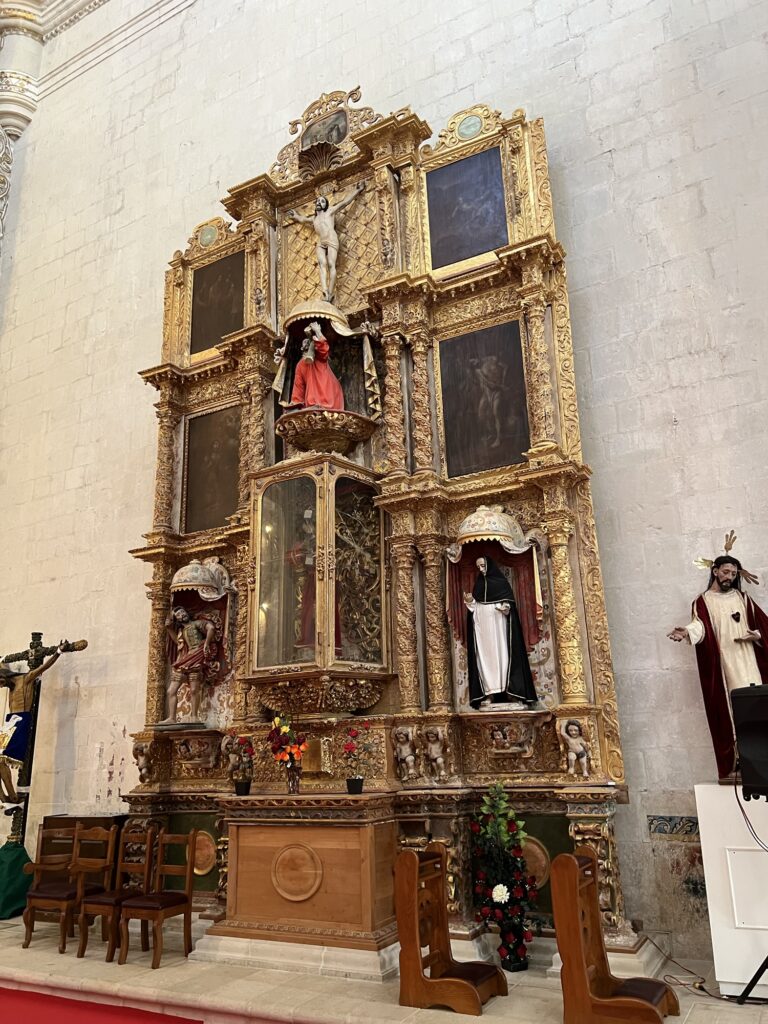
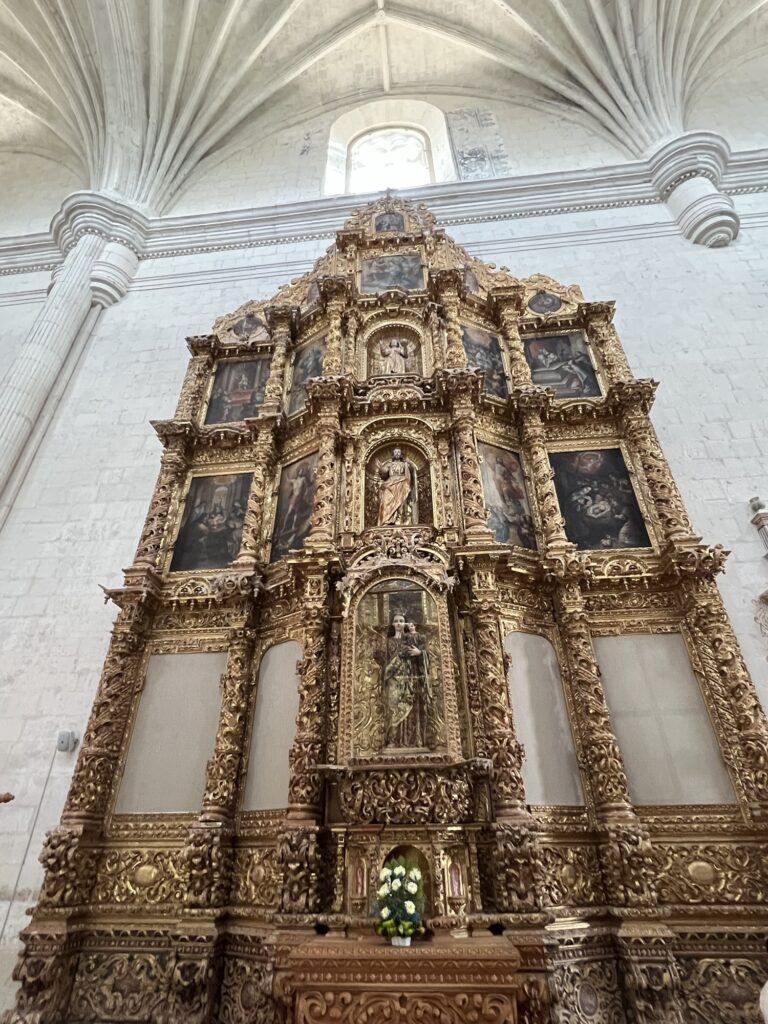
The principal paintings have been identified as the work of Andrés de Concha, the celebrated painter, sculptor and designer from Seville who traveled to Mexico in 1568, under commission by the encomendero Gonzalo de Las Casas
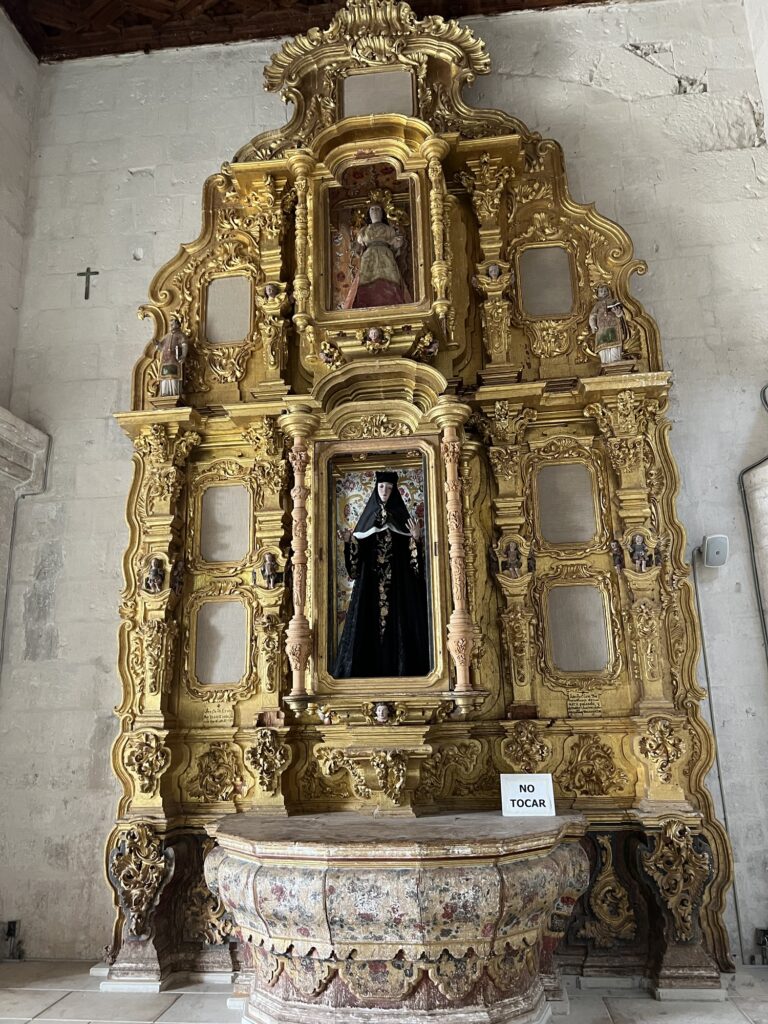
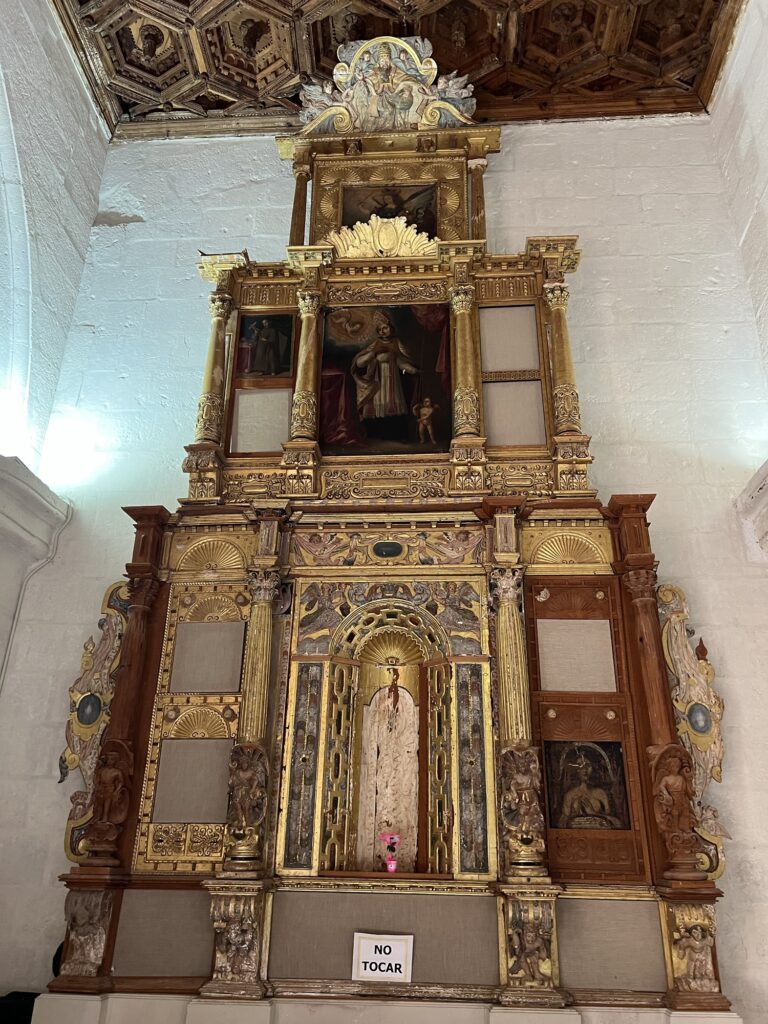
Painted stucco and stone reliefs decorate many sections of the church, whose broad underchoir is spanned by an intricately carved Moorish wooden ceiling.
Angeles Pasionarios
Among these treasures is a collection of painted wooden angels known as “Angeles Pasionarios,” belonging to the various colonial barrios of Yanhuitlan. As a tradition that has endured for centuries, the mayordomos (chiefs) of each cofradia take great honor and pride in dressing and displaying the angels during the procession.
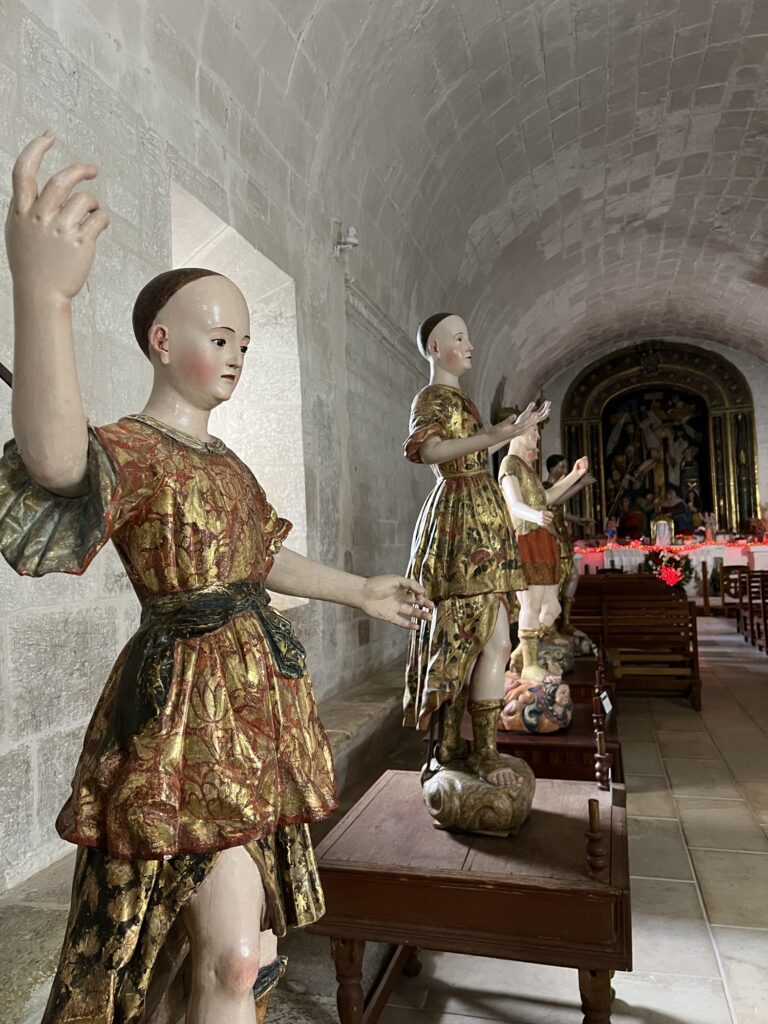
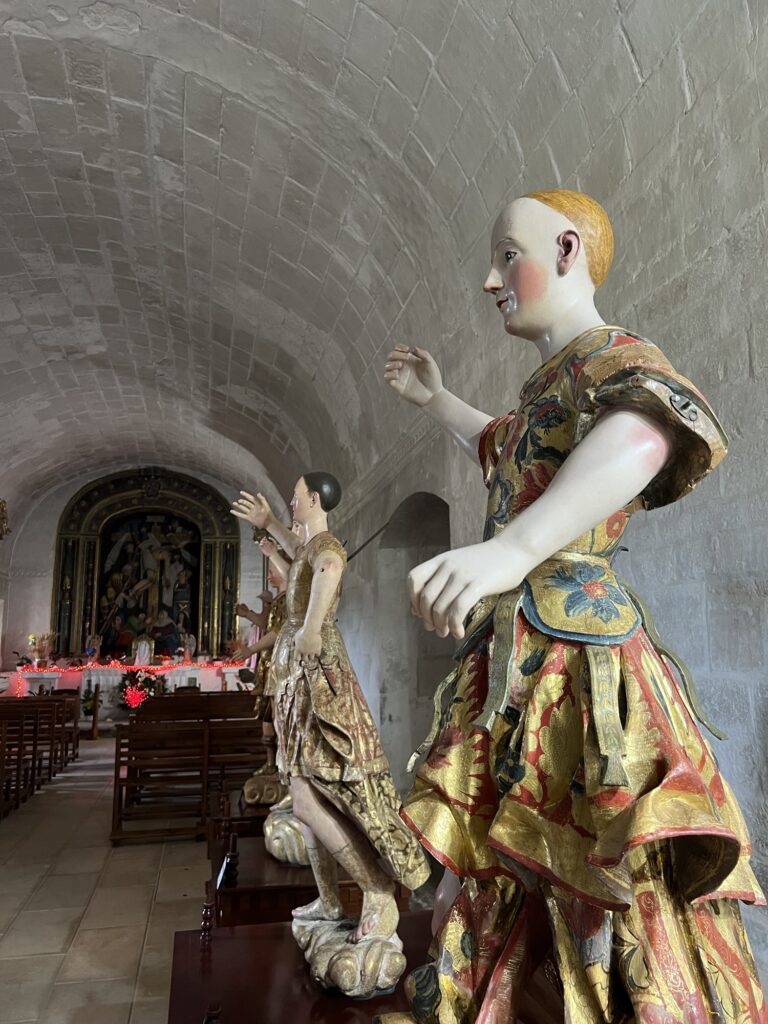
On Good Friday these figures, adorned with wings and crowns and carrying the Instruments of the Passion, are borne in procession around the town.
Each archangel has a name of Mixtec origin, representing each of the eight neighborhoods:
- Daná / Dequedaná (crazy head)
- Attributes: Staff and title
- Yuxacóyotl (edge of the marsh)
- Attributes: Hammer
- Yuyusa (riverbank)
- Attributes: Spear
- Xayujo / Xayuco (at the foot of the mountain)
- Attributes: Crown
- Ticoó (marshland)
- Attributes: Cross, cincture, and radiance
- Tindeé (land of thorns)
- Attributes: Ladder
- Ayuxi (revered flower)
- Attributes: Lily
- Yuxayó (reed river)
- Attributes: Nails
The garments of these sculptures are safeguarded by eight Yanhuitlán families. These stewardships are passed down from generation to generation, with some records showing that they have preserved these religious objects for over 150 years.
The Pipe Organ
The magnificent pipe organ built around 1705 and is currently in use.
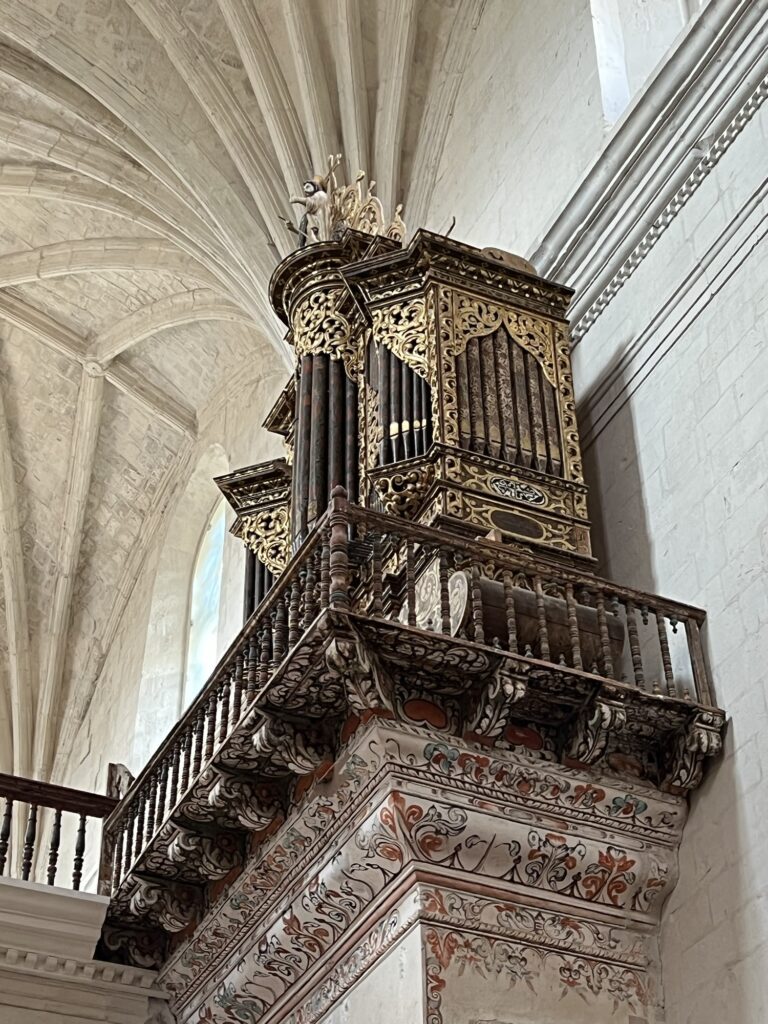
Restored in 1996-1998 by Pascal Quoirin, overseen by the Academia Mexicana de Música Antigua para Órgano (AMMAO).
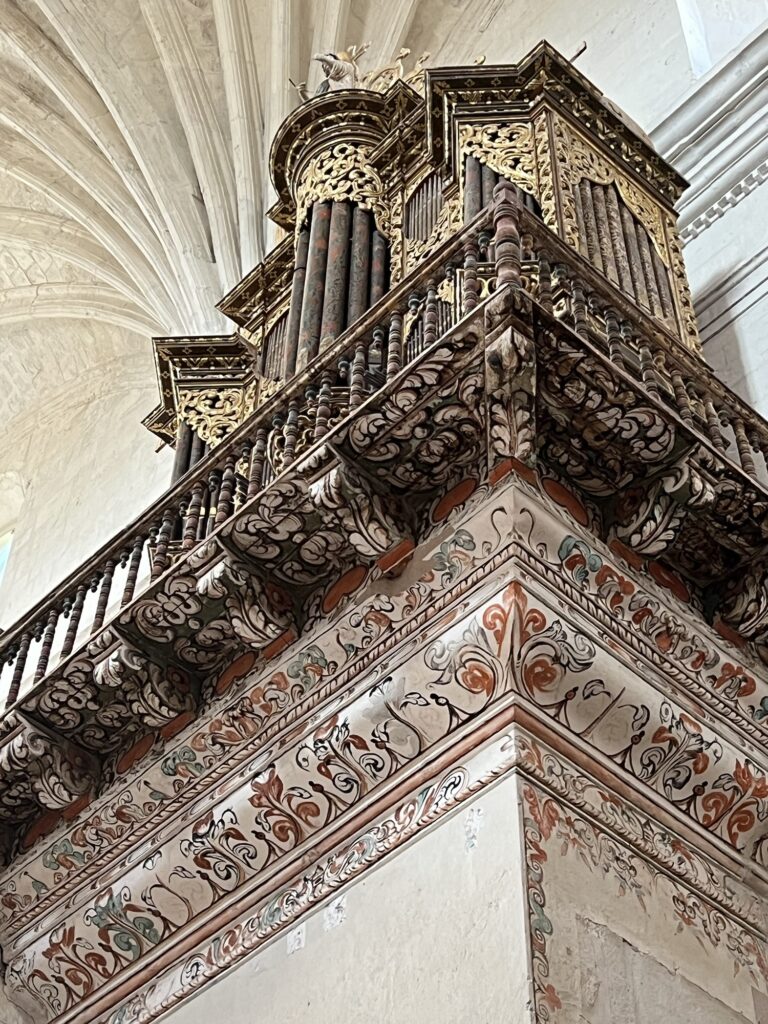
It is an 8’ stationary organ, featuring a 47-note keyboard (added in 1886).
The Codex Yanhuitlán
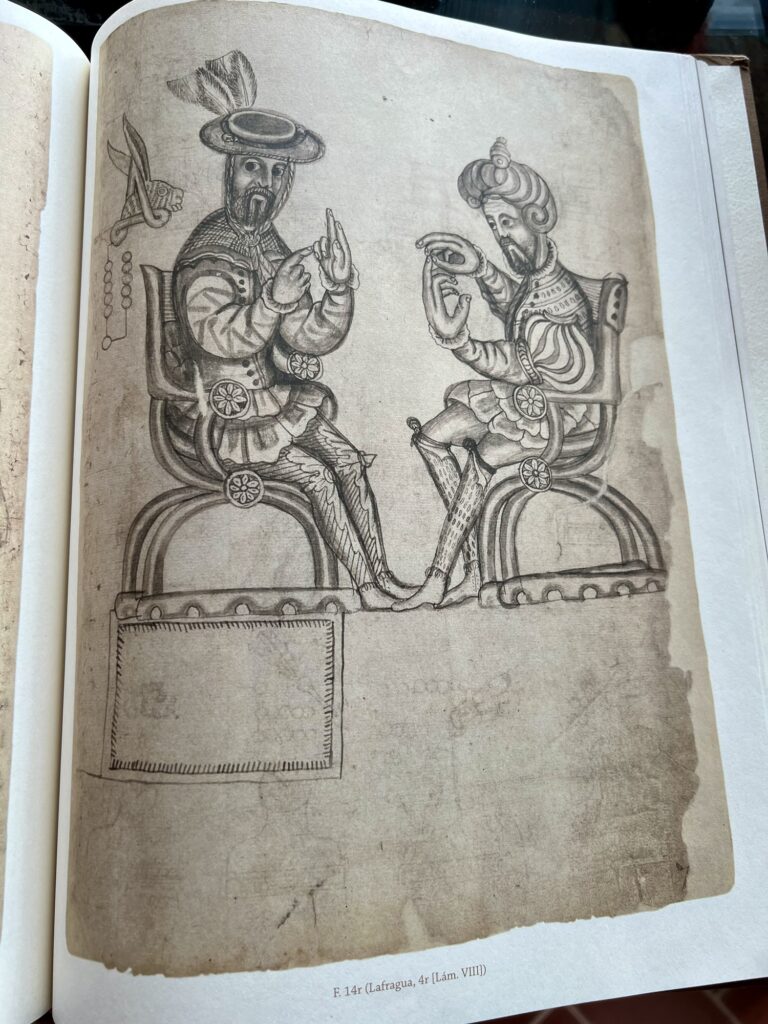
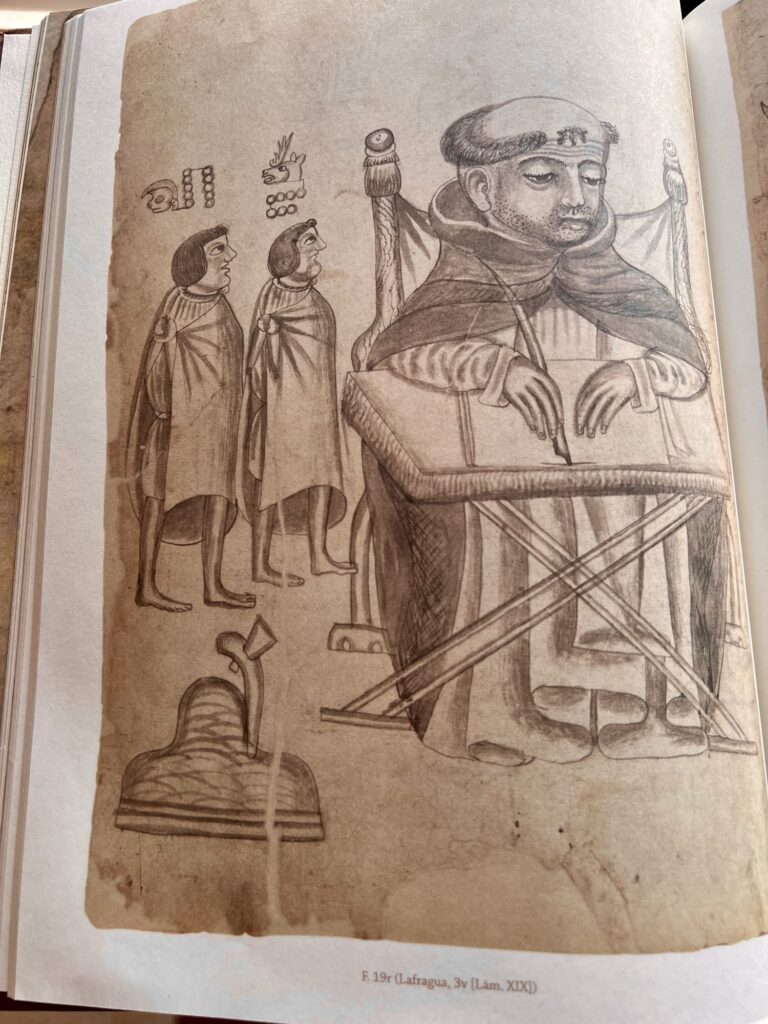
The codex was written by its inhabitants dated 1550 to 1570, to celebrate the agreement between chiefs, religious and encomendero, the document also intended to take stock of what had in taxes and tequitl work or the community to their new rulers. The original is currently in the special collections of the José María Lafragua Historical Library of the Autonomous University of Puebla.
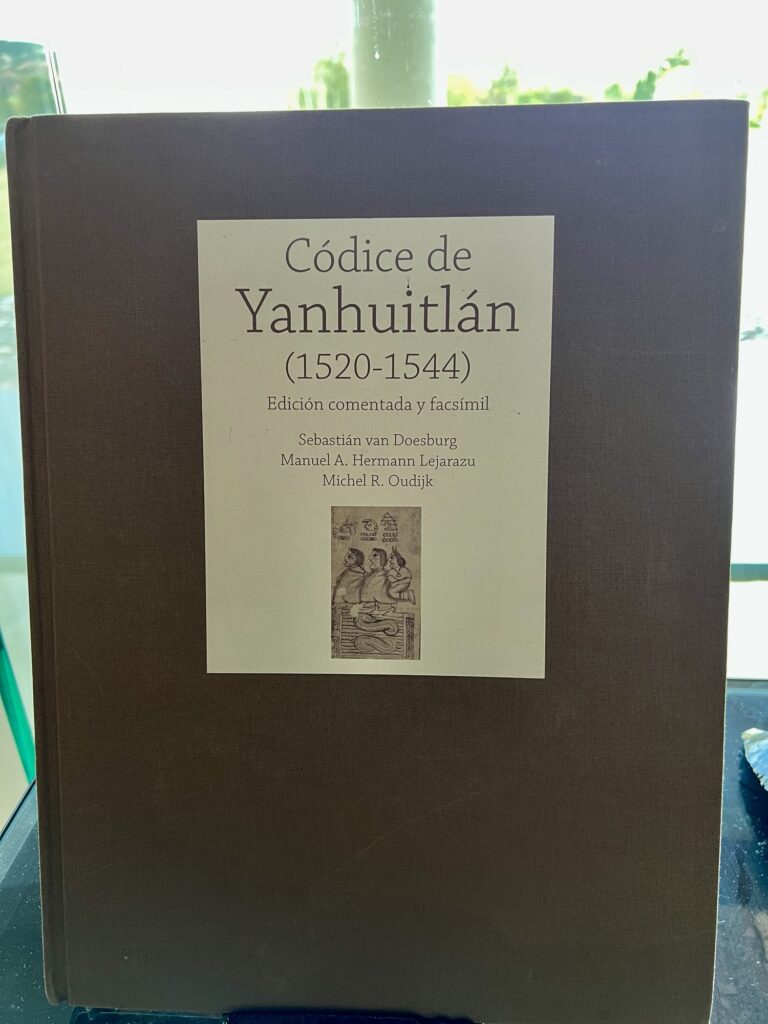
The Yanhuitlán Codex was made in the 16th Century in a different format: instead of using a typical folding document, it was made like an European Codex.
If you go:
Check the official INAH site for hours of operations and costs.
References:
Codice Yanhuitlan, estudio preliminar de María Teresa Sepúlveda y Herrera
Frassani, Alessia. 2013. “The Convento of Yanhuitlan and its Altarpiece: Patronage and the Making of a Colonial Iconography in 16th-century Mixteca Alta.” Colonial Latin American Review 22 (1): 67-97.
Terraciano, Kevin, 2001. The Mixtecs of Colonial Oaxaca, Nudzahui History, 16th-18th Centuries.Stanford: Stanford University Press.