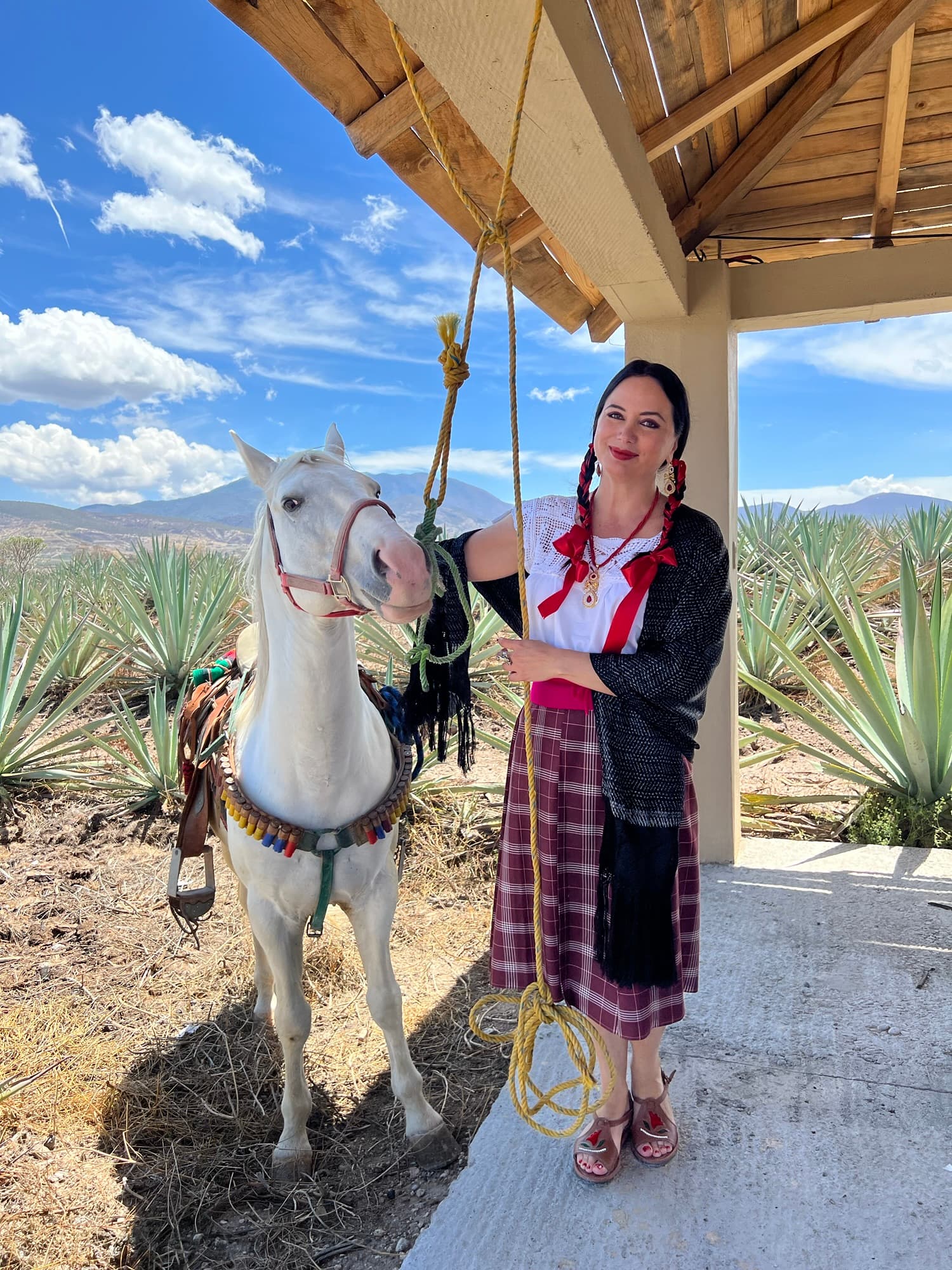
The roads of Mezcal: Santiago Matatlan
Santiago Matatlan, mezcal world capital
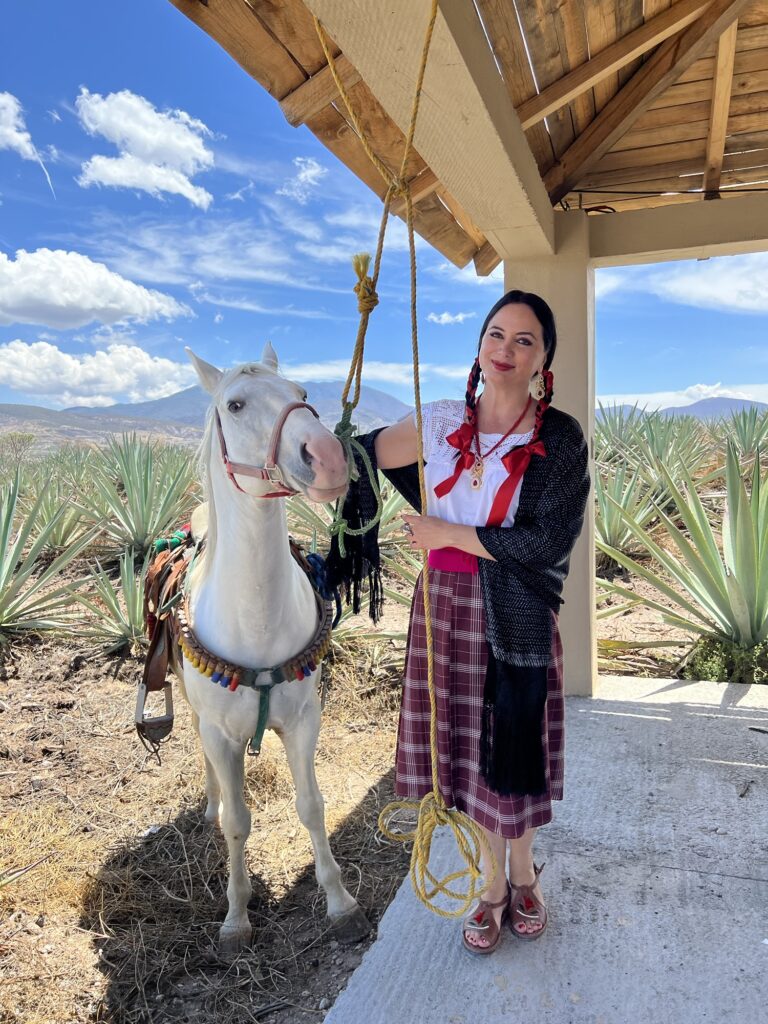
Visiting the vast agave landscape in Oaxaca is akin to exploring the plateau in Bordeaux, where the concept of “terroir” in French or “terruño” in Spanish takes on a profound significance.
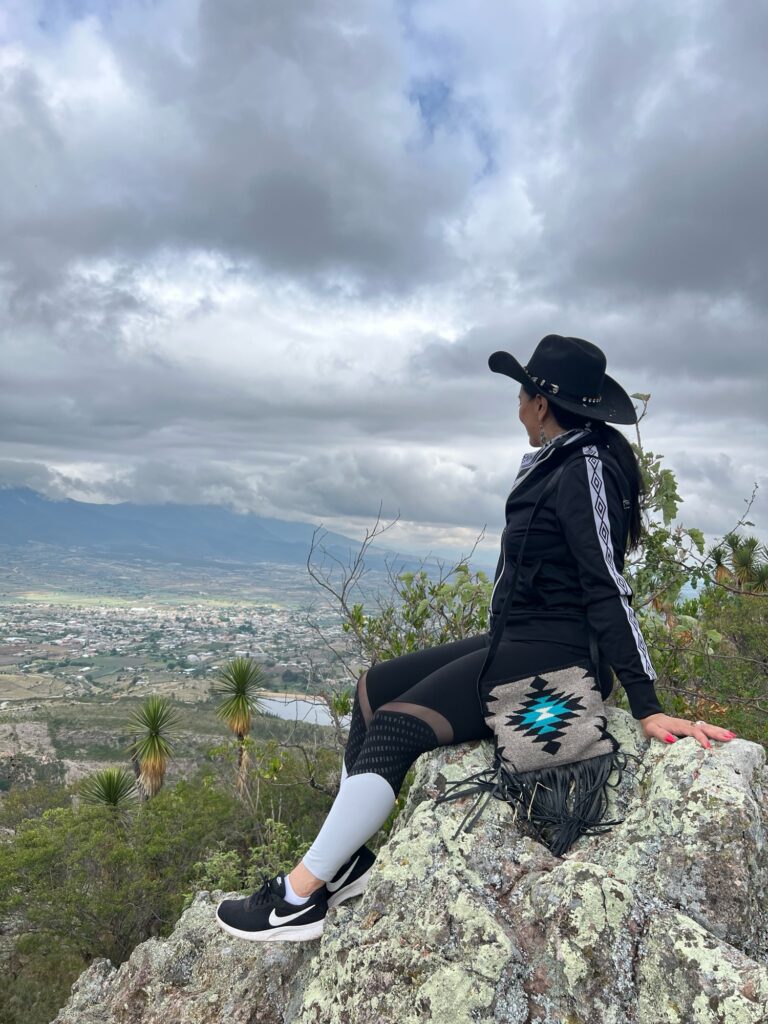
Oaxaca, renowned for its unparalleled biodiversity, boasts a unique landscape characterized by its high desert mountain ranges, arid, expansive plains, and picturesque river valleys. These diverse habitats have provided the perfect environment for the largest array of wild agave species globally.
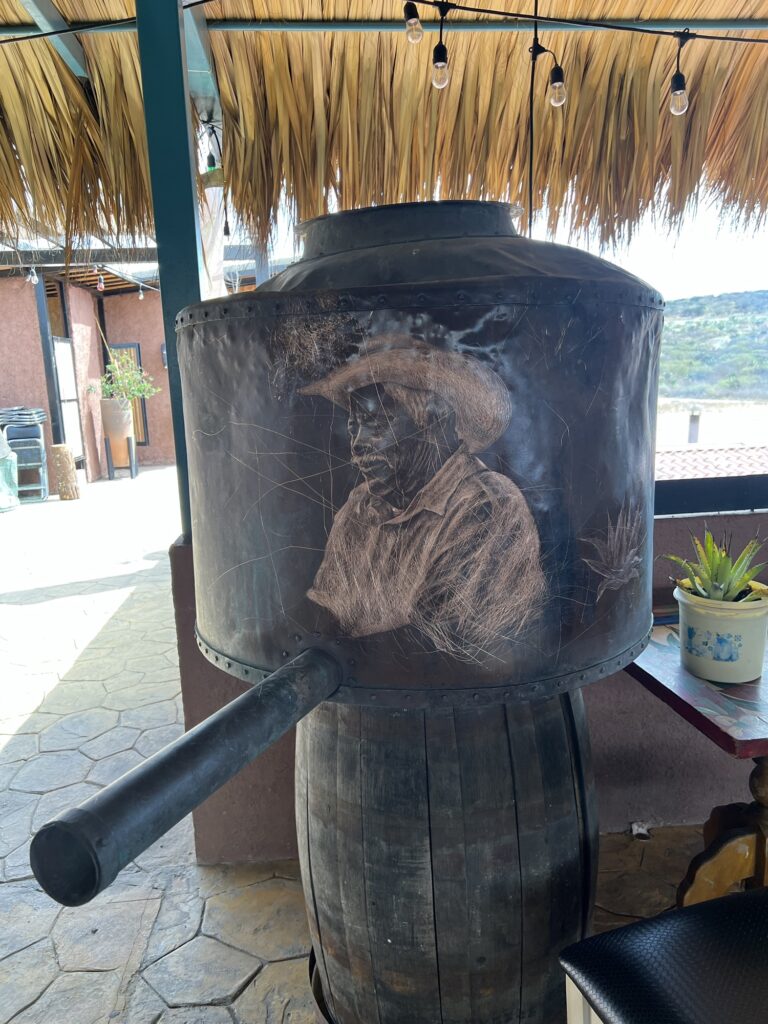
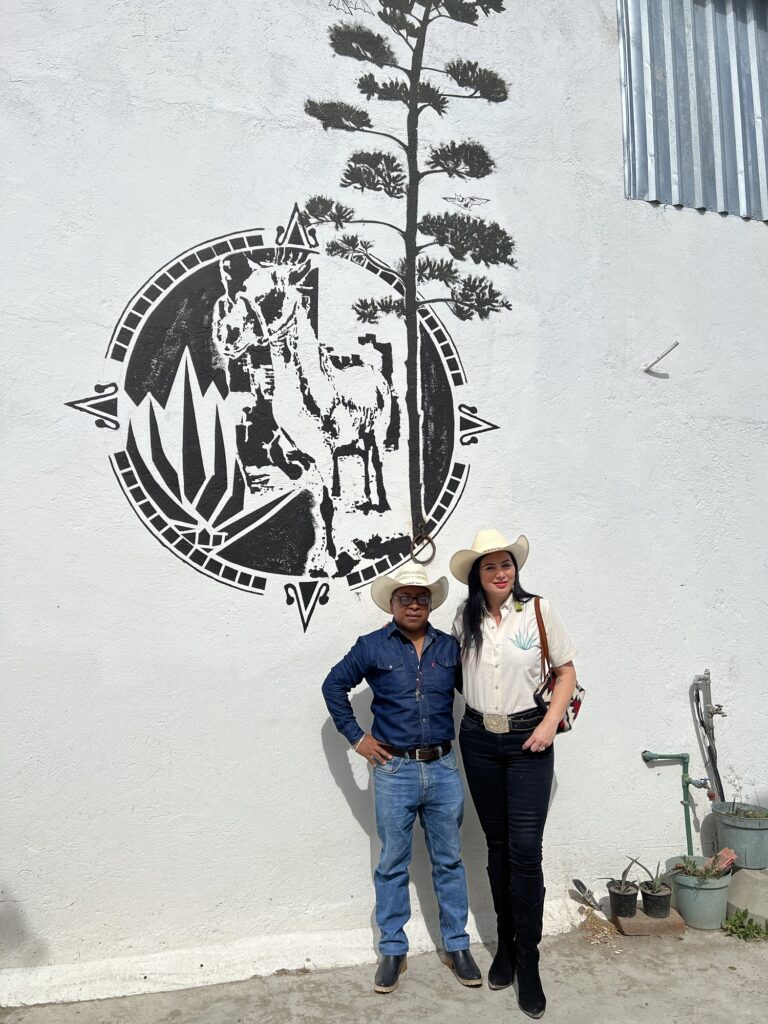
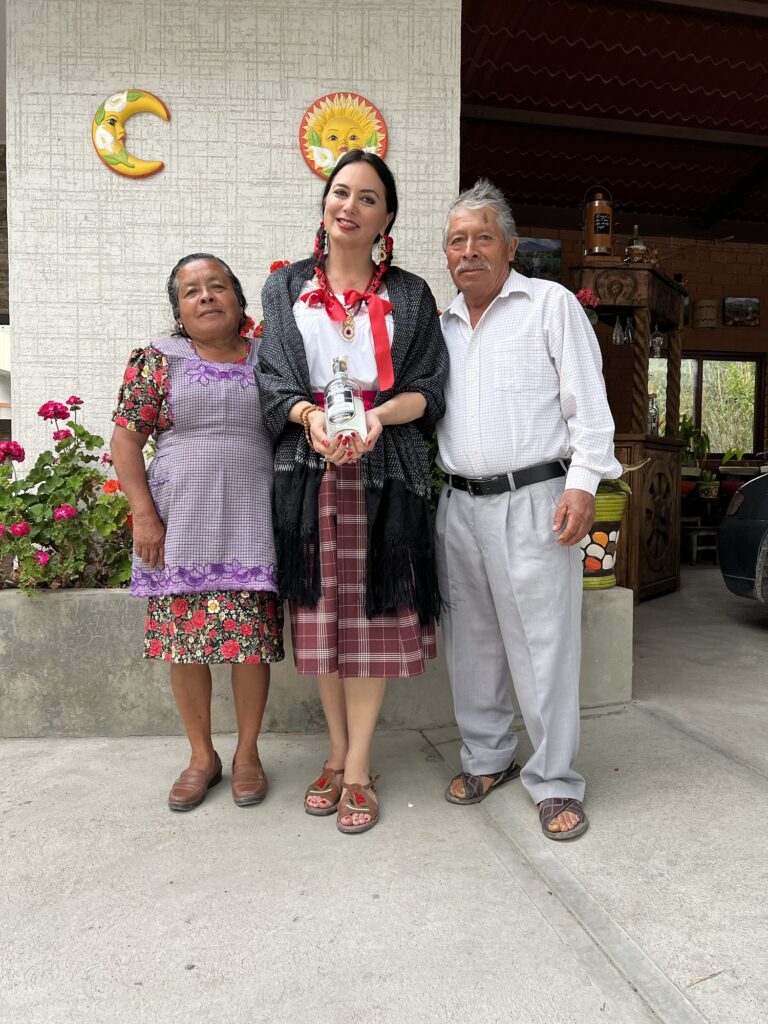
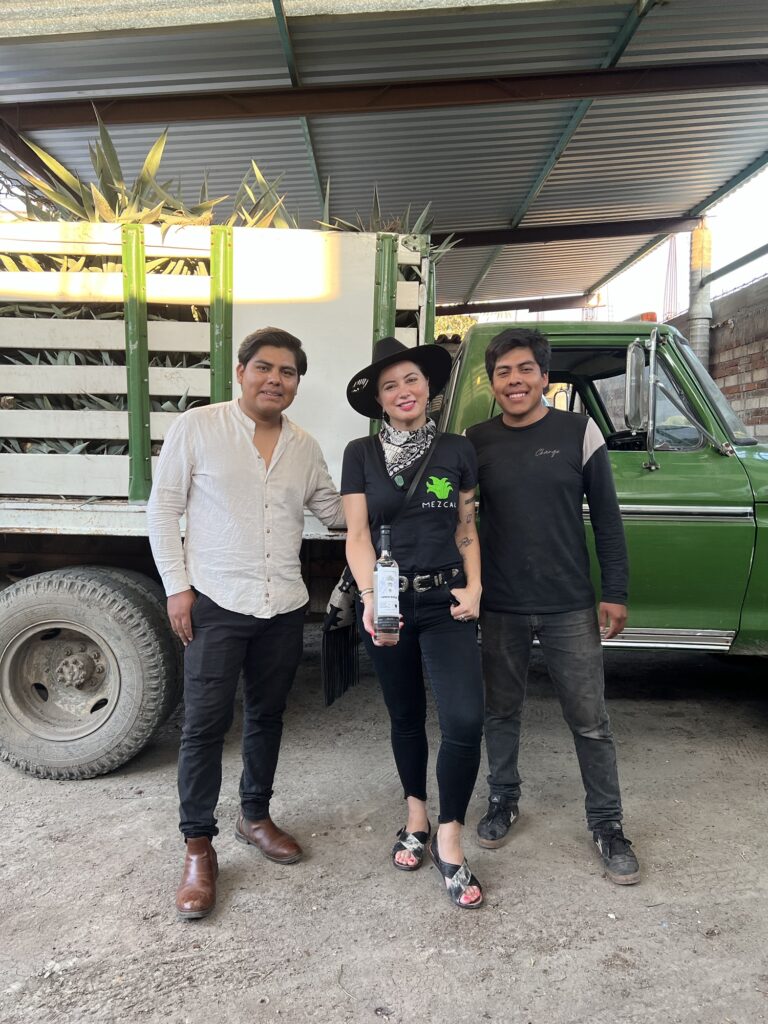
Santiago Matatlan, the world capital of Mezcal, is a town where the entire community lives and breathes for this divine elixir. Every house takes pride in crafting its unique style of Mezcal or claiming to produce the best. Generations of families have dedicated their lives to the tradition of mezcaleros, preserving the art of Mezcal production.
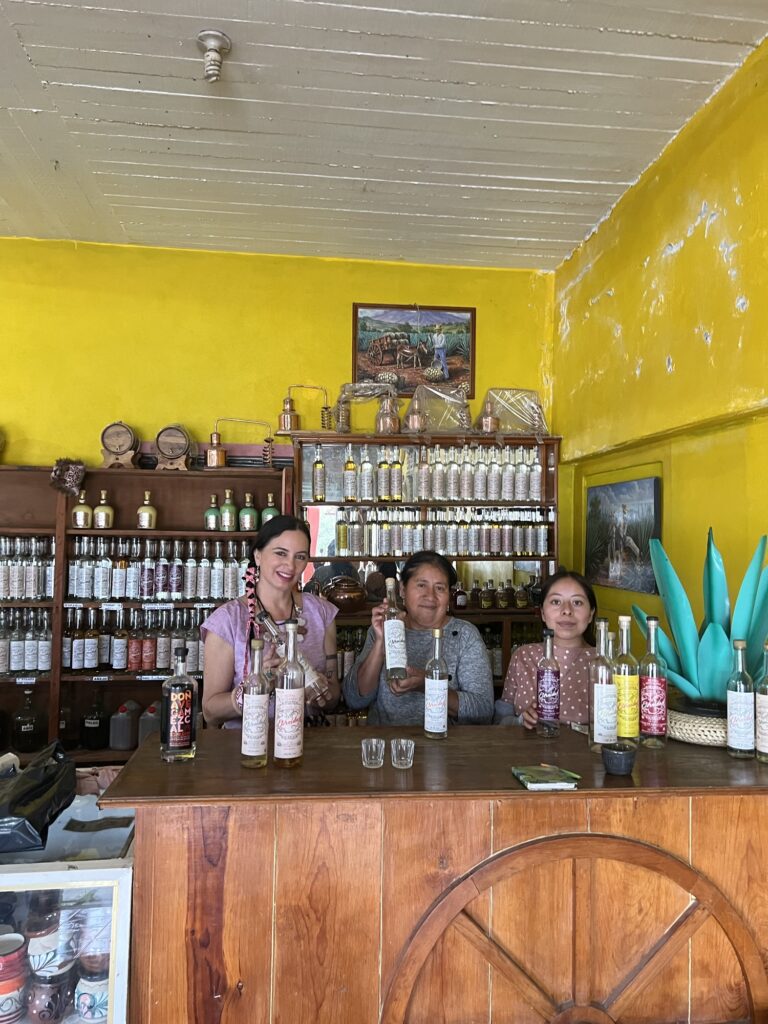
Origins:
Santiago Matatlán is a name derived from Nahuatl words; Matlatl, which means net, and Tlan, which means place, so Matatlán means “place near nets.” It was established in 1575, with land titles issued in 1714.
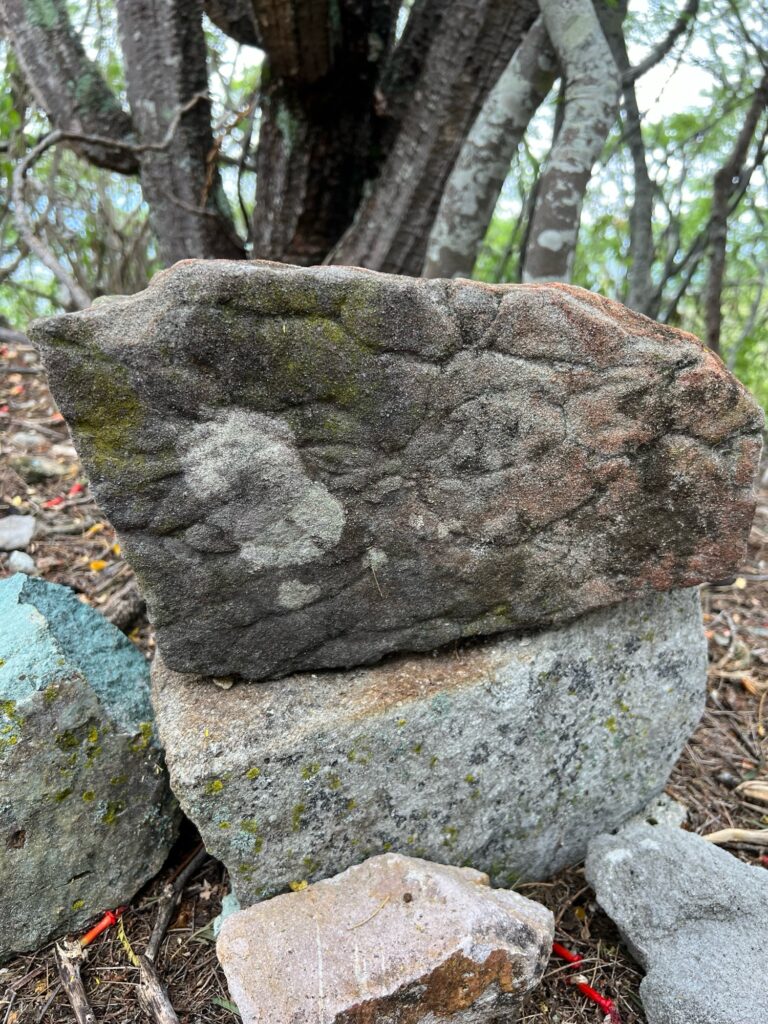
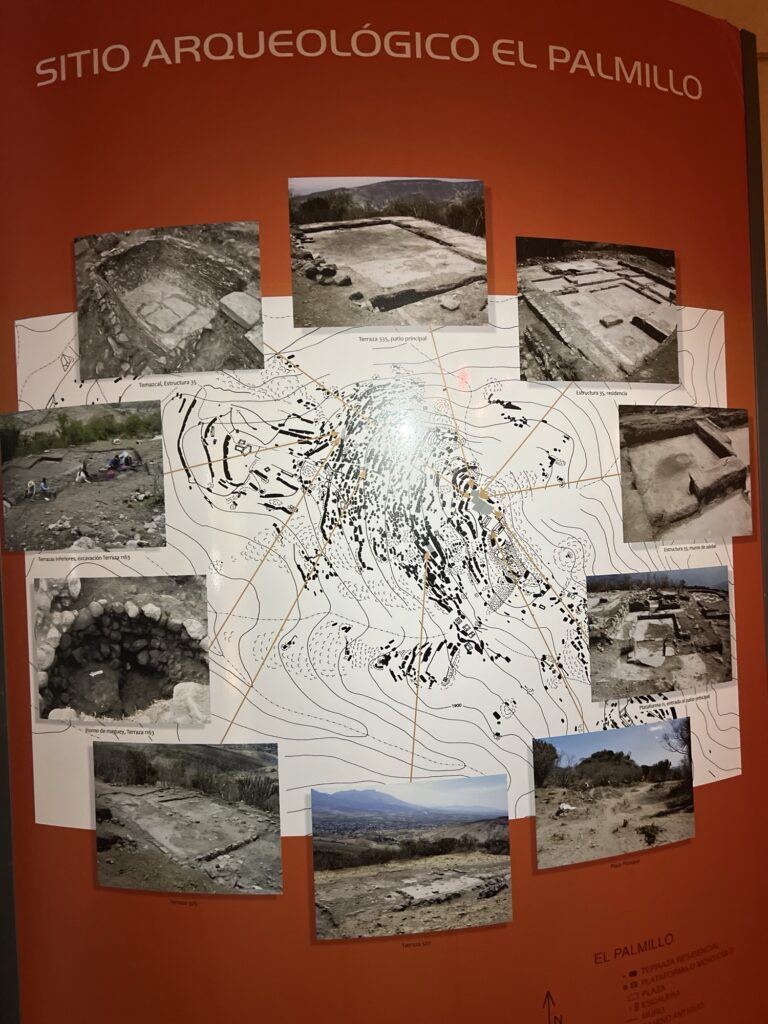
The ancient settlement of this Zapotec city, now an archaeological site that its own inhabitants buried again after the excavations as a way to safeguard the memory of their ancestors, “El Palmillo,” is located in the blood hill or “Ta Guiil Reiñ” in Zapotec.
The archaeologists led by Gary Feinman and Linda Nicholas discovered El Palmillo at the end of the 20th century. The Zapotec civilization, which flourished between 500 BC and 750 AD, built the site, which over time became an active urban center.
The Community Museum “Ta Guiil Reiñ” preserves pieces that were found at the archaeological site. This museum was inaugurated in 2012 to preserve its history, archaeology, and mezcal culture.
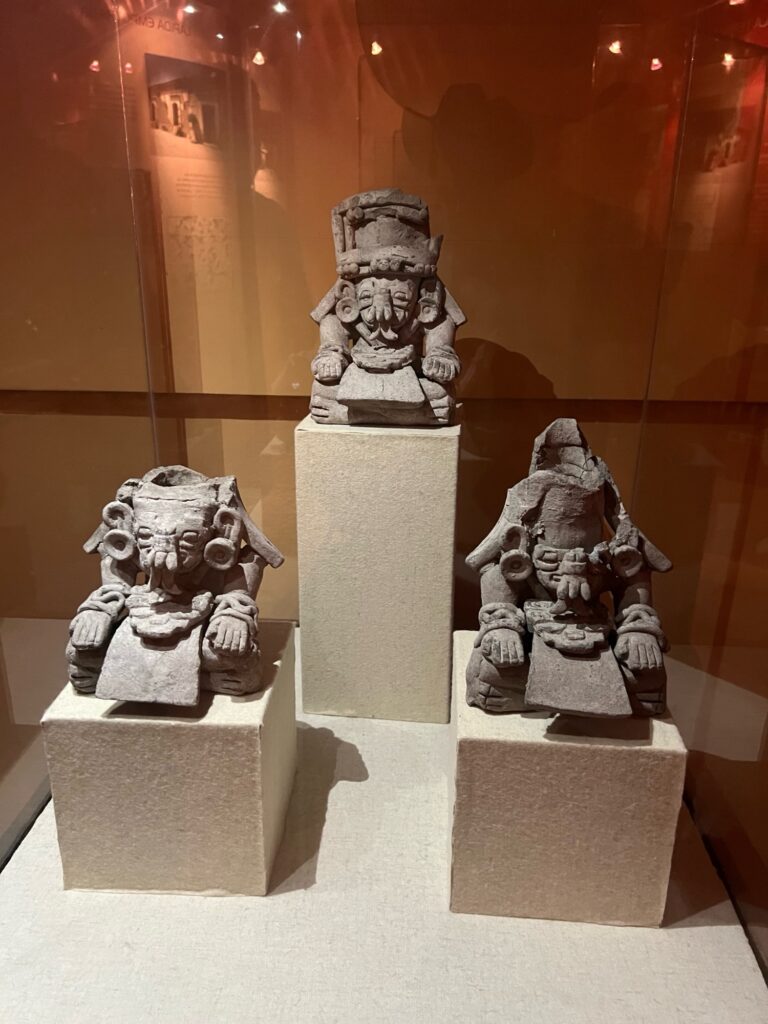
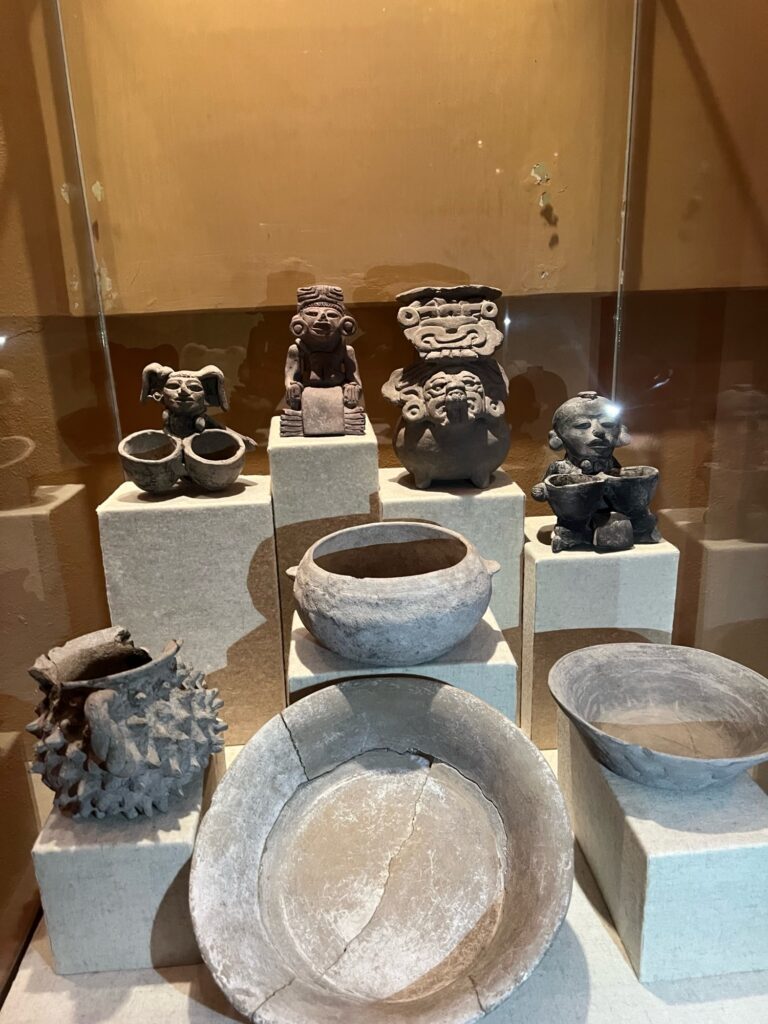
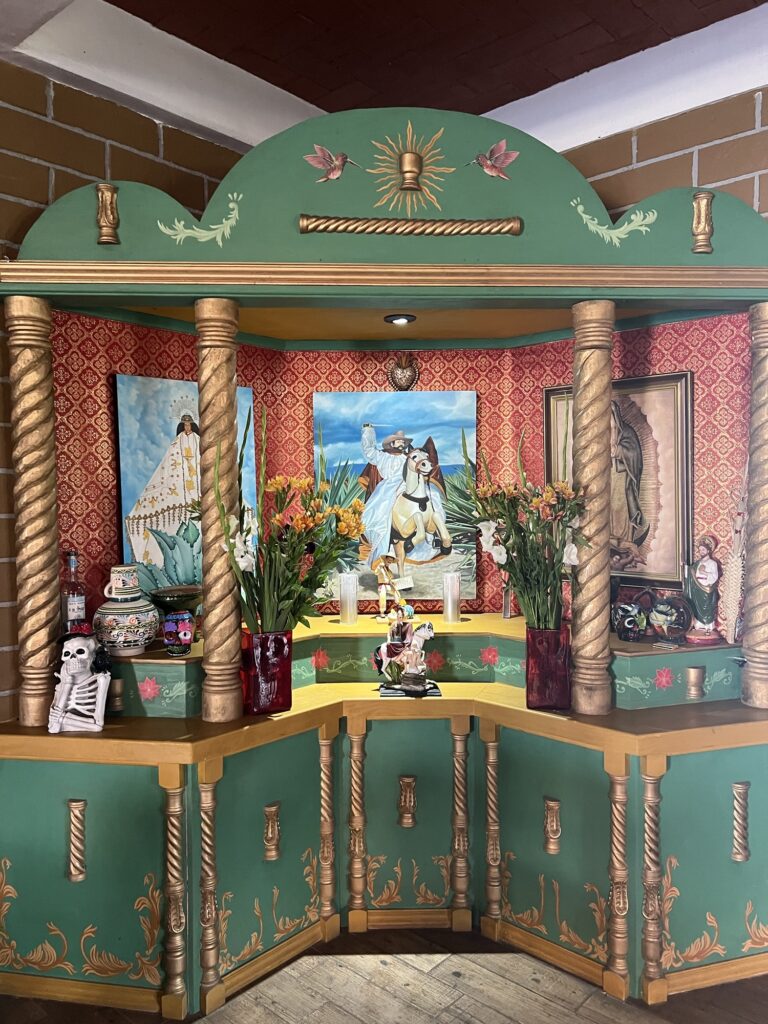
Temple of Santiago Apóstol: A 17th-century church with a baroque, Churrigueresque-style main altar.
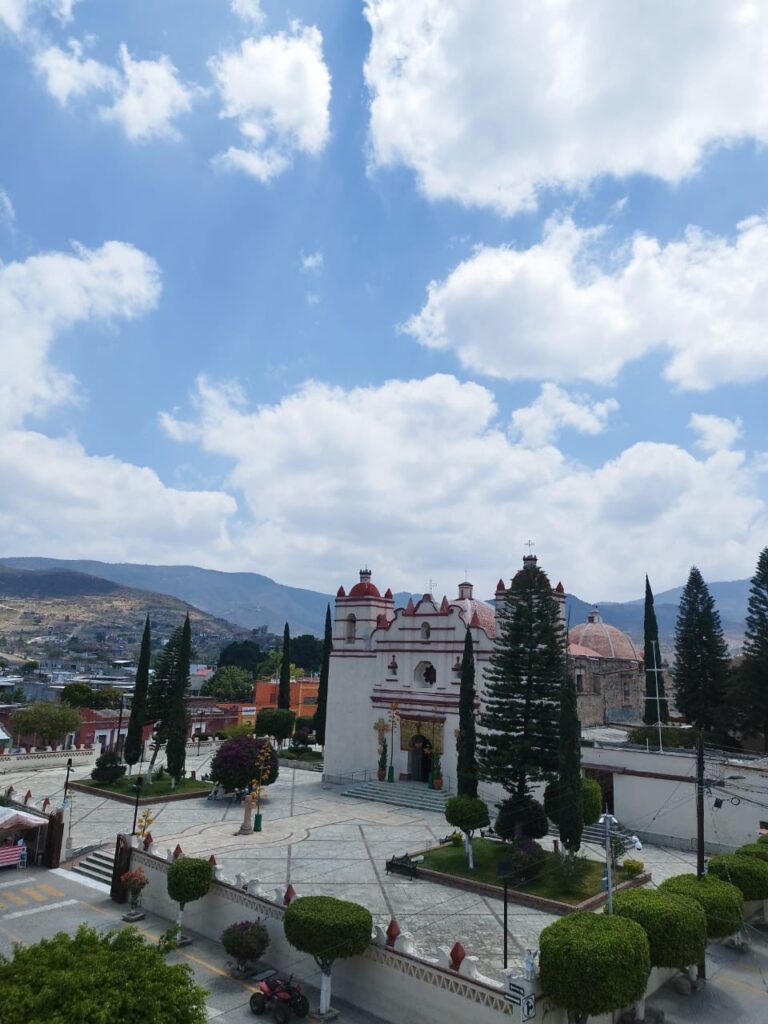
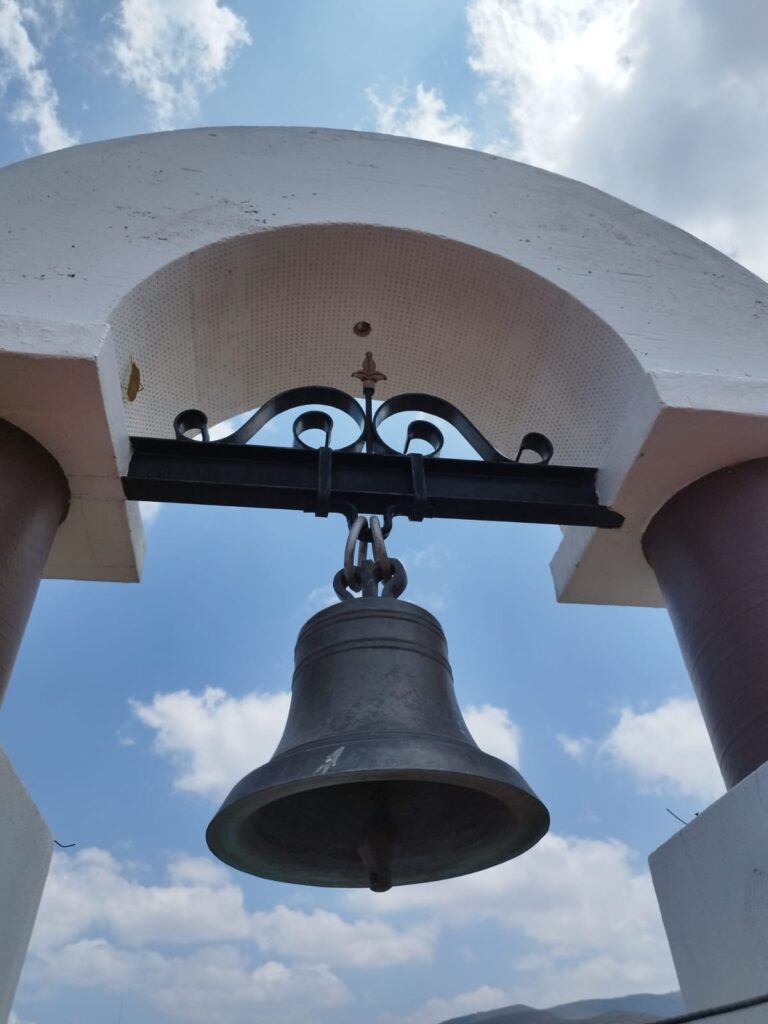
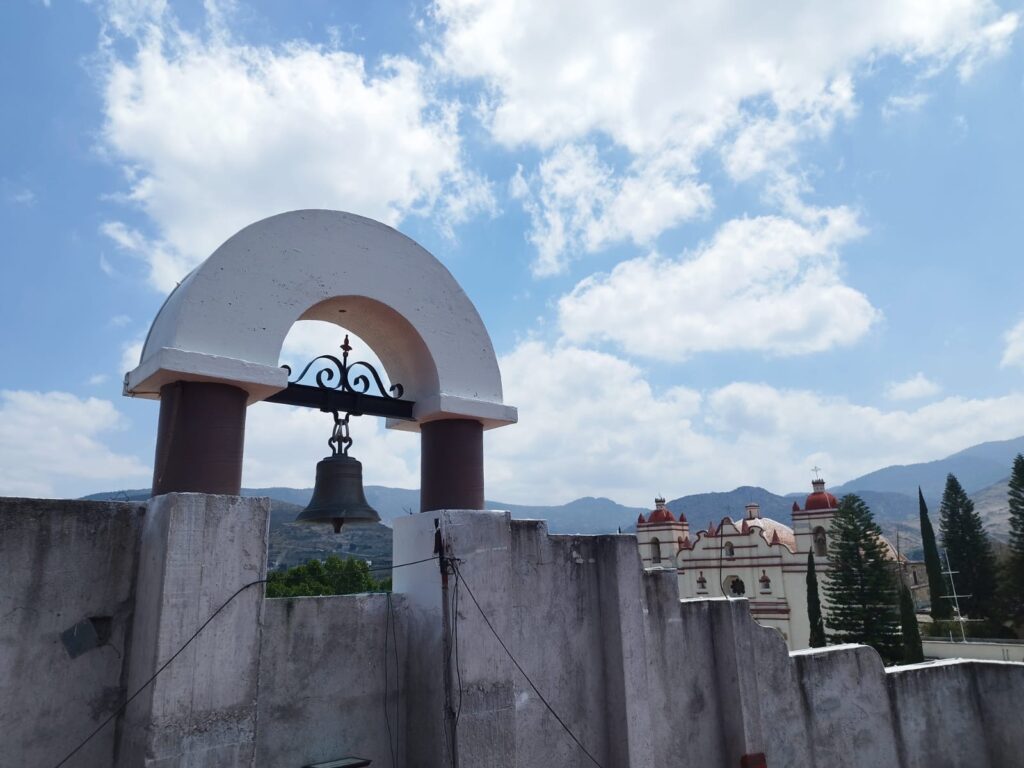
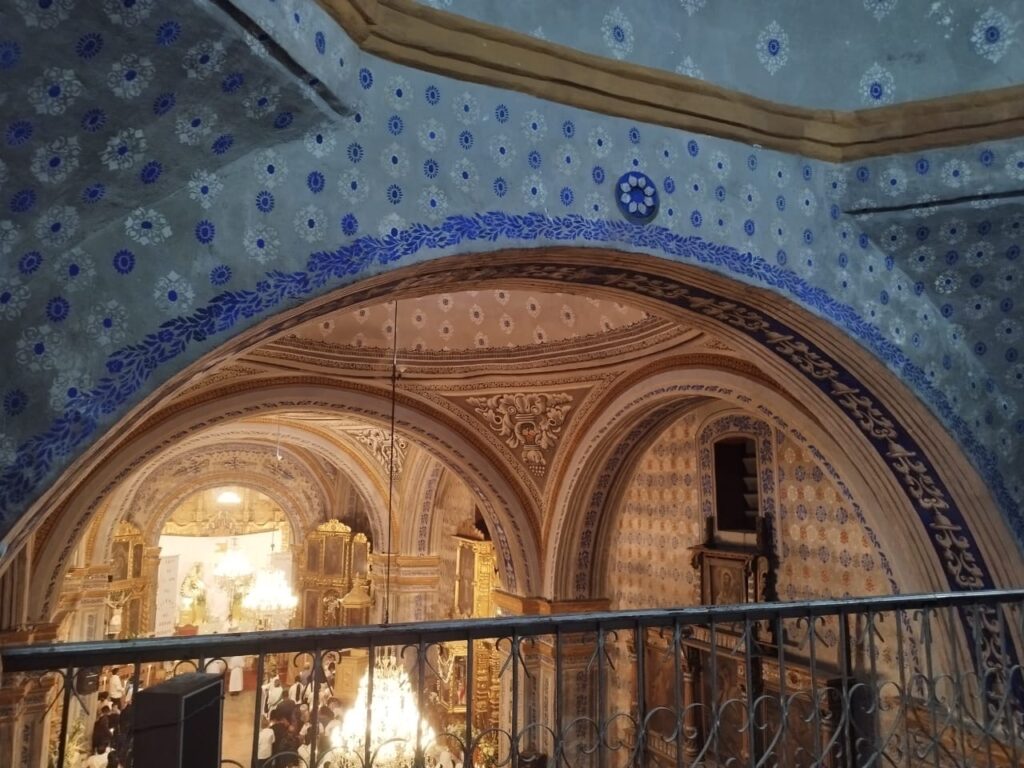
Matatlan today
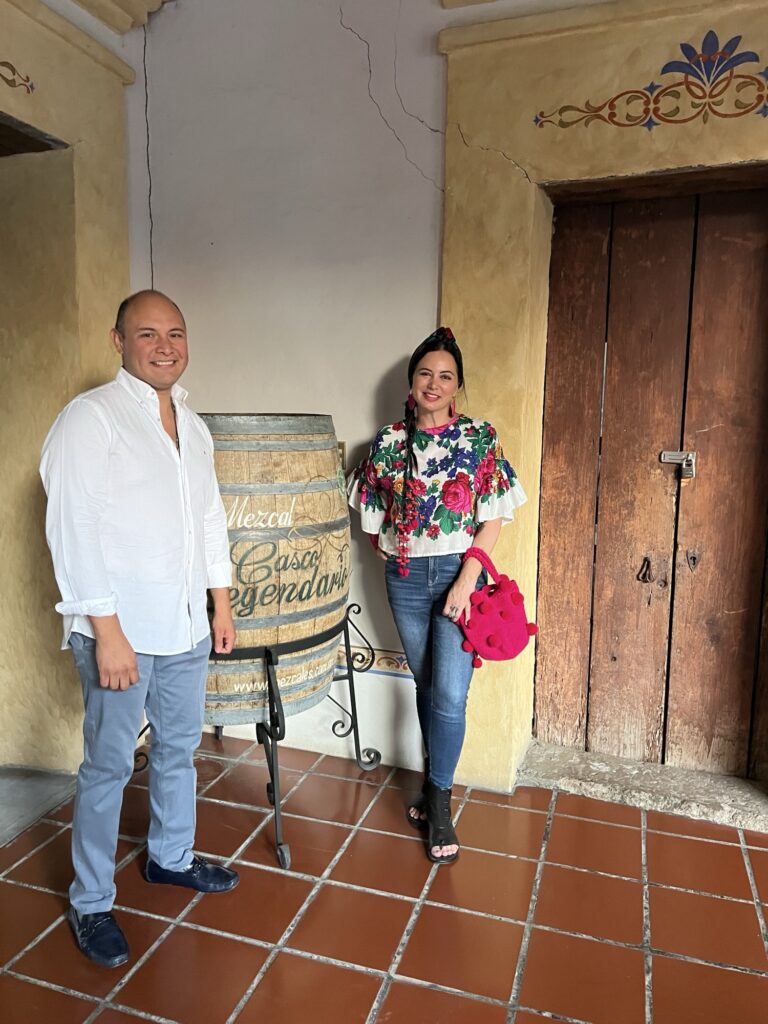
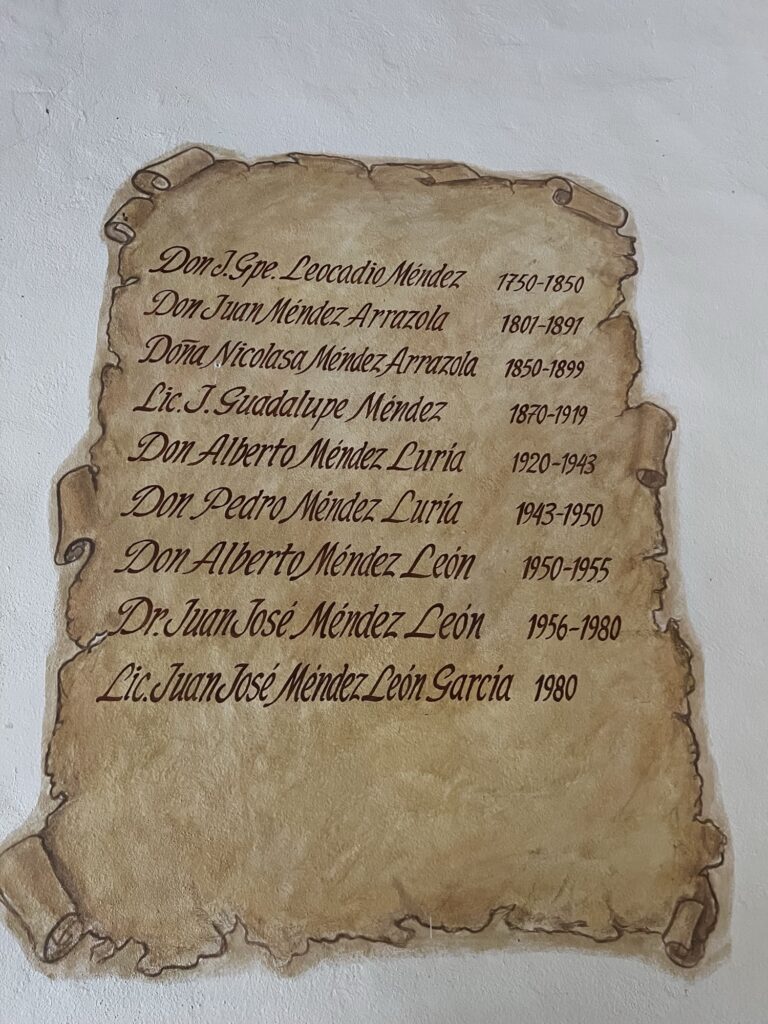
Santiago Matatlan’s Mayor Juan José Mendez León, comes from a long lineage of agave farmers, distillers and leaders in the world capital of mezcal.
With a 6th generation, Juan José’s family is one of the oldest producers. His father was one of COMERCAM’s (Mezcal regulatory council) founding members, who helped establish the DO (Denomination of Origin) and the NOM (Normas Oficiales Mexicanas) in 1994, laying the foundation for the modern mezcal industry as well of helping establish Matatlan as the World Capital of Mezcal.
COMERCAM (short for Consejo Mexicano Regulador de la Calidad del Mezcal) is the Mexican Regulatory Council for Mezcal. This organization surveys the quality, authenticity, and certification of mezcal under the Denomination of Origin (DO) guidelines.
The State of Oaxaca produces more than 80% of the Mezcal within the DO of which Santiago Matatlan is responsible for almost 65%.
If you go:
Ta Guiil Reiñ Community Museum contact here for hours of operation
El Palmillo archeological site (not open to the public, independent hiking trails can be arranged)
Listen to Soy Espadin presented live at the Gran Fiesta del Mezcal of Matatlan in July 2023.
References:
Gibran Rivera: Caracterizando la producción y organización de los mezcaleros en Matatlan, México “Capital mundial del mezcal”
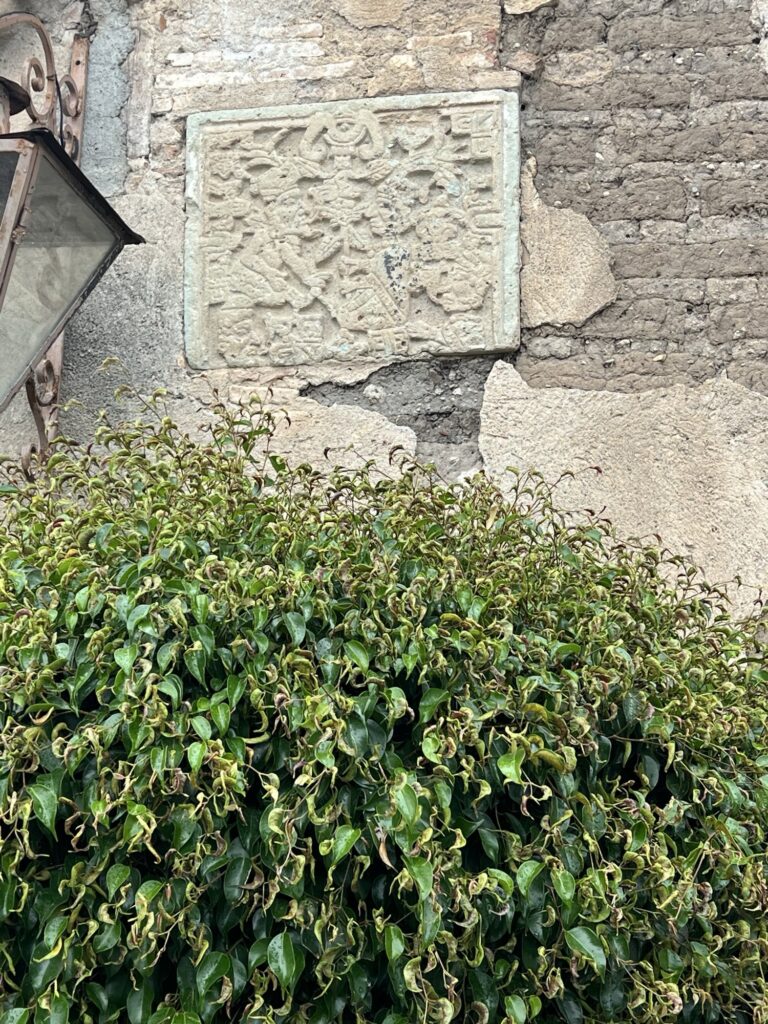
Javier Urcid: A Zapotec slab in Santiago Matatlan, Oaxaca.
Museo comunitario Taguil Reiñ
Interviews with:
Lic Juan José Mendez Leon, Mayor of Santiago Matatlan and producer at Mendez Leon.
Mtro Mezcalero Israel Perez Santiago, founder of Son de La luna Palenque.
Jesus Jimenez Martinez, producer and cultural promoter at Mezcal Verde Cobre.
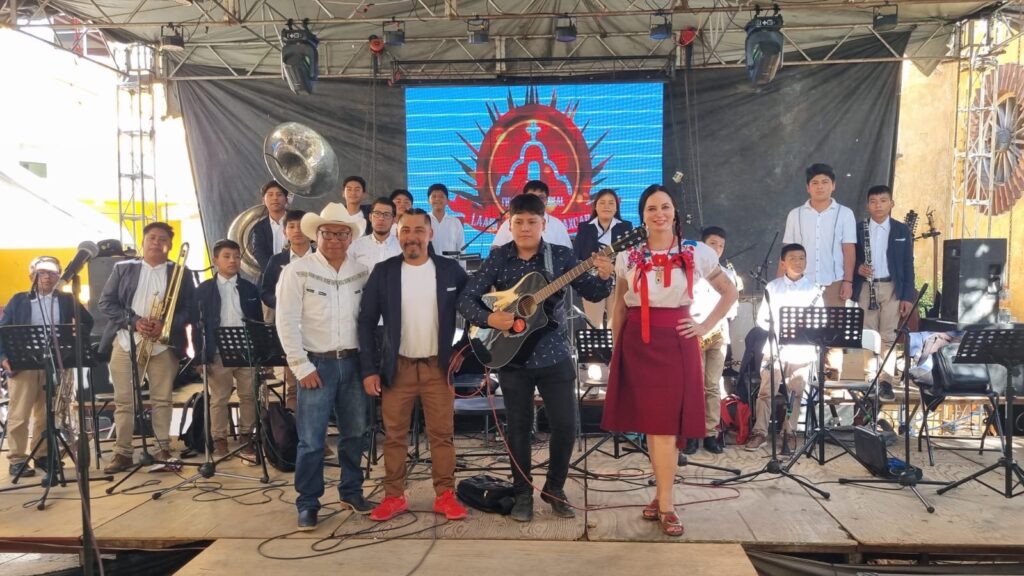
Watch the official video “Canto a Matatlan” Lyrics and voice by Montserrat Franco, music by Carlos “Charly” Hernández and the Band Los de Matatlan.
Listen “Canto a Matatlan” on Spotify