An original work by Jose Luis Guzman Wolffer filmed at the Santo Domingo Temple, UNESCO world heritage site, Oaxaca
The commemoration of five hundred years of the presence of the Order of Preachers in Mexican lands represents a moment of special significance, especially in Oaxaca.
The jubilee invites us to look back at the historical origin of the Dominican presence in the region.
The first mission to head to New Spain departed from Sanlúcar de Barrameda in February 1526, arriving in Mexico City on the eve of the feast of the Apostle Saint James. With their arrival, a period of intense evangelizing activity began, culminating in the official founding of the Province of Saint James of Mexico in 1532, with its formal installation taking place on August 24, 1535. From then on, the preaching friars established communities in strategic locations such as Santo Domingo de México, Tepetlaoxtoc, Chimalhuacán Chalco, Cuernavaca, Oaxaca, and Yanhuitlán, promoting extensive missionary work, especially in the Mixtec and Zapotec regions.
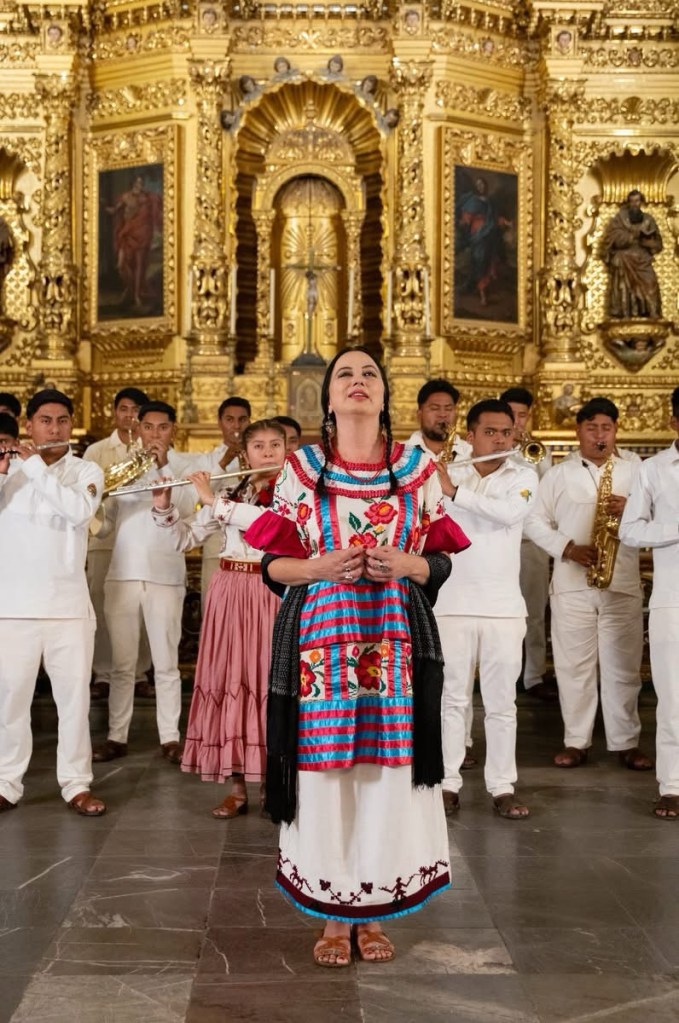
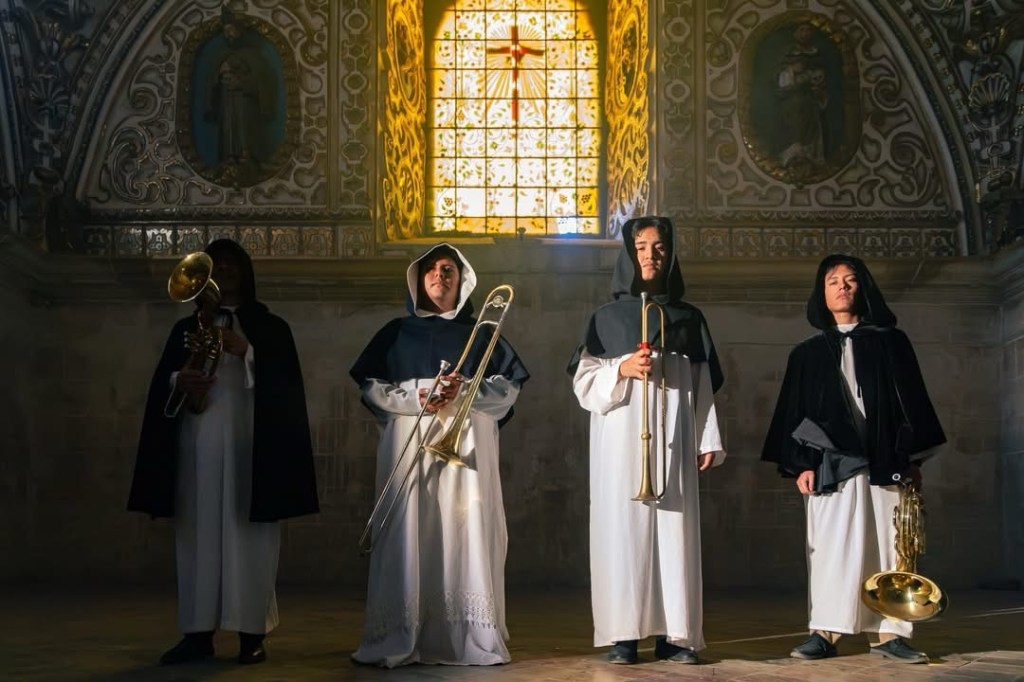
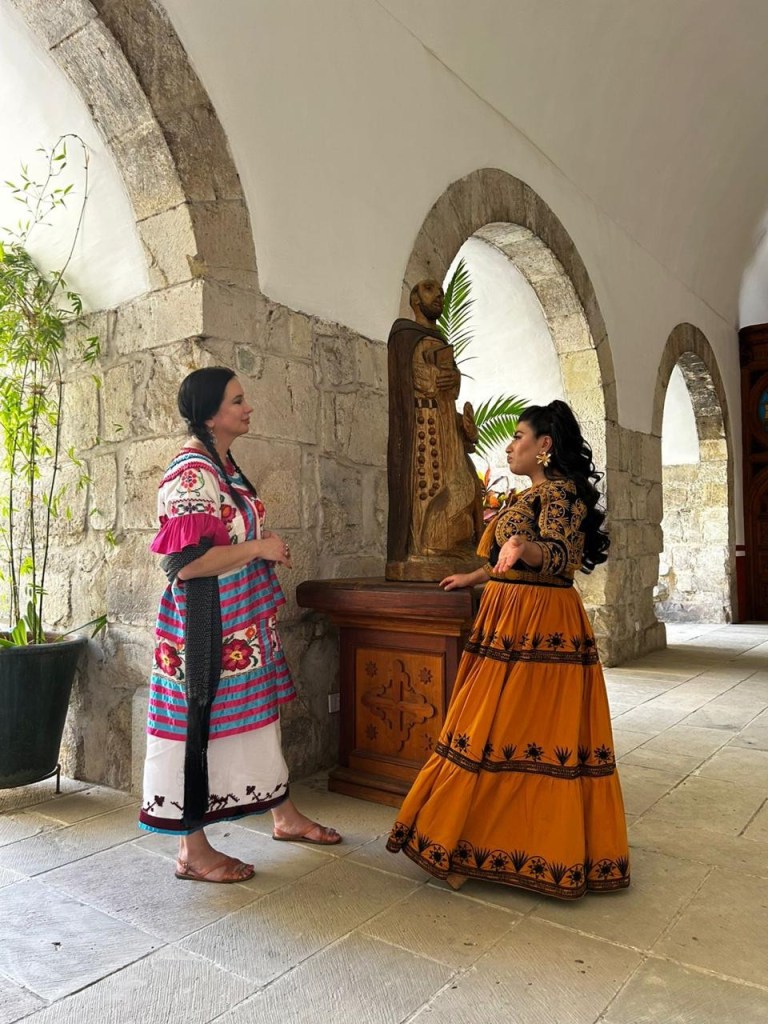
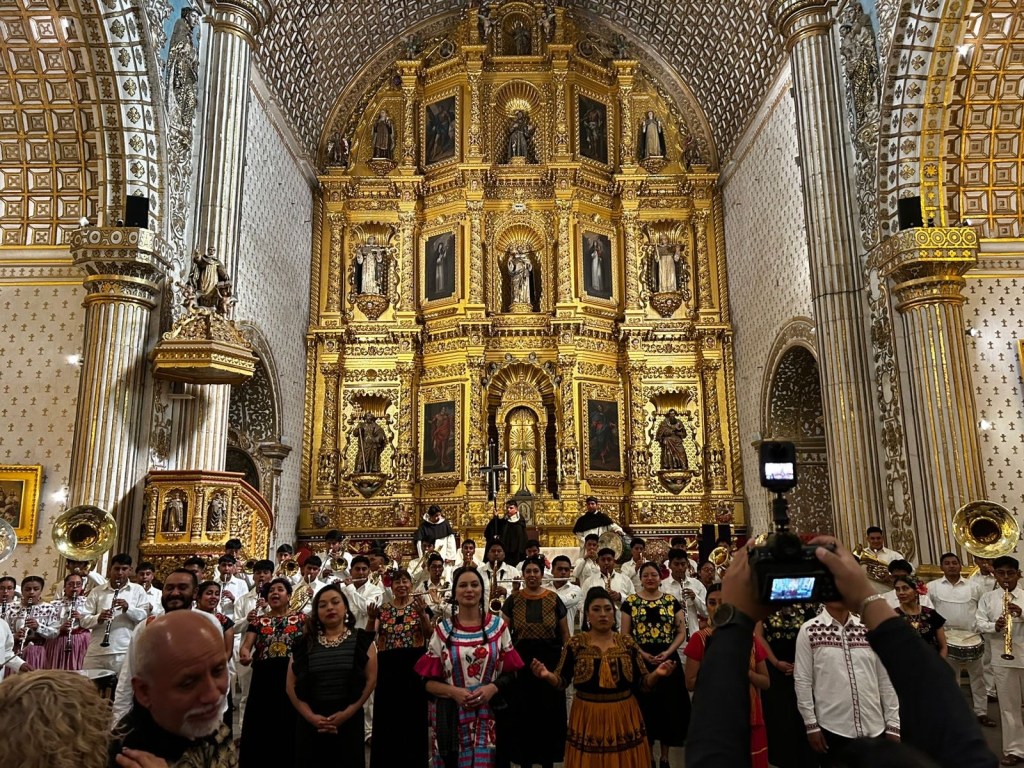
Montserrat Franco and the Cecam Philharmonic at the Santo Domingo Church, Oaxaca. Photo: Mauricio Velazquez Torres Brass ensemble at the cloisters of Santo Domingo. Photo credit: Mauricio Velazquez Torres Soloists Diana Itzel Ramirez, María Reyna, Yobanca Matamoros and Montserrat Franco Montserrat Franco and María Reyna, the Mixe SopranoThe Cecam Philarmonic, the Poliphonic Choir of Oaxaca, the brass ensemble, soloists and conductors Montserrat Franco during the film of Oaxaca Sacro at the Santo Domingo temple
Oaxaca Sacro is a musical and documentary proposal that rescues the main indigenous languages of Oaxaca by incorporating their linguistic elements into an original sacred music composition, while also celebrating in 2026 the 500-year presence of the Order of Preachers (Dominicans) in Mexico through their history, legacy, and religious services in Oaxaca.
Composed by José Luis Guzmán Wolffer in seven movements that have been translated from the original Latin to different languages of Oaxaca by native speakers.
“Oaxaca remains an intact gem that will continue to remind us of our past, our ancestors, our true origins that shall never be forgotten.”
You might recognize it if you’ve seen the movie Nacho Libre, or if you’ve tasted the famous quesillo (also known as Queso Oaxaca) or its renowned “muerteadas” that the Etla Valley is famous for, which are celebrated on the eighth day after Day of the Dead.
On this post, I’ll provide you with all the information you need about the Etla Valley. It might seem confusing because there are multiple Etlas, but the entire valley holds significant historical importance. It was one of the oldest Zapotec settlements, even predating Monte Alban. In fact, the early hieroglyphic Zapotec writings were discovered at the site of San Jose El Mogote (600 BCE)
San Jose El Mogote
And we should probably start the tour here: San José Mogote was the largest and most important settlement in the Valley of Oaxaca during the Early and Middle Formative periods (ca. 1500-500 BCE) of Mesoamerican cultural development.
San José Mogote is considered to be the oldest permanent agricultural village in the Oaxaca Valley and probably the first settlement in the area to use pottery.
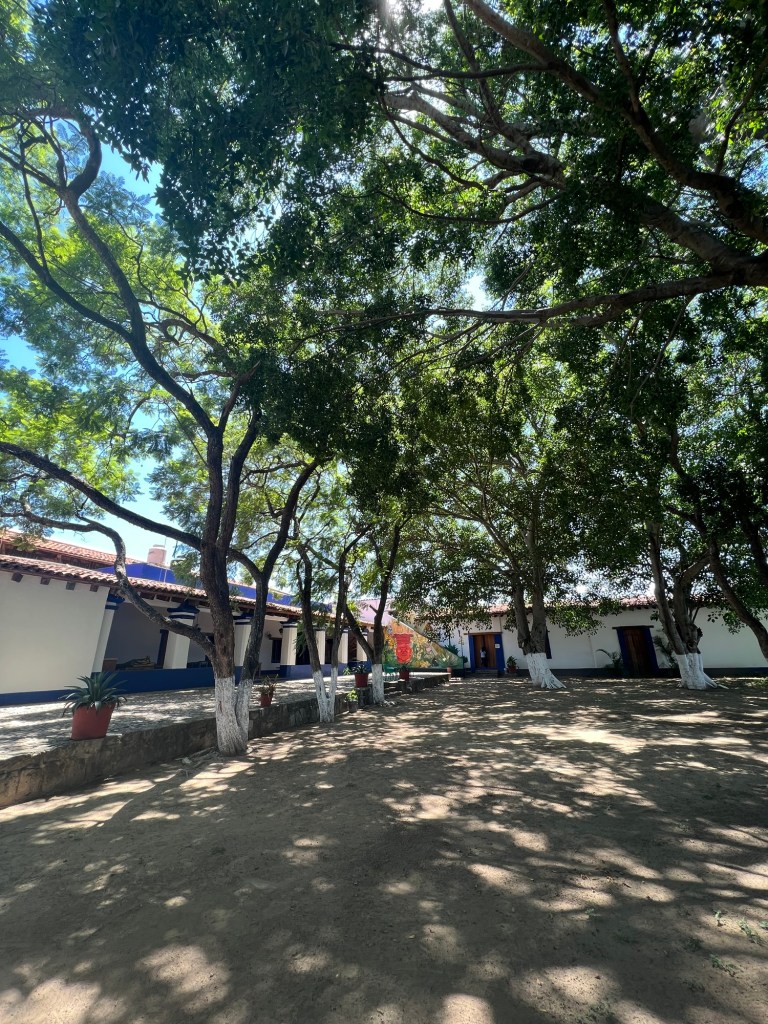
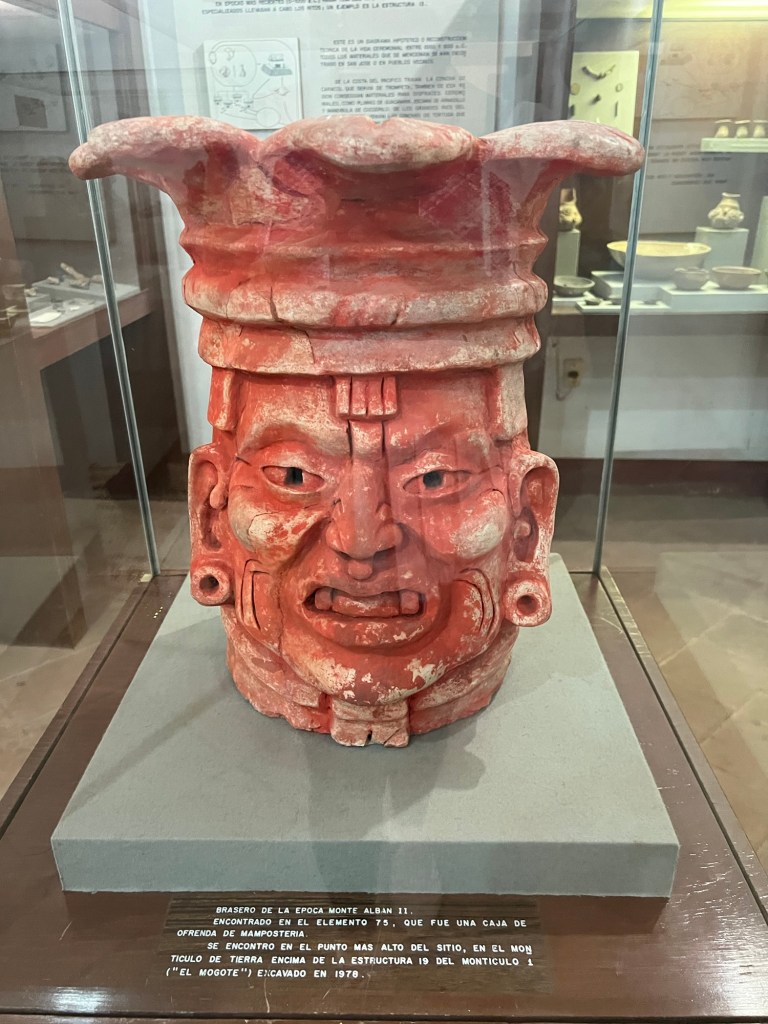
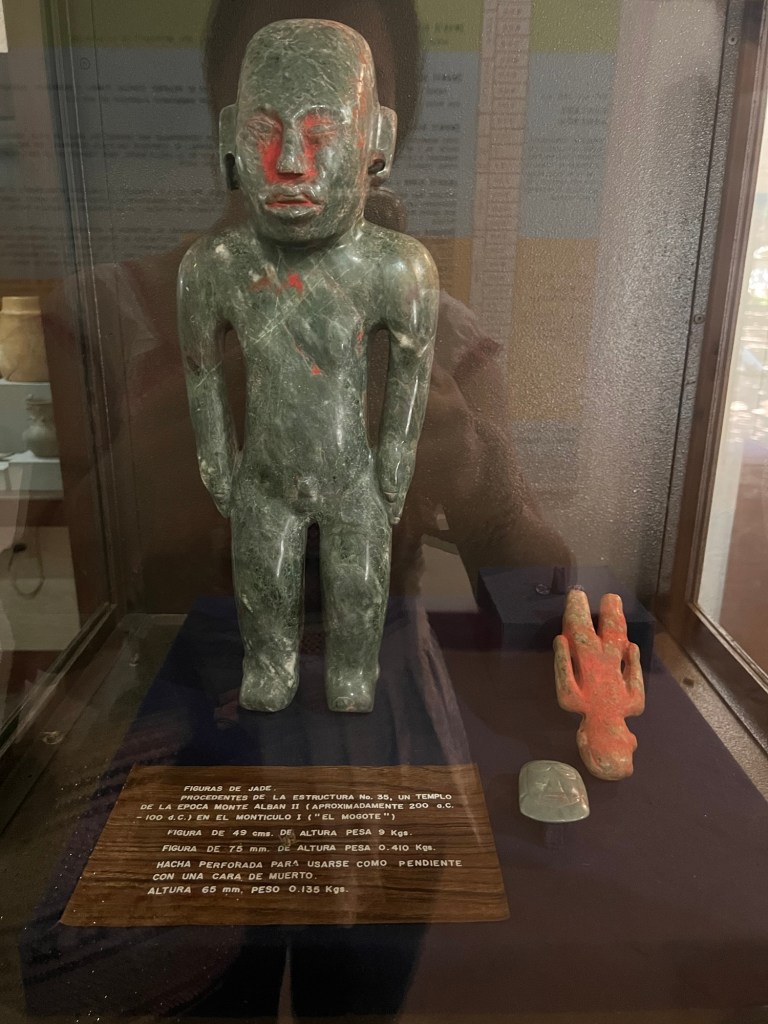
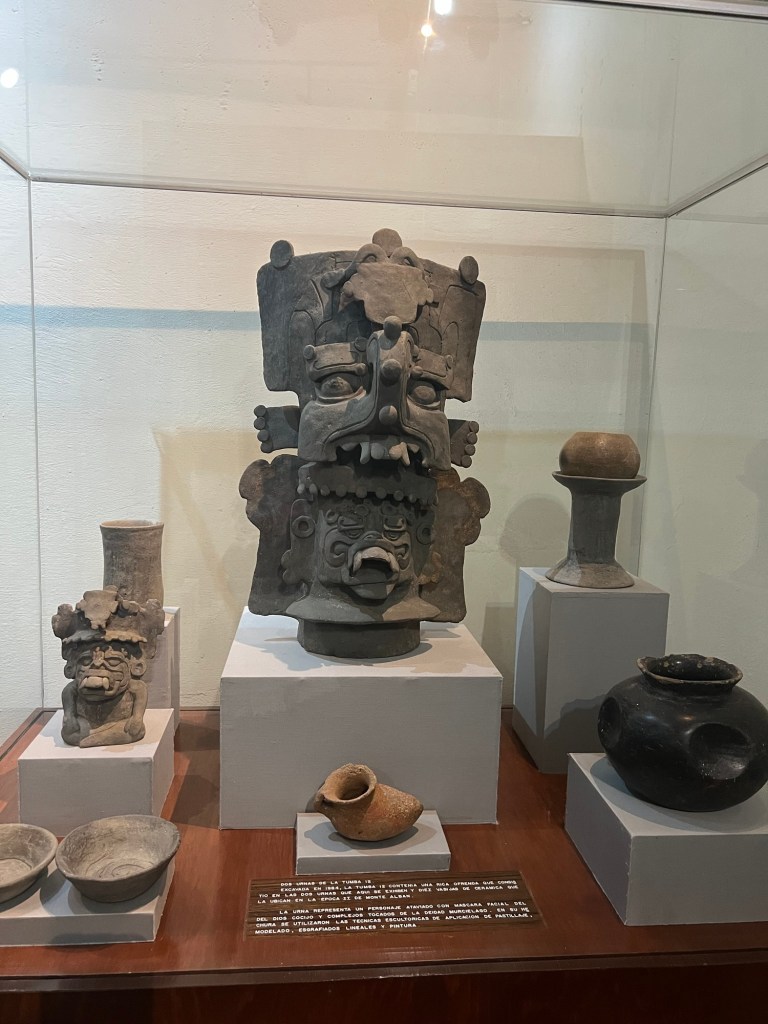
Some of the artifacts from the San José Mogote archaeological site may be viewed in the town of San José Mogote’s Community Museum, which is located in the El Cacique Ex-Hacienda.
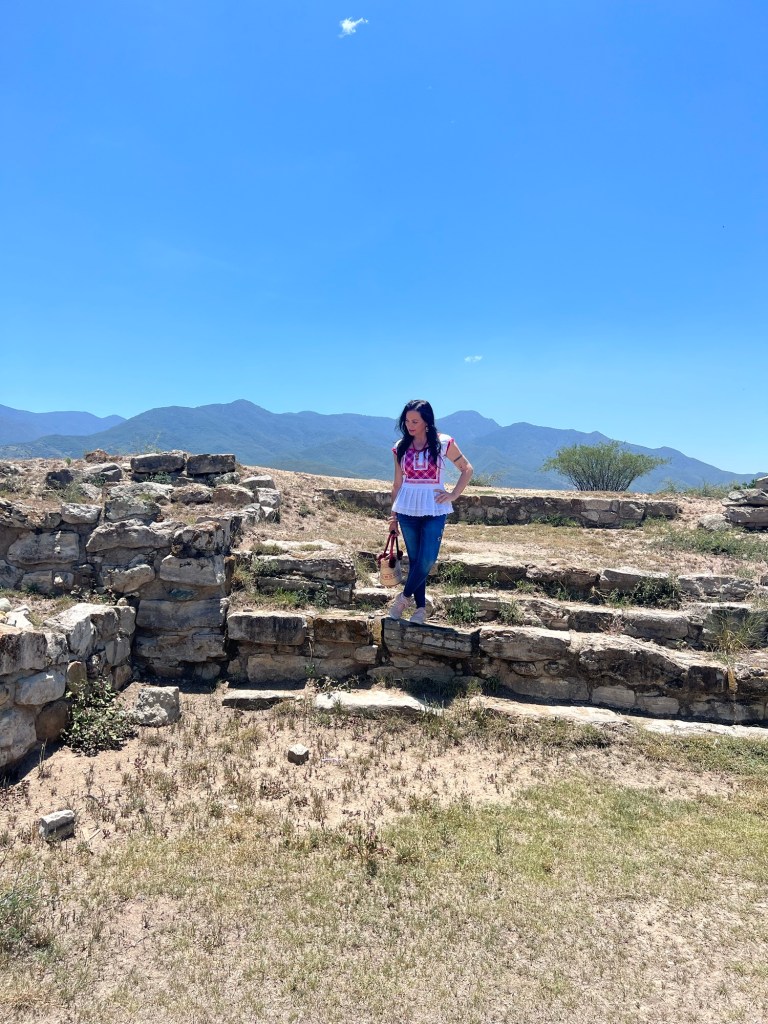
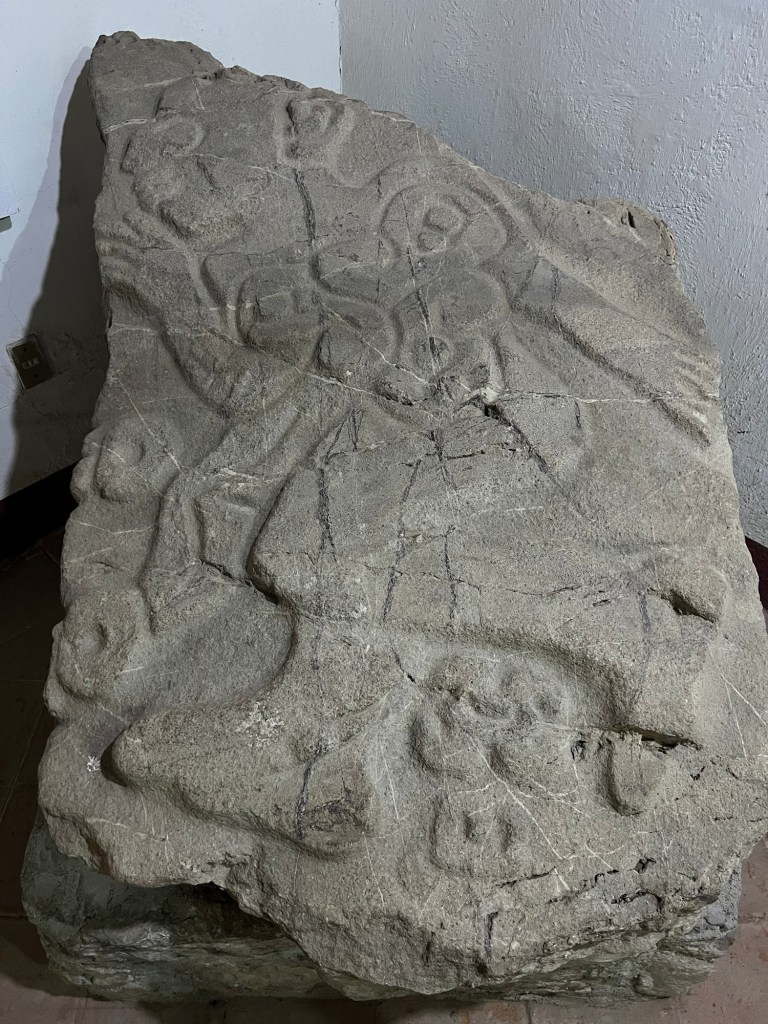
Ex-Hacienda El Cacique founded in 1686, today the Museum El Diablo Enchilado, incense holder from the phase Monte Alban II Jade figure found at the site of Dan Jose El Mogote from the Monte Alban II (200 BCE) Urns representing the Lord Bat with the Cosijo deity. Montserrat Franco on top of the San Jose El Mogote pyramid Monument 3 at San Jose Mogote. The two shaded glyphs between his legs are likely his name, Earthquake 1.
Reyes Etla
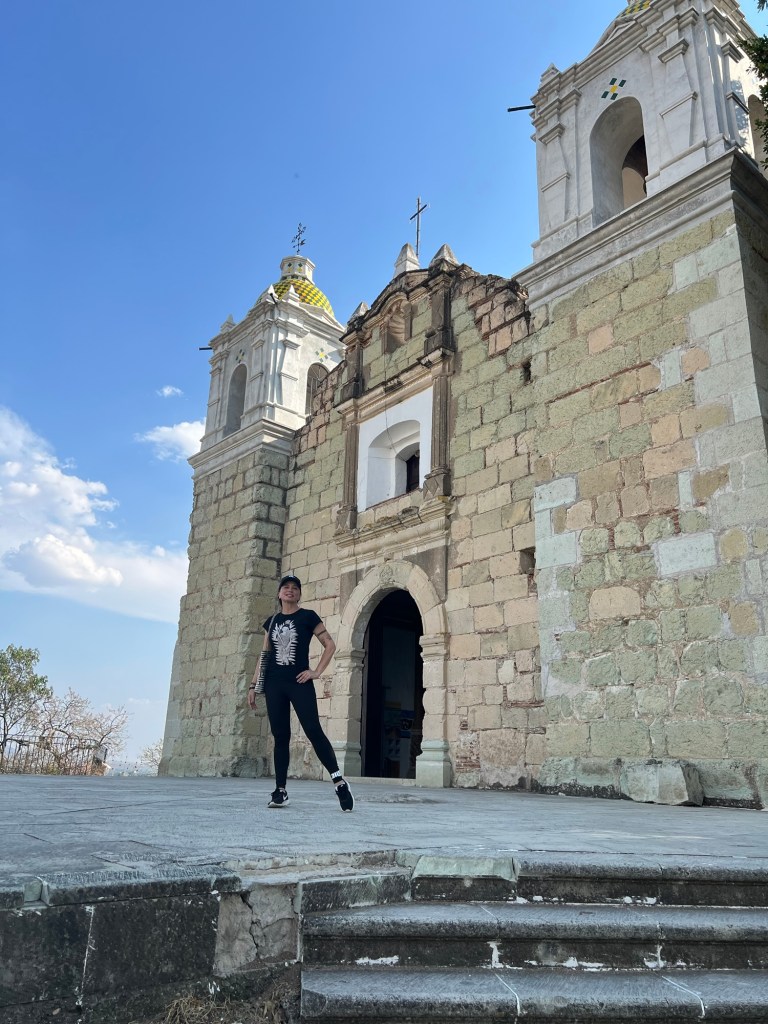
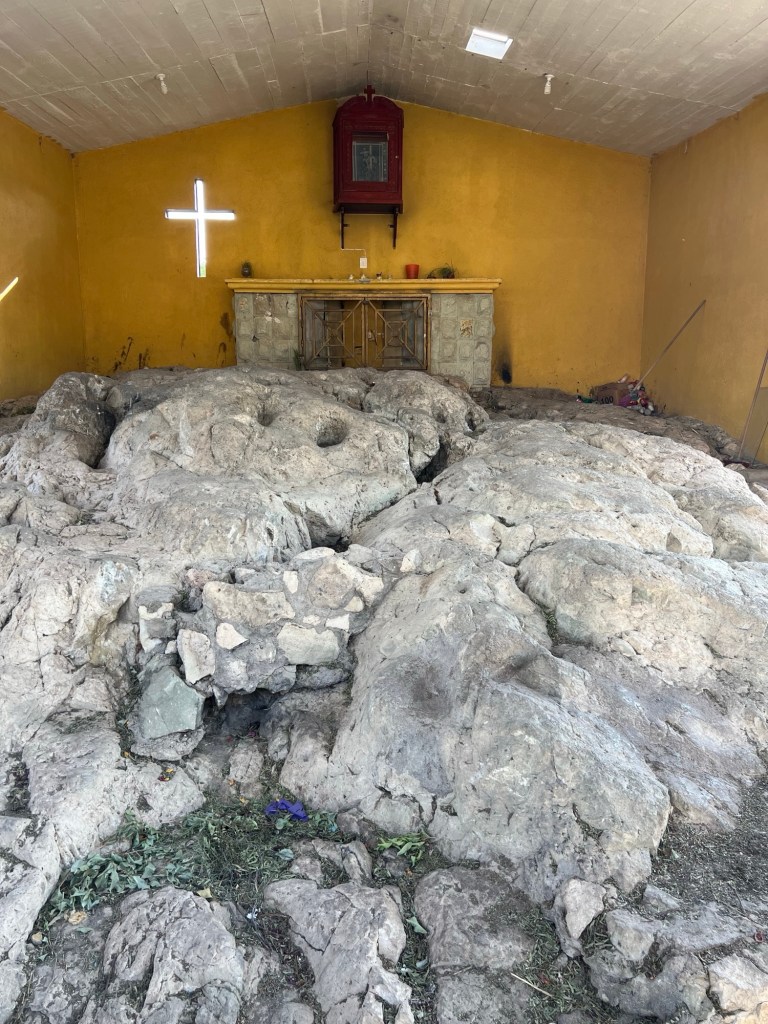
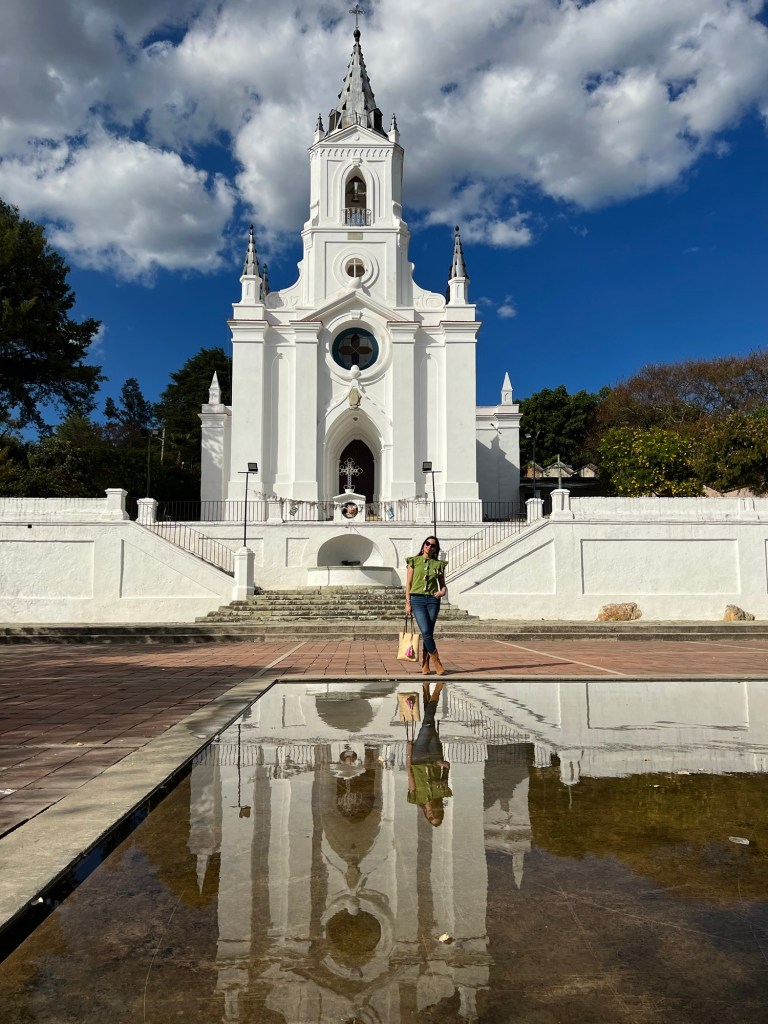
You might recall that charming church and its adjacent courtyard from the Nacho Libre film. If you take a few steps behind the church, you’ll find an unexcavated ceremonial site.
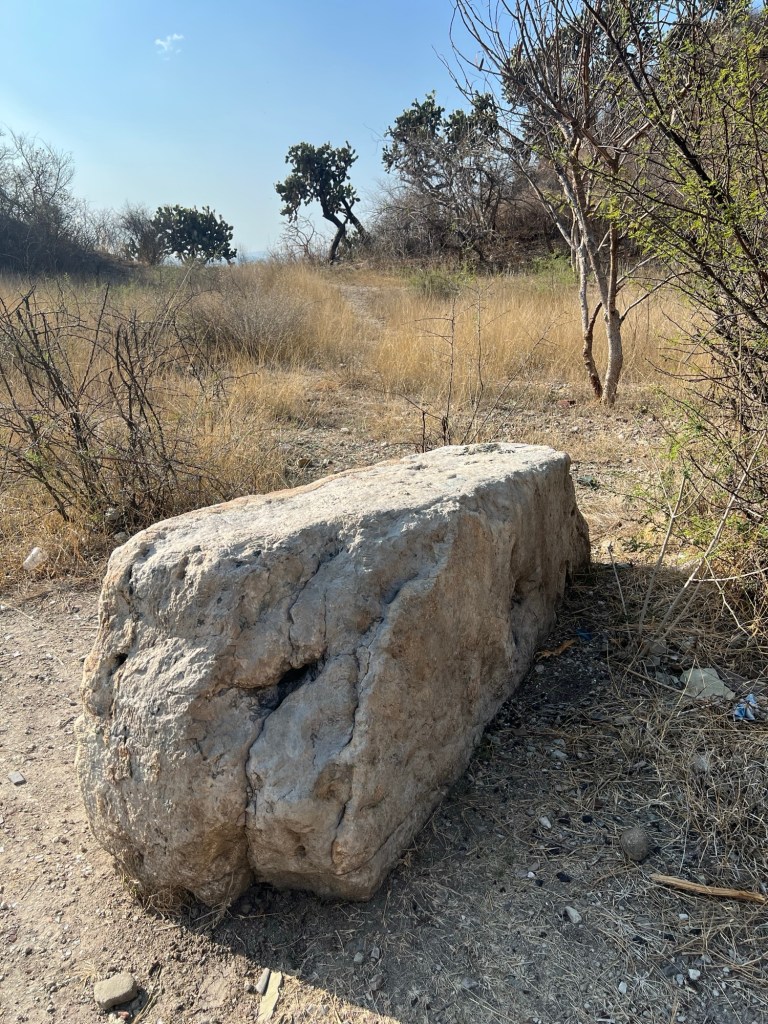
A site that dates from the Monte Alban I (250-500 BC) inhabitants from Etla and pilgrims from other villages would still come to this date to venerate, make petitions and sacrifices to the sacred serpent carved stone as they ancestors did.
It was strategically located to face the four cardinal directions; a ball game and a whole village was also built around the ceremonial site; today only a few stones remains of these ancient city.
This is a true example of syncretism that colonialism couldn’t erase from the collective memory of the true owners of these lands. A church and convent was built, a different name and figure was given for worship; they would still come to make petitions to the ancient stone for a better harvest, for the health of a family member, for that family member that’s overseas.
“The Lord of las Peñitas” is celebrated on fifth Friday of lent, the people, who intuitively follow faithful atavistic way the tradition of venerating this huge rock that has life and who listens to who makes “a petition”. Legend says that the day of the creation God imprinted his footstep on the rock.
This permanence of spirituality in our time of materialism, globalization and neo-liberalism is a true human treasure; Oaxaca remains an intact gem that will continue to remind us of our past, our ancestors, our true origins that shall never be forgotten.
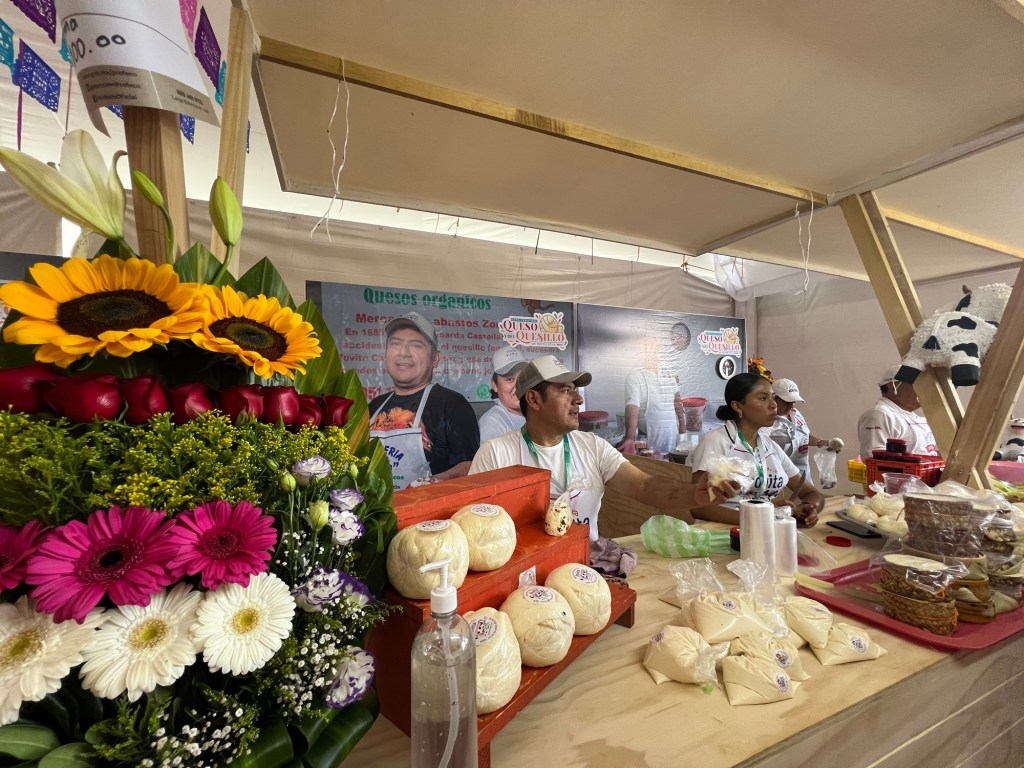
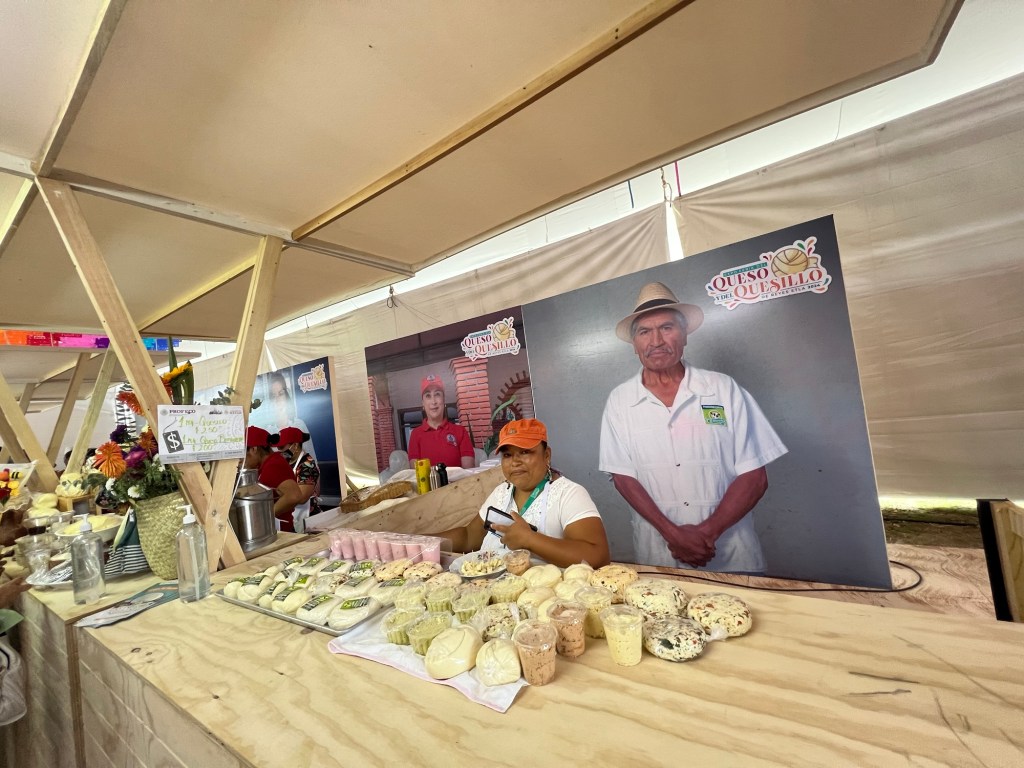
While visiting Reyes Etla, don’t miss the opportunity to buy and savor quesillo, the village where this delicious cheese was accidentally invented. You can find it at any local stall or the market.
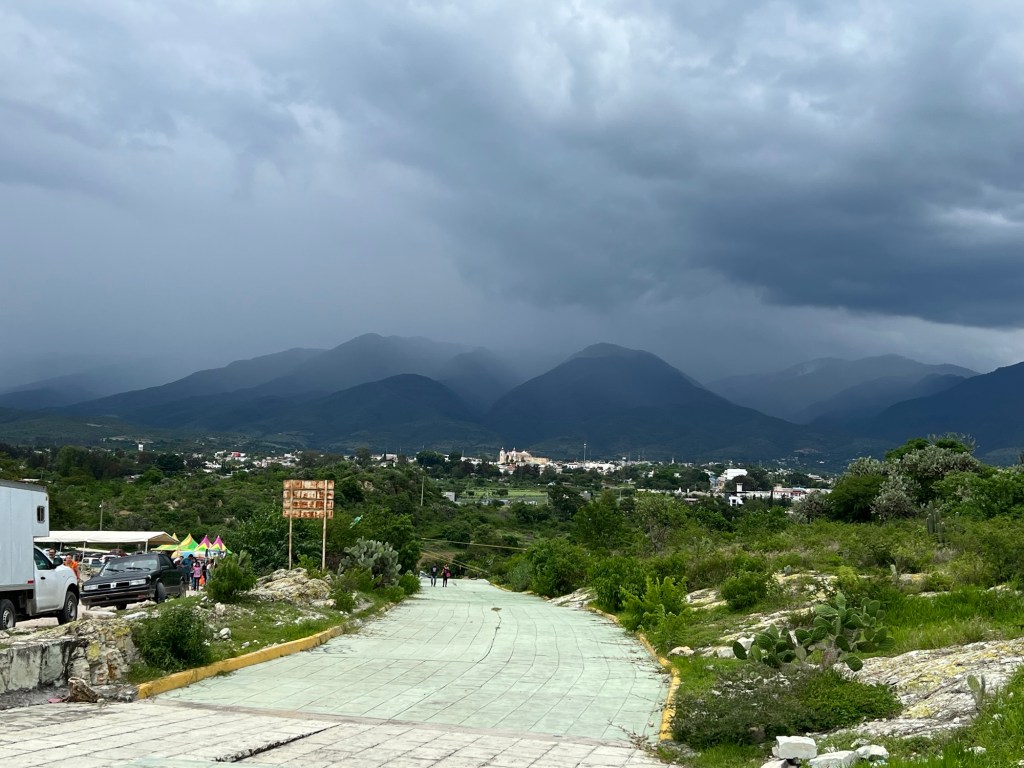
Quesillo stall at the Quesillo Festival in Reyes Etla Quesillo makers during the annual Quesillo Festival Reyes Etla A view of the Etla valley and Villa of Reyes Etla Sanctuary of The Lord of the Rocks (Las Peñitas) and film location of Nacho Libre The sacred serpent stone A rock formation at the base of the hill contains a fossilized footprint, attributed in legend to God or Jesus resting there
The Village of Etla
This is center of all Etlas, known for its historic ex-convent, vibrant Wednesday market with local cheeses and tamales.
It serves as the local government for several other communities and offers a blend of Oaxacan culture, history, and natural beauty, with many nearby accommodations in the surrounding Etla valley.
Founded in the 15th century, centered around the church and former monastery of San Pedro y San Pablo.
The name means “town of the land of beans” mixing Spanish and Nahuatl. “Villa” is from Spanish and means “town”
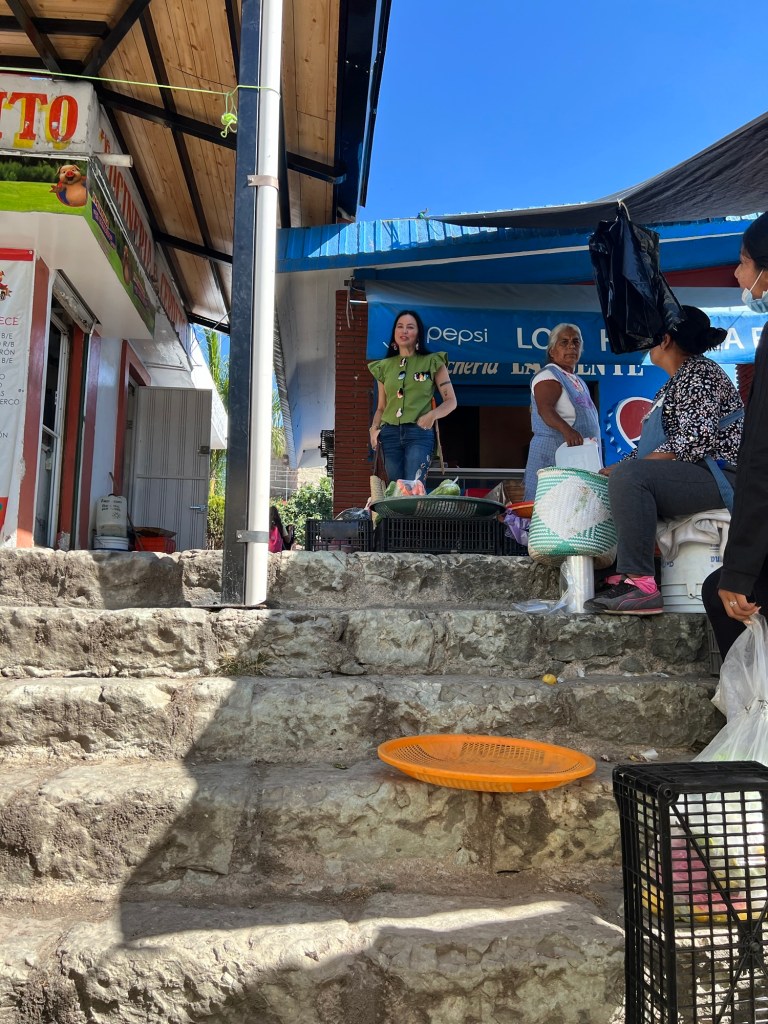
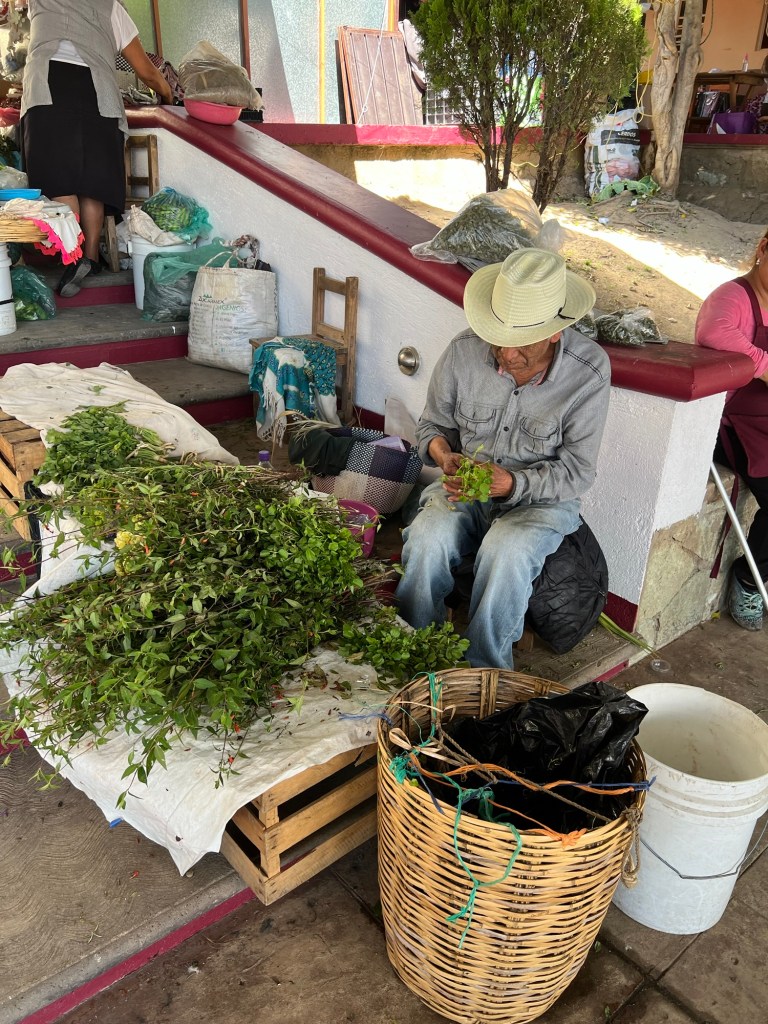
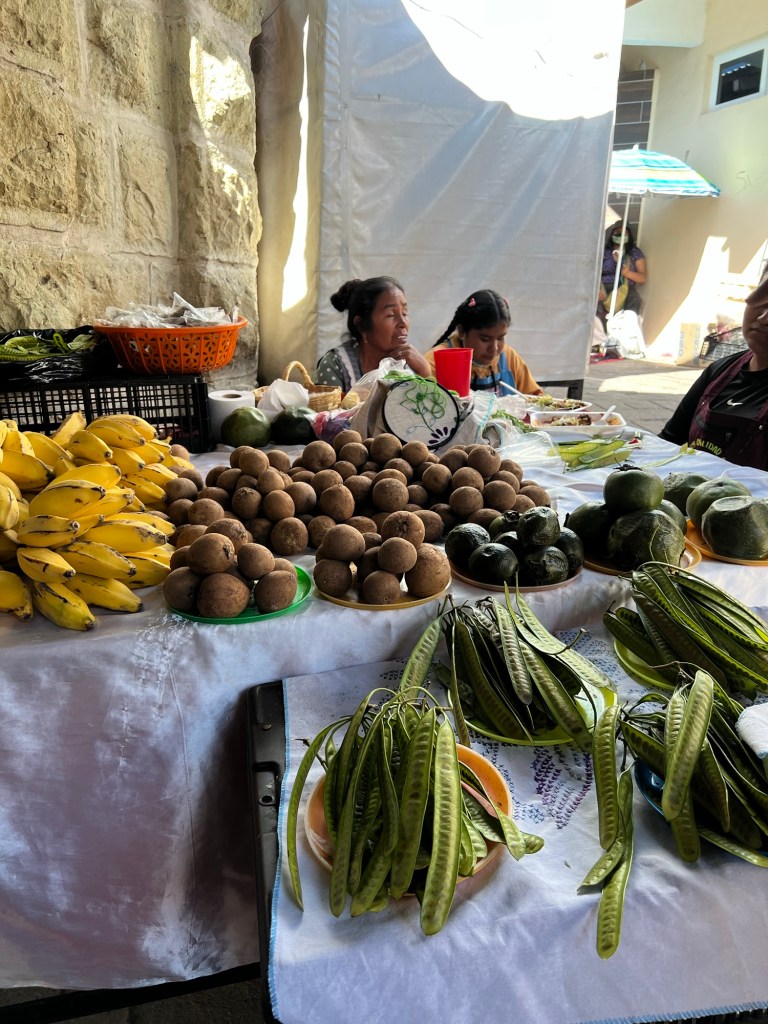
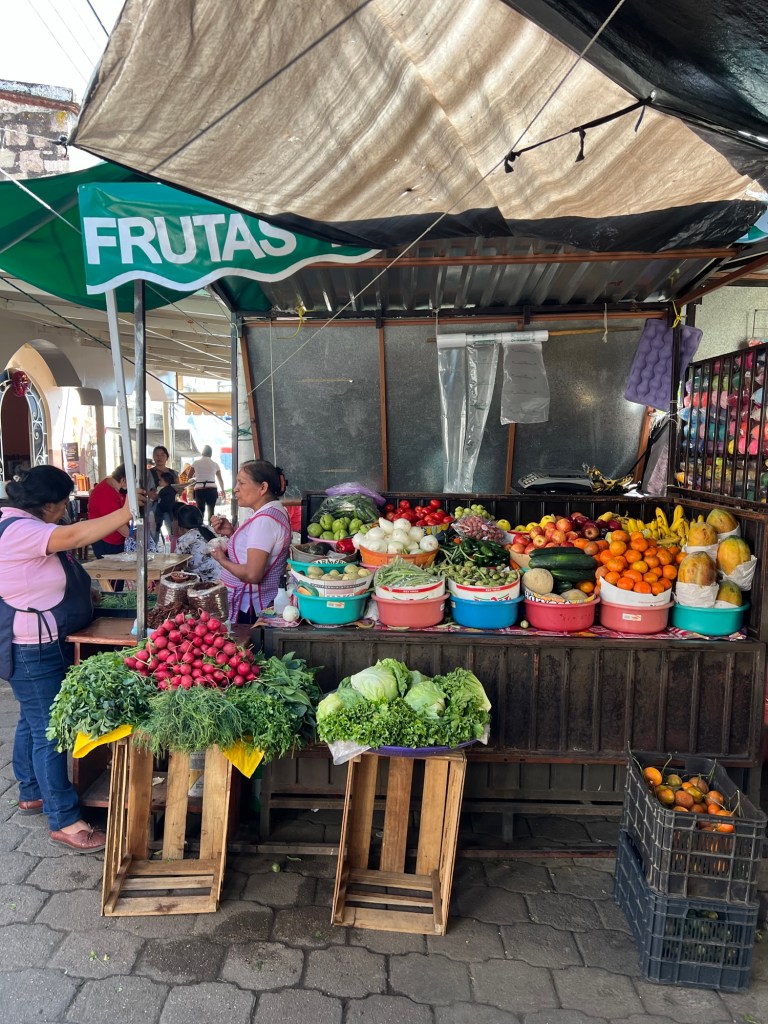
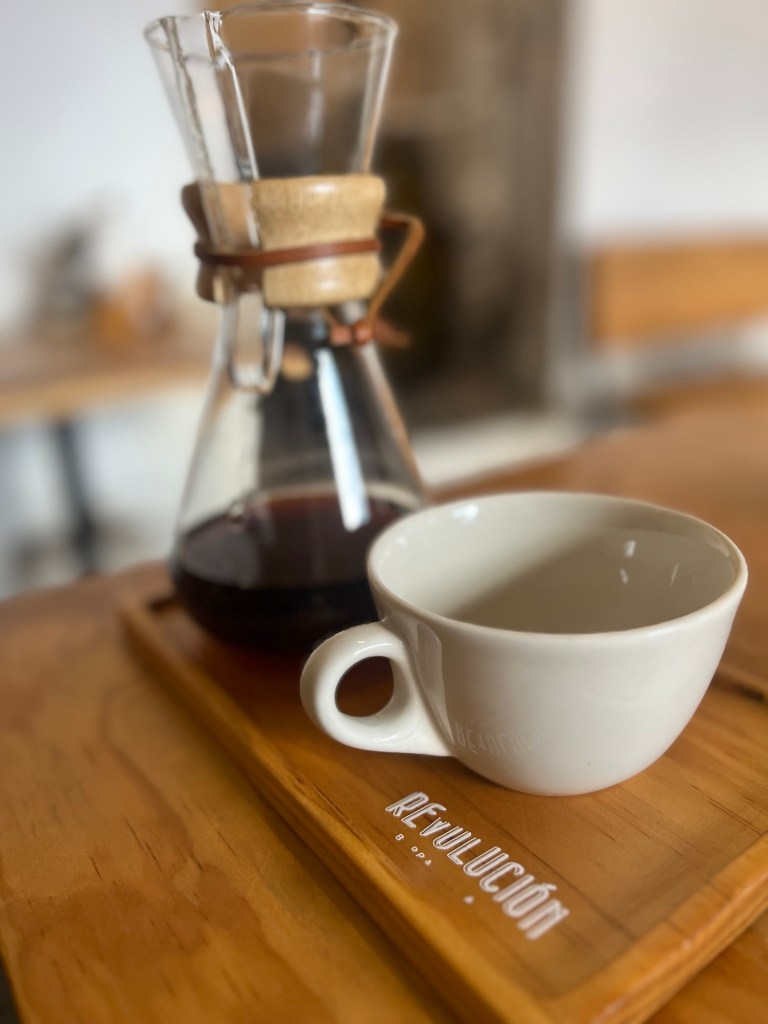
The famous steps at the Etla market, scene where Nacho Libre walked.An herbs vendor at the Wednesday market in the Etla village Local fruits and veggies at the Etla market Produce booth at the Etla market Cafe Revolucion it is one of the staple coffee shops at the village of Etla Gourmet coffee by Cafe Revolucion located at the main plaza in the Etla village
Asuncion Etla
Muerteadas are celebrations during and after Day of the Dead in the Valleys of Etla.
Muerteadas are traditional celebrations during the “Octava” or the 8th day after Day of the Dead such as the popular one in Asunción Etla and many other villages of the Etla valley.
This muerteada is the most anticipated festivity by the entire village called Muerteada La Lallanera proudly organized by a dedicated team of “mayordomos” or community leaders.
On this night, residents dress in costumes adorned with small mirrors and bells. The mirrors are used to scare away the witches and the bells help guide the spirits in the night. The costumes are complete with masks that represent important muerteada figures such as the devil, the dead, the old, the priests and more characters.
Accompanied by various brass bands, they meander through the neighborhood, going from house to house, welcoming the spirits to come out. The festivity turns into an all-night parade that ends around sunrise.
It’s remarkable how many brass bands there are in the entire valley. As Oaxaca is indeed a land of accomplished musicians, certain areas like the Etla Valley are so prolific that they turn these festivities into a truly “battle of the bands.” You have to experience it yourself: the vibrant musicians of a 25-piece band playing together, five to six different bands facing each other, no scripts, no director, just the talent.
Oaxaca is renowned for its unique natural dyes, such as cochineal, which was once considered currency and used by cardinals in their capes and the monarchy. Another notable dye is añil, the famous indigo blue used by Levi’s. These pigments were integral to the textile industry. However, when small textile operations and natural dye production were replaced by massive operations in the East, all these factories were forced to close.
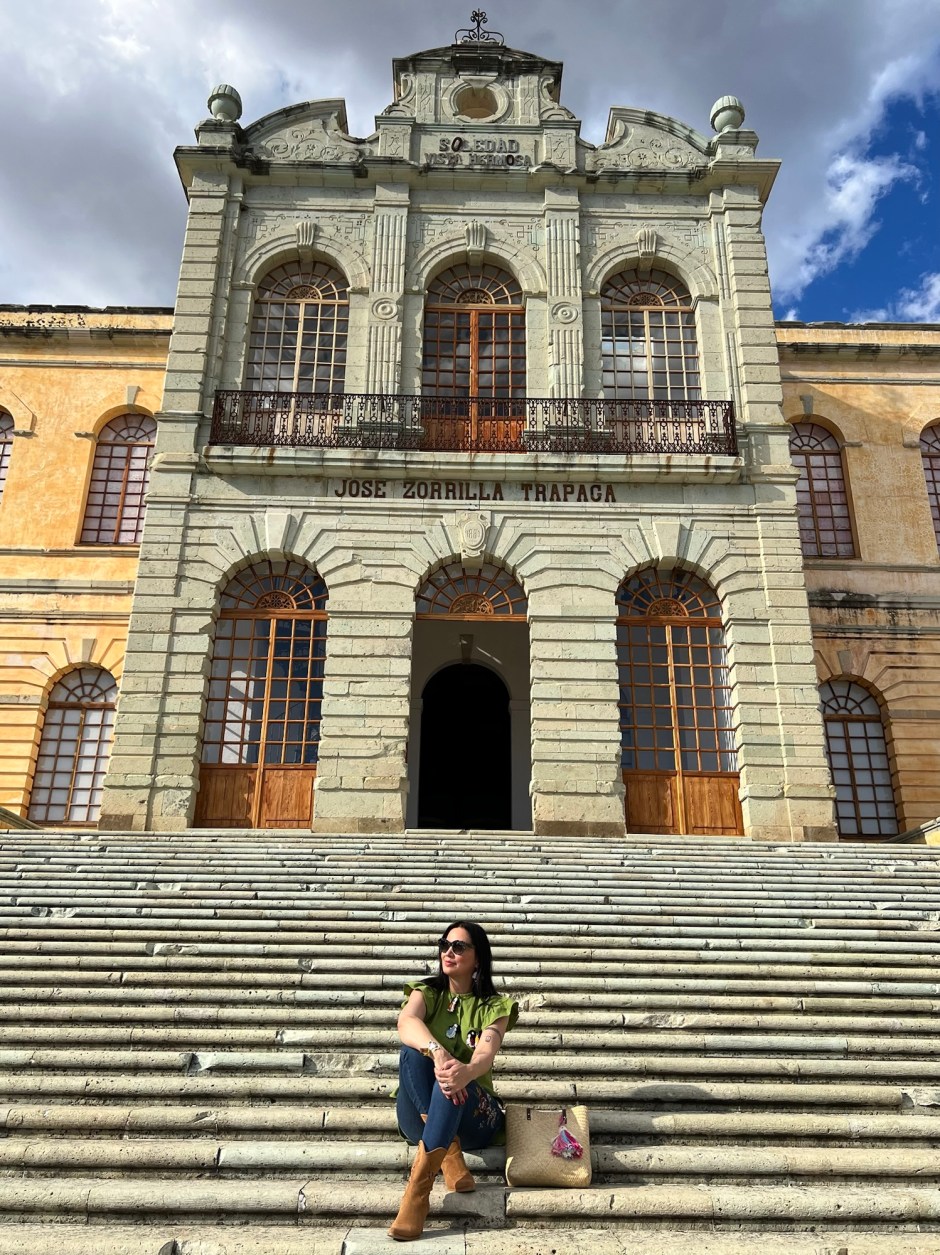
The Fabrica de Hilados y Tejidos La Soledad, established in 1883 in the quaint community of San Agustín Etla, was abandoned less than a century after its inception because of the arrival of chemical produced dyes and mass produced textiles.
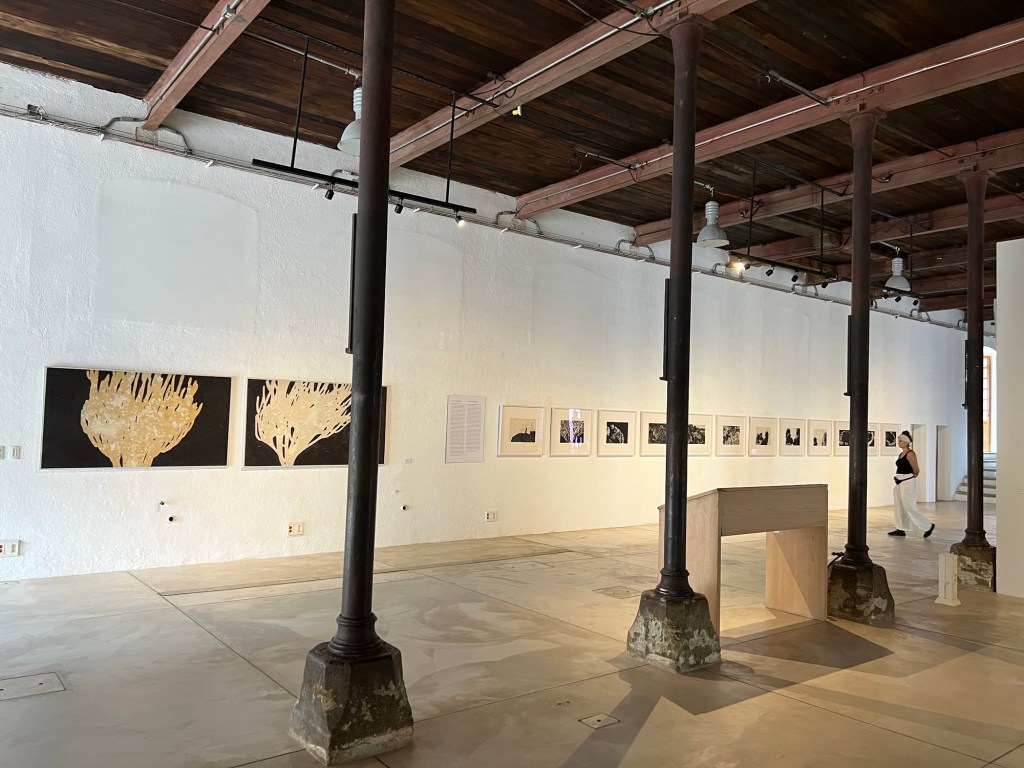
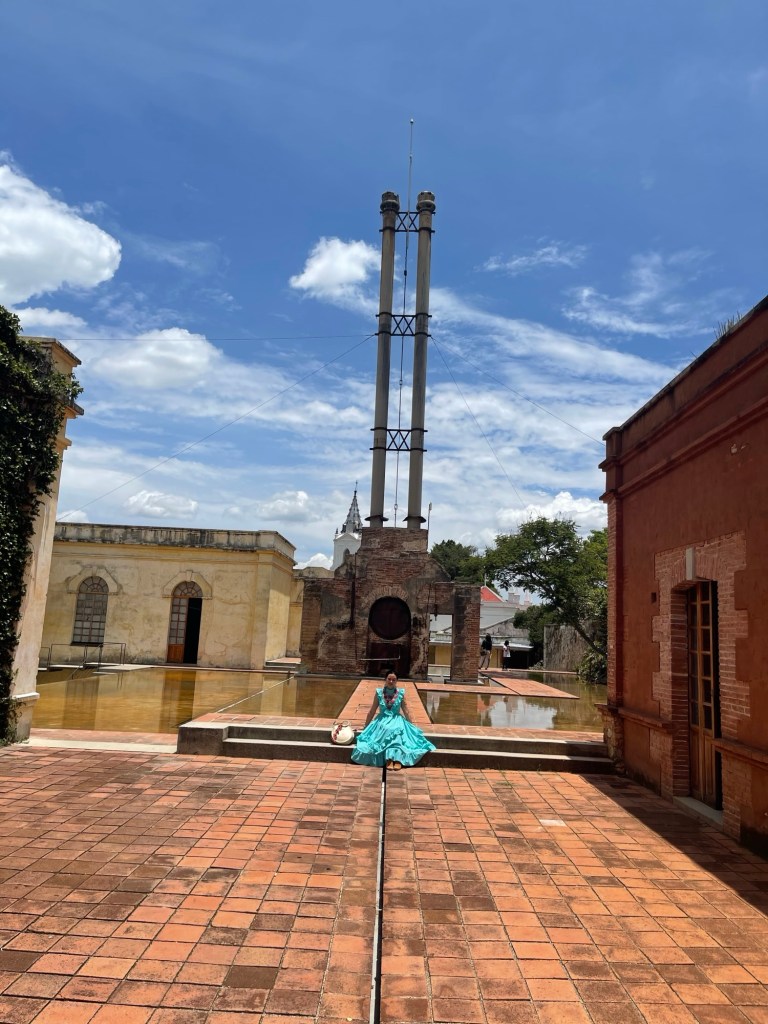
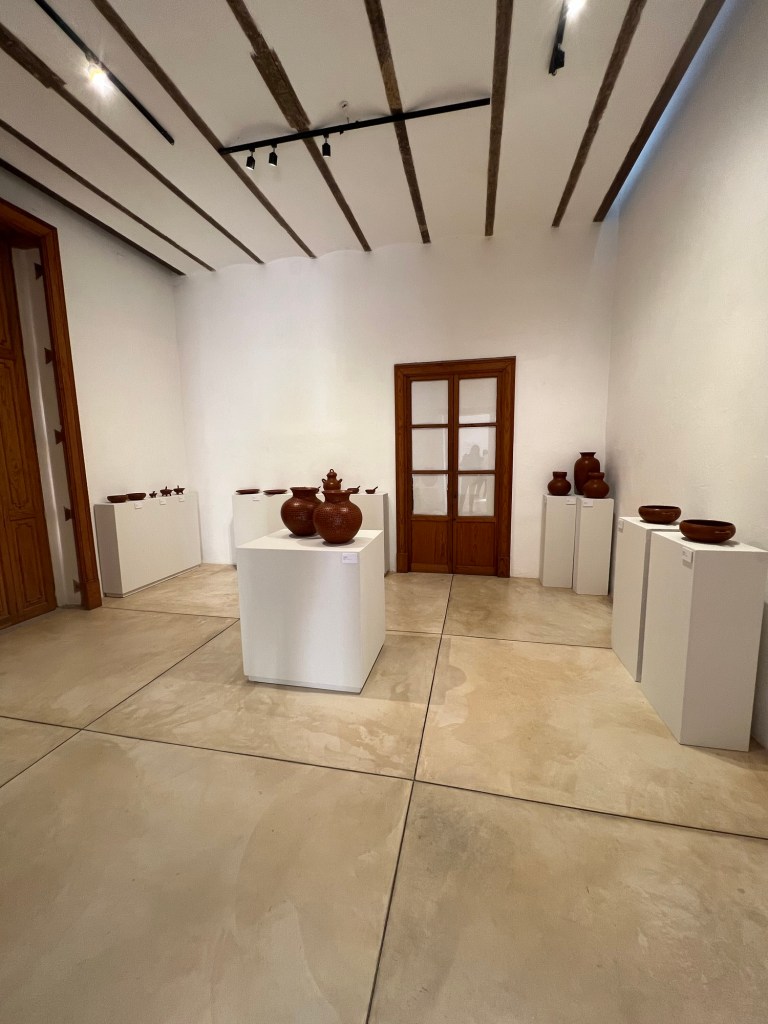
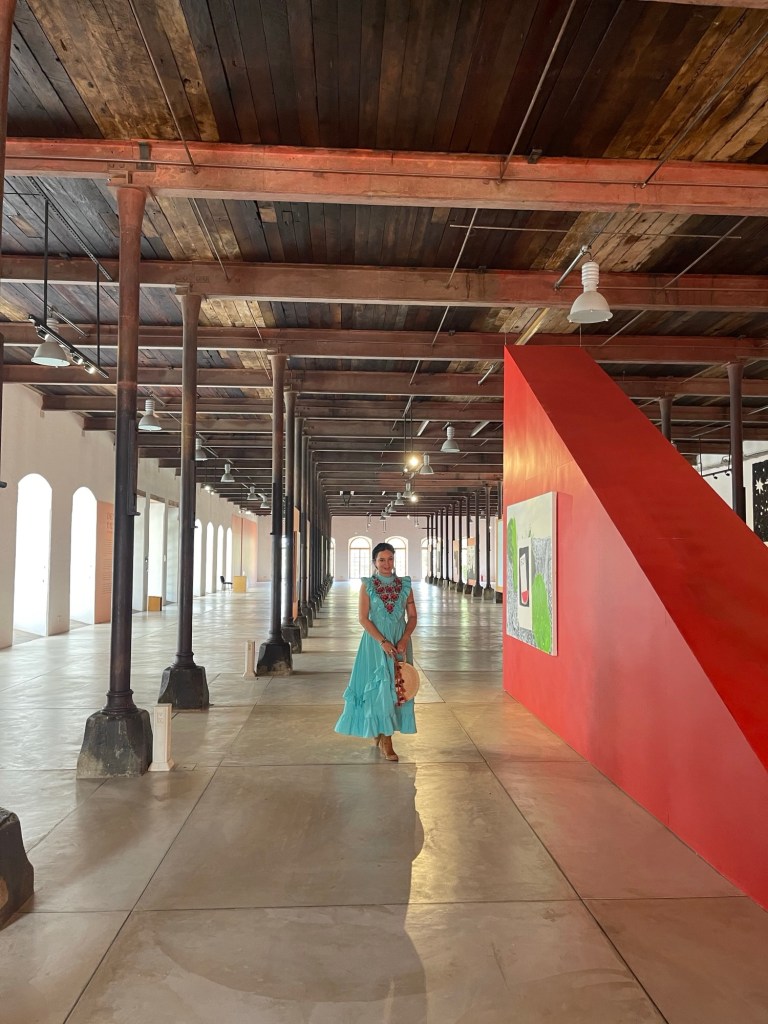
Center for the Art (CaSa) San Agustin Etla todayThe old factory was transformed into a n art center by visionary artist Francisco ToledoThe Church of San Agustin, San Agustin Etla Fabrica de Hilados y Tejidos La Soledad, today San Agustin Arts Center (CaSa) One of the temporary exhibitions at CaSa showcasing clay pottery artisan Macrina of Mujeres del Barro Rojo San Agustin Arts Center (CaSa) They house spaces for interpretative visual art installations and learning.
In 2000, Francisco Toledo, one of the most resilient and prolific Oaxaca visual artists originally from Juchitan, Isthmus of Tehuantepec, initiated a project to transform the dilapidated building into an ecological arts center. This endeavor culminated in the opening of the San Agustin Arts Center (CaSA) in 2006. Today, the complex is adorned with water features, gardens, and remnants of abandoned industrial machinery.
It’s important to acknowledge Francisco Toledo’s legacy and contributions to the preservation of handmade art. He established the recycled paper factory in San Agustin Etla, where artistic paper is crafted from recycled agave byproducts, flowers, plants, maize, beans, and natural dyes. This unique process results in one-of-a-kind artworks including labels for Mezcal brands that want to put the sustainable mark.
References:
Evans, Susan T. (2004). Ancient Mexico and Central America: Archaeology and Culture History. London: Thames and Hudson. ISBN0-500-28440-7
Tras los pasos de los dominicos [Following the footsteps of the Dominicans]. Reforma (in Spanish). Mexico City. December 17, 2006.




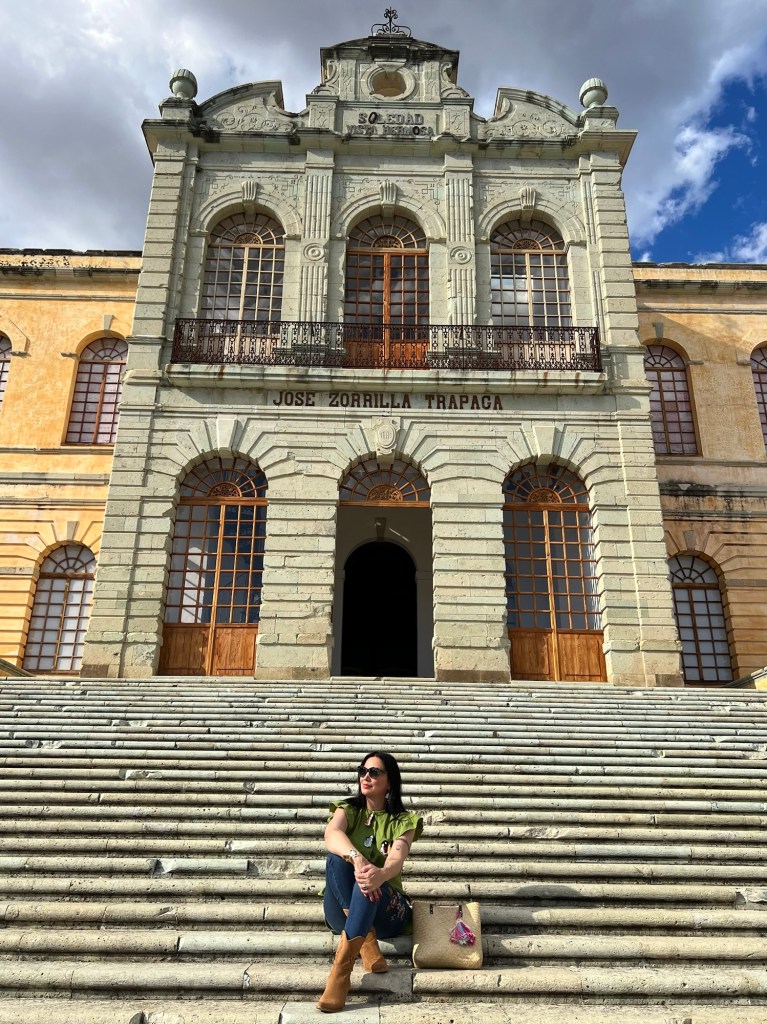
 Montserrat Franco