

Hacienda Guegorene. San Pedro Taviche, District of Ocotlan de Morelos
The Hacienda Guegorene is a historic Estate located in San Pedro Taviche, in the Ocotlán district of Oaxaca, within the Central Valleys, a region deeply tied to the Zapotec culture.
Historical background
Hacienda Guegorene dates back roughly to the late 17th or early 18th century, making it part of the colonial hacienda system that shaped much of rural Oaxaca’s agricultural economy.
The name Guegorene is believed to come from Zapotec linguistic roots, while interpretations vary locally, historians and linguists generally connect the word to Zapotec terms associated with “place of abundance” fertile agricultural land or a place where life grows, or “river of blood” because of the red color of the copal trees that surrounds the land.
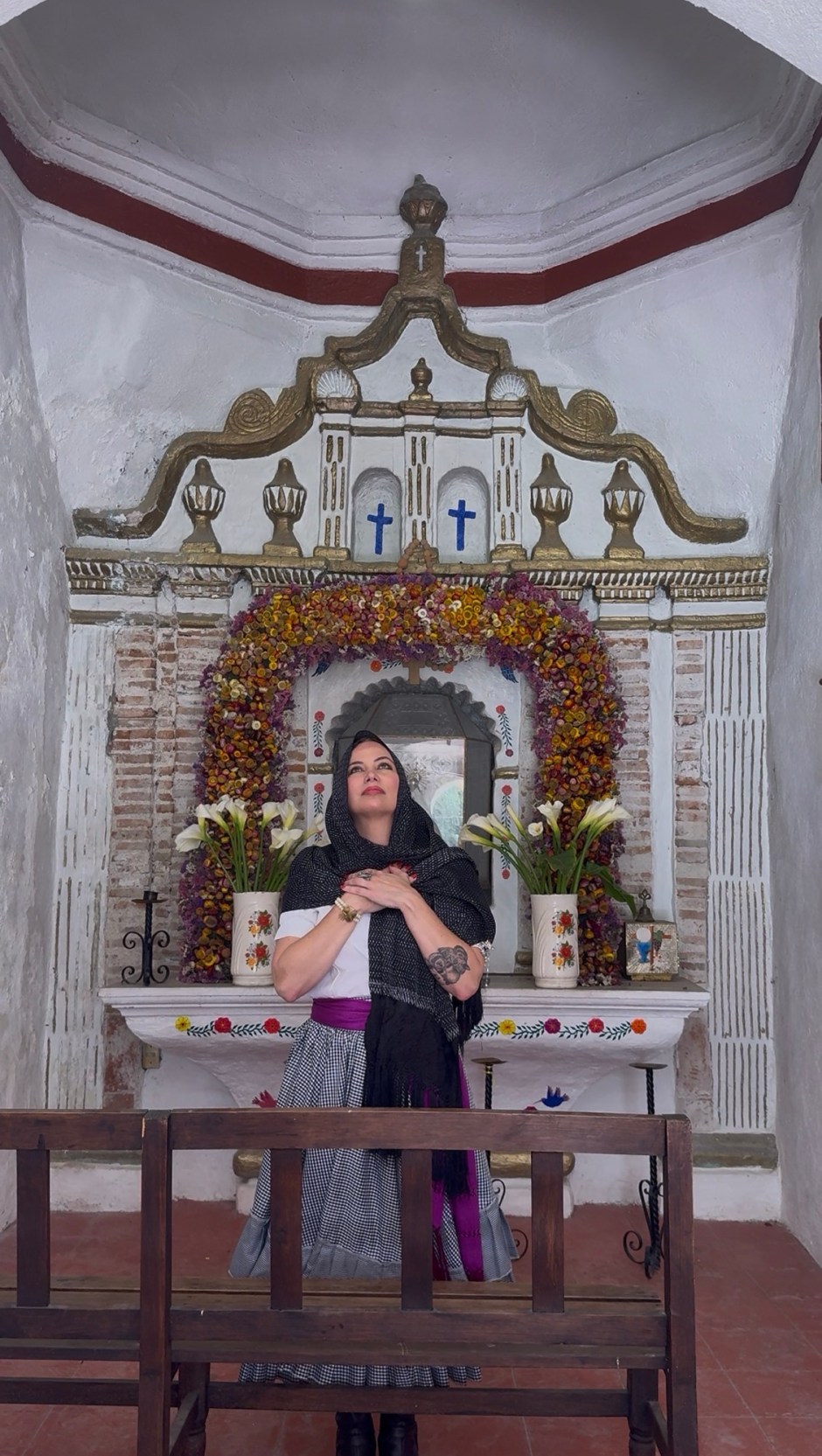
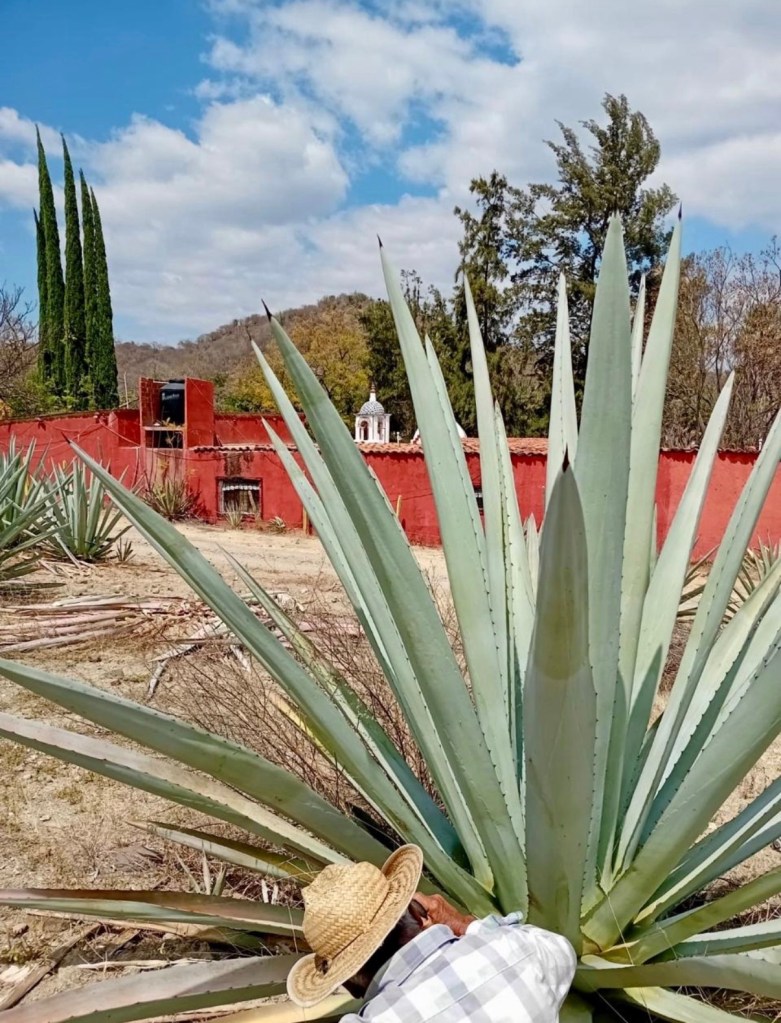
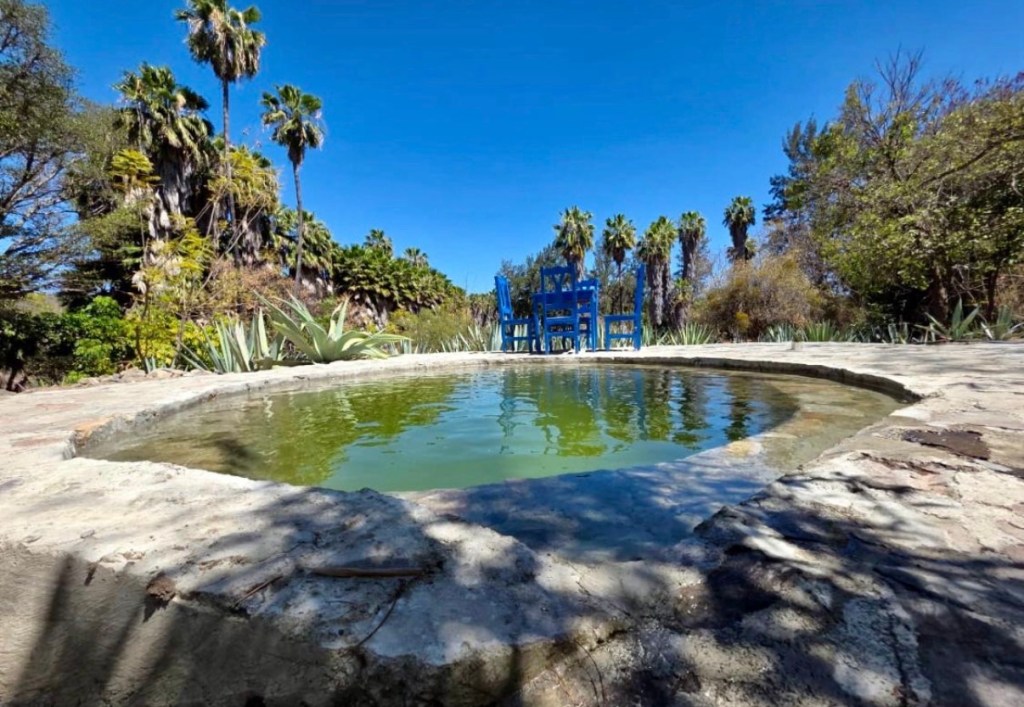
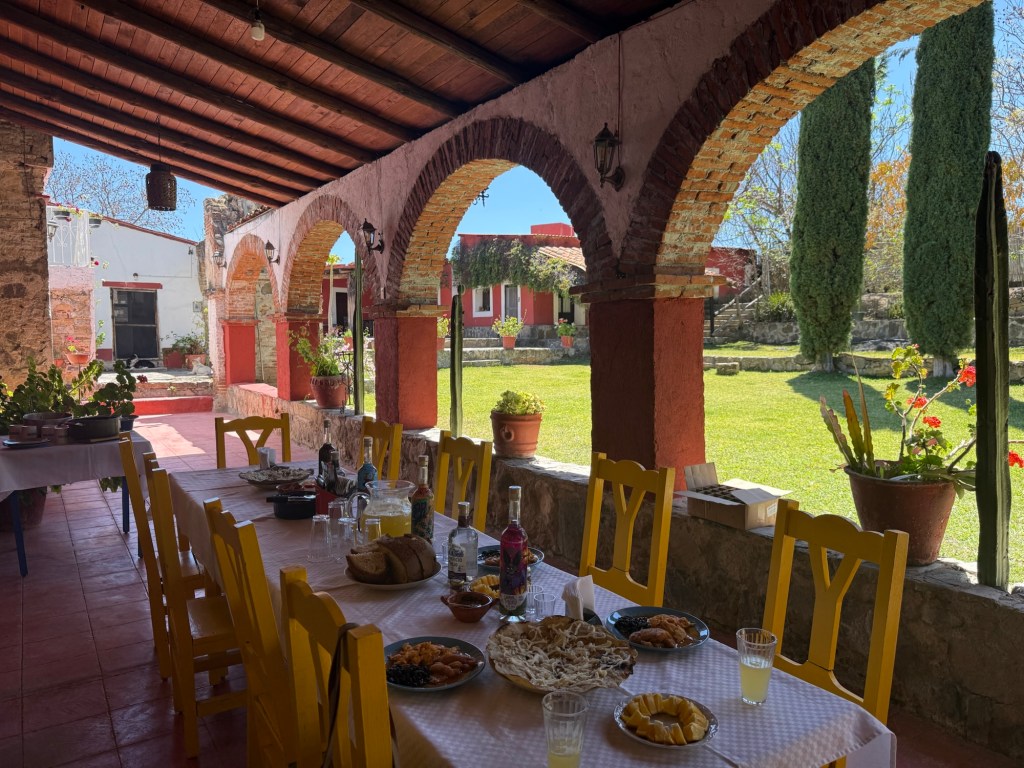
The architecture reflects classic colonial hacienda design, with a central fountain and gardens, large corridors with arches, an estate chapel, surrounding agricultural lands.
Mining in the Taviche, Ocotlan areas
Mining in the Taviche area dates back to the 19th century. By the late 1800s and early 1900s, many deposits of silver and gold were already being exploited in the Taviche mining district, including areas around San Pedro and San Jerónimo Taviche.
Mines were originally operated on a small scale by local haciendas like Guegorene. Later, foreign and national companies became involved in extracting the metals. The area became known as a precious-metal district with multiple underground mines.
Mining slowed down during the Mexican Revolution (around 1910) but resumed again in the 1920s and later decades.
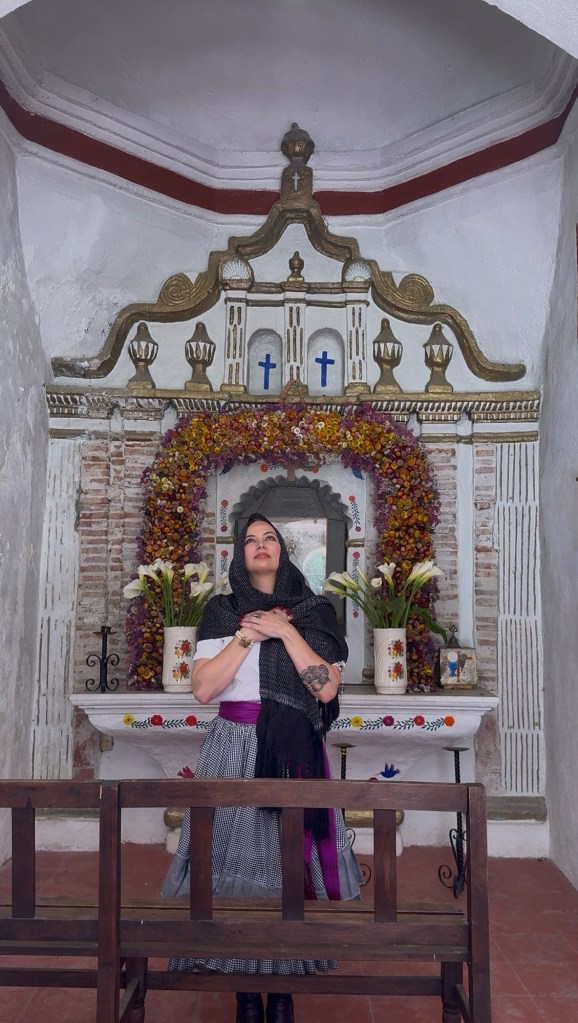
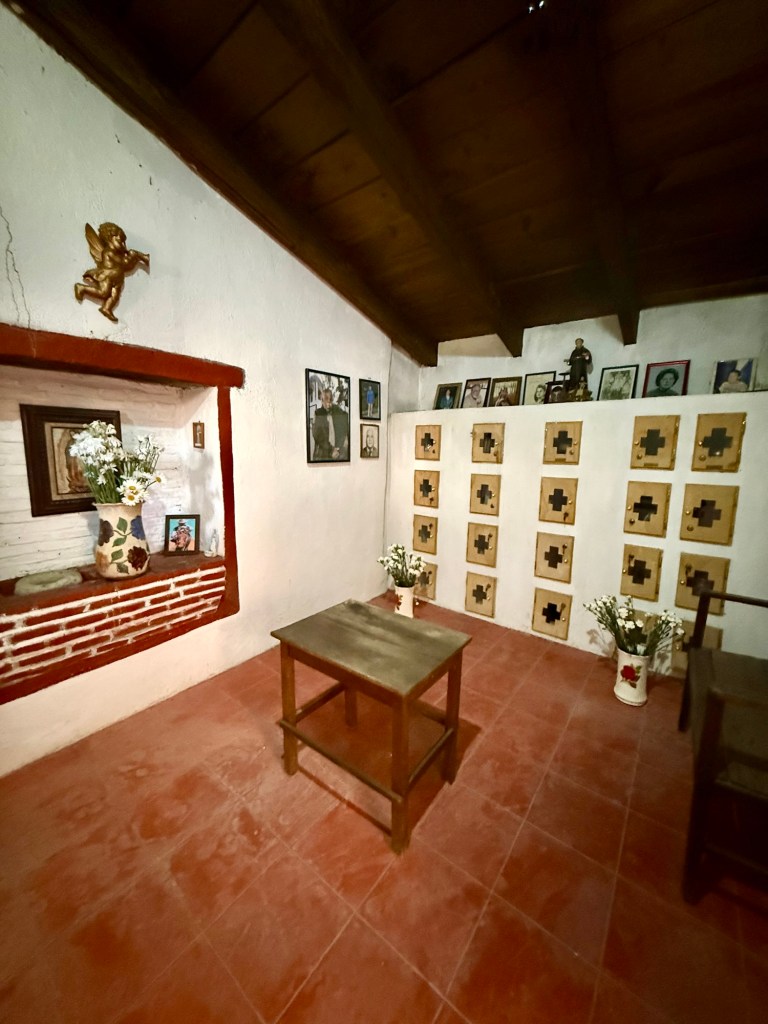
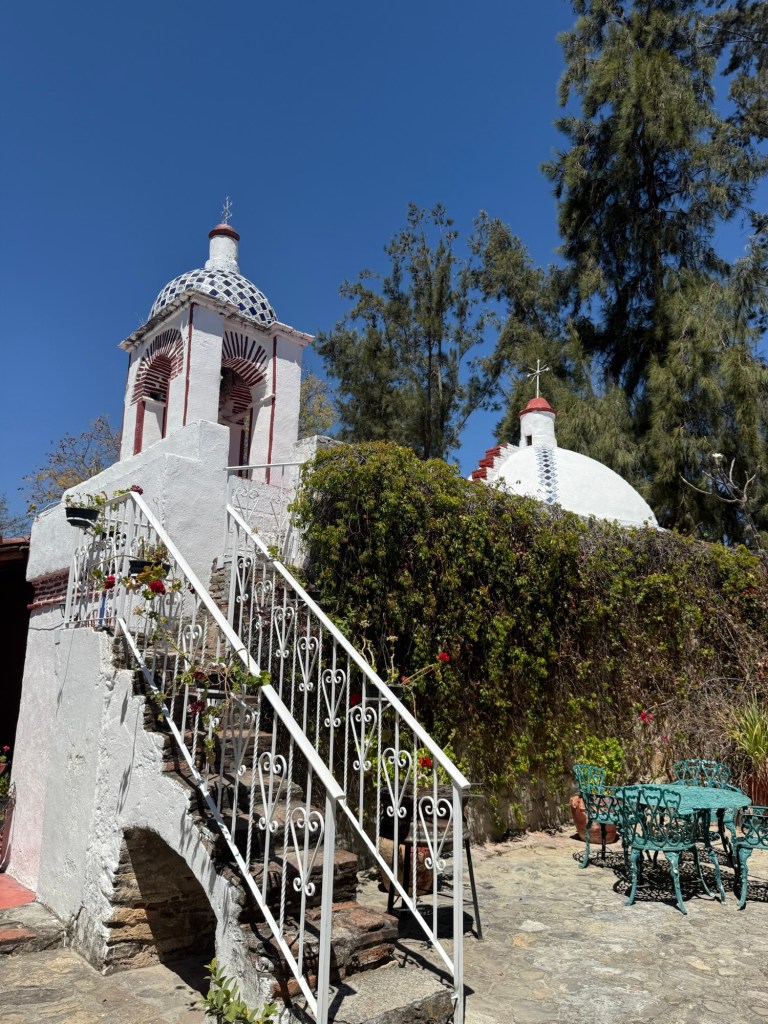
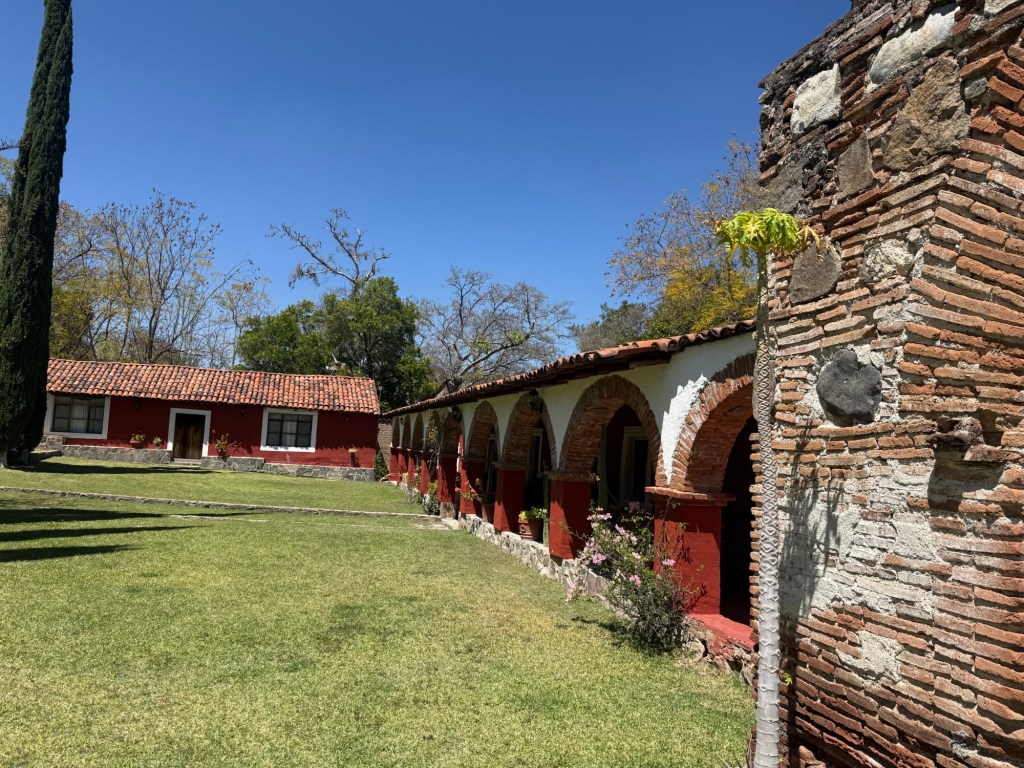
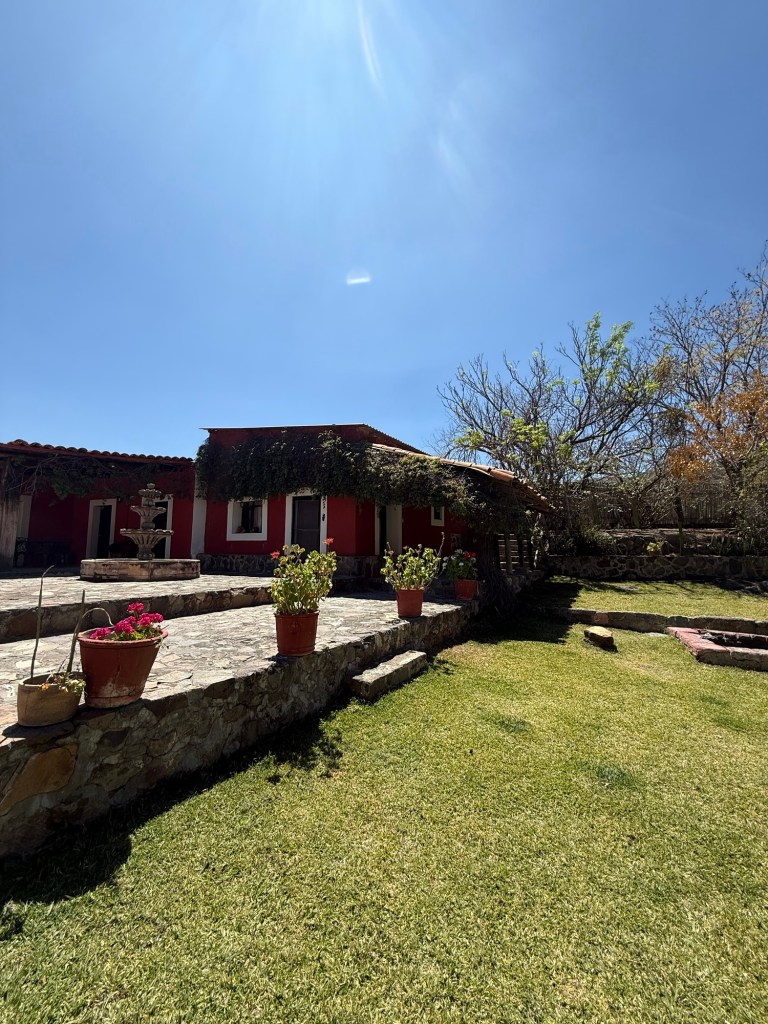
The chapel on the property reportedly contains a Virgin of Juquila image from 1827, showing how the estate also became integrated into the local religious and social life of the community.
The Union of Texan miners and Zapotec women
María Saturnina Jiménez García, of Zapotec descent, was the matriarch who led the operations of the hacienda alongside her Texan husband and son of Frank, the founder: Charles Henry Skidmore.
Dolores Skidmore Jiménez and Carlos Skidmore Jiménez preserved the estate and its agricultural vocation. They had eleven kids.
Today, Eduardo Muñozcano Skidmore, great-grandson of Frank, leads the comprehensive restoration of the historic center and creates the brand Quiéreme Mucho, bringing tradition into the 21st century with a sustainable vision and international outlook.
Sources:
Interview with Eduardo Muñozcano Skidmore , sociologist, descendant of the founders and creator of Quiereme Mucho Mezcal.
Sec.gov archives Fortuna Silver Mines 2021
 Montserrat Franco