

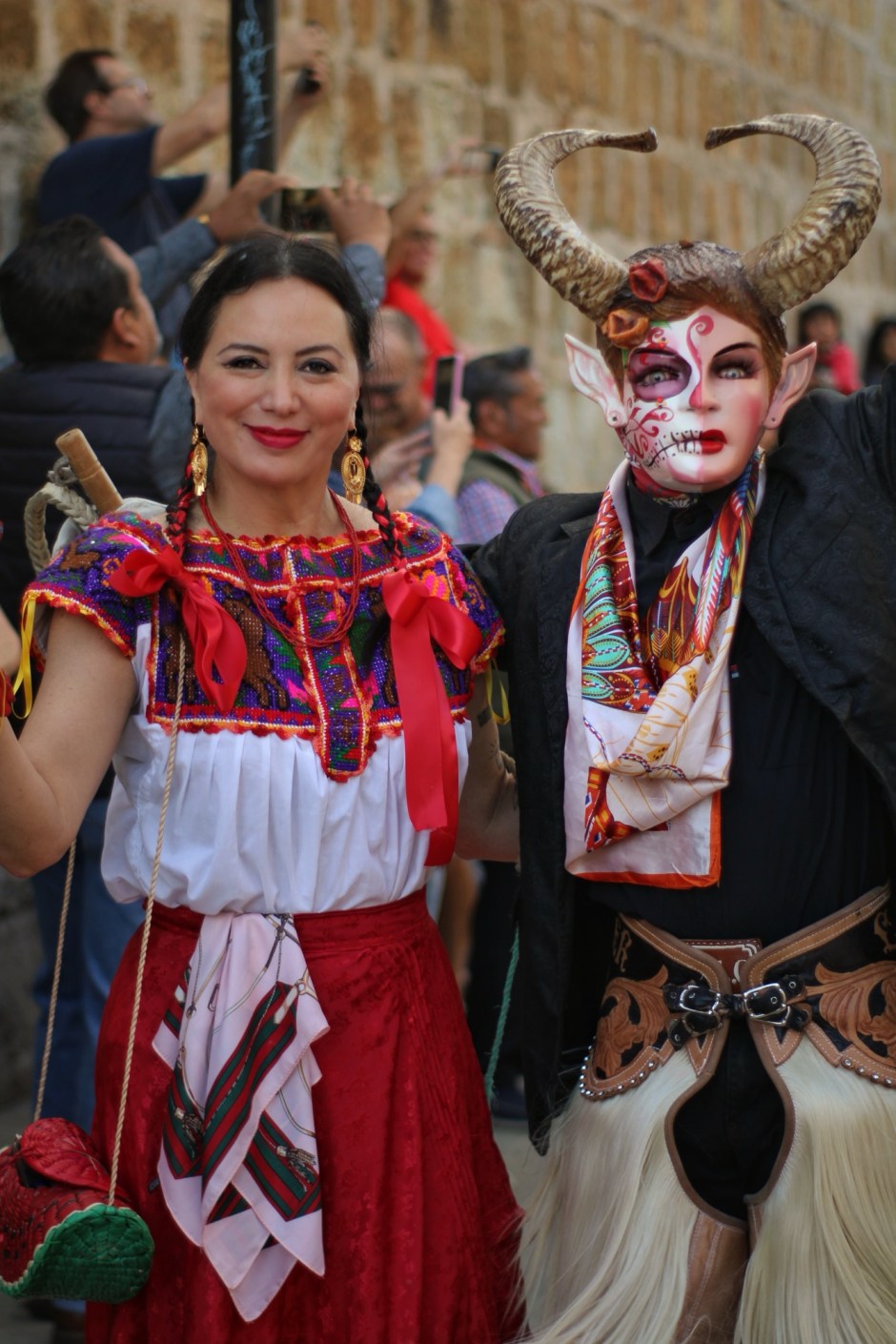
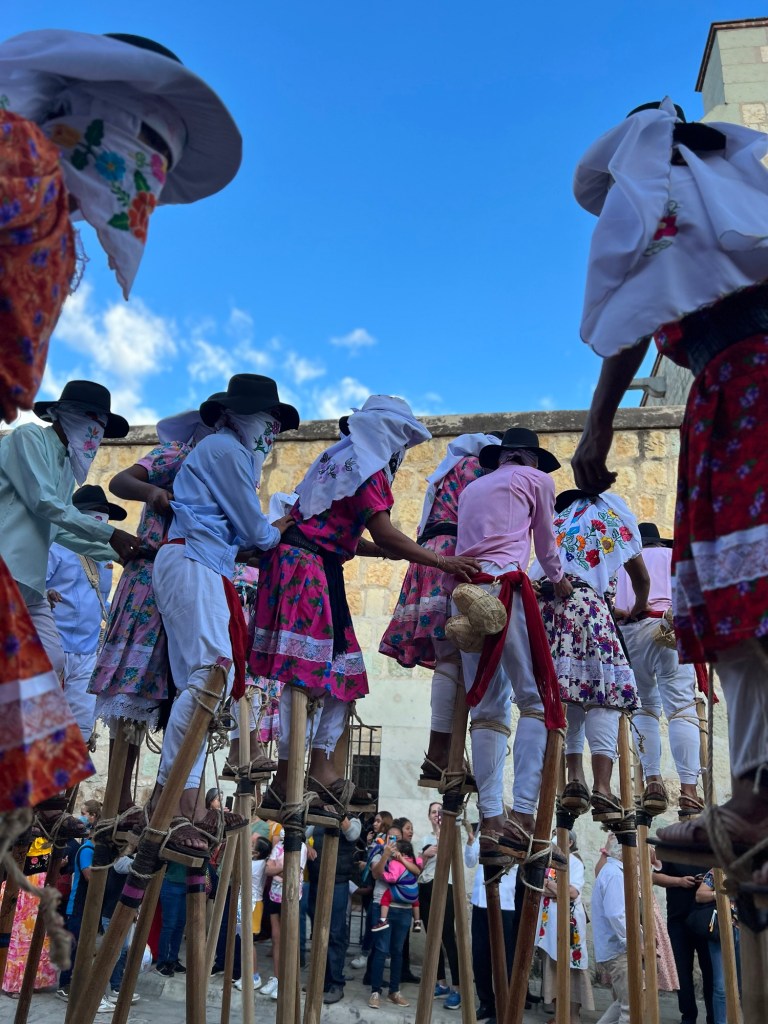
Oaxaca’s carnivals are among the most picturesque and diverse in Mesoamerica, celebrated between February and March before Lent.
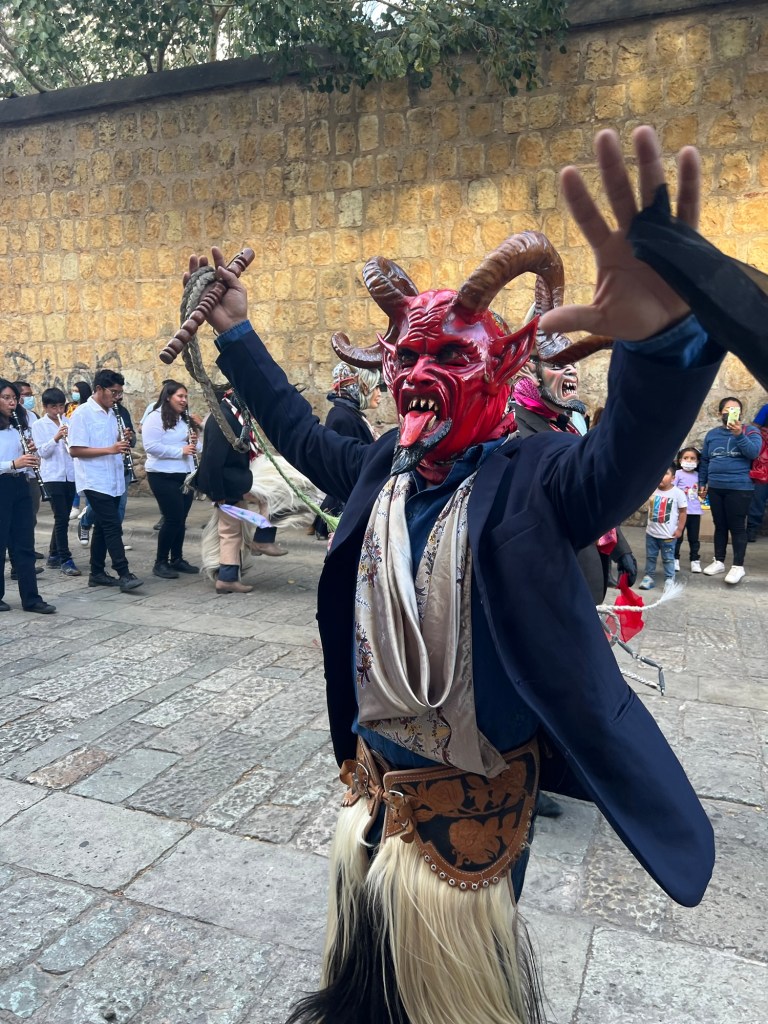
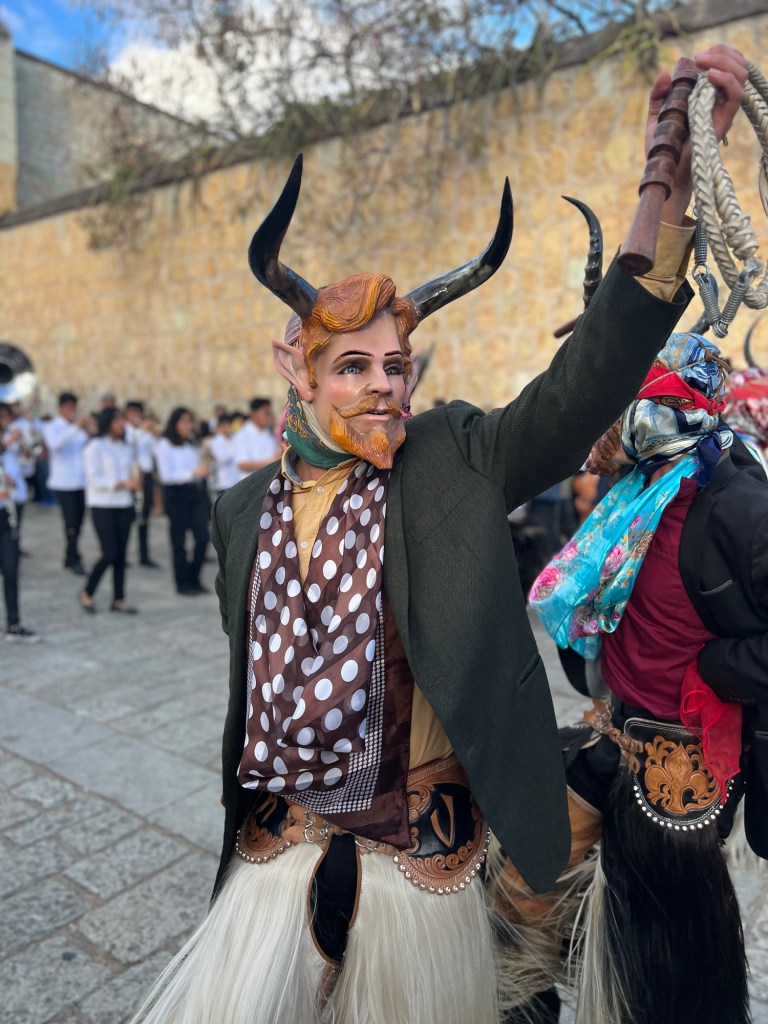
They feature colorful parades, music, and unique characters like the “cachudos” of Santa María Coyotepec, the “diablos pintos” of Santa Catarina Minas, and the devils of Santiago Juxtlahuaca.
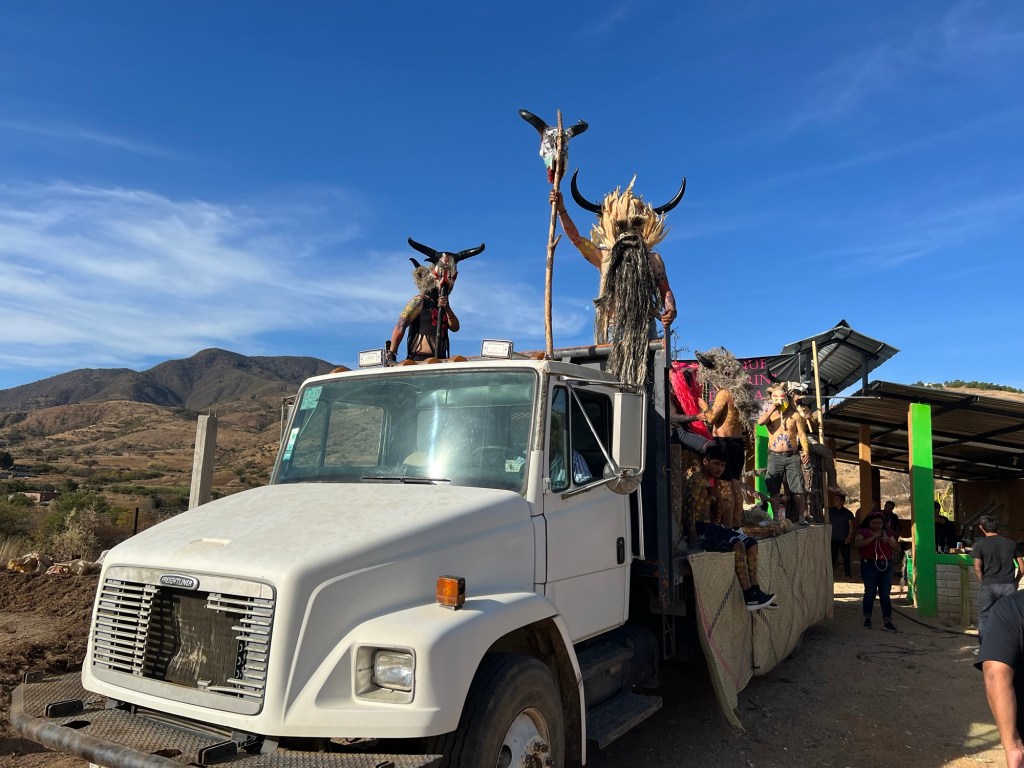
Some of the most iconic carnivals include:
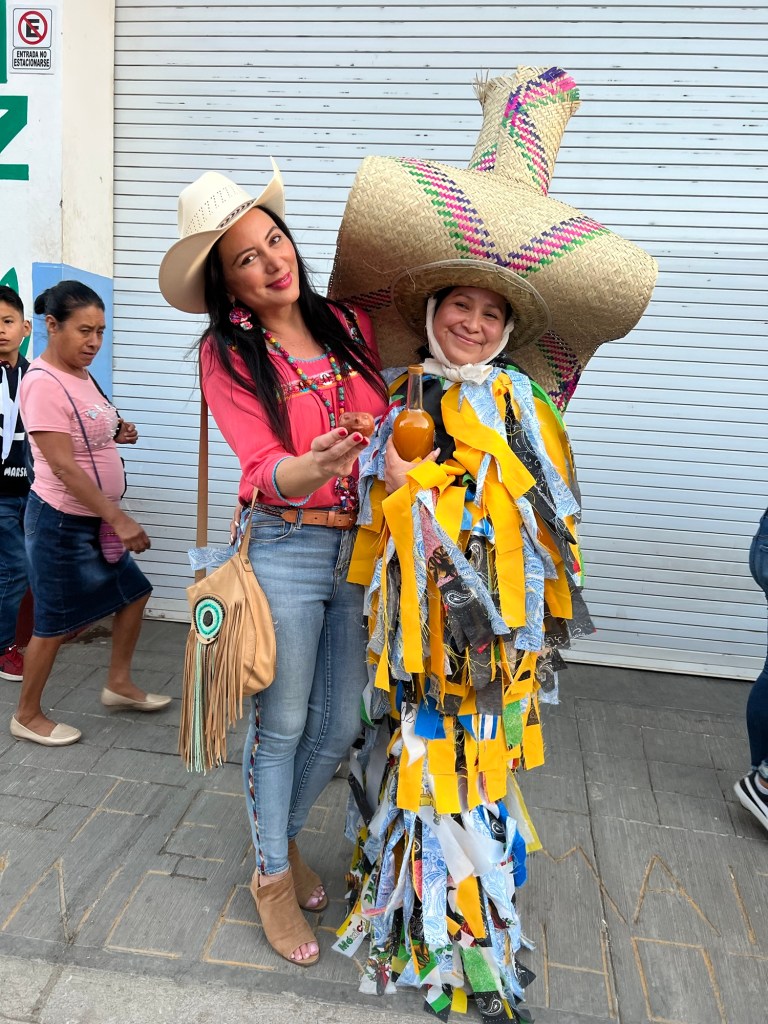
- Putleco Carnival (Putla Villa de Guerrero): Famous for its “tiliches”, characters covered in colorful rags dancing nonstop.
- San Martín Tilcajete: Features oiled-up “diablitos” roaming the streets with bells.
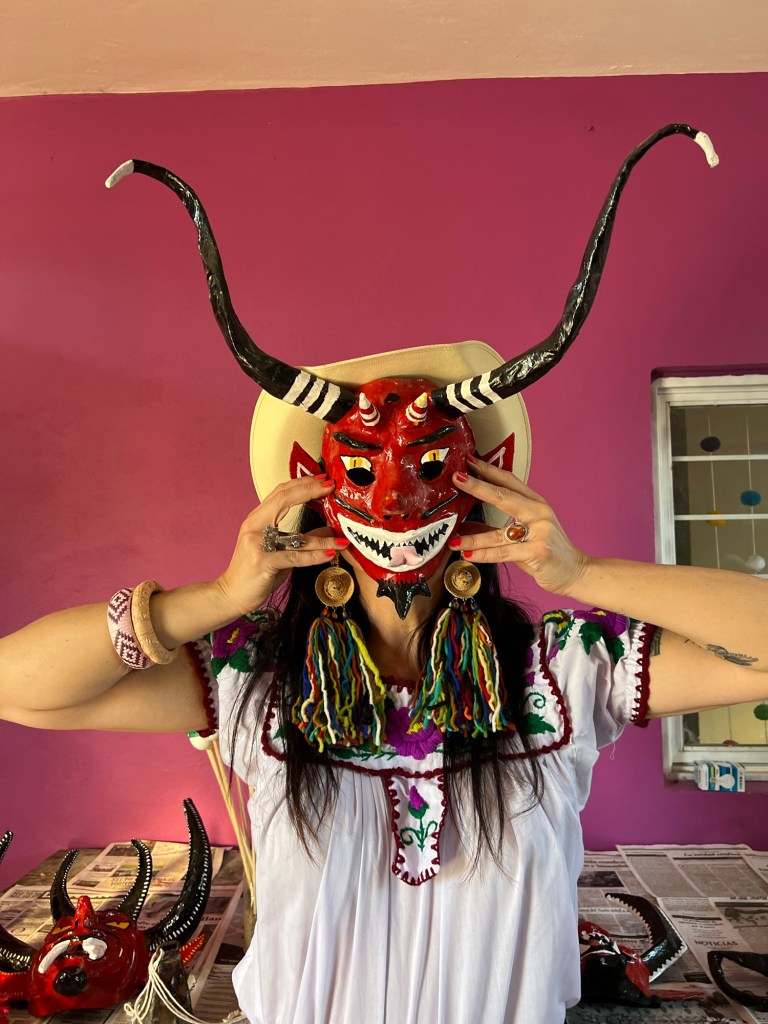
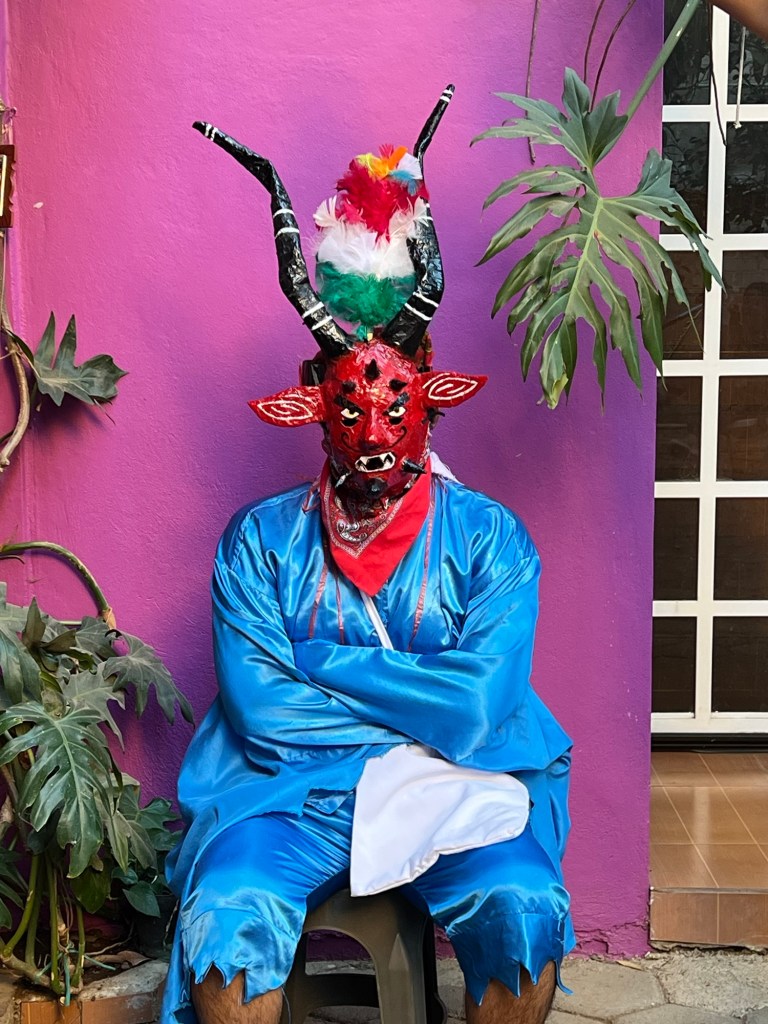
- Villa de Zaachila: Devils and decorated eggs filled with flour are thrown at young women as a courtship gesture. The tradition of devils and love eggs in Zaachila is a vibrant expression of Zapotec culture. On Fat Tuesday, groups dress up as devils with papier-mâché masks, ringing bells to signal the last day for “carnal” or bad deeds before Lent.
The Devils and Love Eggs
Devils carry decorated eggshells filled with baby powder or flour and confetti, breaking them on single ladies’ heads as a sign of interest. These “love eggs” are displayed on embroidered handkerchiefs with love declarations, adding a romantic touch.
Zaachila, the last Zapotec Empire capital, preserves traditions like mask-making, feather art, and embroidery. - Santa Catarina Minas: The story goes that in ancient times, they celebrated “Carnestolendas” on the Tuesday before Ash Wednesday, as a way to “cast out their demons” and give death to carnal desires. It was also the last day to eat meat before Ash Wednesday, when they’d go to receive ashes and observe Lent.
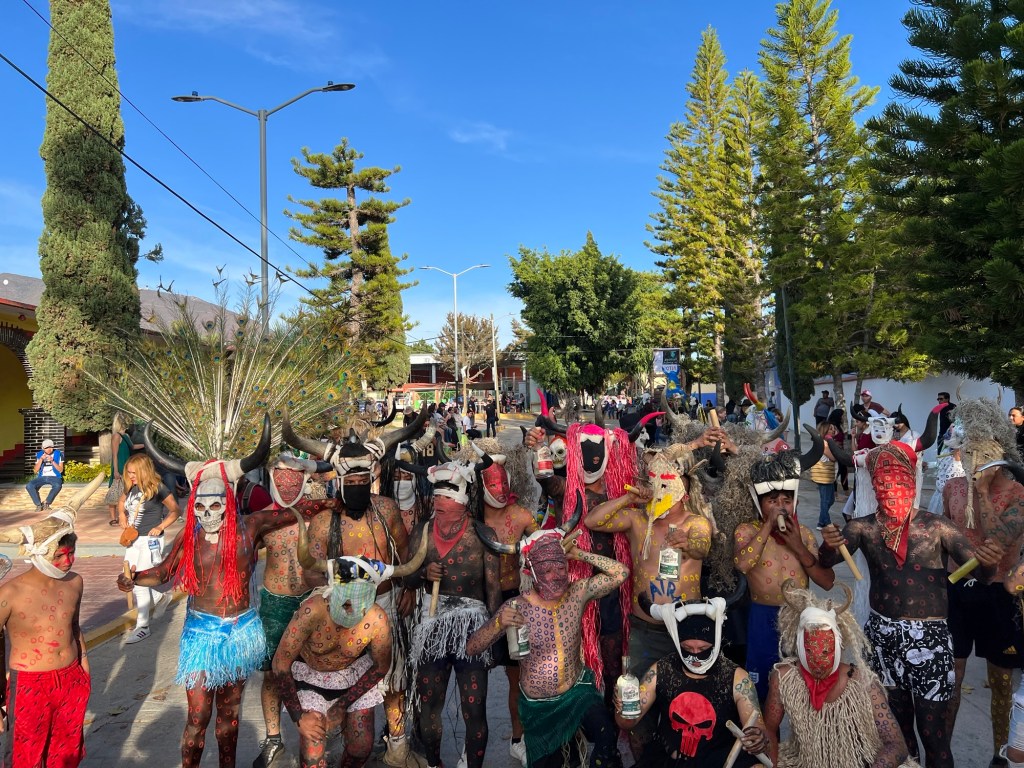
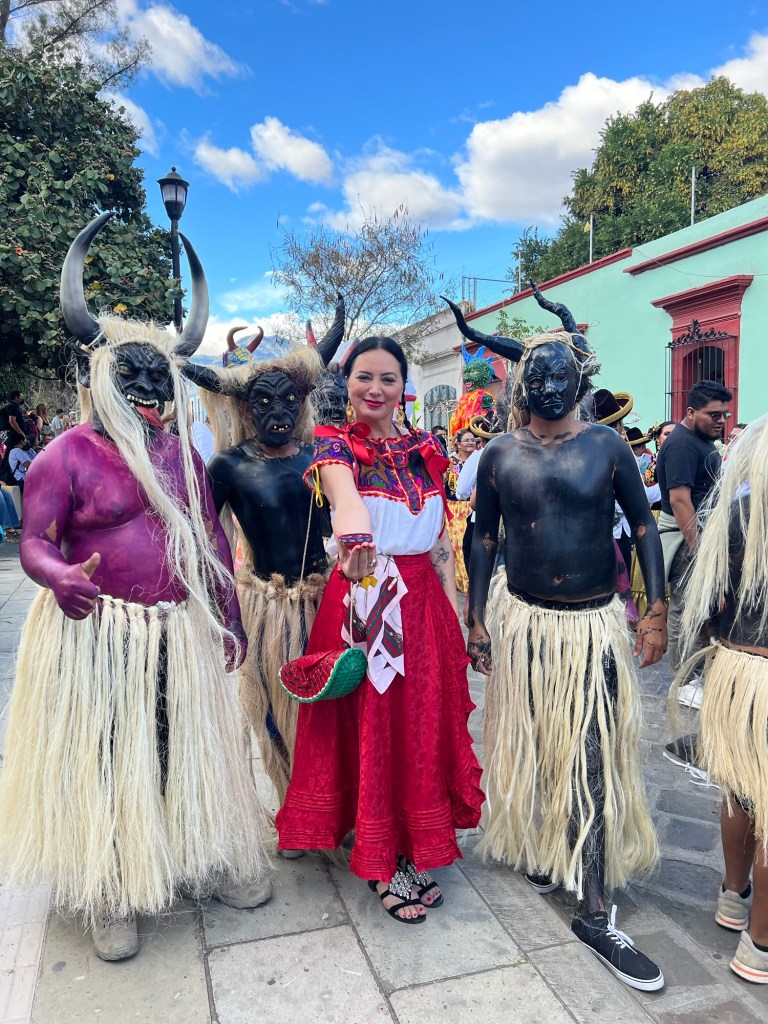
What are the “diablos pintos”
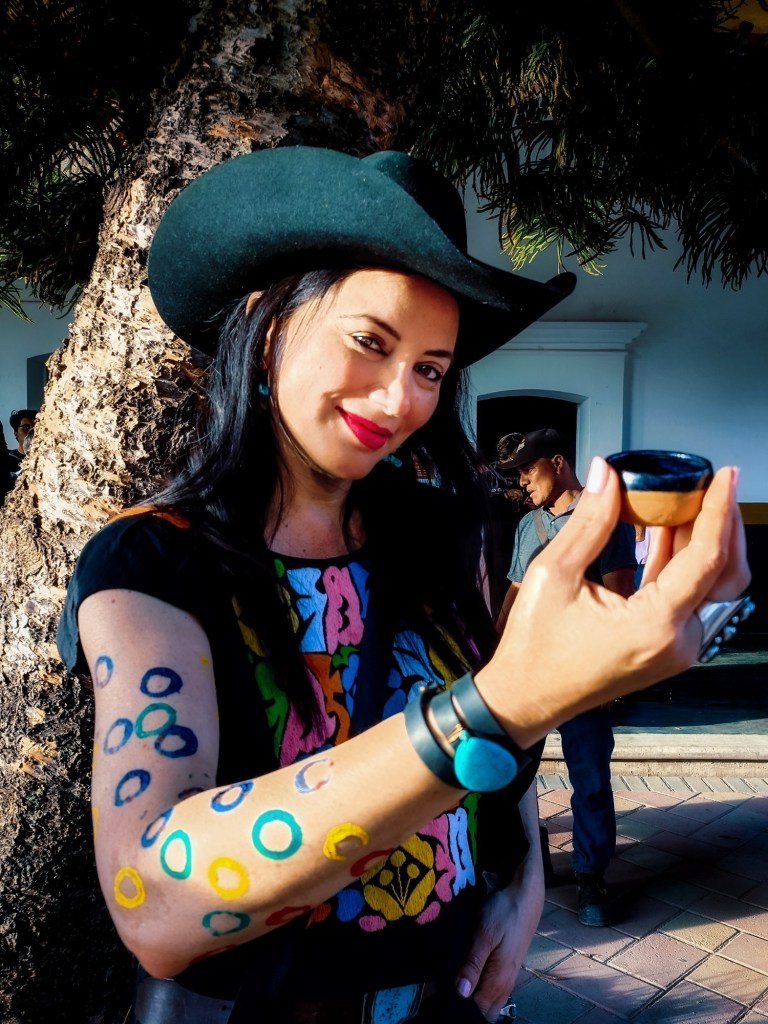
The “pintos” were people who painted their bodies and faces with natural pigments like tizate, apasle, palm, cuernamentas, and animal hides. They’d go out to scare the landowners and rebel, revealing their anger and indignation without being recognized, as their faces were covered or painted.
The tradition
They’d go to the hills to gather these natural pigments and then descend to frighten the authorities, expressing their inner “demons” and purifying themselves before Lent. This ancient tradition was a form of catharsis, releasing tensions and negative emotions before the reflective period of Lent.
It’s fascinating to see how these ancient traditions influence today’s Carnival celebrations in Oaxaca and beyond.
Others include San Bartolo Coyotepec, San Juan Bautista la Raya, Ocotlan de Morelos, Magdalena Teitipac, and San Bartolomé Quialana.
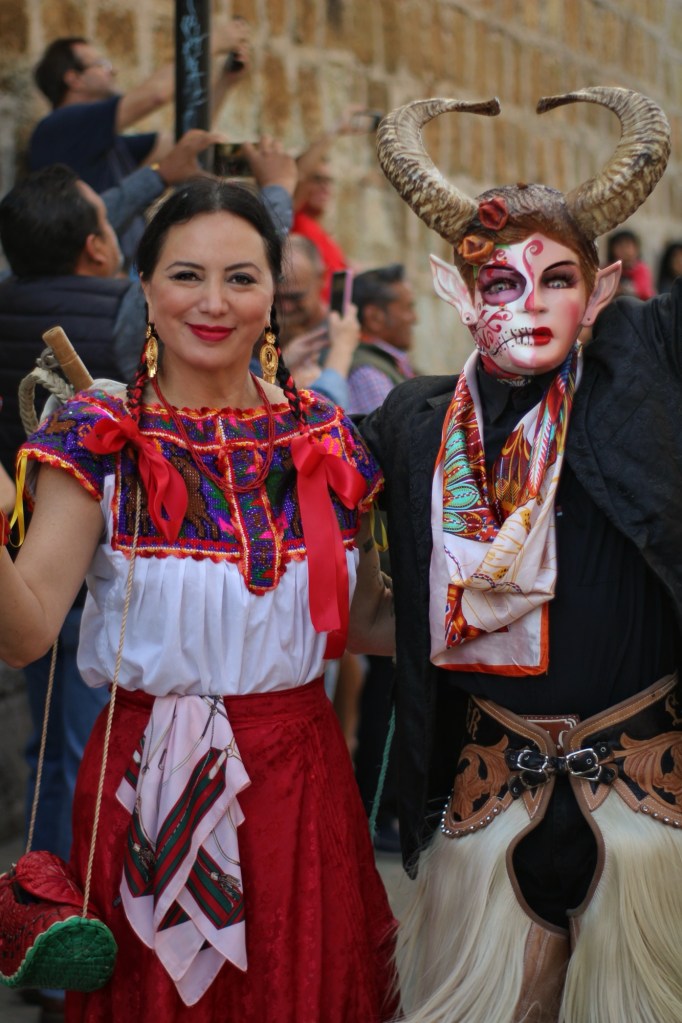
Photo credit: Mayin López
 Montserrat Franco