The Central Valleys of Oaxaca The Etla Valley

“Oaxaca remains an intact gem that will continue to remind us of our past, our ancestors, our true origins that shall never be forgotten.”

You might recognize it if you’ve seen the movie Nacho Libre, or if you’ve tasted the famous quesillo (also known as Queso Oaxaca) or its renowned “muerteadas” that the Etla Valley is famous for, which are celebrated on the eighth day after Day of the Dead.

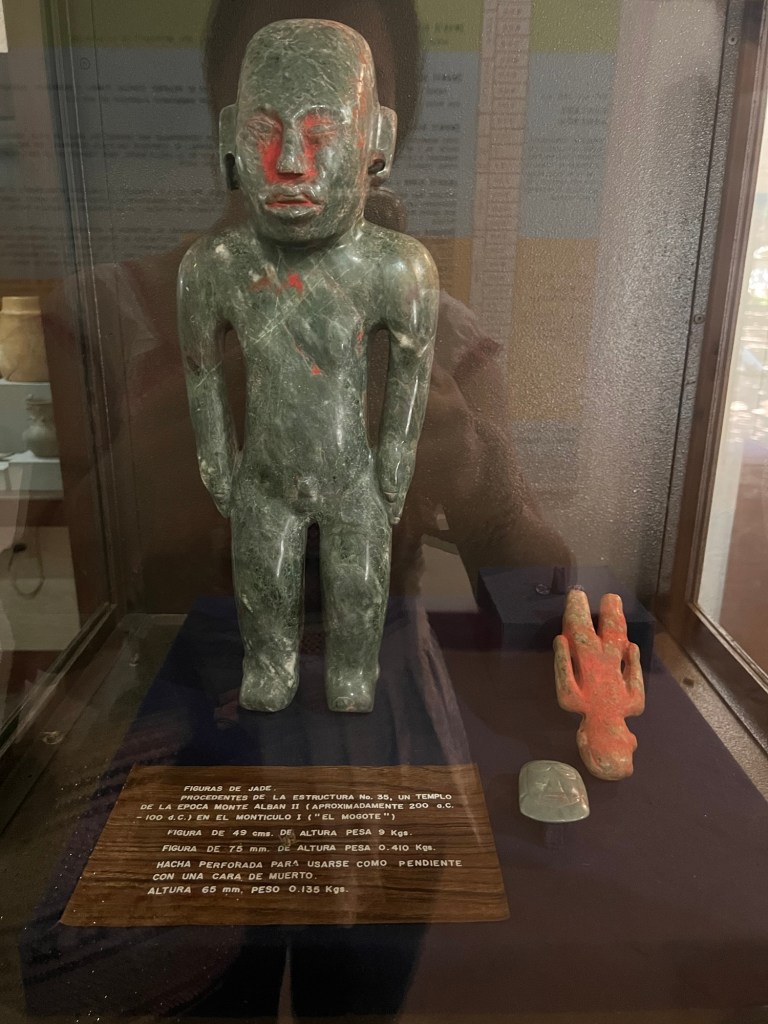
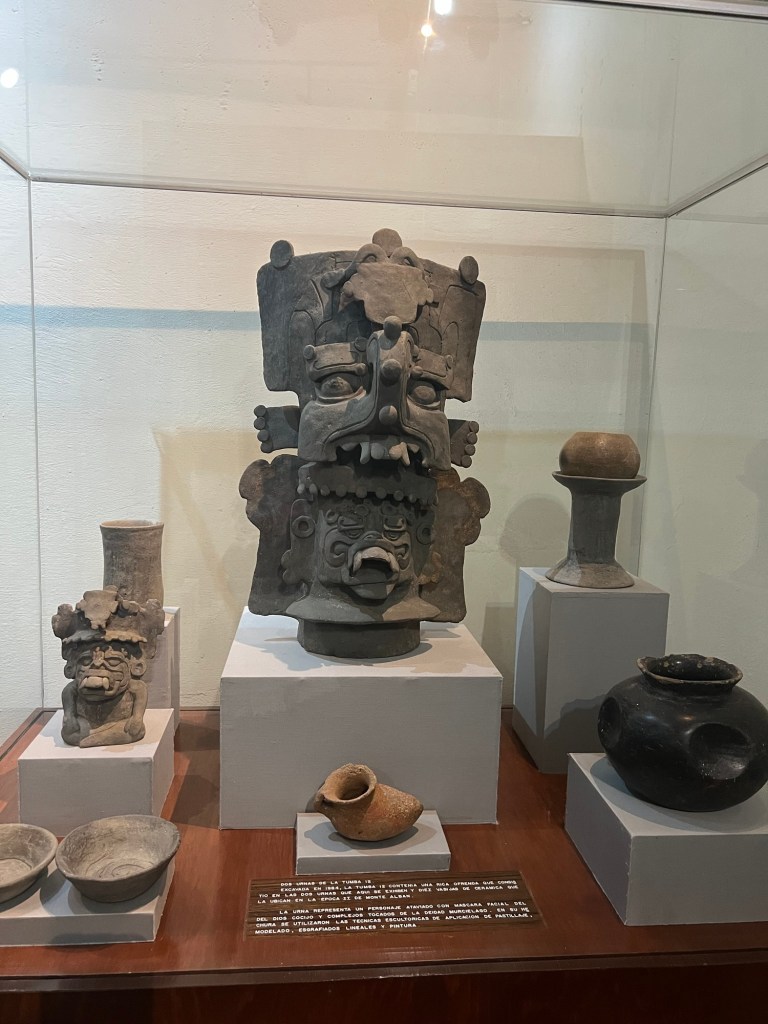
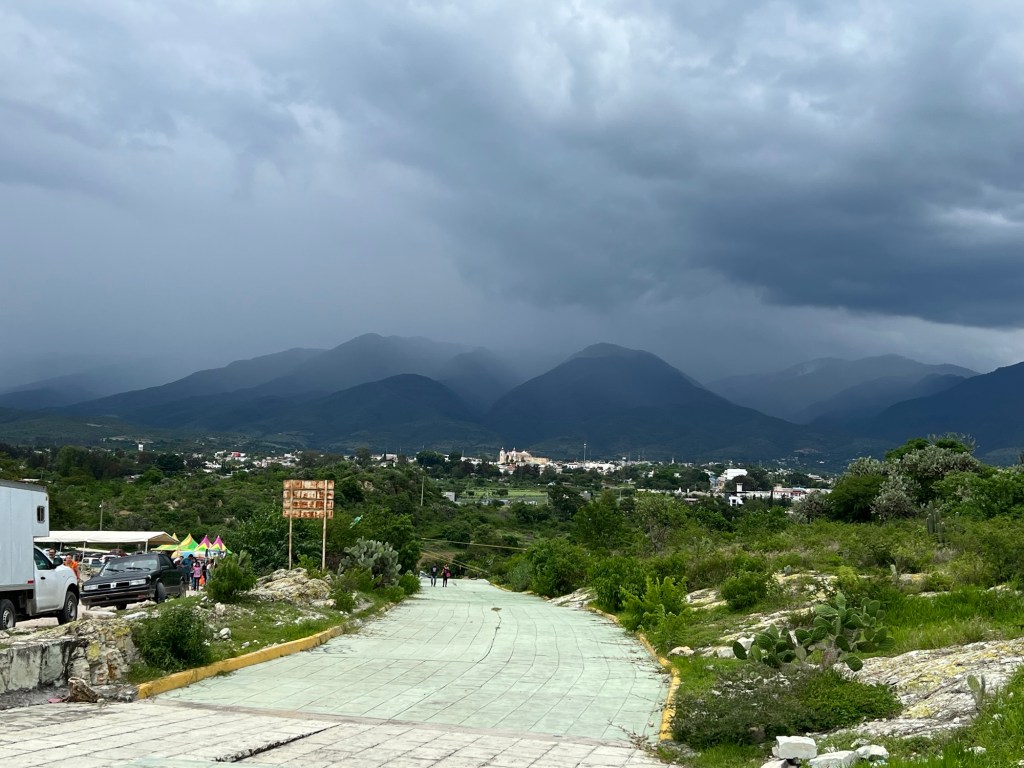
On this post, I’ll provide you with all the information you need about the Etla Valley. It might seem confusing because there are multiple Etlas, but the entire valley holds significant historical importance. It was one of the oldest Zapotec settlements, even predating Monte Alban. In fact, the early hieroglyphic Zapotec writings were discovered at the site of San Jose El Mogote (600 BCE)

San Jose El Mogote

And we should probably start the tour here: San José Mogote was the largest and most important settlement in the Valley of Oaxaca during the Early and Middle Formative periods (ca. 1500-500 BCE) of Mesoamerican cultural development.

San José Mogote is considered to be the oldest permanent agricultural village in the Oaxaca Valley and probably the first settlement in the area to use pottery.

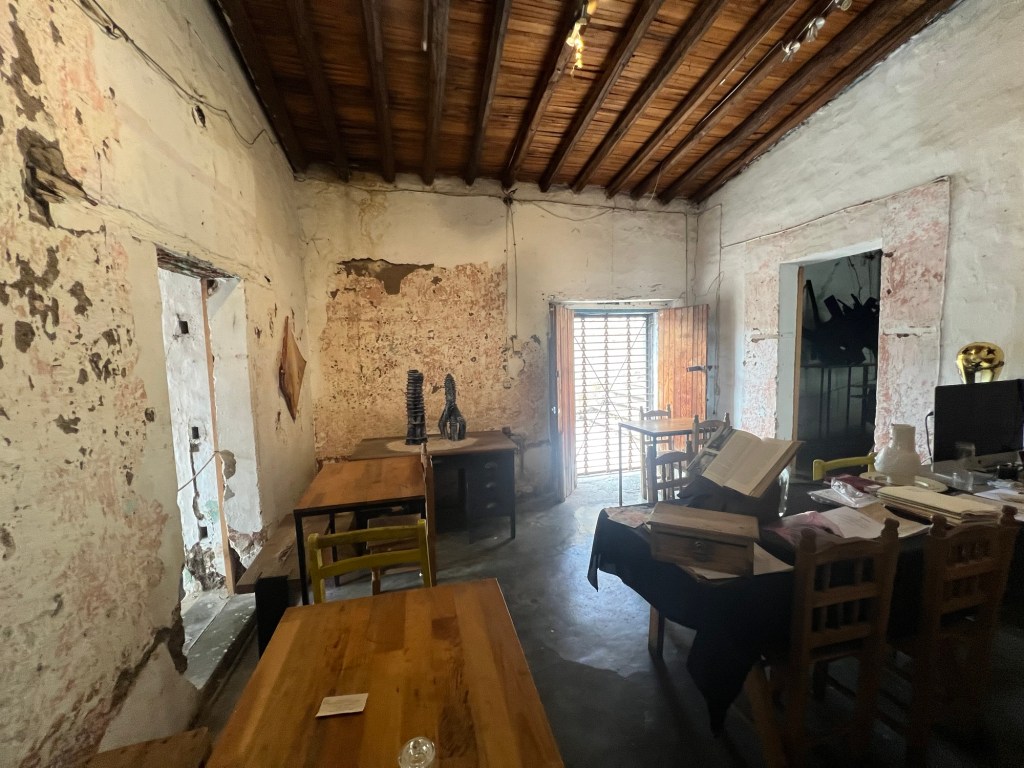
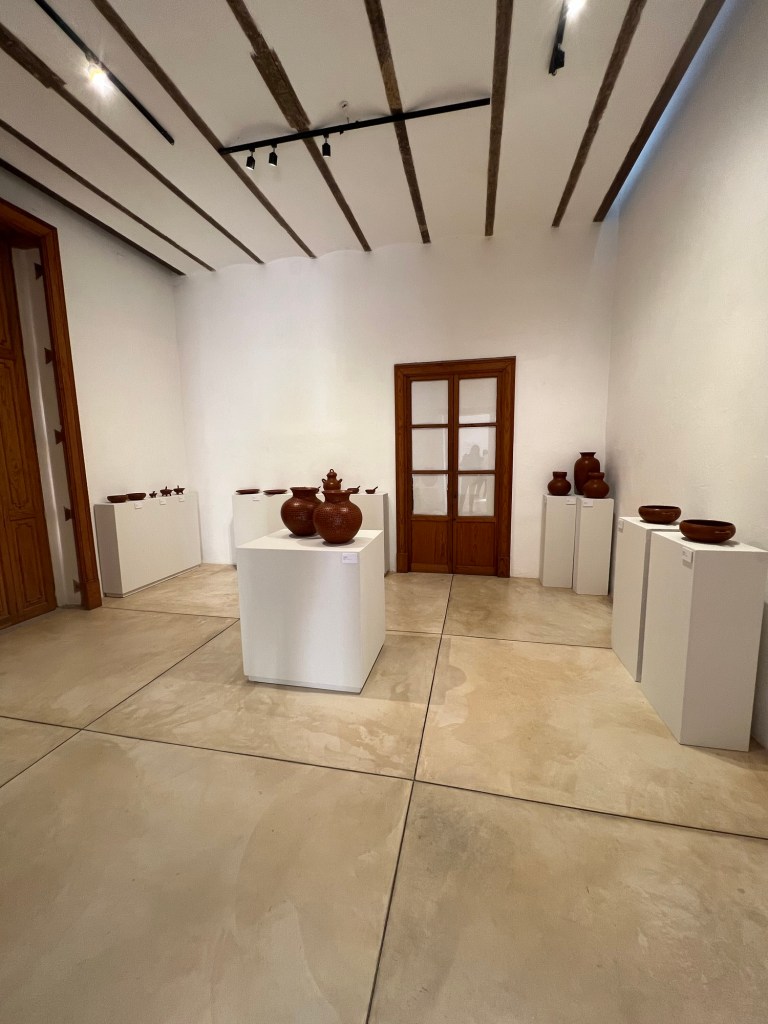
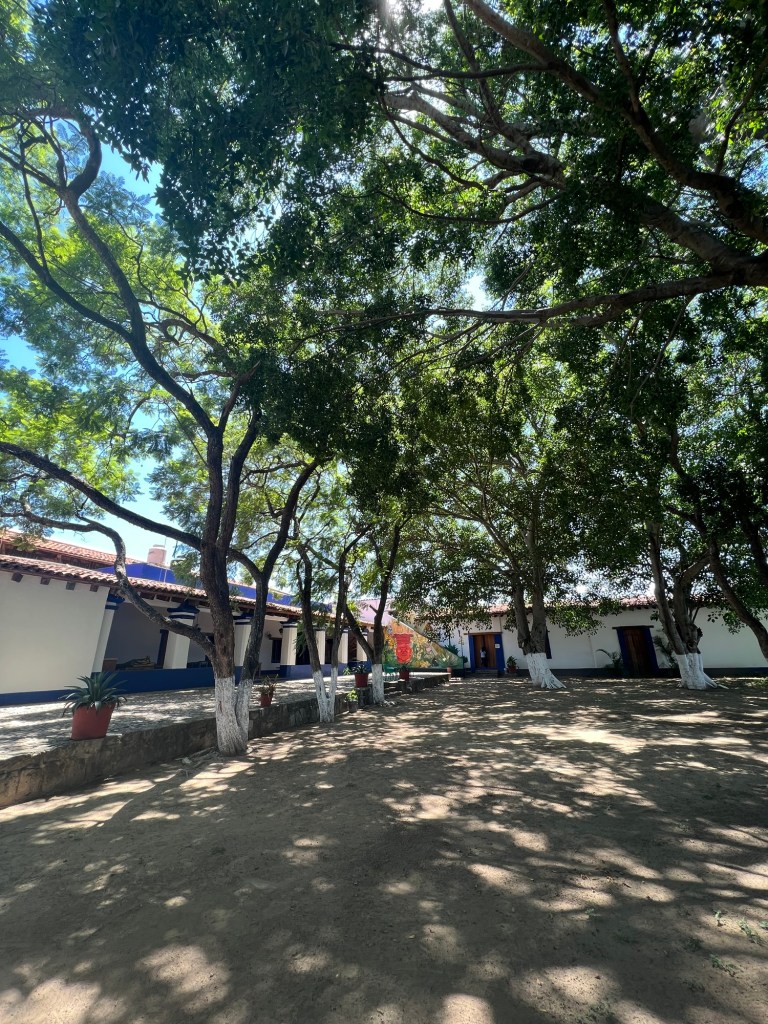
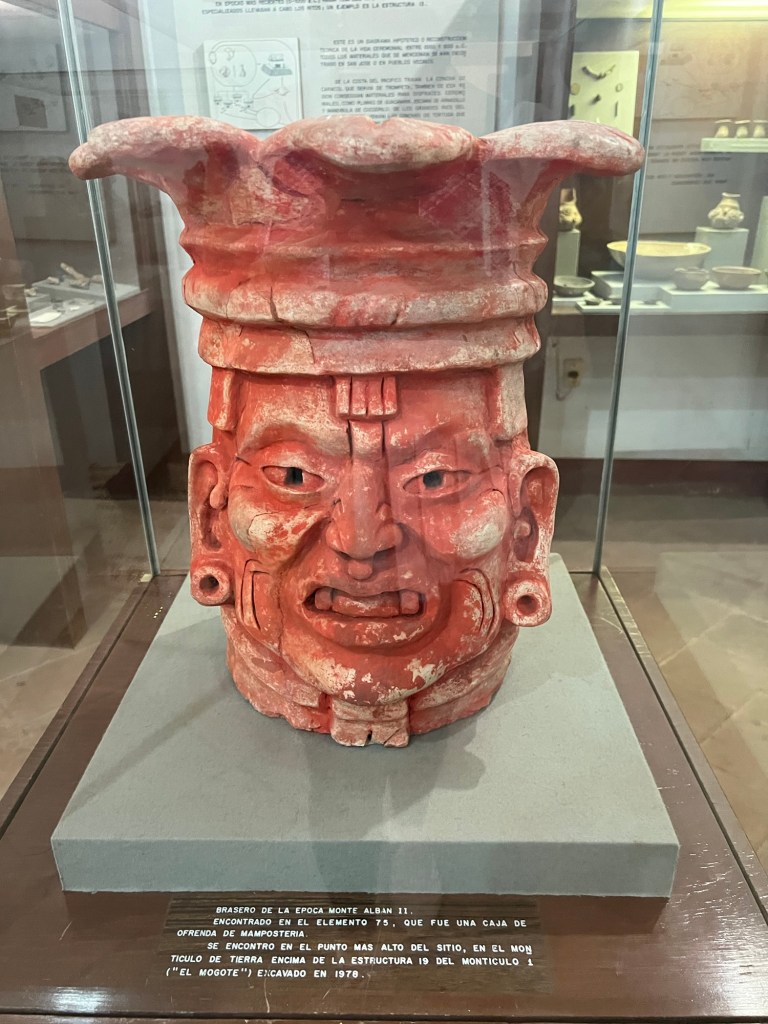
Some of the artifacts from the San José Mogote archaeological site may be viewed in the town of San José Mogote’s Community Museum, which is located in the El Cacique Ex-Hacienda.
Reyes Etla

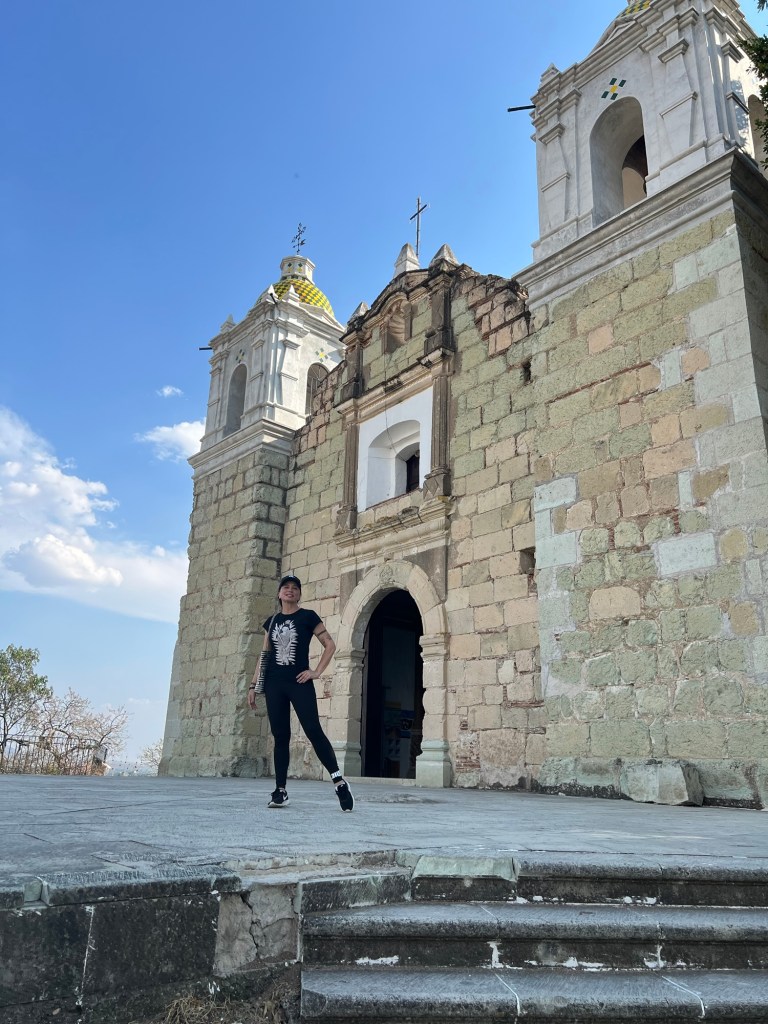
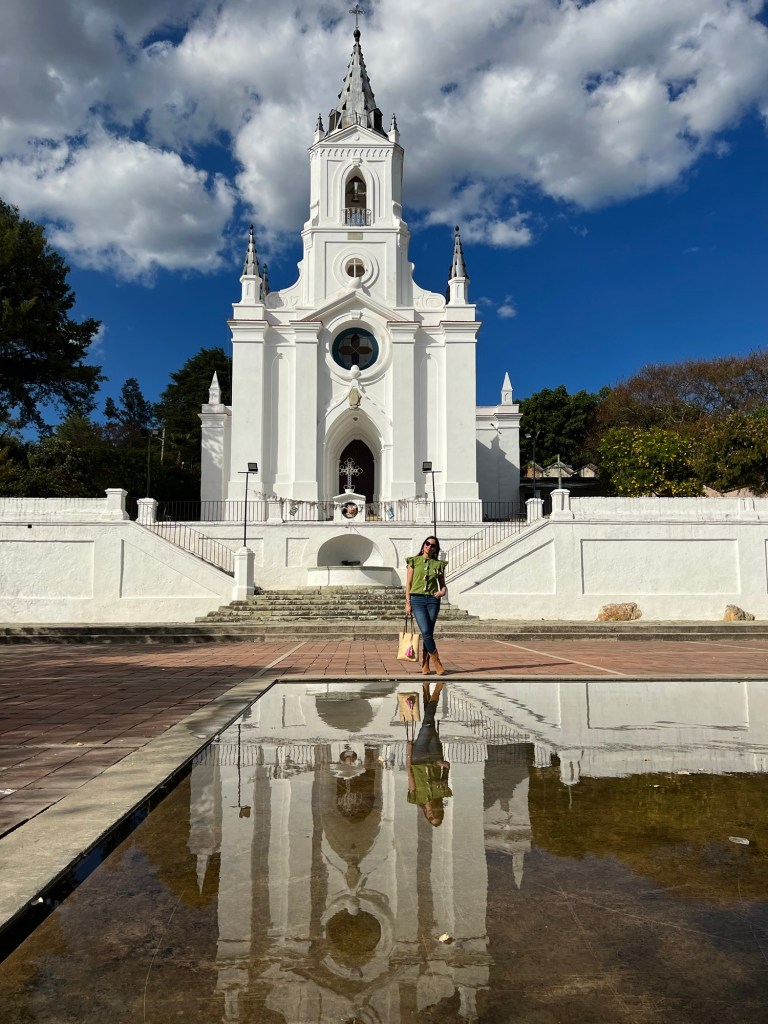
You might recall that charming church and its adjacent courtyard from the Nacho Libre film. If you take a few steps behind the church, you’ll find an unexcavated ceremonial site.

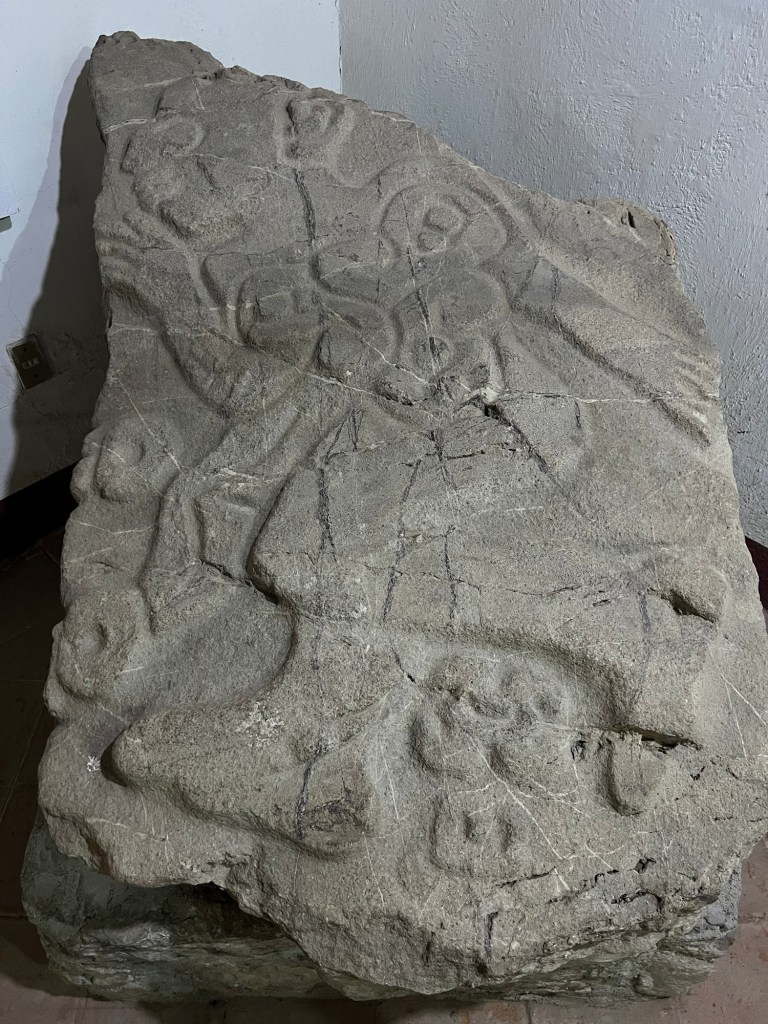
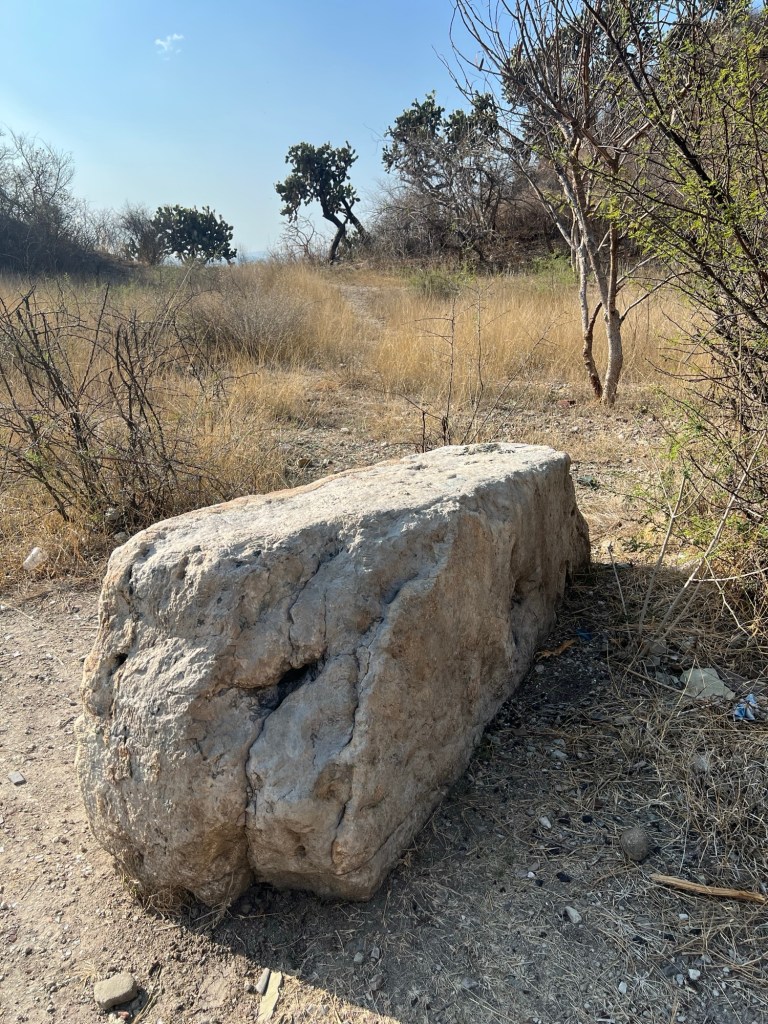
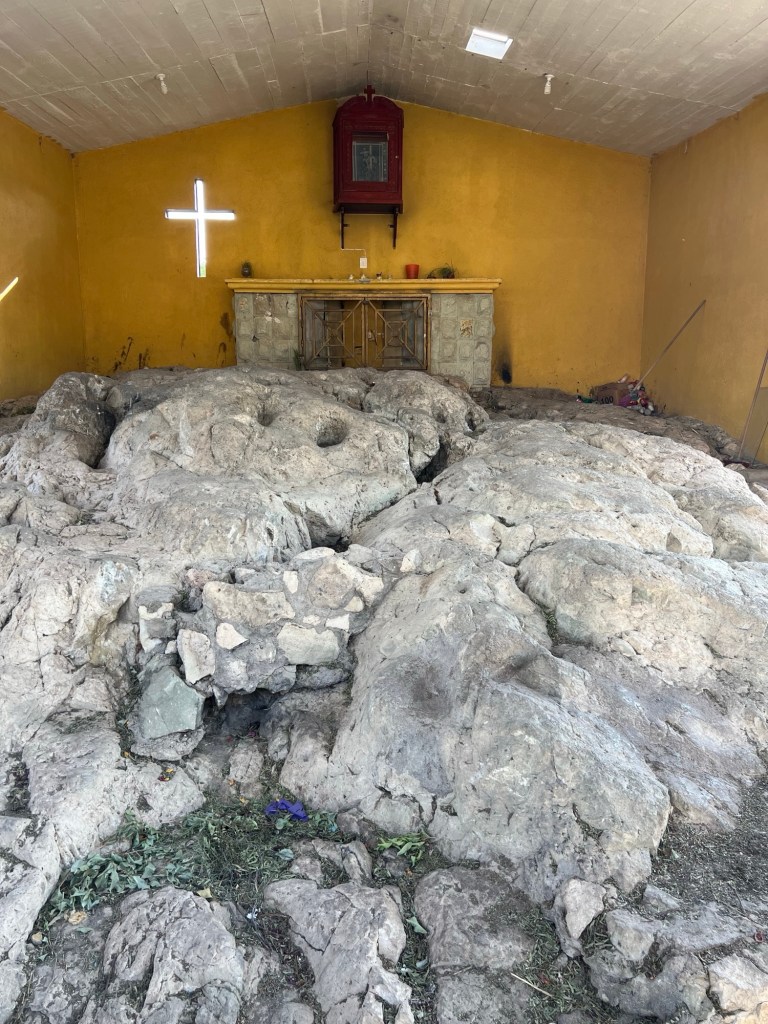
A site that dates from the Monte Alban I (250-500 BC) inhabitants from Etla and pilgrims from other villages would still come to this date to venerate, make petitions and sacrifices to the sacred serpent carved stone as they ancestors did.

It was strategically located to face the four cardinal directions; a ball game and a whole village was also built around the ceremonial site; today only a few stones remains of these ancient city.

This is a true example of syncretism that colonialism couldn’t erase from the collective memory of the true owners of these lands. A church and convent was built, a different name and figure was given for worship; they would still come to make petitions to the ancient stone for a better harvest, for the health of a family member, for that family member that’s overseas.

The Lord of las Peñitas” is celebrated on fifth Friday of lent, the people, who intuitively follow faithful atavistic way the tradition of venerating this huge rock that has life and who listens to who makes “a petition”. Legend says that the day of the creation God imprinted his footstep on the rock.

This permanence of spirituality in our time of materialism, globalization and neo-liberalism is a true human treasure; Oaxaca remains an intact gem that will continue to remind us of our past, our ancestors, our true origins that shall never be forgotten.

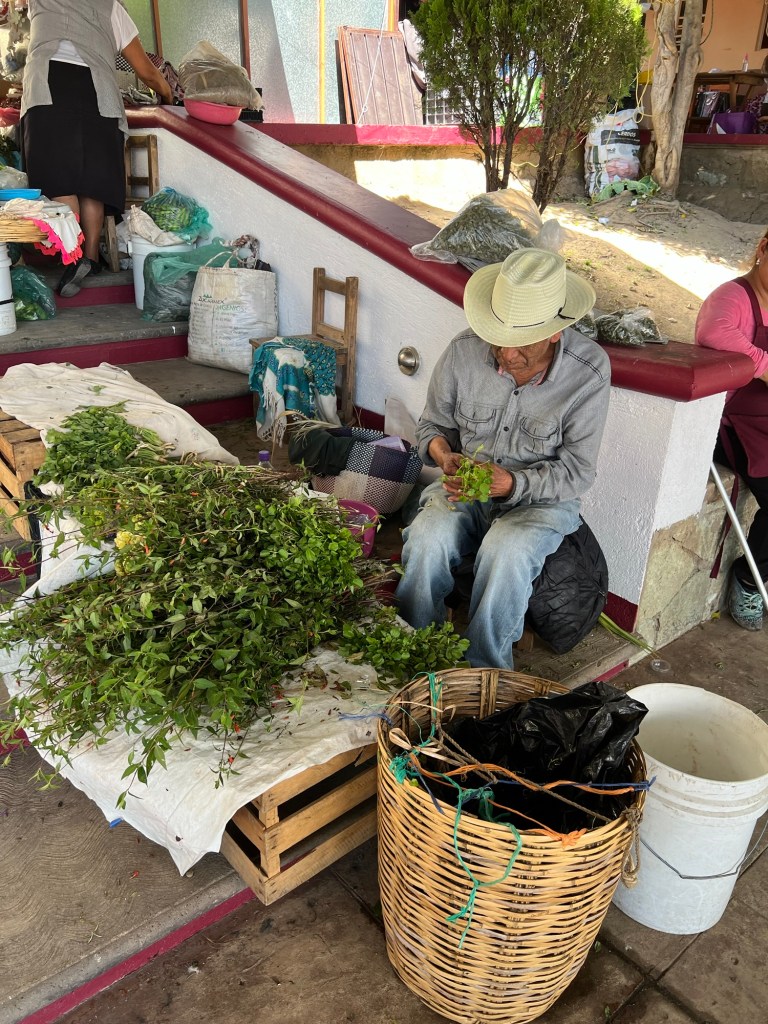
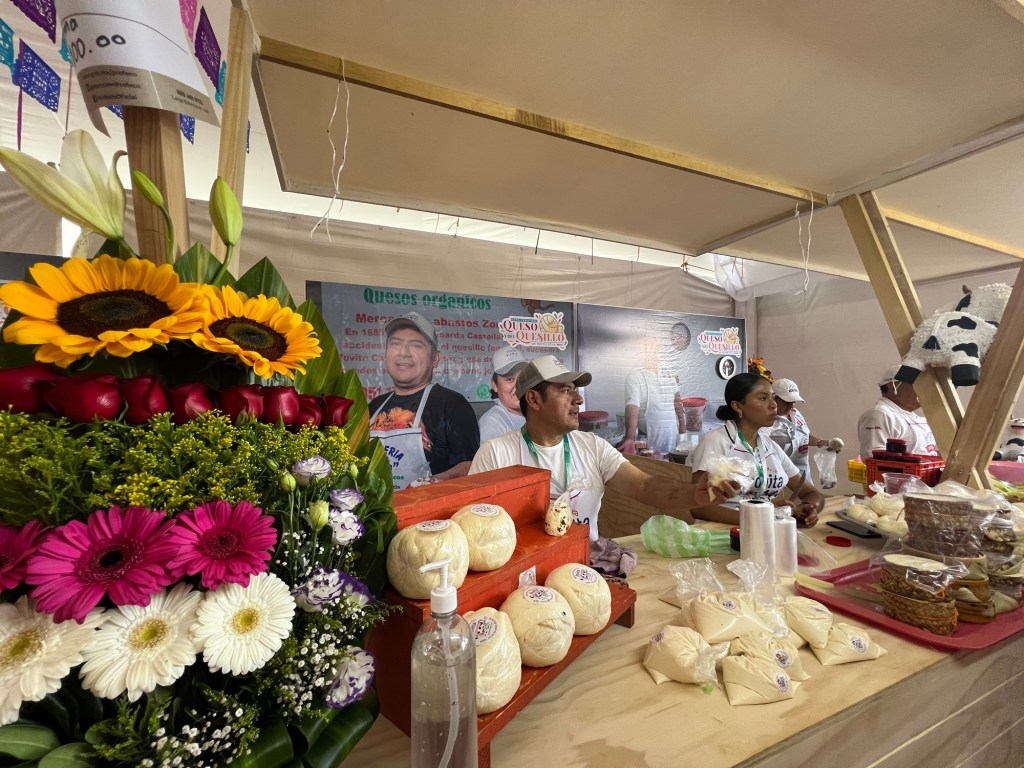
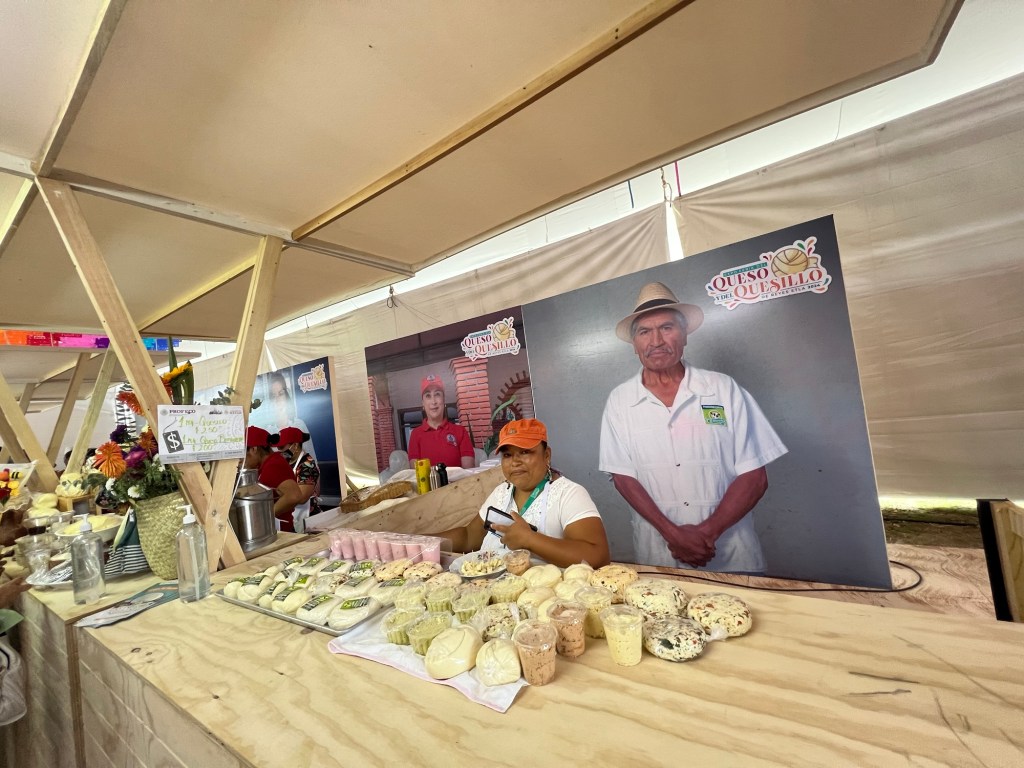
While visiting Reyes Etla, don’t miss the opportunity to buy and savor quesillo, the village where this delicious cheese was accidentally invented. You can find it at any local stall or the market.
The Village of Etla

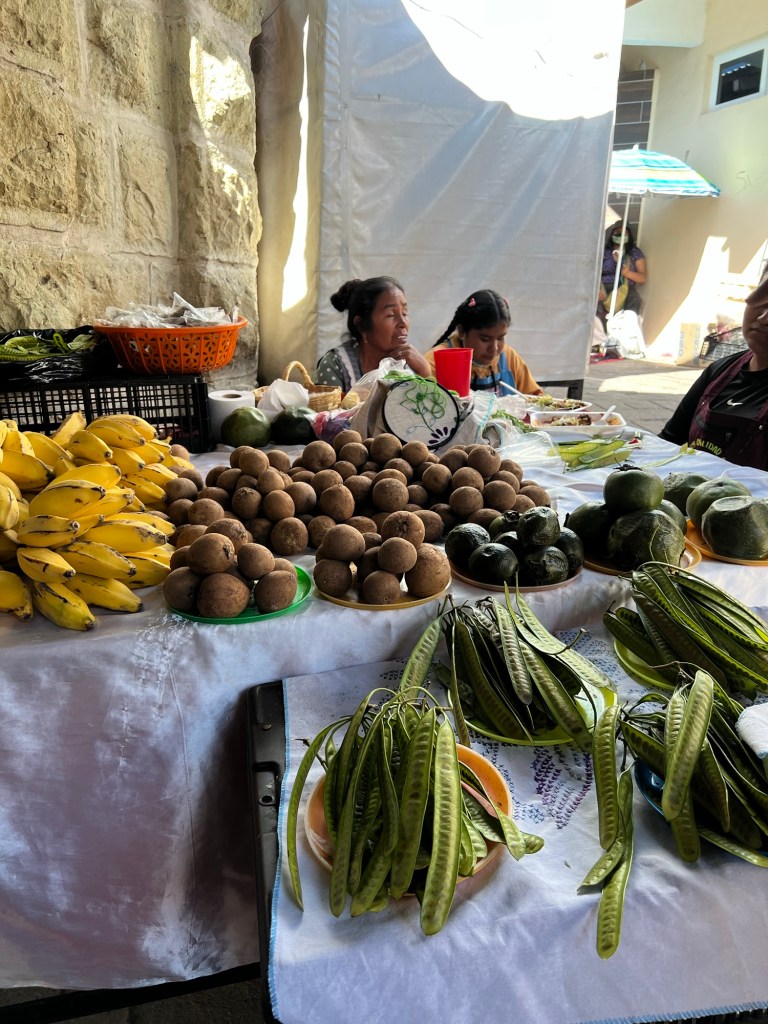
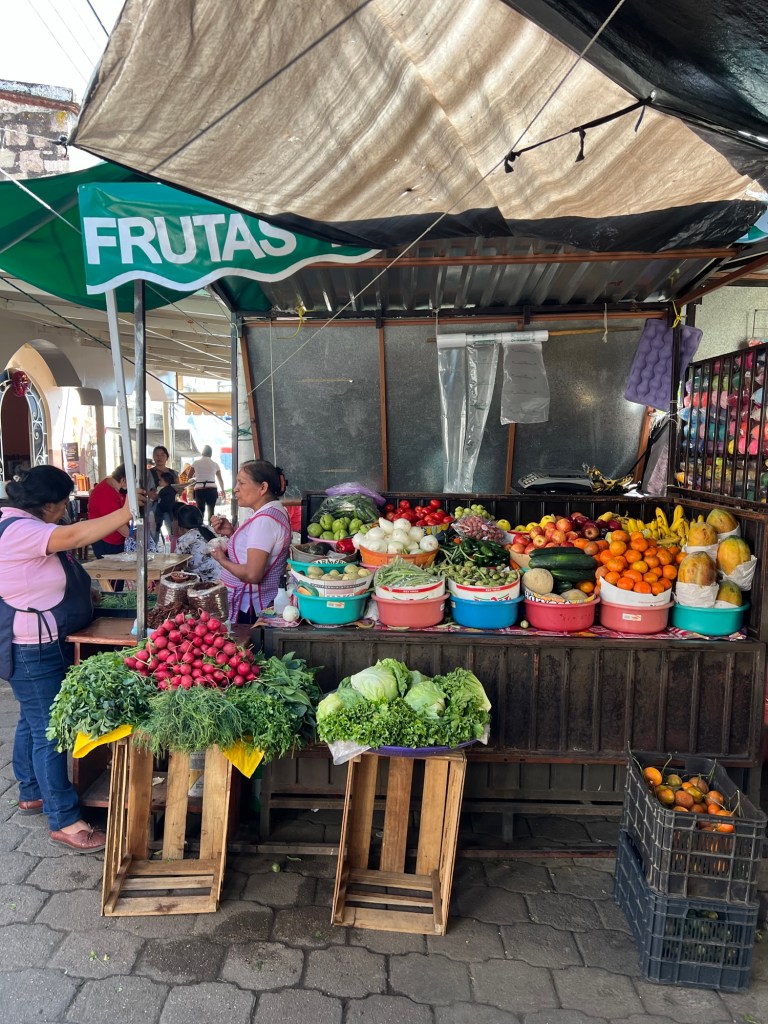
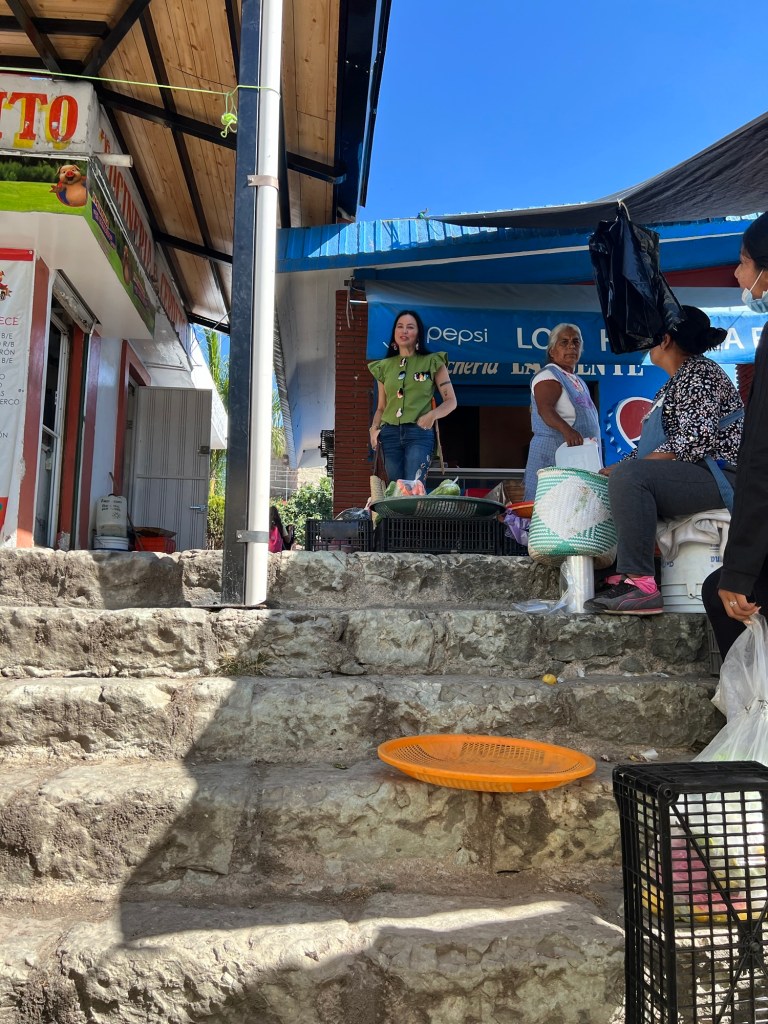
This is center of all Etlas, known for its historic ex-convent, vibrant Wednesday market with local cheeses and tamales.

It serves as the local government for several other communities and offers a blend of Oaxacan culture, history, and natural beauty, with many nearby accommodations in the surrounding Etla valley. 

Founded in the 15th century, centered around the church and former monastery of San Pedro y San Pablo.

The name means “town of the land of beans” mixing Spanish and Nahuatl. “Villa” is from Spanish and means “town” 
Asuncion Etla

Muerteadas are celebrations during and after Day of the Dead in the Valleys of Etla.

Muerteadas are traditional celebrations during the “Octava” or the 8th day after Day of the Dead such as the popular one in Asunción Etla and many other villages of the Etla valley.

This muerteada is the most anticipated festivity by the entire village called Muerteada La Lallanera proudly organized by a dedicated team of “mayordomos” or community leaders.

On this night, residents dress in costumes adorned with small mirrors and bells. The mirrors are used to scare away the witches and the bells help guide the spirits in the night.
The costumes are complete with masks that represent important muerteada figures such as the devil, the dead, the old, the priests and more characters.

Accompanied by various brass bands, they meander through the neighborhood, going from house to house, welcoming the spirits to come out. The festivity turns into an all-night parade that ends around sunrise.

It’s remarkable how many brass bands there are in the entire valley. As Oaxaca is indeed a land of accomplished musicians, certain areas like the Etla Valley are so prolific that they turn these festivities into a truly “battle of the bands.” You have to experience it yourself: the vibrant musicians of a 25-piece band playing together, five to six different bands facing each other, no scripts, no director, just the talent.

San Agustin Etla

Oaxaca is renowned for its unique natural dyes, such as cochineal, which was once considered currency and used by cardinals in their capes and the monarchy. Another notable dye is añil, the famous indigo blue used by Levi’s. These pigments were integral to the textile industry. However, when small textile operations and natural dye production were replaced by massive operations in the East, all these factories were forced to close.

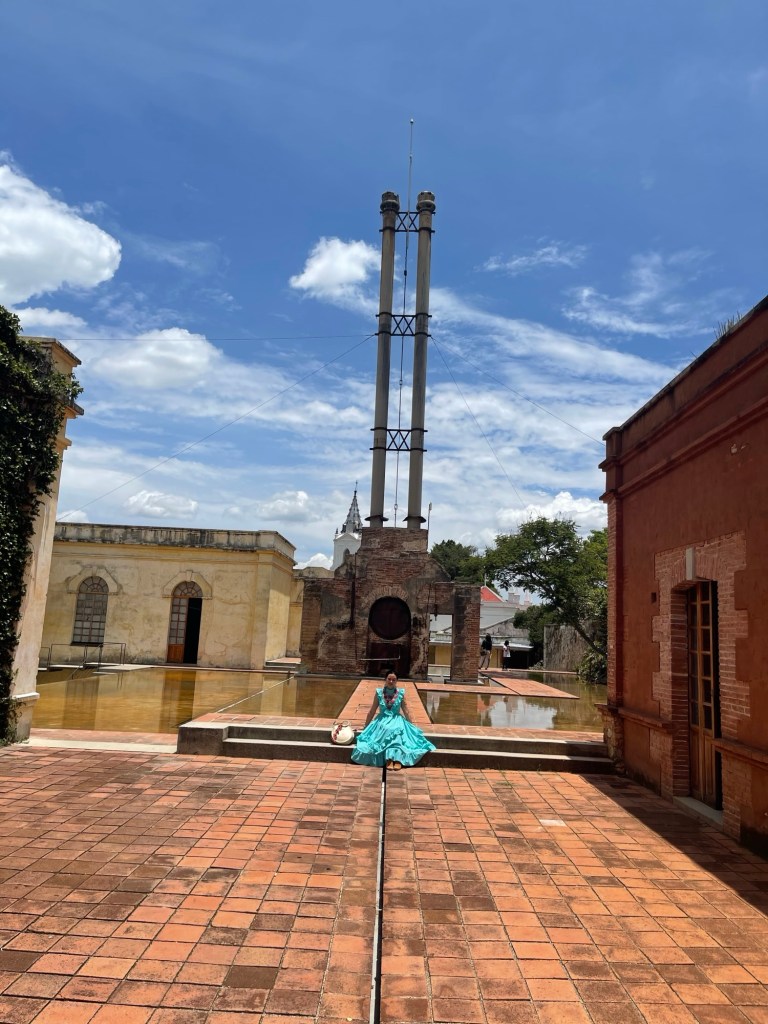
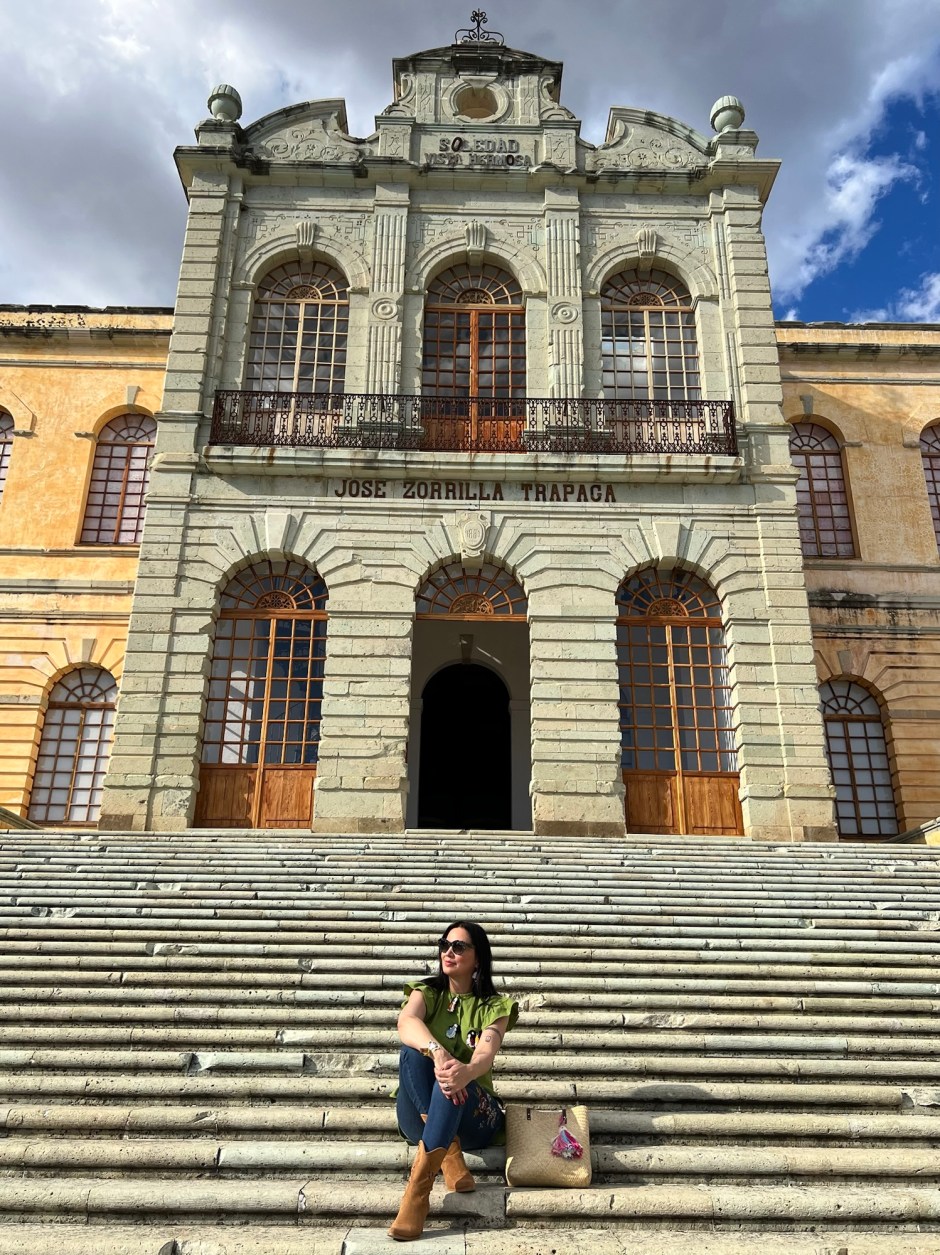
The Fabrica de Hilados y Tejidos La Soledad, established in 1883 in the quaint community of San Agustín Etla, was abandoned less than a century after its inception because of the arrival of chemical produced dyes and mass produced textiles.
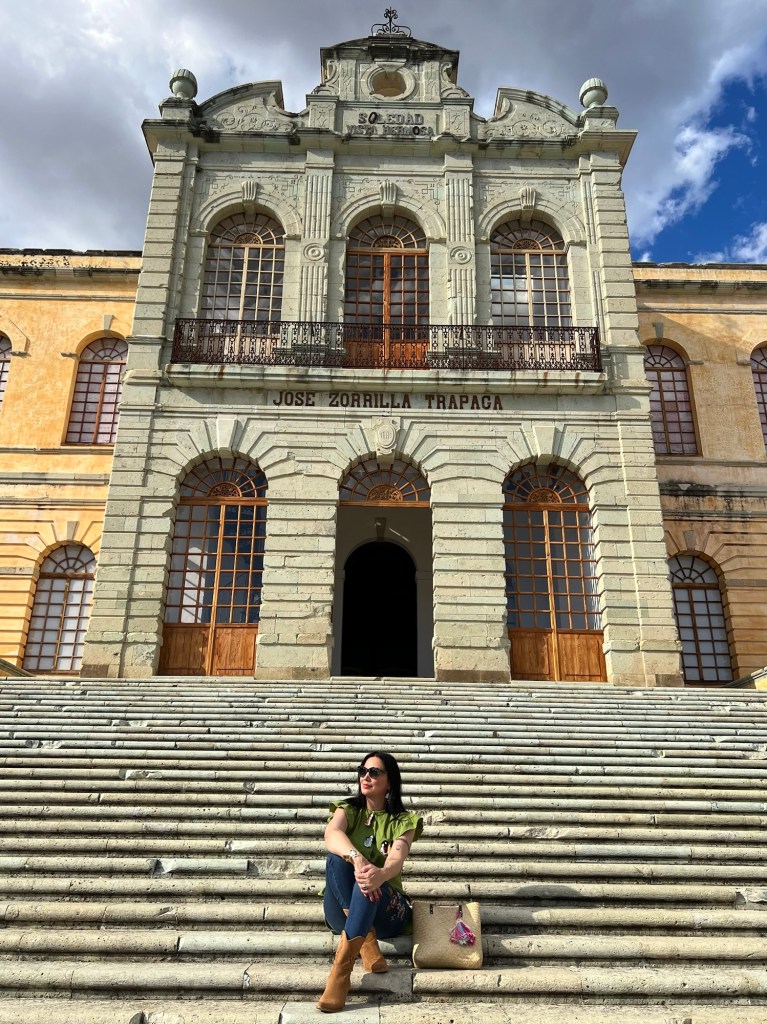
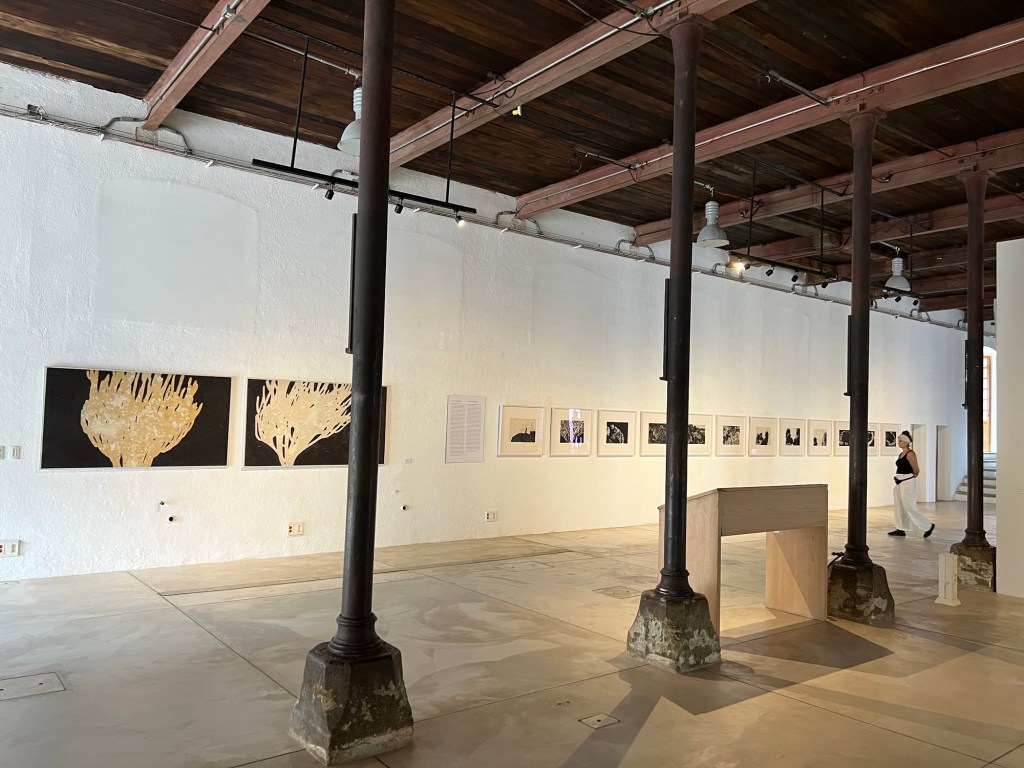
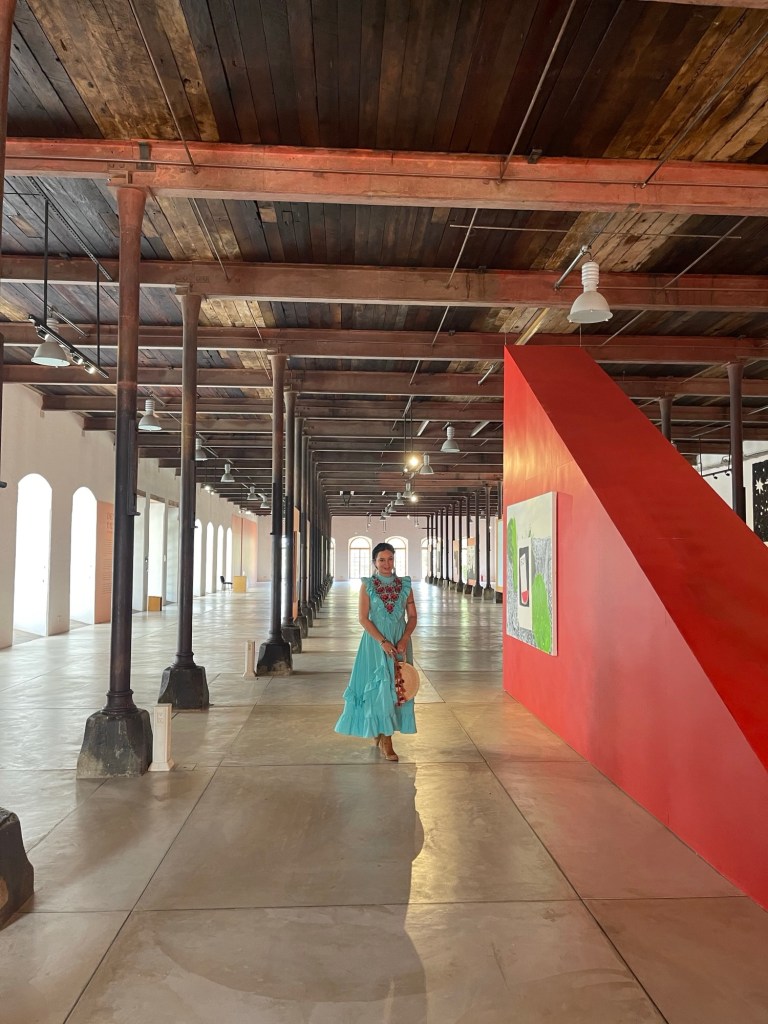
In 2000, Francisco Toledo, one of the most resilient and prolific Oaxaca visual artists originally from Juchitan, Isthmus of Tehuantepec, initiated a project to transform the dilapidated building into an ecological arts center. This endeavor culminated in the opening of the San Agustin Arts Center (CaSA) in 2006. Today, the complex is adorned with water features, gardens, and remnants of abandoned industrial machinery.

It’s important to acknowledge Francisco Toledo’s legacy and contributions to the preservation of handmade art. He established the recycled paper factory in San Agustin Etla, where artistic paper is crafted from recycled agave byproducts, flowers, plants, maize, beans, and natural dyes. This unique process results in one-of-a-kind artworks including labels for Mezcal brands that want to put the sustainable mark.

References:

Evans, Susan T. (2004). Ancient Mexico and Central America: Archaeology and Culture History. London: Thames and Hudson. ISBN0-500-28440-7

Tras los pasos de los dominicos [Following the footsteps of the Dominicans]. Reforma (in Spanish). Mexico City. December 17, 2006.

Turismo Arqueológico en Oaxaca: Villa de Etla” [Archeological tourism in Oaxaca: Villa de Etla] (in Spanish). Oaxaca: Secretaria de Turismo. Retrieved June 12,2011.
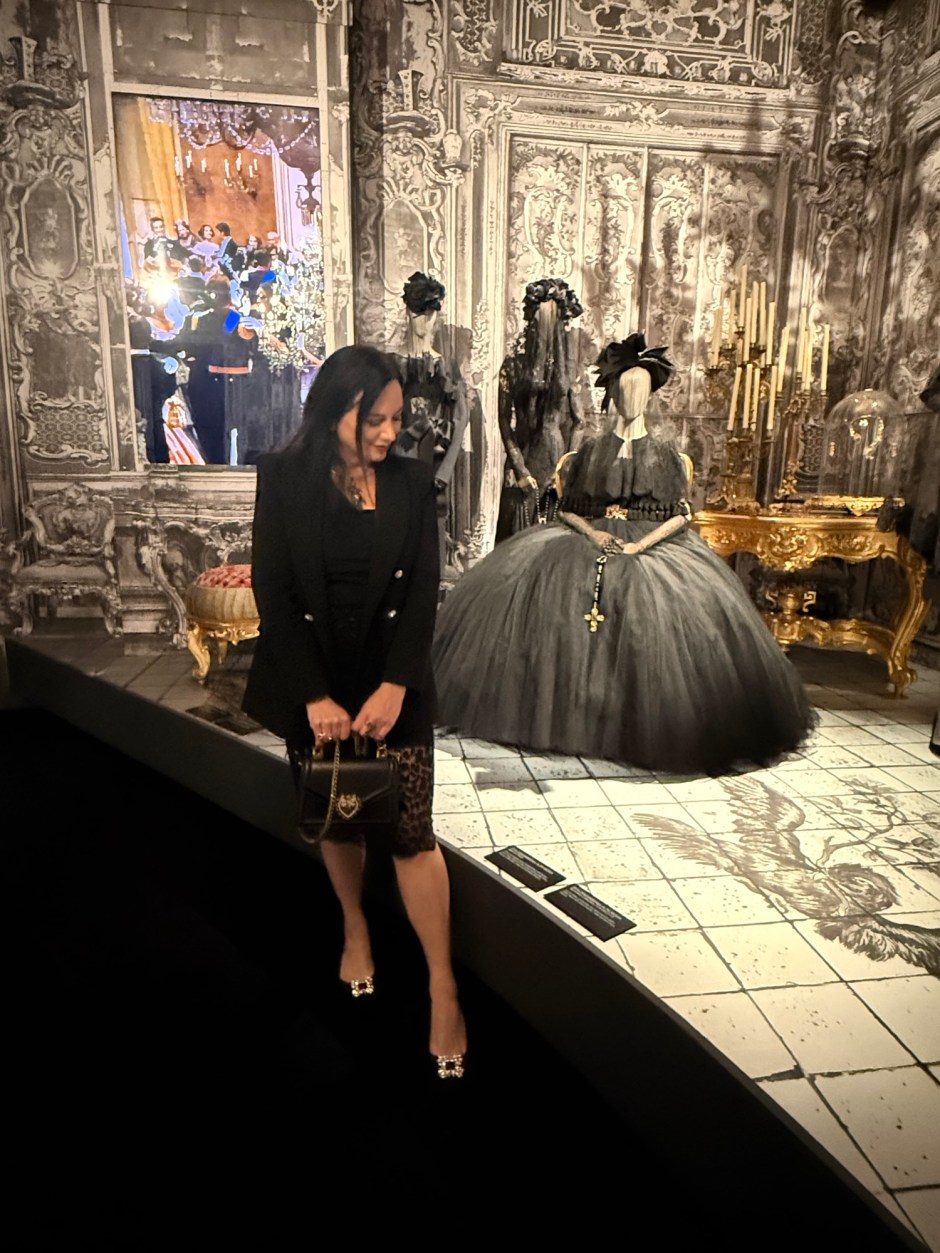
From the heart to the hands, Dolce & Gabbana

The exhibition at the ICA Museum Miami

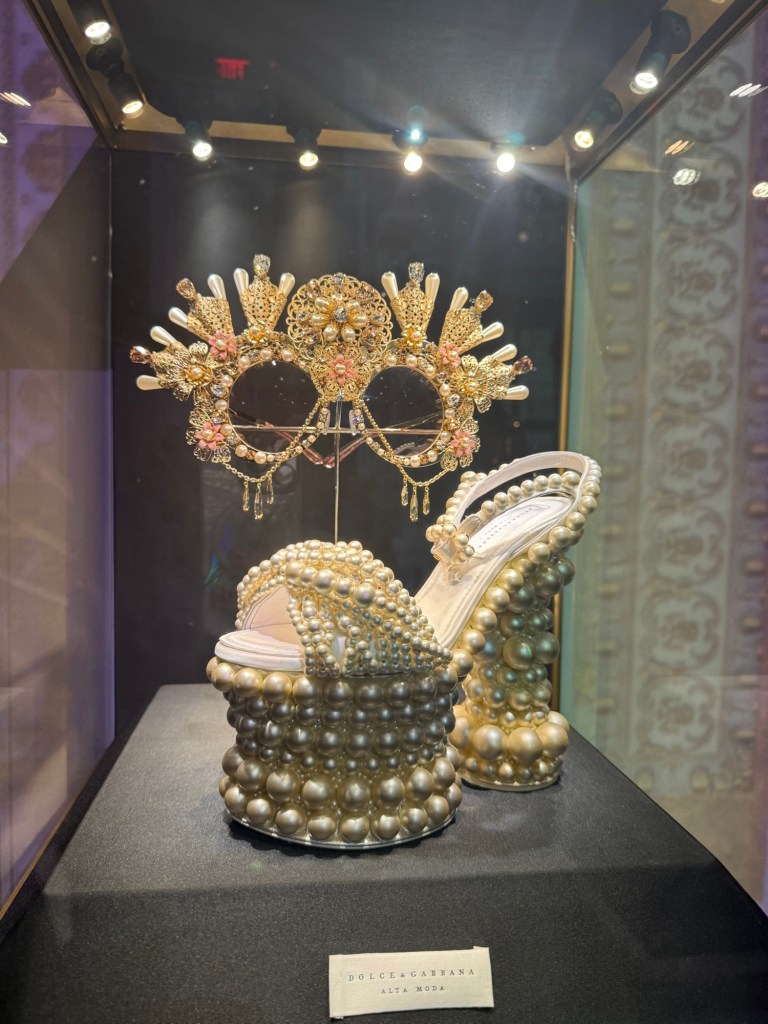
Following sell-out runs in Paris, Rome, and Milan, From the Heart to the Hands: Dolce & Gabbana debuts its first US exhibition at Miami Design District’s Institute of Contemporary Arts ( ICA), from February 6th through June 14th, 2026. 

Curated by Florence Müller, the exhibit is a walkthrough of Italian history, design, and art in the vision and journey of iconic designers Domenico Dolce and Stefano Gabbana.

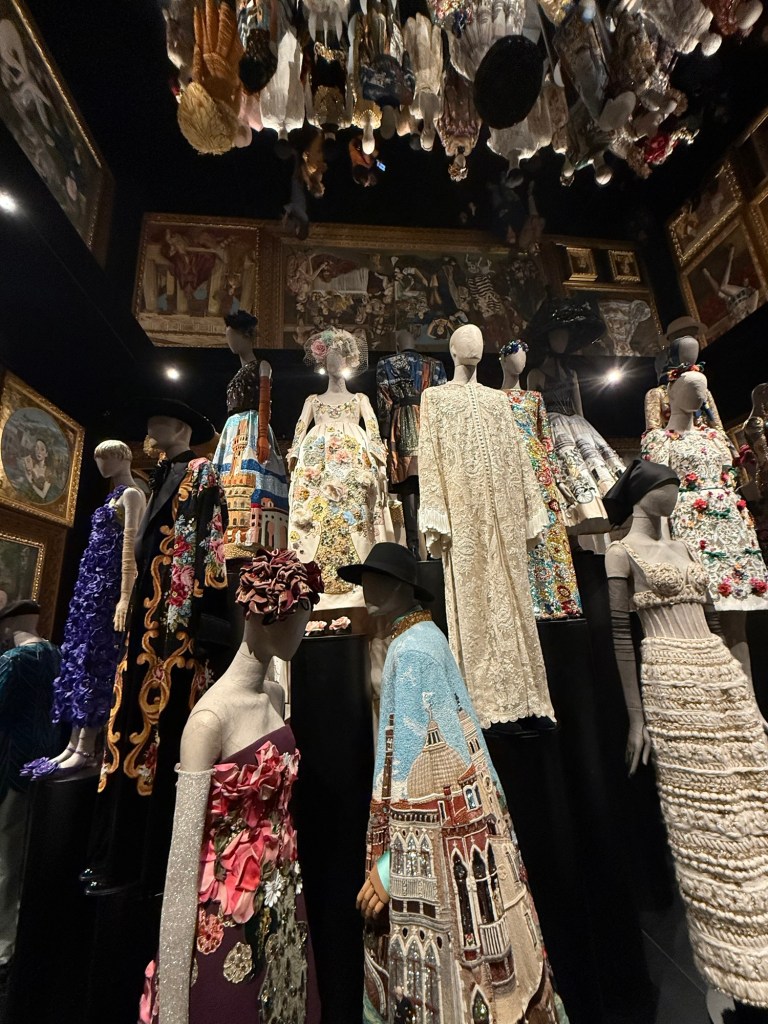
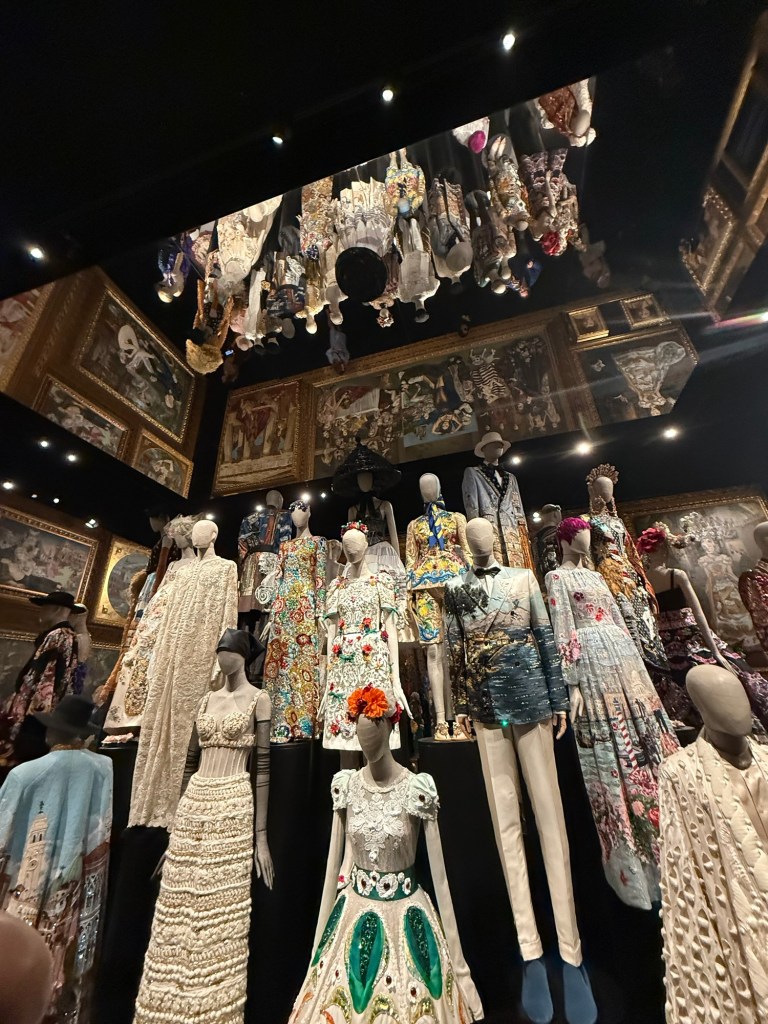
If you go, take the time to immerse yourself in the 16 theme rooms, each one of them showcasing: scent from iconic fragrances inspired by their collections; sound from the soundtrack of a movie where they dressed the cast or opera arias from the respective opera they got involved in design.

Why the Miami exhibit is so special

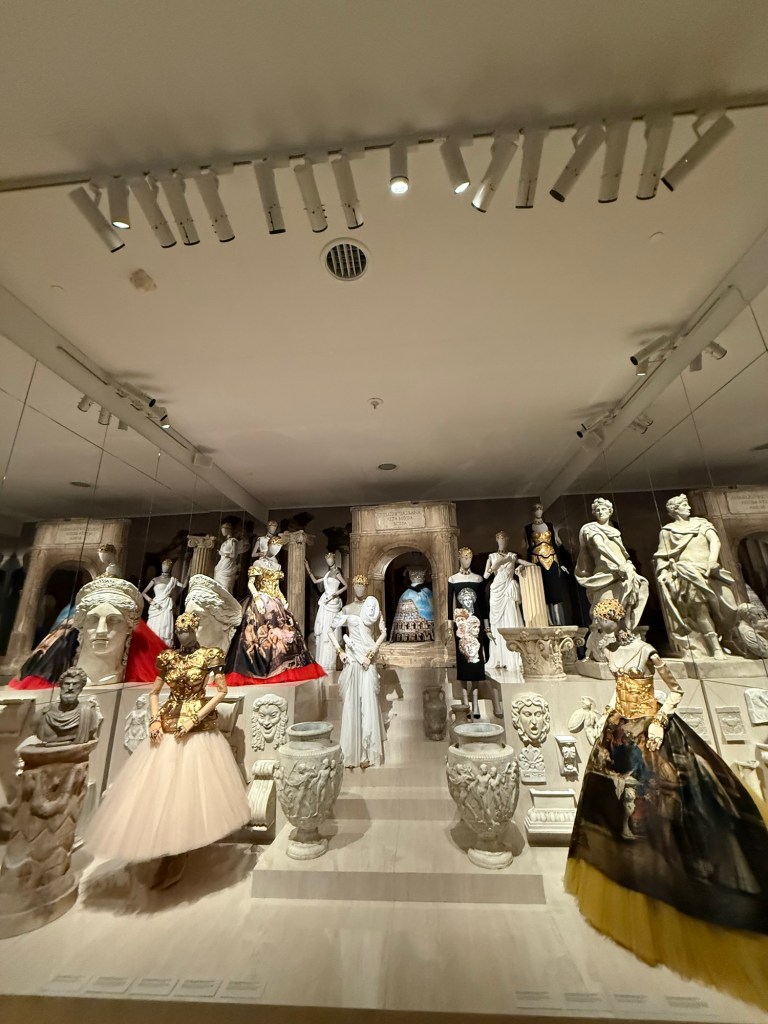
New rooms have been added to the Miami exhibit such as Rome, eternal beauty and in the heart of Ancient Rome.

The exhibit is not only for fashionistas, it is for whoever appreciates and values art and history, and most of all “Il fatto a mano,” the artistry and craftsmanship of the “handmade,” which is Italy’s pride and legacy reflected in centuries of civilizations that have passed.

“Dolce & Gabbana pay tribute to the differentiating factor between industrial production and haute couture: handcraft

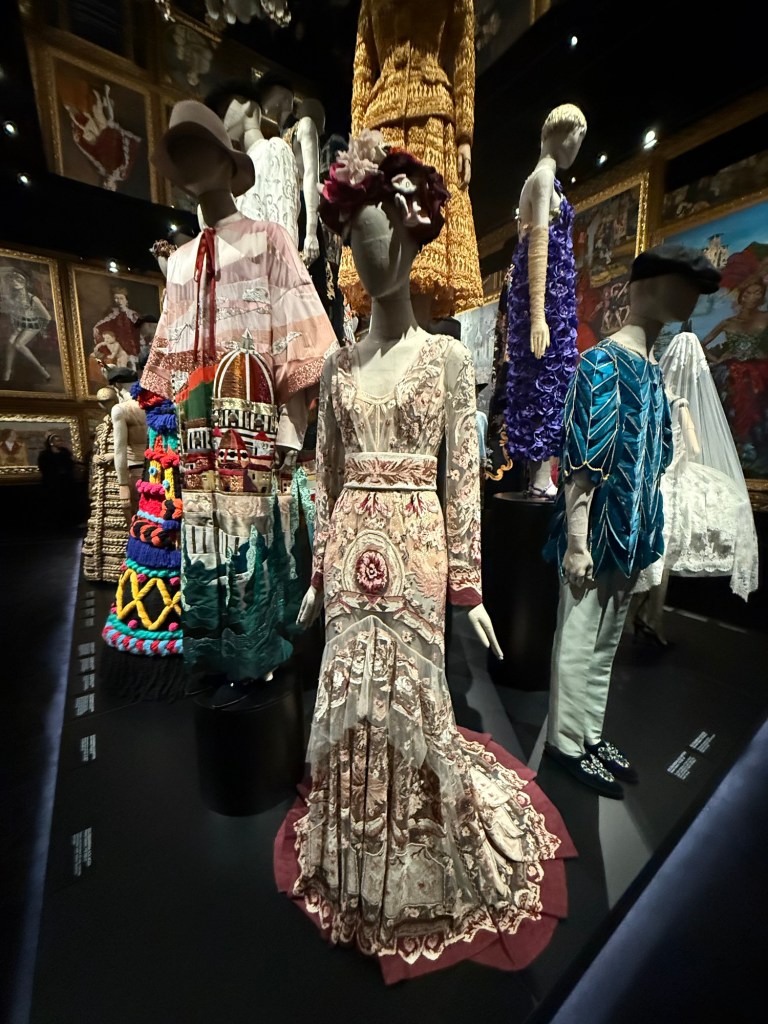
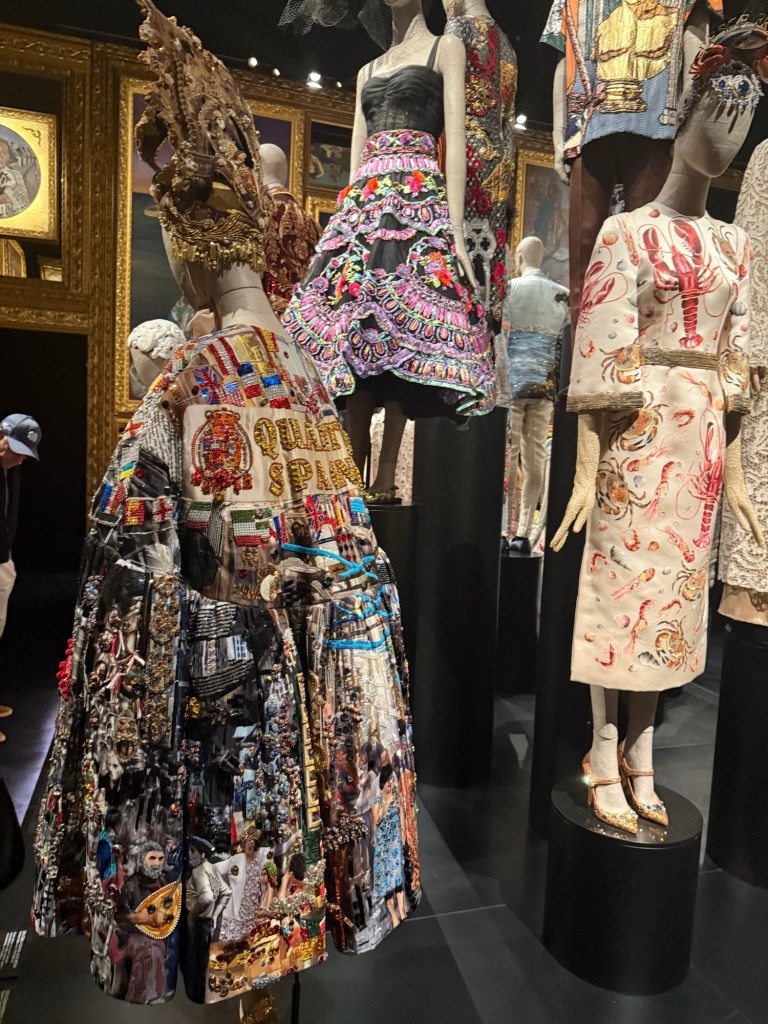
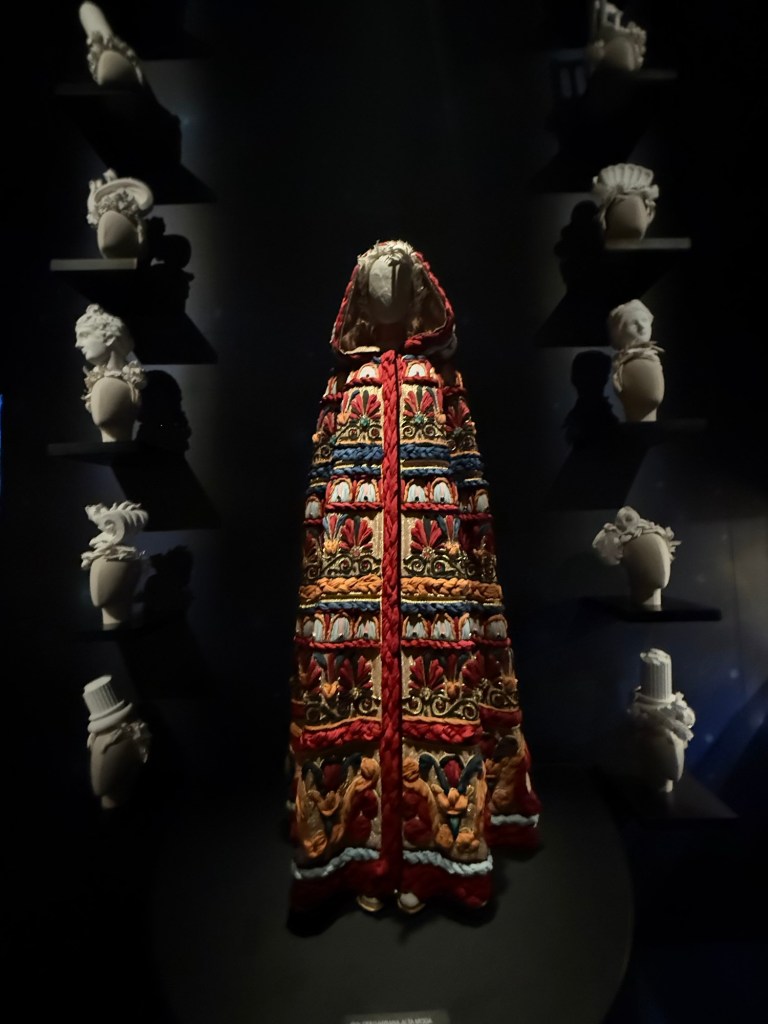
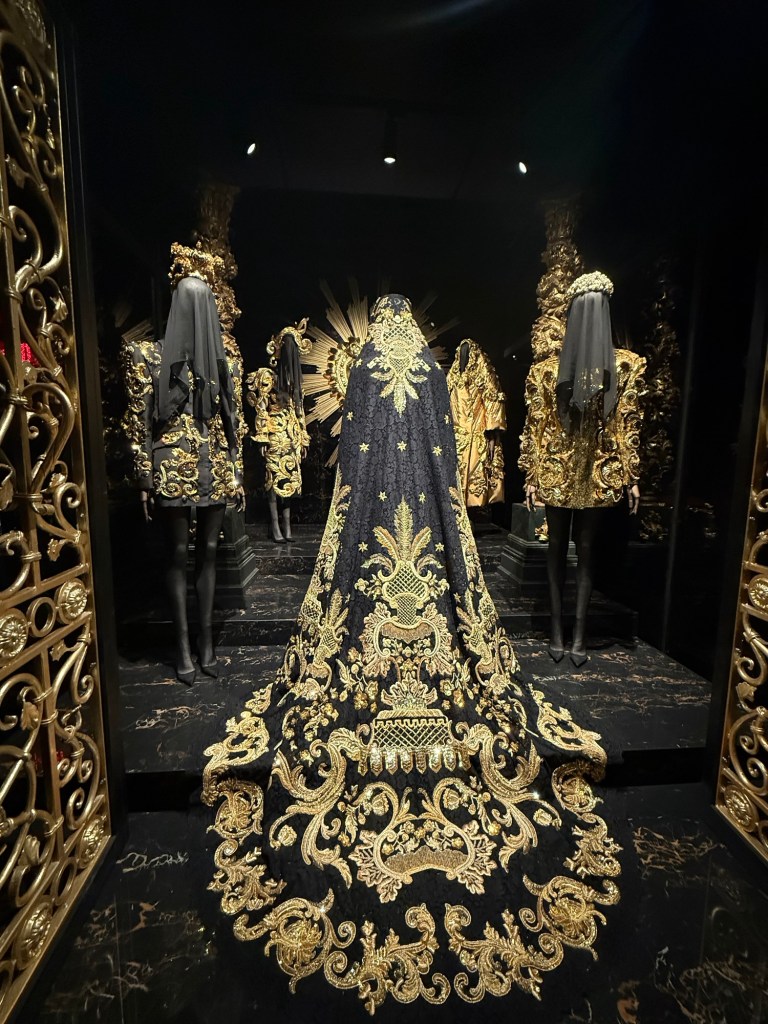
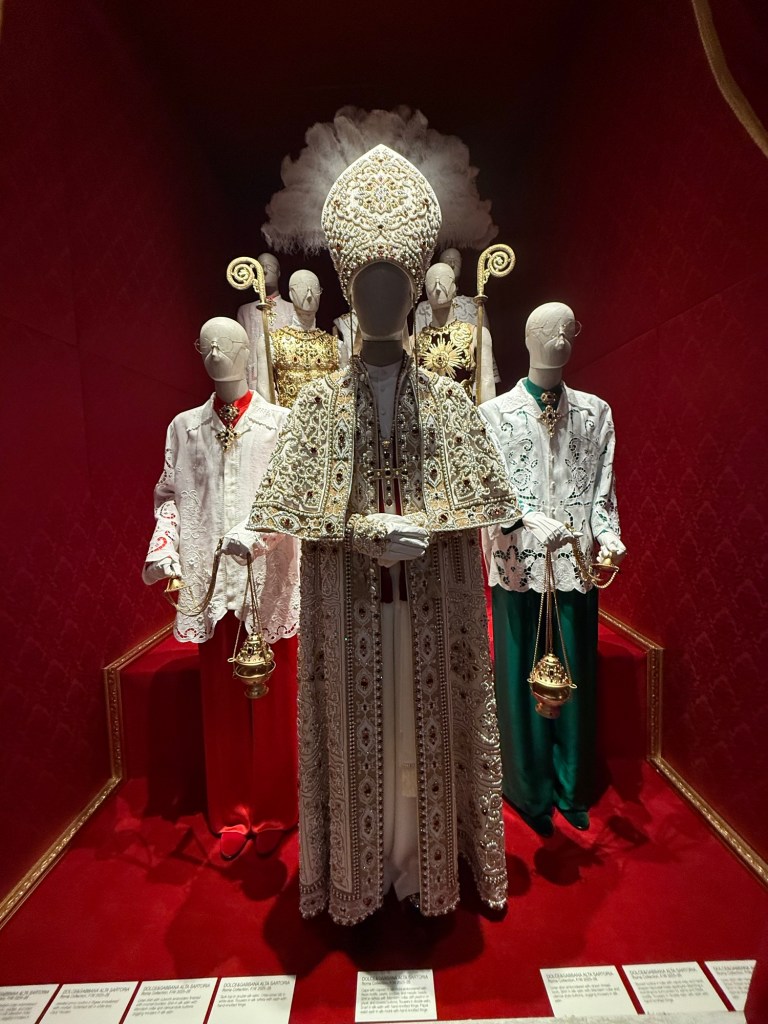
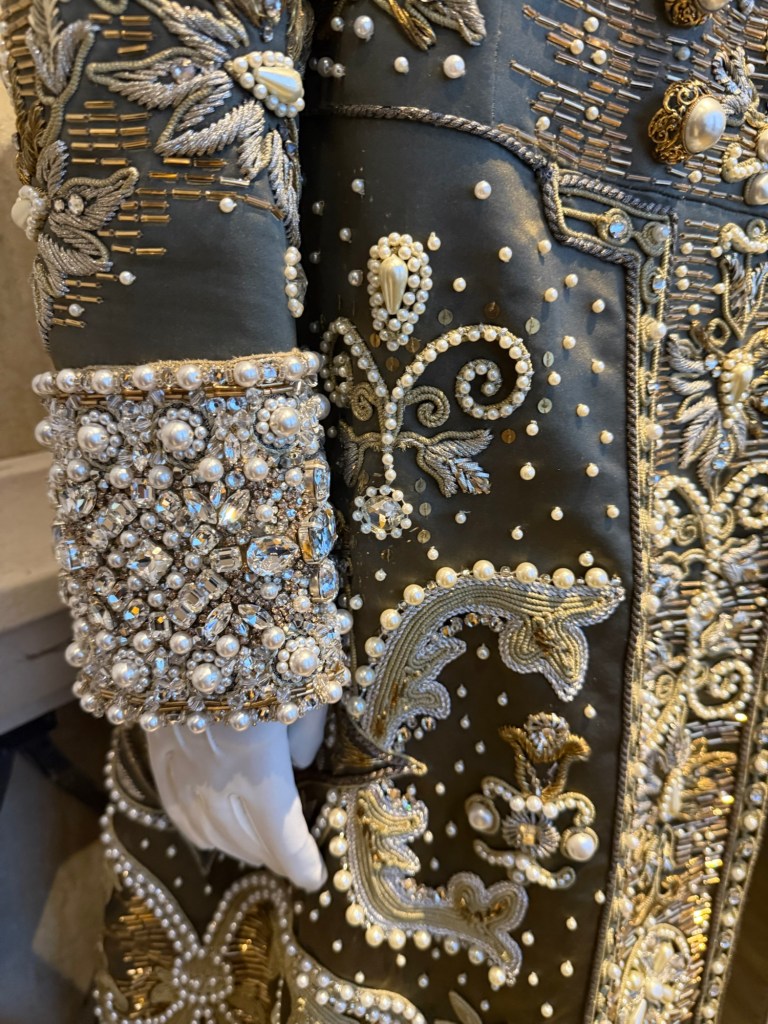
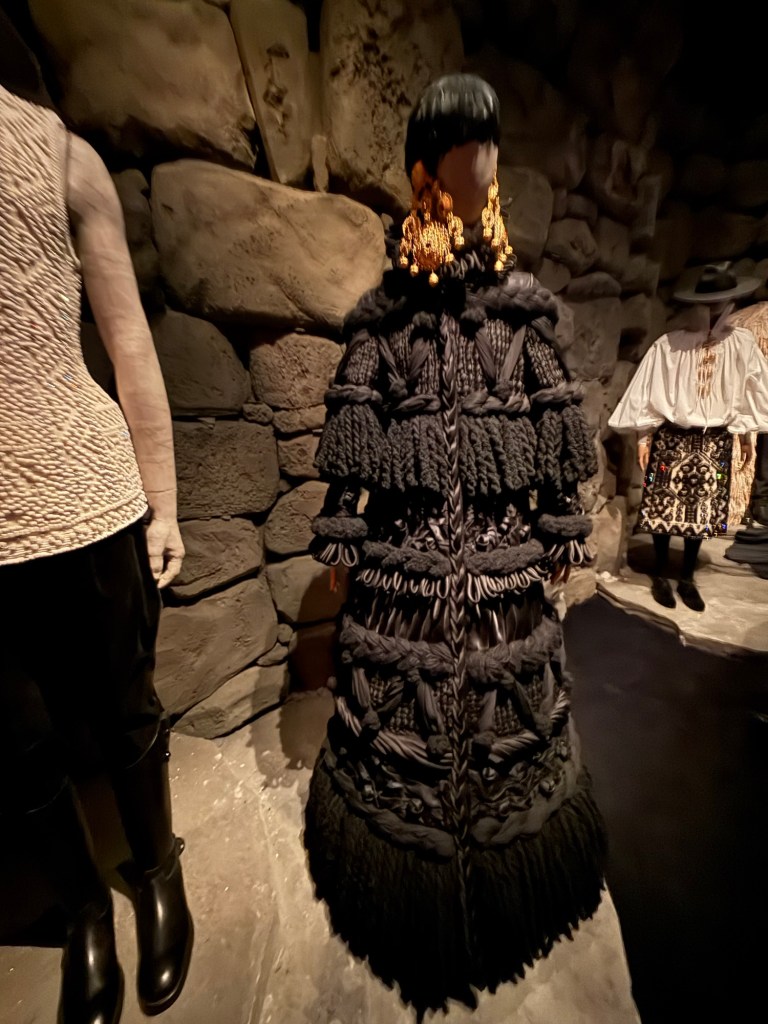
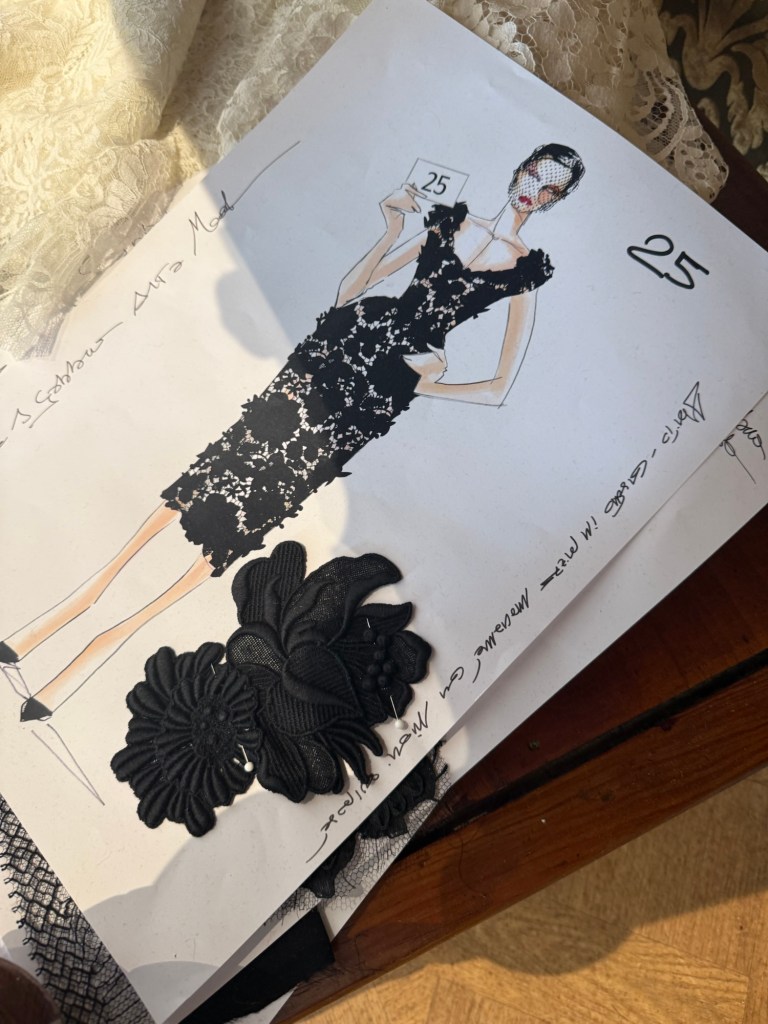
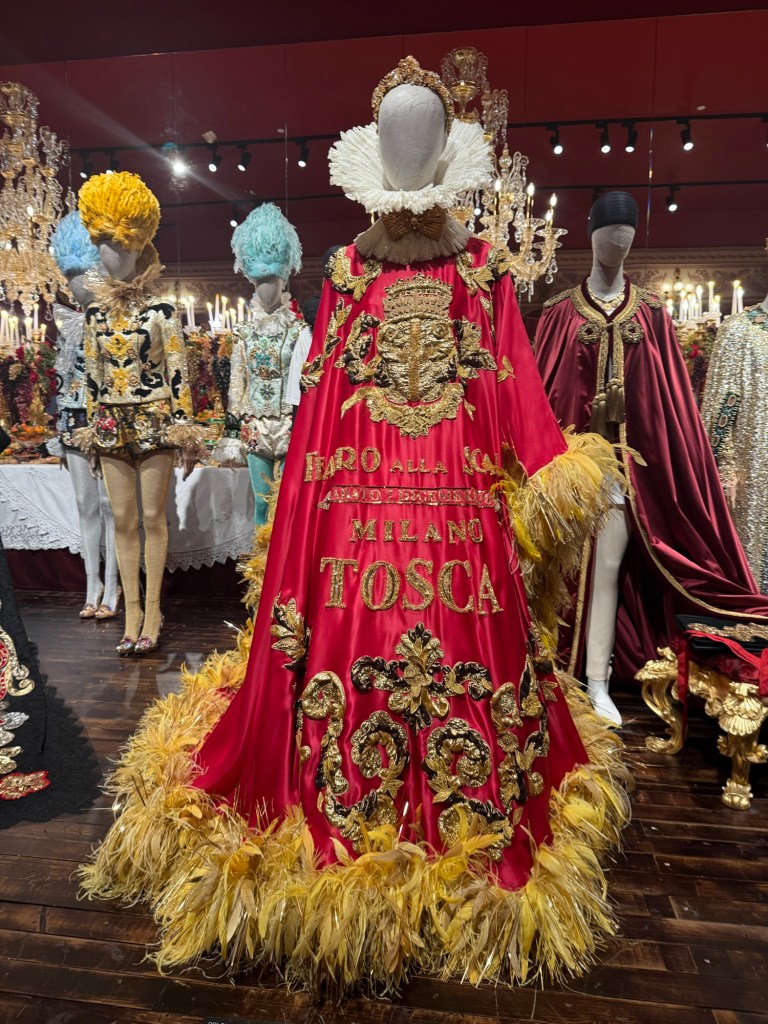
And the first room takes us to the art of handmade, here will be able to see techniques that have been recreated from the original sources in Sicily, Campania, Puglia, Sardinia, Toscana, Rome or Milan, such as the tubular embroidery, a lured mesh cape entirely embroidered with silk satin, which was first presented at the Alta Moda Venezia, the San Marco Collection 2021-2022 or the fur appliqué for Alta Moda Firenze 2020-2021.
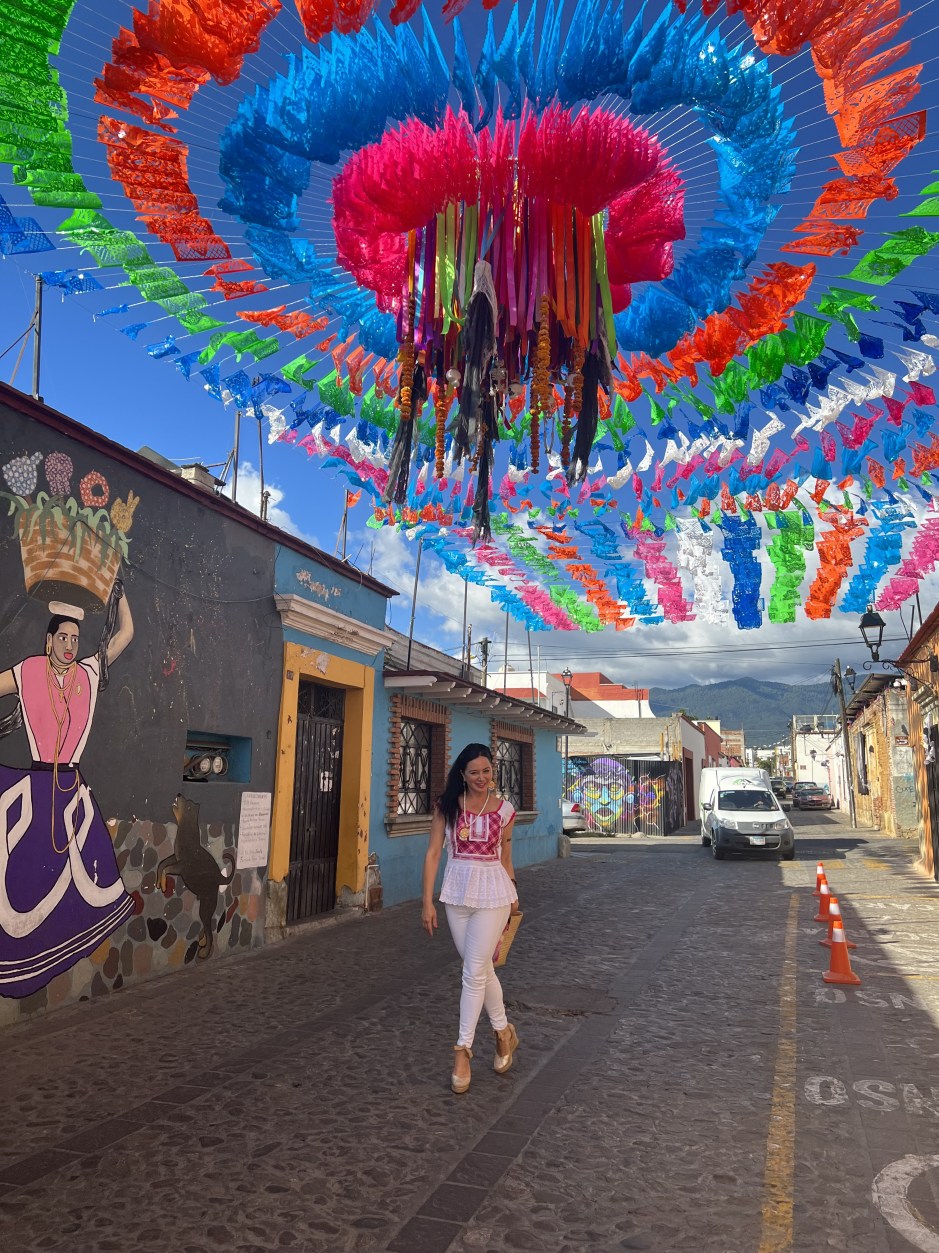
Other meticulous and artistic techniques to admire in this room are cross-stitch, embroidery with fur, thread embroidery, appliqués, crochet, cutwork, jeweled embroidery.

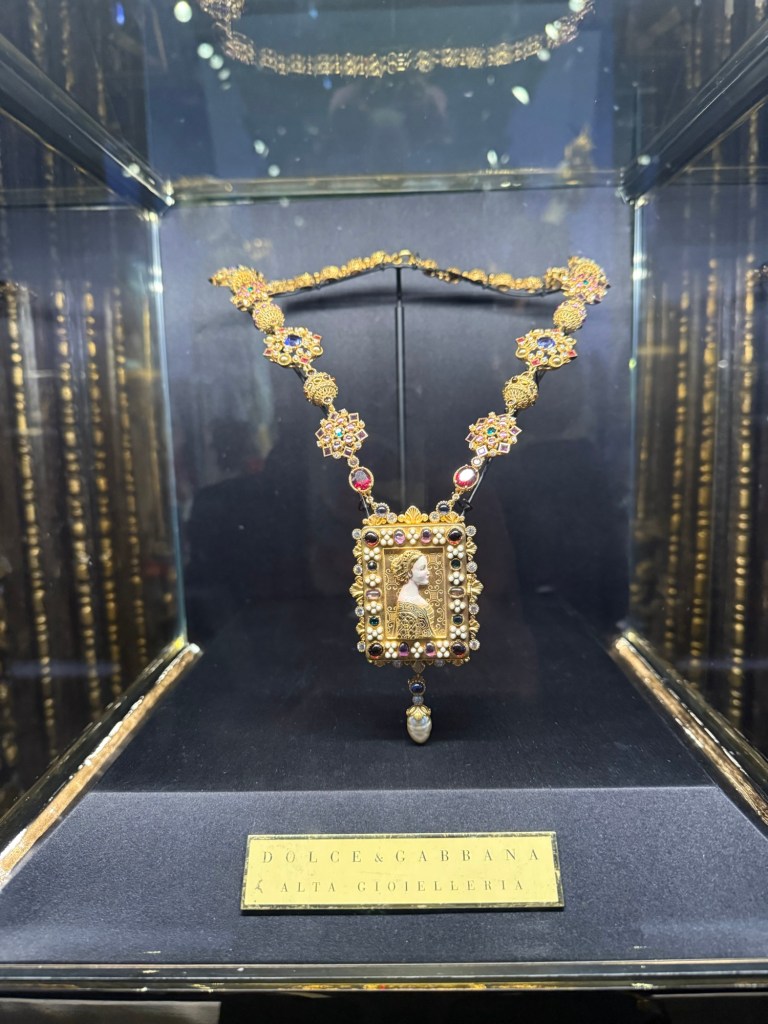
Don’t miss the art by Anh Duong across the room and the unique jewelry displayed across the sidewalks.

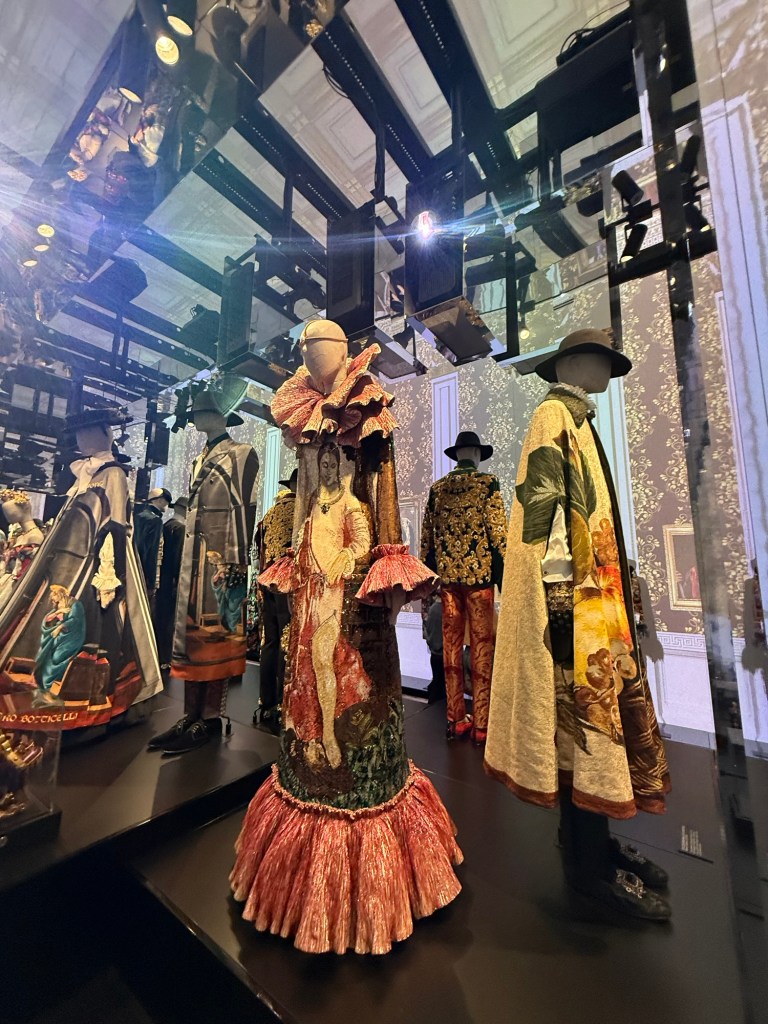
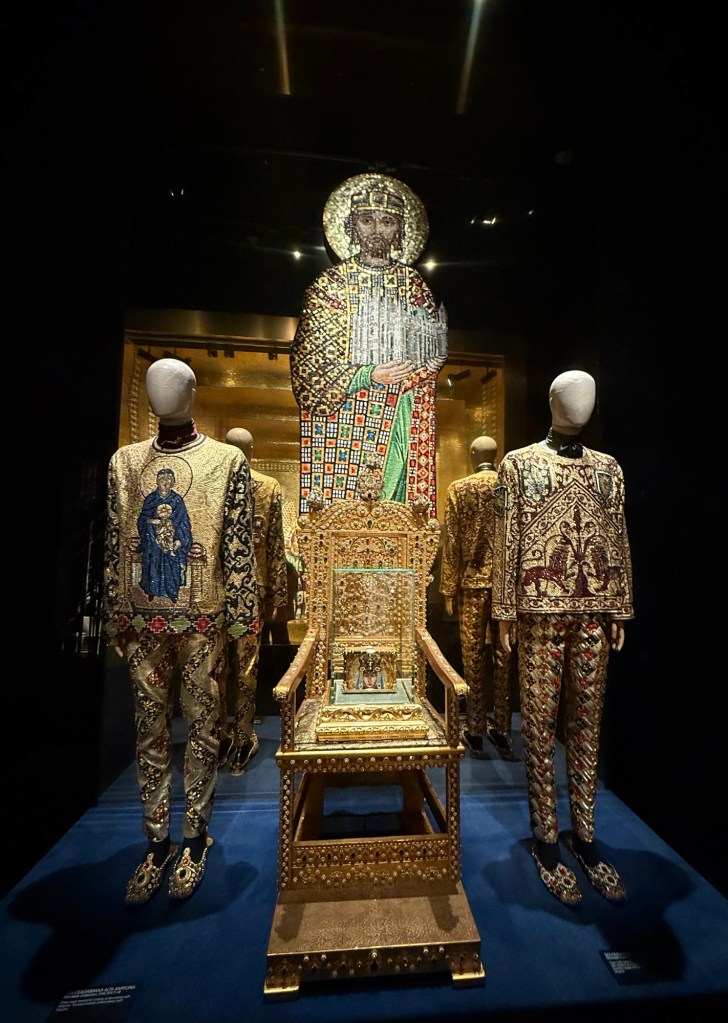
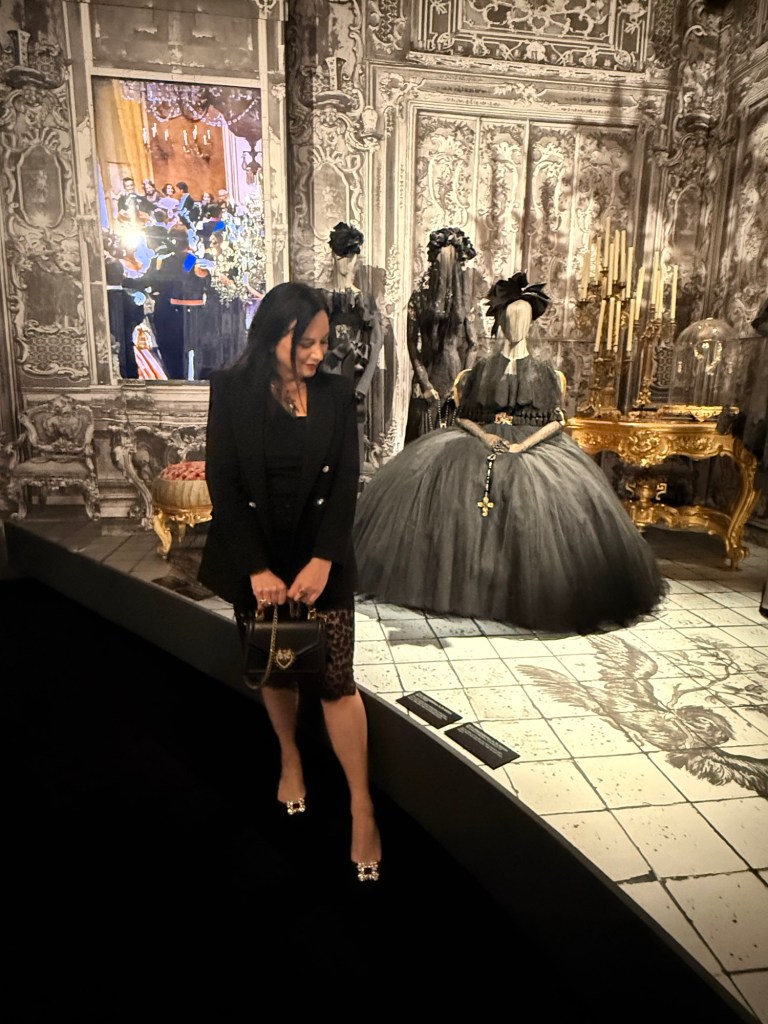
Architectural and pictorial is the next room where we can imagine the architecture and decorations of palaces and churches in different periods, from the Middle Ages to the renaissance, from the baroque to the neoclassical, continuos sources of inspiration for Domenico & Stefano.

Dream of Diviniy, descending from their lofty thrones, the queens of antiquity and mythology step in the catwalks of Alta Moda.

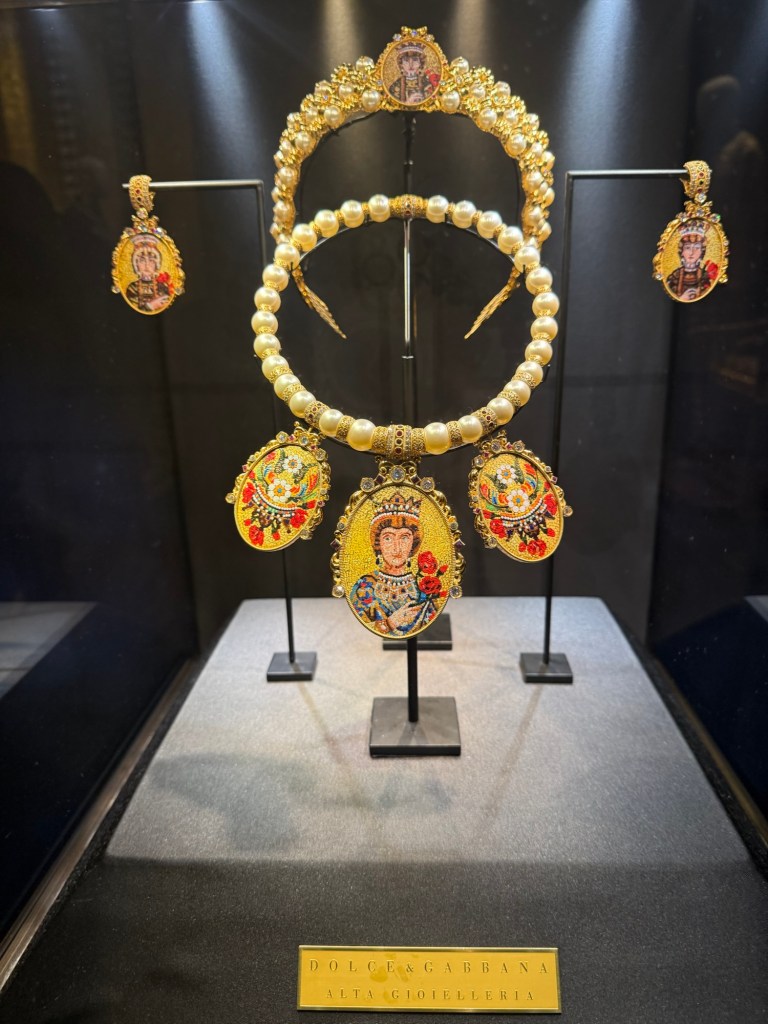
Divine Mosaics in this room, note the displays of the replica of the temple of Concordia in Agrigento, this masterpiece of Hellenistic art is the only temple in Doric style capable of rivaling the Parthenon in Athens.

“The power God has given us to attract through beauty and the fragility inherent in the passage of time”

The leopard, in 1963 Luchino Visconti won the Palme D’Or at the Cannes film festival for his film Il Gattopardo. An adaptation of the novel by Giuseppe Tomasi di Lampedusa, the film is set in Sicily after the arrival of the Garibaldi.

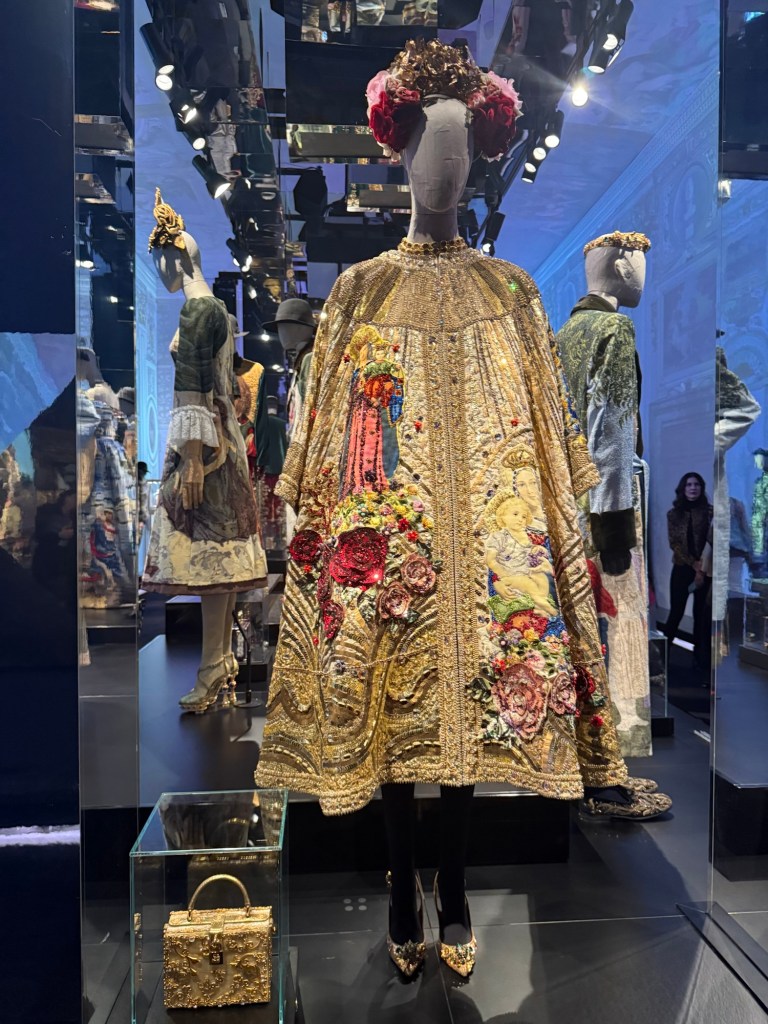
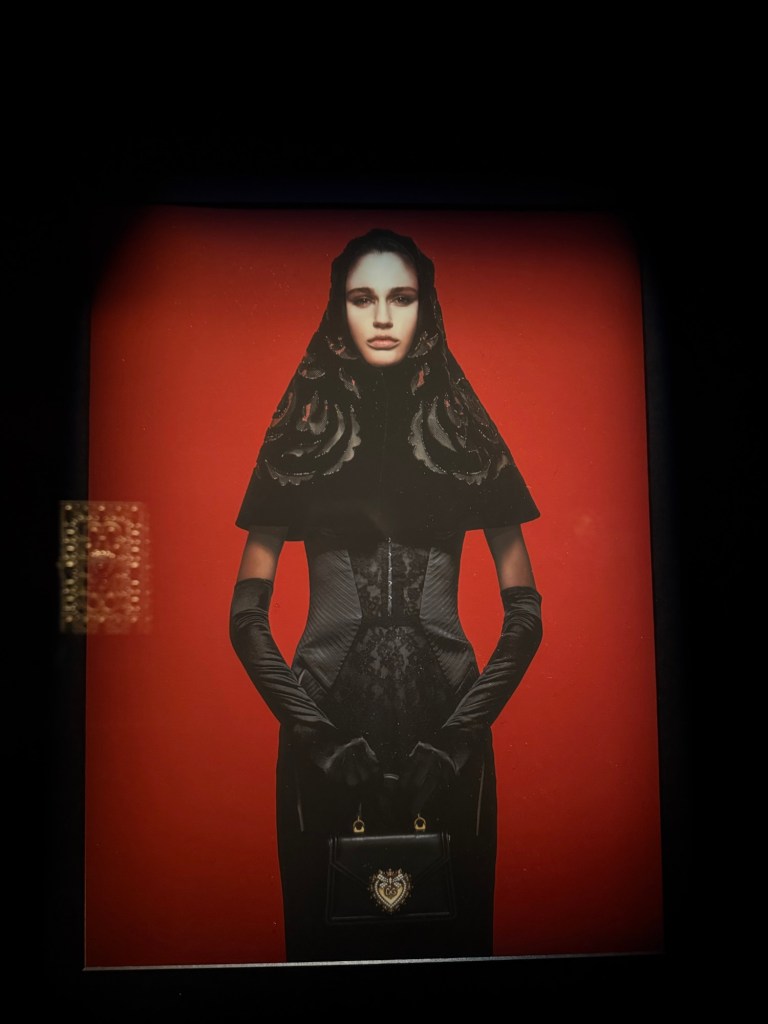
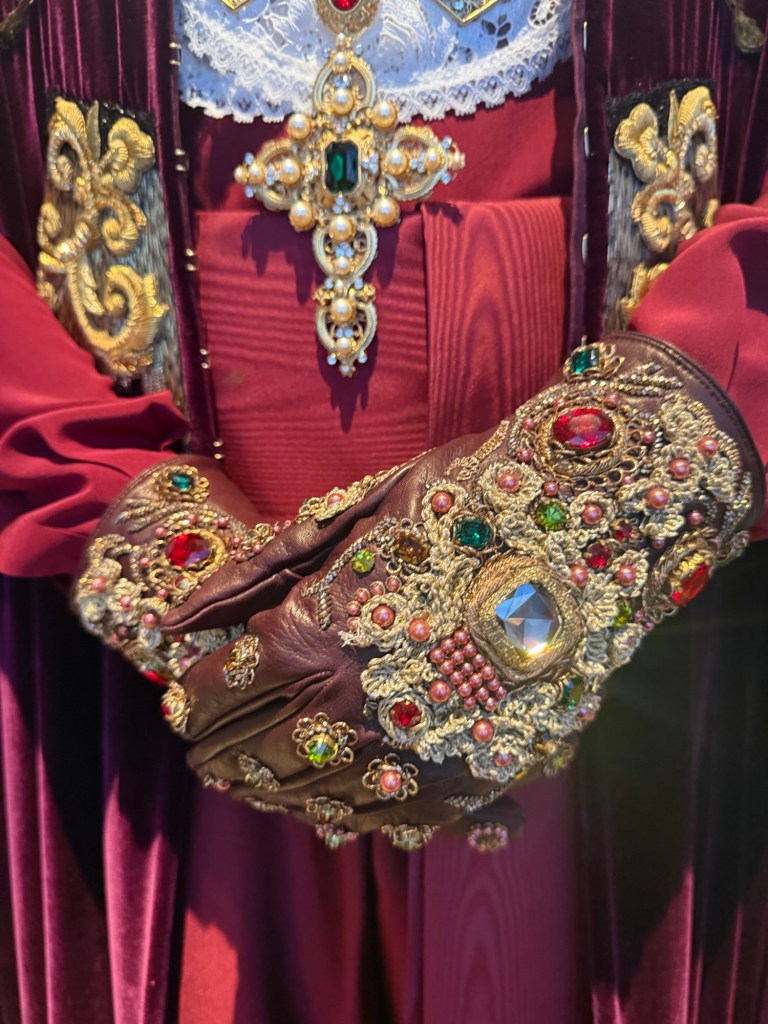
Devotion, Inspired by Baroque art from the sanctuaries under the protection of the Sacred Heart, it continues to shine to remind us that we won’t find eternity without sacrifice. The eternal dichotomy between the human and the divine, between mysticism and penitence; the tears of Lady Mary and her divine heart.

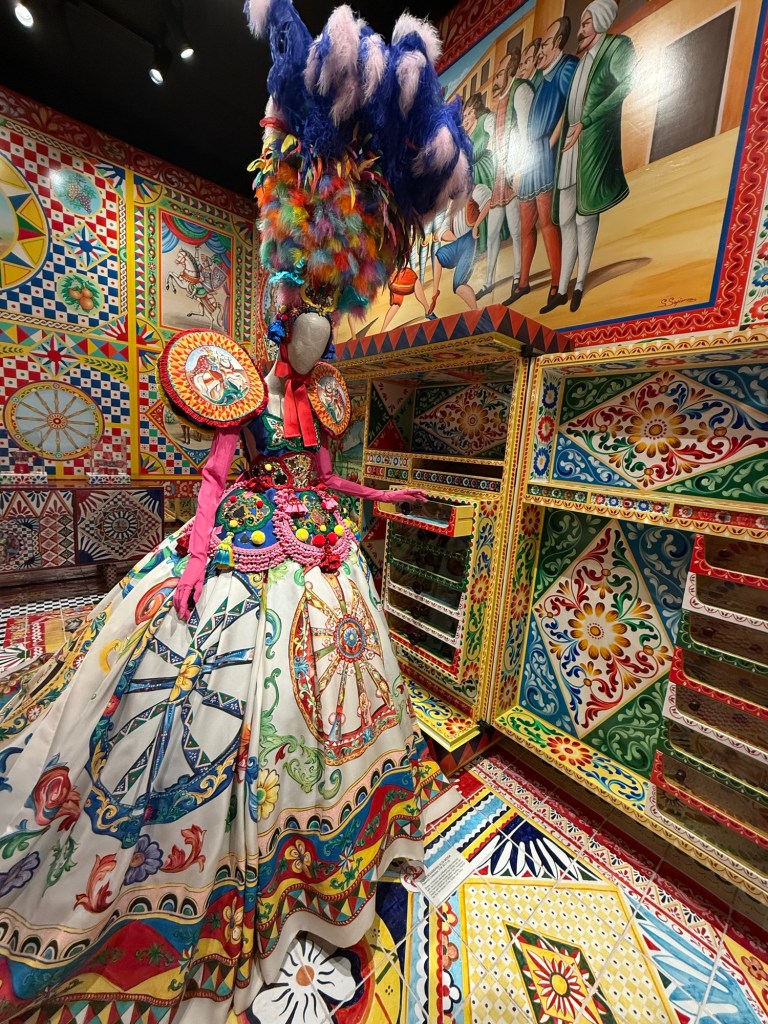
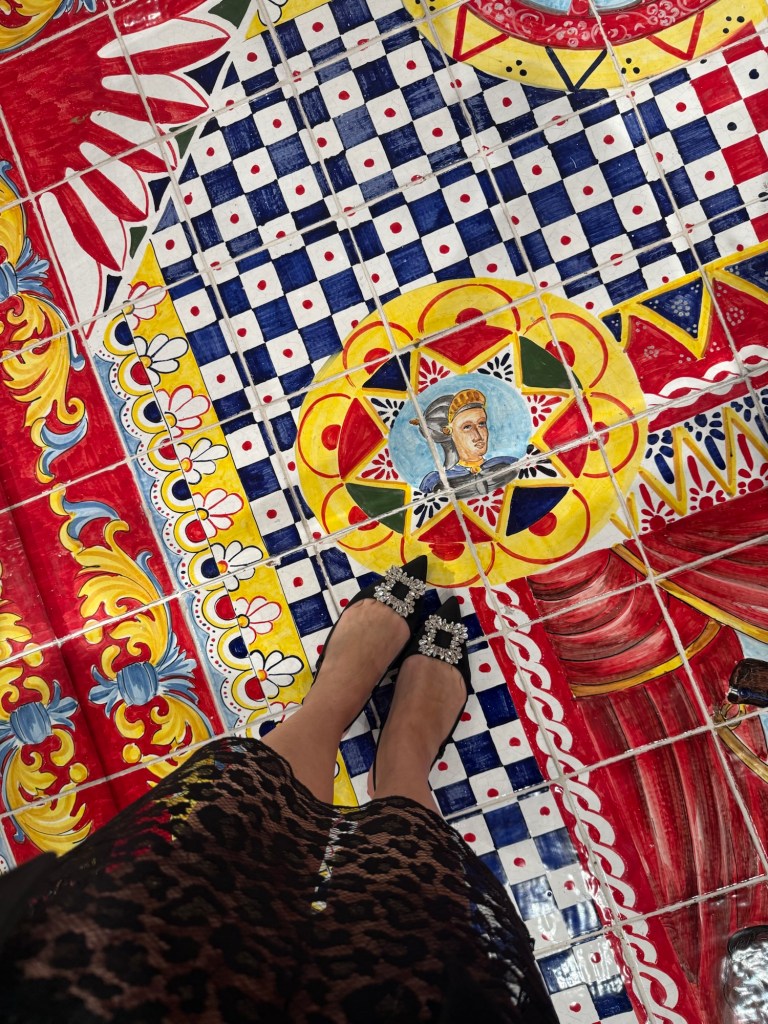
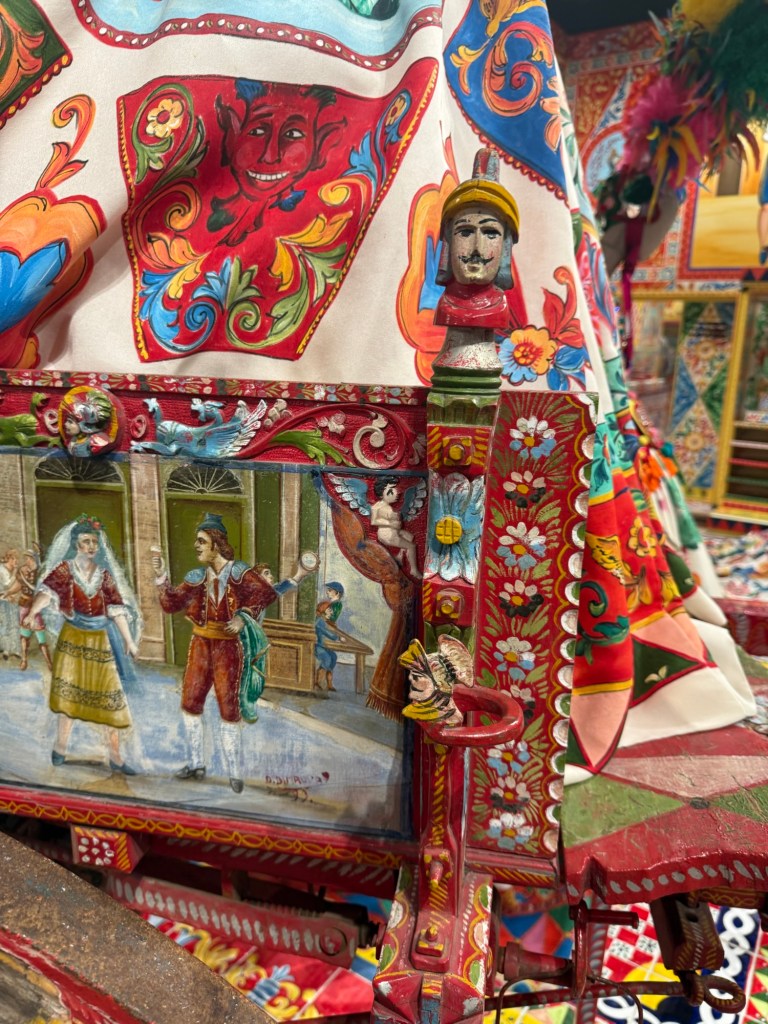
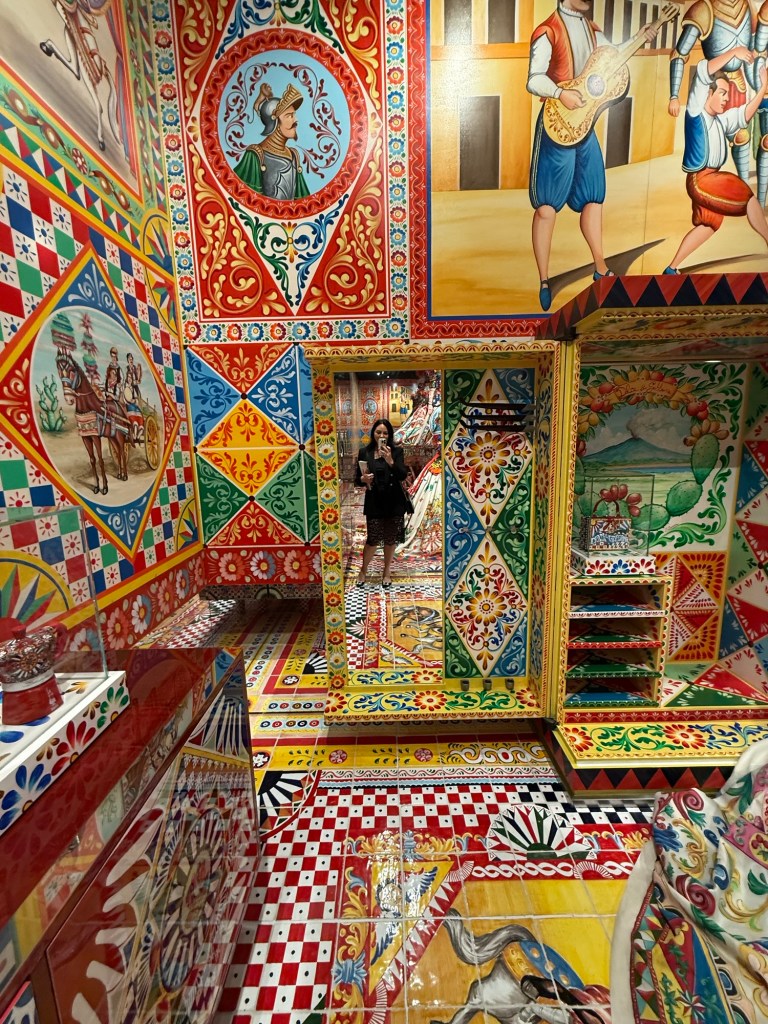
Sicilian Traditions, this is probably one of my favorite rooms, with the exuberant hand-painted Sicilian ceramics and horse-drawn carts.

Sicily’s ceramic tradition dates all the way back to Mycenaean times, with most popular centers in Caltagirone, Monreale and Santo Stefano.

The carretto comes from Greek times but developed into its present form in the 19th century. Families versed in the secret of this craft pass the techniques down to generations.

The most common subject depicted on the designs are the adventures of the Charlemagne and, his heroes. They are also the protagonists of the “Opera dei Pupi”, a marionette show that became popular in the early 19th century.

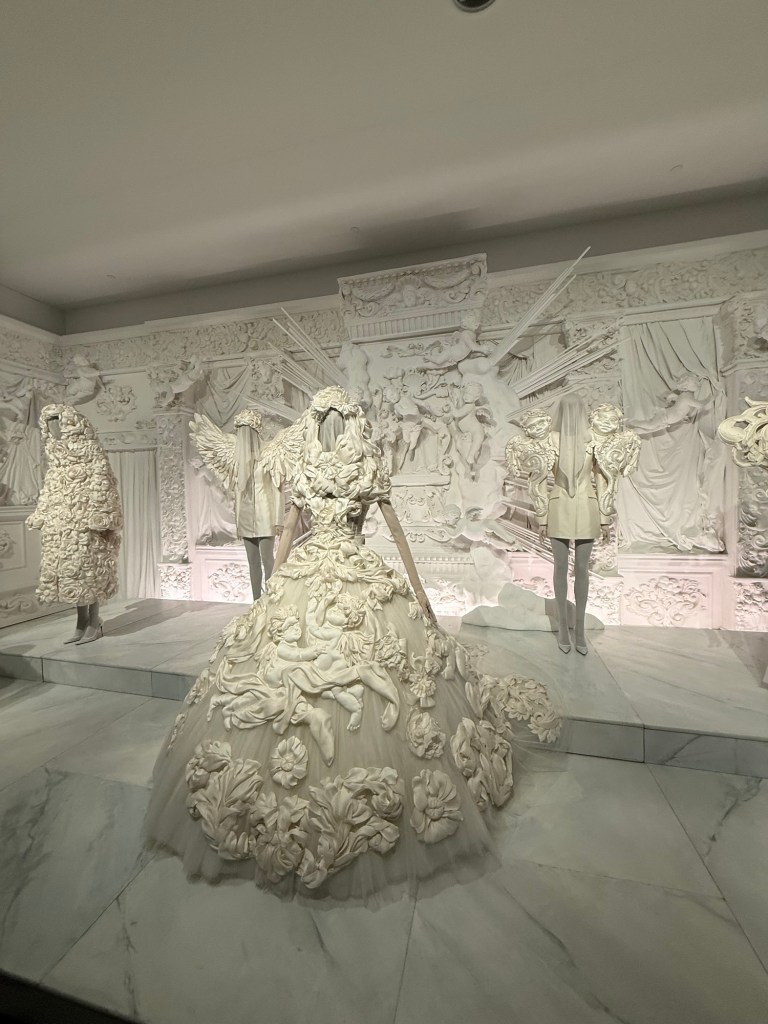
White Baroque; during the rule of the Bourbon in Sicily, Giacomo Scarpetta (1656-1732) gained fame as the creator of the stucco decorations for many religious buildings in Palermo. His inventions include the “teatrini” sculpted niches whose depth and complexity accentuates the interplay of light and shadow.

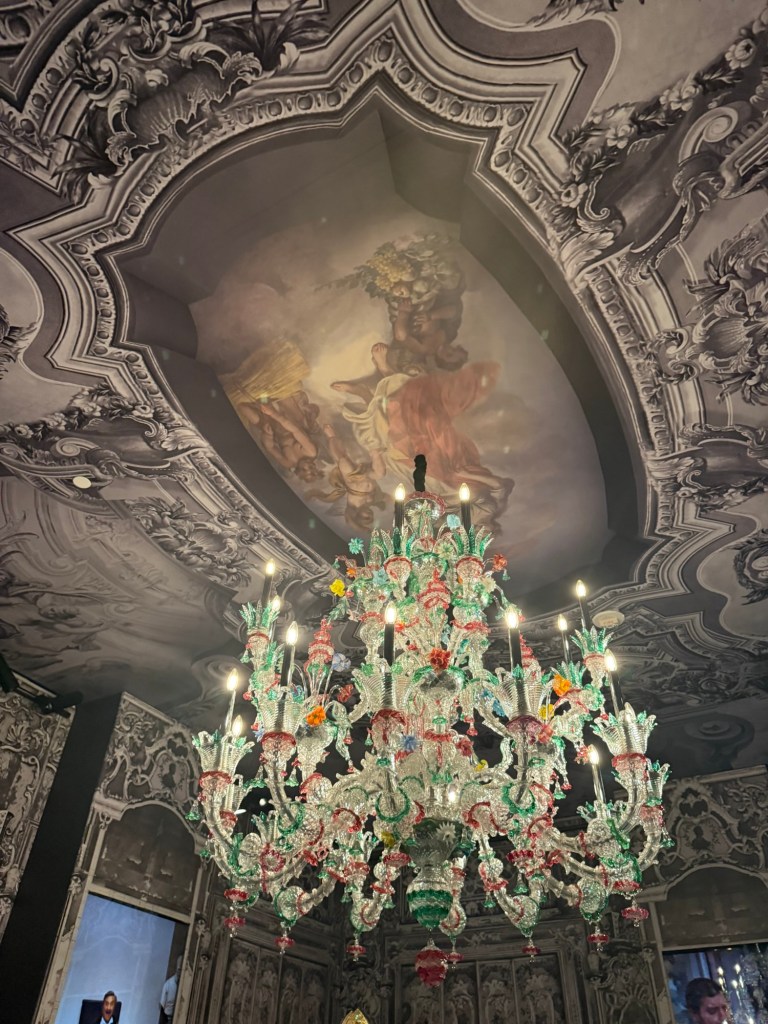
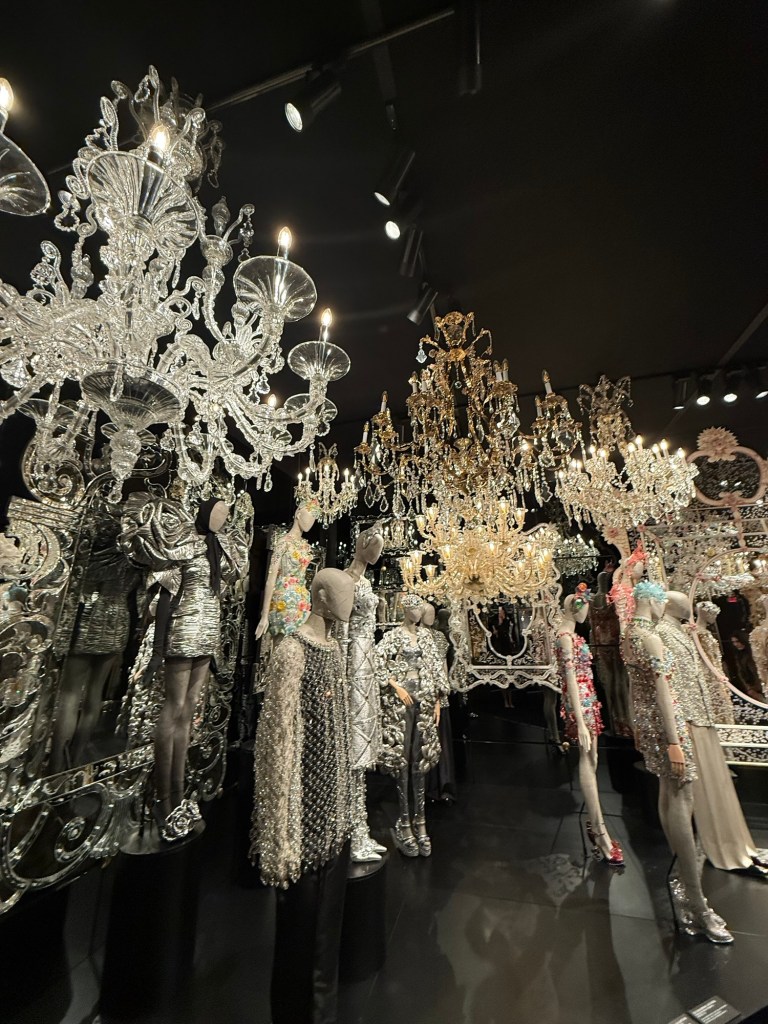
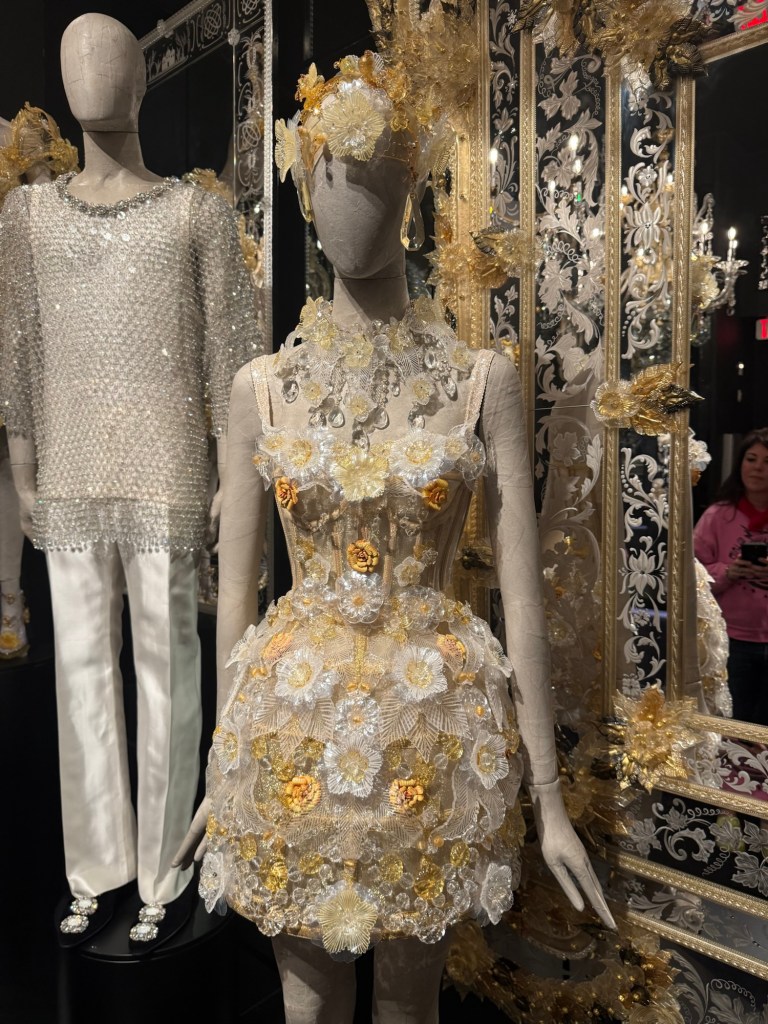
The art and craft of glassworking: in this room, glass embroideries and silver garments respond with their sparkle to the mirrors of the Barbini masters of the famous chandeliers established in 1936 by the Union of two Murano glassmaking families, with roots founded in 1295.

Rome’s eternal beauty, it is one of the rooms that, if you are like me, embedded in the mysticism and spiritualism of a religious education, no matter which religion you profess, it will still move your heart. This is a new addition to the Miami ICA’s exhibit, and at this point, I couldn’t stop a tear or two coming out of my eyes.

In the heart of Ancient Rome, in this sumptuous room, divine inspiration takes form in a compelling tribute to Ancient Rome, the goddesses celebrating the intrinsic divinity of the human dressed in Dolce & Gabbana.

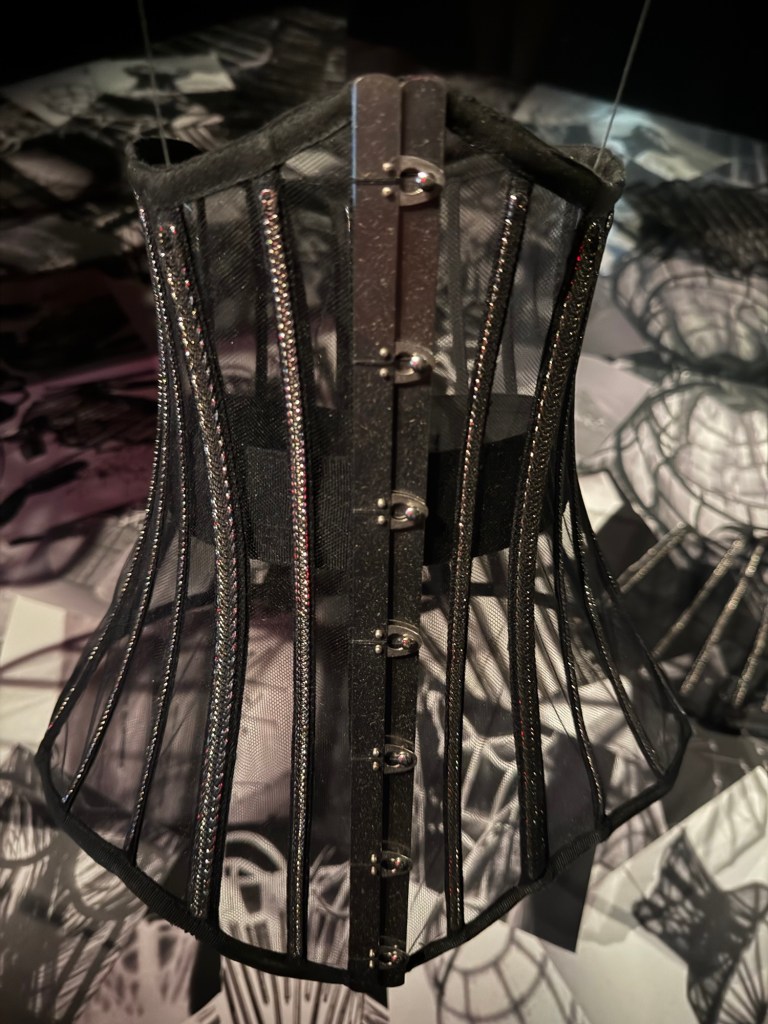
Anatomy of tailoring, the corset is one of the foremost emblems in the history of Dolce & Gabbana. It is a modern homage to the 18th and 19th centuries, the provocative 1950’s.

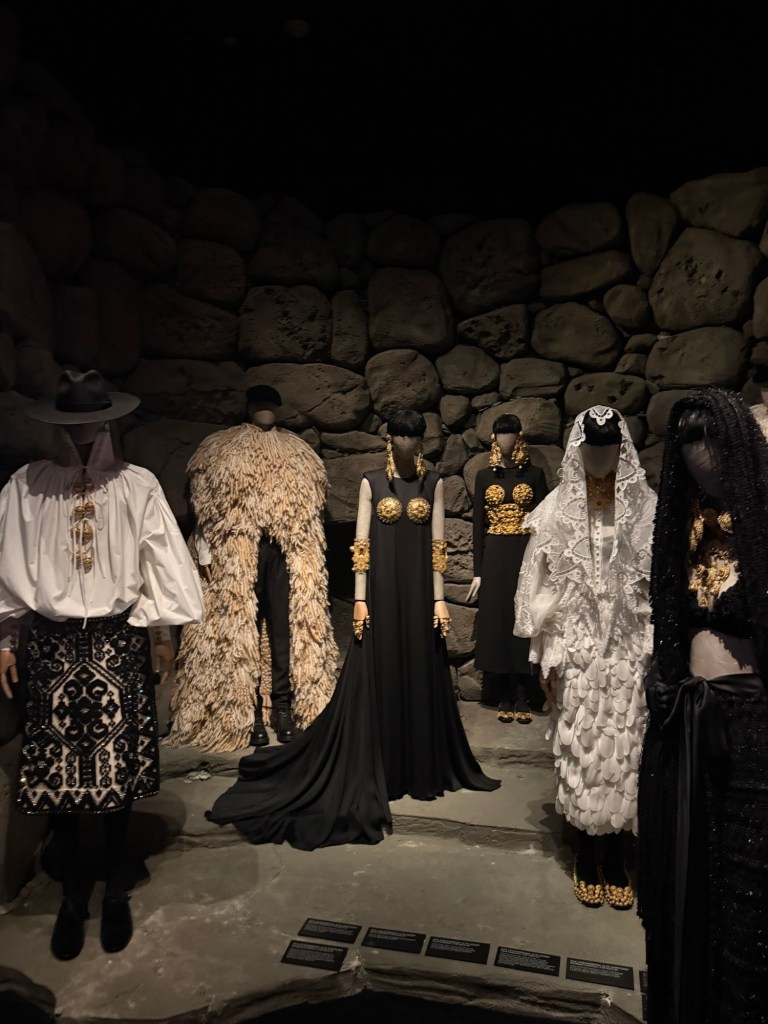
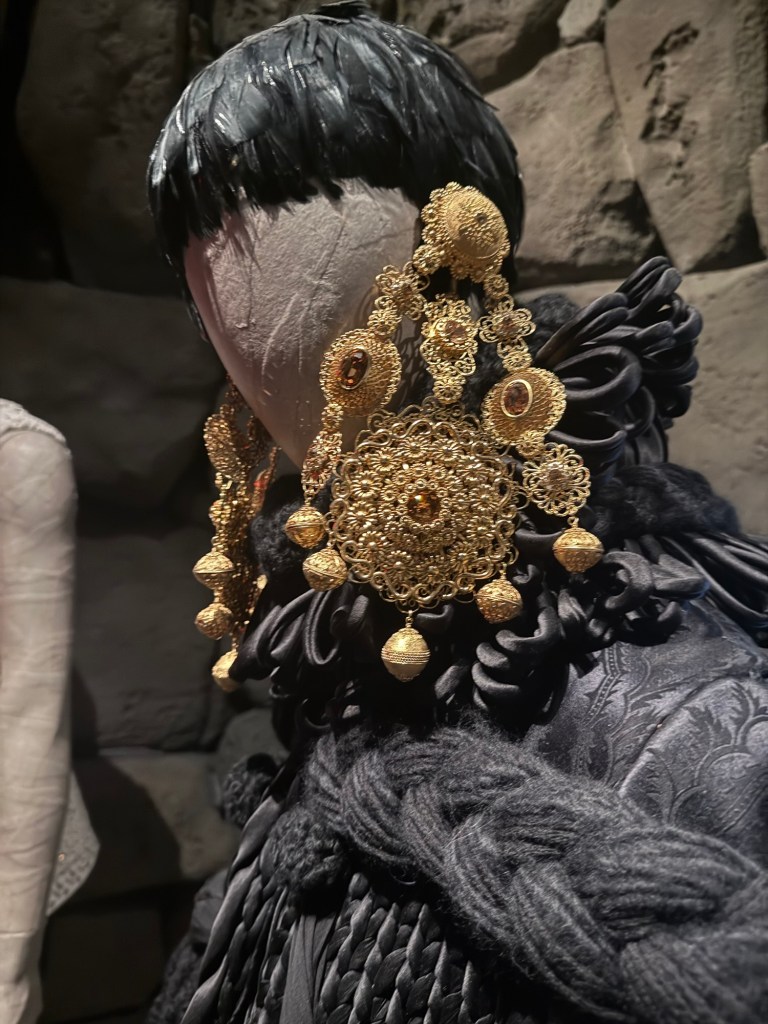
The art of Sardinia, the ancient filigree making in Sardinia, practiced on the island since Phoenician times and later, developed by the Arabs and the Spanish.

The voluminous white and black coats, and blouses recall the “mastruca” the traditional clothes of Sardinian shepherds.

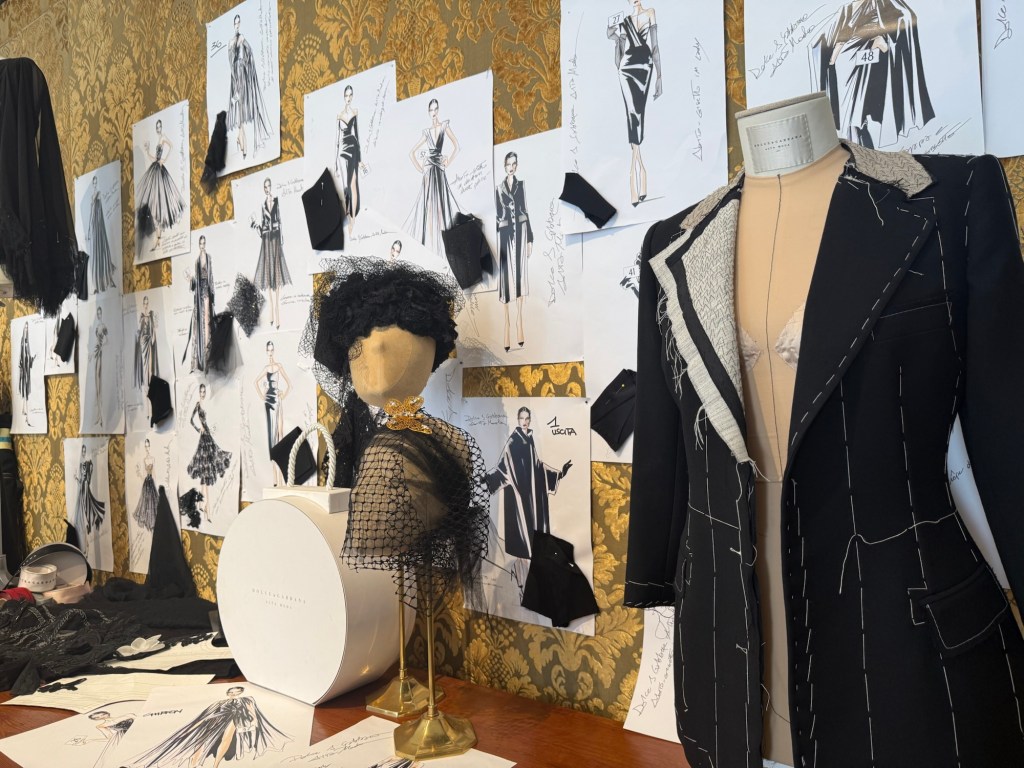
Ateliers, ornaments and volumes: the ateliers are the vital generative force, the beating heart of Alta Moda. Experience live techniques interpreted by various couturiers at the workshop. Furniture and accessories brought from their Milan workshops to Miami.

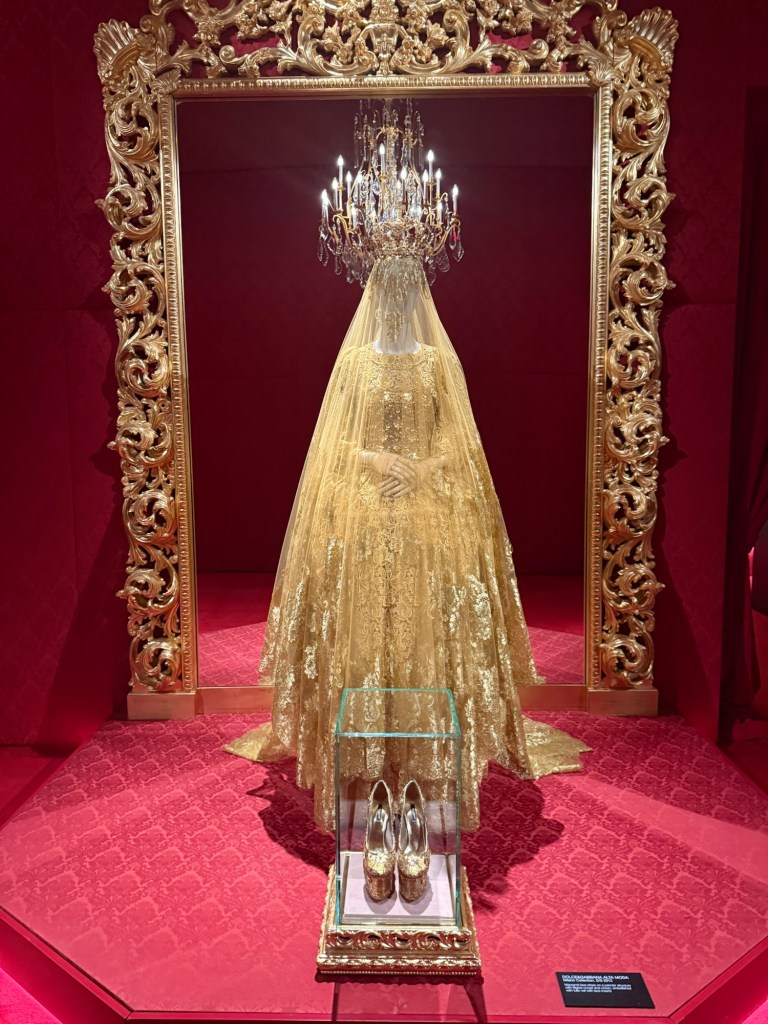
In the heart of Milan, the dress in particular symbolizes something very dear to Domenico and Dolce, Milan. This dress in gold macrame lace and gold filigree jewelry, was envisioned as an homage to the city.

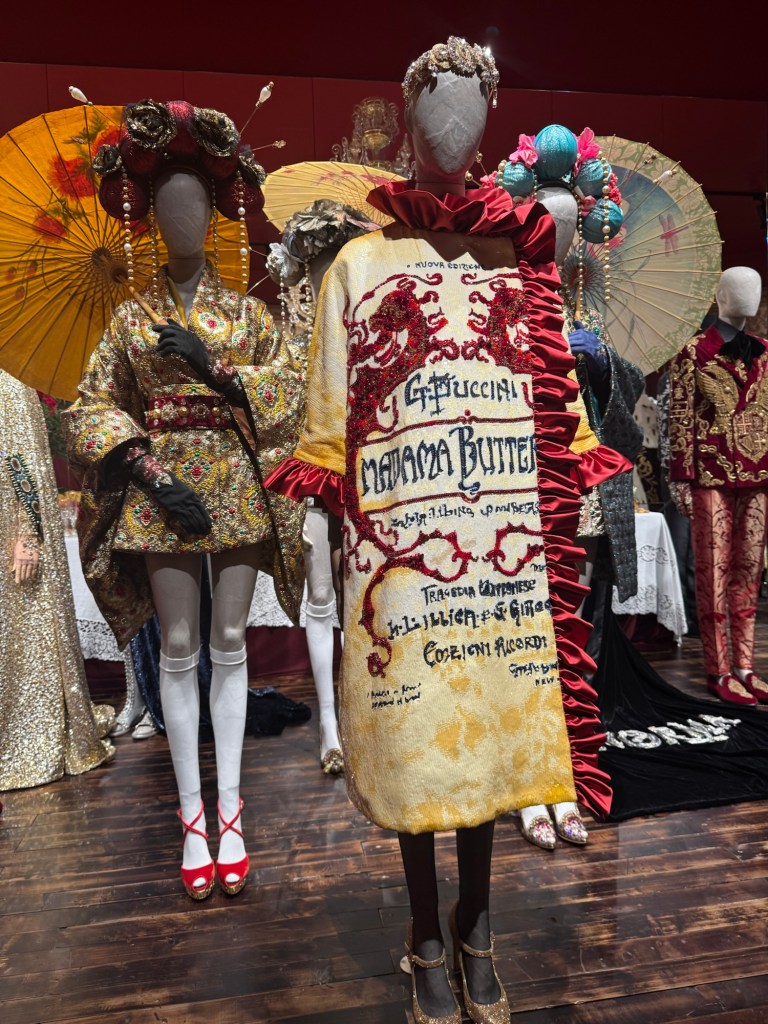
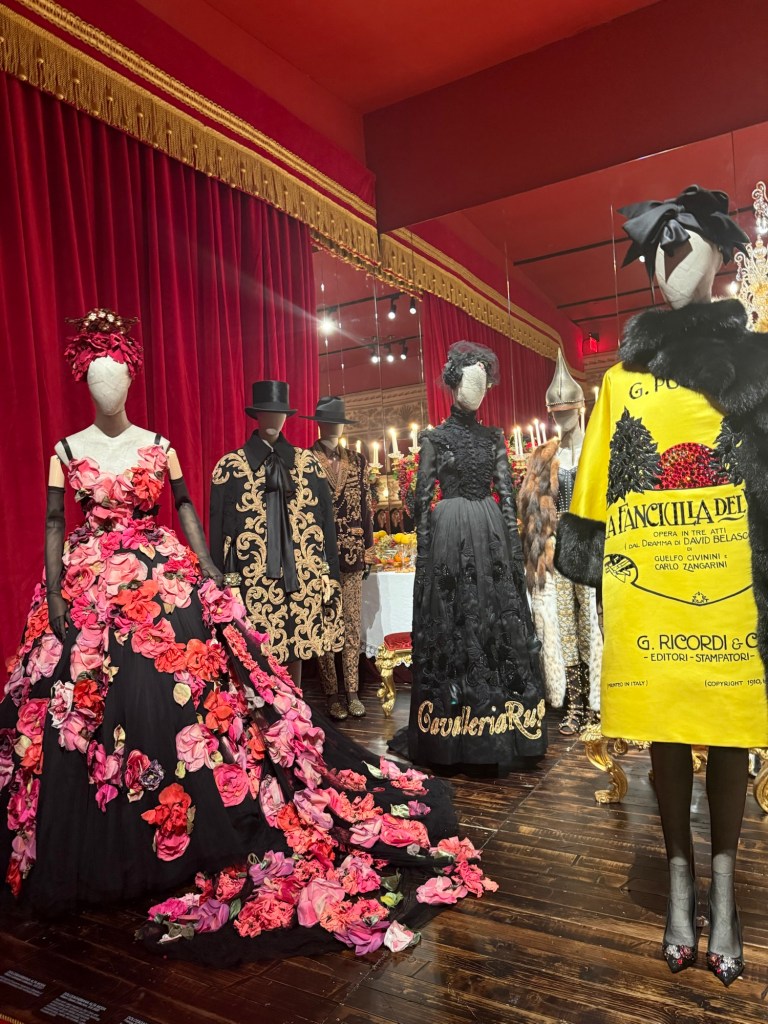
Opera, in the world of Dolce & Gabbana, theater and real life closely mingle in a mutual celebration of beauty. Whether Tosha, Aida or Norma, these female heroins, strong and fragile at the same time, symbolize the feminine ideal of the two couturiers.

Source: “From the heart to the hands Dolce & Gabbana” edited by Florence Müller. Rizzoli 2024

Tickets: ICA Miami

My Guide in Oaxaca

A Land of diversity, Cultural Heritage declared by Unesco, a destination like no other

Oaxaca is not like any other part of Mexico; Oaxaca is a country of its own and that is reflected in the pride of 16 different linguistic groups and 26 sub-linguistic groups in their distinctive 8 regions

The diversity in the culinary and mezcal is impressive counting the different terroirs, soils and elevations as well as the historic taste of each community: Cañada or Sugar cane fields (home of interesting Agricole rums and Oaxacan whiskey), Coast (excellent fish and sea food), Isthmus (most of the representative Tehuana and Muxe cultures, the famous Iguana soup and other delicacies), Mixteca (famous for their corn), Papaloapan (border with Veracruz, famous for their coffee and cacao), Northern Highlands, Southern Highlands, Central Valleys (where you will be mostly touring and will have all the diversity of agaves for the mezcal production).   

Some recommendations:

·      Most places, especially markets, taxis, stores, artisan shops, only accept cash in Oaxaca, credit cards only at fine dining restaurants and mixology bars.  Always have Mexican pesos and if you need to, check with your bank which bank partners have no foreign commissions on transactions.  Remember that US dollars are very low now and change is at around 16.28.  You can exchange at the airport upon arrival and at the historic center at the exchange shops, just check the rates first.

·      There’s no Uber in Oaxaca but there’s an app call Didi that you can download and place your credit card, it connects to yellow taxis and the rates are lower than negotiating with taxis on the street, I recommend to set the app to “Pay with cash” because when the driver sees that you are paying with CC on file, he can just cancel your trip because it takes longer for them to get paid.

·      Always take a yellow cab; if you see a red or blue cab, those are called independent or “foraneos taxis” and connect closest cities but they are not allowed to enter inside the city center of Oaxaca, you may end up your trip far from your hotel if you take one of those taxis, paying the same rate.

·      Getting around with taxis in Oaxaca can be a pain because they can technically charge you anything; always ask first how much the ride will be from your place to a place you go and agree to it.

·      Tips are voluntary and servers always ask if you want to leave tips.  US nationals are always the most generous but servers are not used to more than 10 or 15% gratuity.

·      Always wear comfortable shoes, you walk a lot in Oaxaca

·      Always wear sunscreen, hats, sunglasses, sun is pretty strong 

·      Keep yourself hydrated, never drink water from the faucet, not even to brush your teeth, use bottled water.

·      Have some repellent, there are mosquitoes in the villages and there’s dengue going on right now.

·      Oaxaca is pretty safe but avoid walking on dark streets during late hours (midnight and up) at the historic center.  If you exit from a Mezcaleria try to always go on main streets; you will see the lively scene but always keep an eye on your back and surroundings.   

·      In any situation enjoy everything that Oaxaca has to offer: the gastronomy, the mezcal, the craft and the lively scenery because every day in Oaxaca is a celebration; you will see most of these “calendas” or processions with dancers, giant props “monos”,  globes “marmotas”, live marching bands and all of that is just part of their daily lives and is free for the public to see it and enjoy around the main streets of the Santo Domingo Temple.  If you just walk around there or have a coffee or drink at a rooftop nearby Santo Domingo at around 5 to 7 pm each afternoon; you will experience it, most-likely is wedding or a Quinceanera (Sweet 15 celebrated in Oaxaca) depending of the date it is also a celebration of a Saint Patron (they have so many all year long)

The Santo Domingo Temple is the center of the everything that happens around the city of Oaxaca
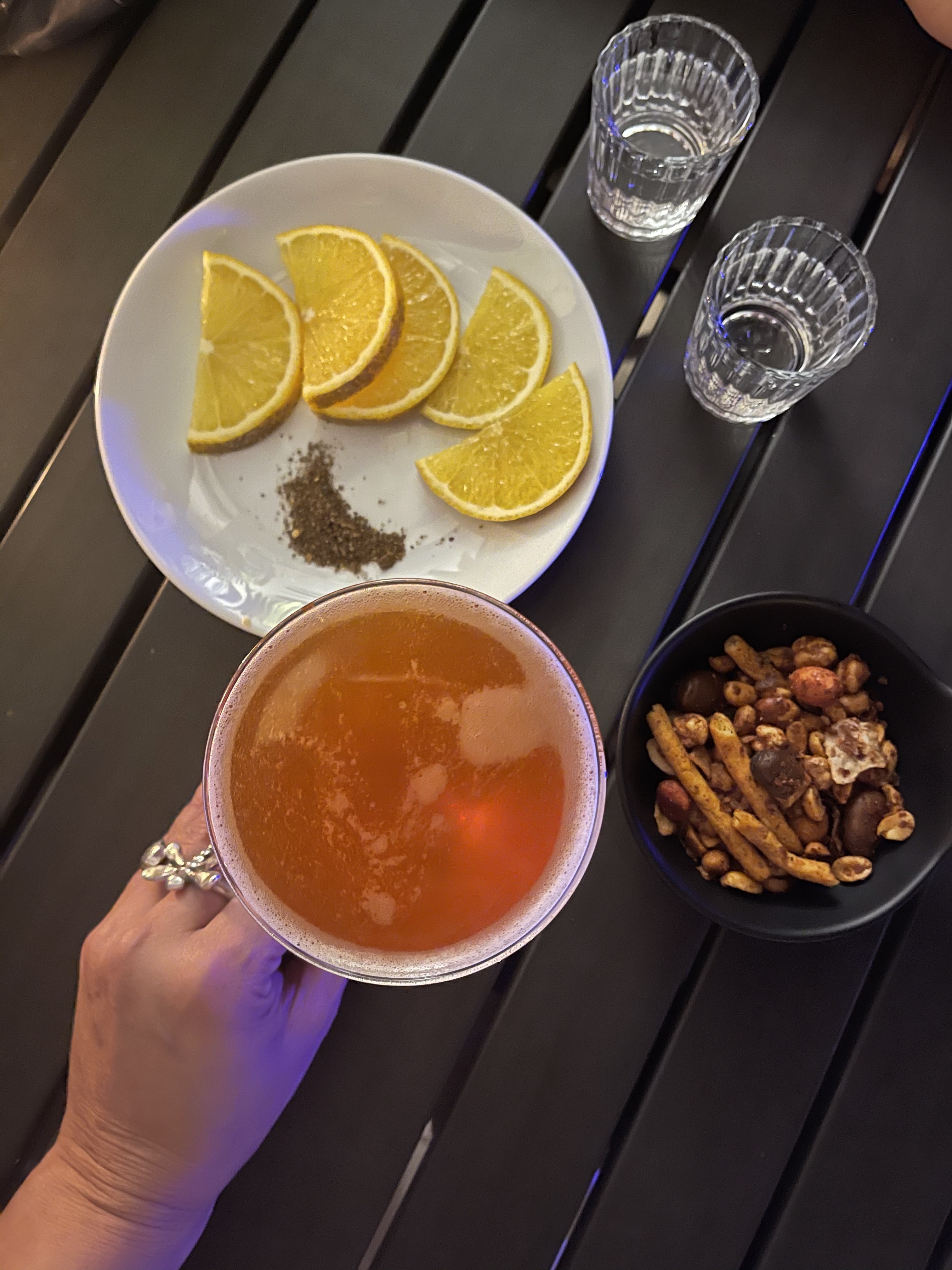
Mezcal service and cocktail offerings at a local Mezcaleria in Oaxaca city
Mezcal service and cocktail offering at Casa Oaxaca

Culinary etiquette and must tries in Oaxaca:

Memelas: Handmade white corn patties made of “masa” they are always made to order in the comal (kind of like a hot clay grill) once cooked, the memelas (thicker than regular tortillas) are brushed with “asiento” (pork lard) placed again in the comal, they add “frijoles” (beans puree) “quesillo” cheese (often called “Oaxaca Cheese” but the correct name is “Quesillo”) those are the basic ingredients but you can add toppers such as: meats “tasajo” (a thin slice of beef) “Cecina” (a thin slice of marinated in chiles beef).  Memelas are usually taken for breakfast with “café de olla” (if you are an espresso person, you may not like it as it is diluted with water; coffee cooked on a clay pot with spices such as cinnamon, cloves and it is already sweeten with “piloncillo” (unrefined cane sugar paste) 

Memelas and salsitas service at Ancestral restaurant in Xochimilco

Tlayudas: These are white or blue corn patties made by hand and then pressed to make them very thin; cooked at the comal and then left to dry.  They can remain edible for a long time in airtight containers.  Some foodies describe them as the Oaxacan pizza, the tlayudas are something so traditional of Oaxaca that you can’t leave without trying them.  Once the thin patties are ready and crispy, they are placed at the comal and “asiento” is added (if you are vegan or for religious reasons you could ask them to make it without asiento or with a vegan base asiento (most established restaurants can accommodate), then the frijoles, then quesillo (the main ingredient in the tlayuda) avocado slices, you have a choice of Cecina or tasajo and is accompanied with roasted green onions and radish. 

Salsa verde and salsa roja: These salsitas are always present to accompany any dish, the green sometimes can be very spicy as it is made with habanero, the red can be a mix of mild chiles, some restaurants make these salsas in front of you and you can choose the salts you want and level of spiciness. 

A traditional Oaxacan platter with meat, grilled cheese, guacamole, chiles, pork, sausage, bean, salsa roja and totopos (corn chips)

Chapulines: the roasted and seasoned crickets are the signature topping for any dish in Oaxaca. They contain more protein than a slice of beef.  You can find them in all sizes and can eat them as a snack, on top of guacamole they taste fantastic, with salty peanuts and nuts.  They are also grinded and made into salts.

A vendor stand at the Merced market with an assortment of chapulines salt and other favor “botanas” (appetisers)

Sal de Gusano: the worm that is around the maguey (agave) is soaking the agave SAP and is rich in flavor; it is collected and let to dry, then roasted and ground with spices to be converted into salt. It is served along with orange slices, green apples or jicama after a sip of mezcal but is preferred to have just the mezcal without any of that and use the gusano salt mostly as a rim for cocktails. 

Mole: there are 7 different types of Mole in Oaxaca as opposed to Puebla where there is only 1.  The competition has always been there as to who makes the best mole, but the reality is that each family in each region of Oaxaca has a signature recipe and their traditional mole for each occasion.  On my recommendations there are some moles to taste in restaurants but you can also taste some at the mercados or towns nearby and see the difference.  

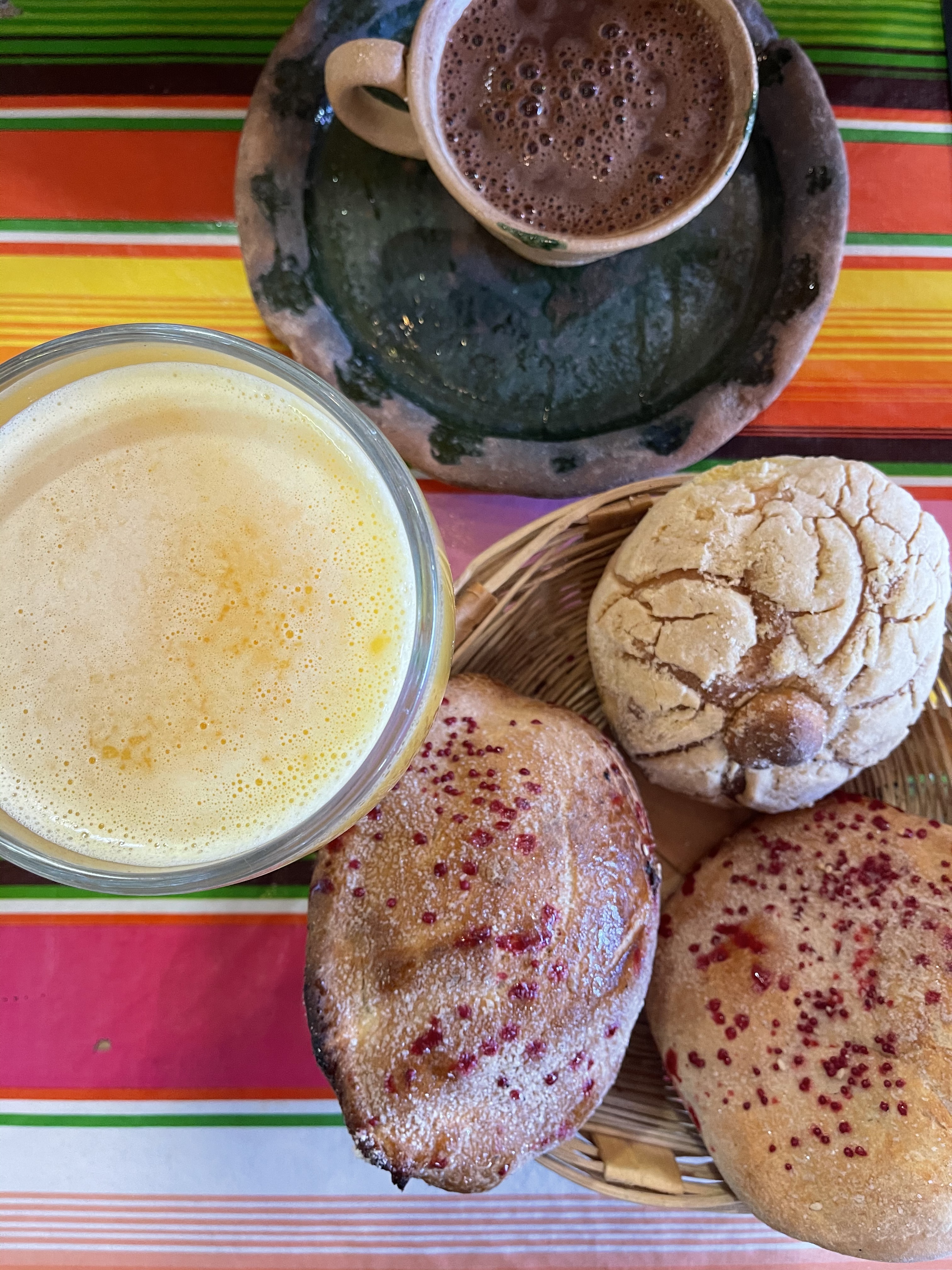
Chocolate: in Oaxaca they will offer you for breakfast even before coffee a Chocolate de agua (basically a non dairy hot chocolate) and a Chocolate con leche (a hot chocolate on hot milk) the beverage is very rich in flavor and already has lots of added sugar, vanilla and roasted almonds.  The basic chocolate paste is made on the metate (an ancient stone grinder).  On my recommendations you can also visit a traditional Chocolate factory at one of the mercados where you can see the process, now made in metal grinders, is still very old fashioned.  The most important thing about the chocolate they serve you is that they will use a green or red clay jar and a molinillo (some kind of a wooden wisp) to make the bubbles right in front of you. If it doesn’t make bubbles, the hot chocolate is not perfectly served.

The famous Oaxacan Chocolate served in a clay jarrito at La Merced Market

Tejate: an ancient drink that had ceremonial purposes in the past.  It is very refreshing and you will see it in the streets served from giant clay containers on “jicaras” hand painted gourd vessels, you can also ask for a plastic container to go.   

Pan de Yema or Pan Dulce: an egg, water, flour and pulque (fermented agave SAP) yeast, some bread makers now use baker’s yeast.  They will always serve you this bread (that is the original recipe for the Pan de Muertos) with a chocolate beverage or coffee.  The Pan dulce will have some variations on shape and the crusty top (also called “conchas” in other parts of Mexico). 

Pan de yema and pan dulce served with chocolate and orange juice at La Merced market

Barbacoa: best barbacoas you will find at the village’s markets; the most popular barbacoas are the ones of the village of Zaachila which was the last capital of the Zapotec empire and about 40 minutes from the center of Oaxaca or in the Tlacolula market (about 40 minutes from Oaxaca’s city center) Barbacoa can be of sheep, goat or cow but most popular and rich in flavor are the first two.  Beef is first marinated with spices and then cooked in an underground oven, a mezcal bottle is placed next to it as a blessing.  You can also experience and see the “destapada” when they open the oven and serve you a copita (tiny glass) of warm mezcal to open the appetite before having the barbacoa for breakfast or lunch. Usually it is the meal/brunch on Sundays.  At markets it is served with a generous dish of soup from the barbacoa itself and large tortillas with all the toppings to make your own barbacoa tacos.

Aguas Frescas: at any restaurants or markets the aguas frescas are always available and since this is pure fruit juice, you have all the variety that the tropical and sub-tropical region has to offer.  

Nieves: These are Oaxacan sorbets, made with real fruit, water or milk in the old fashioned way (wooden tanks) . They have great flavor.  Some of the best nieves are at La Oaxaqueña Plaza de la Danza, on the same plaza of La Soledad Church, this is great area to have a seat and enjoy the sunset or after a meal, have some nieves and listen to the marimba (steel drum) players that are always there.  

Mezcal: the pride and joy of Oaxaca is Mezcal, I have recommendations on the next posts of some of my favorite mezcal routes and mezcalerias as each region has a signature mezcal making and agave diversity as well as each region’s microclimate, water and terroir will influence on the final product.  What used to be a drink of the community made in small batches for that special occasion is today a fashionable spirit praised by bartenders around the world and loved by millennials. Today is the fastest growing spirit category. 

Mezcal service with worm and chapulines salts

©️2023 Montserrat Franco

Faena: More than a Hotel: Art, Culture, Gastronomy and its creative mastermind


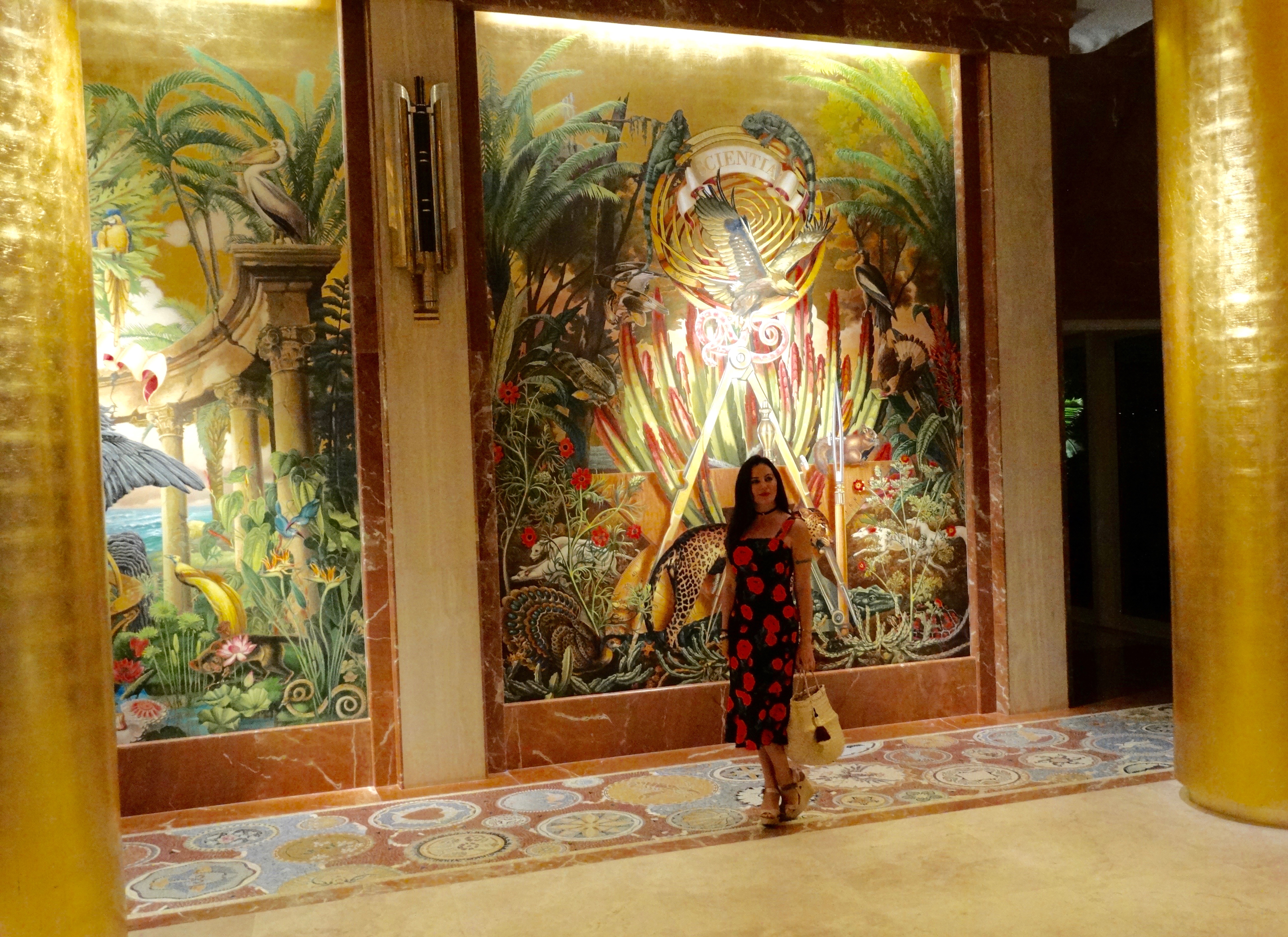
When entering the opulent Faena Hotel is like submerging in to a Cathedral of art; murals and mosaics by renowned Argentinian artist Juan Gatti called the Coined Utopia (Faena + Utopia) a depict of the Journey of Life and a vision of Alan Faena’s magical world.

DSC04517
Montserrat Franco in front of Juan Gatti’s “Coined Utopia” at Faena Miami Beach wearing Dolce & Gabbana

Alan Faena; the orchestrator of this Hotel Universe; has always been the utopian businessman; when believing in areas that no one will give credit to; decades ago back in Argentina, transforming and making its own empire from marginal to chic; like a Midas touch; everything turned in to gold.

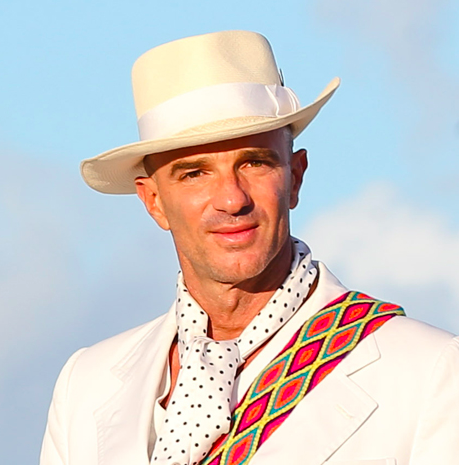
When understanding the Faena’s “cosmovision”; his own style that has been evolving as the Urban Alchemist; dressing in pristine white and a dandy hat but with a folk accessory to complete the outfit: an Indian wayuu crossbody bag. We want to show you more about his fantastic world and here we are for the experience.

Screen Shot 2016-11-02 at 11.07.16 AM
Alan Faena

Golden columns and red carpet guide us to the Living room, the tropical lounge retreat with a curated live music set nightly; elaborated mixology and that feeling of being on your best friend’s living room.

Los Fuegos by Francis Mallmann: A few steps right after we are at Los Fuegos by Francis Mallmann; crowned the Ambassador of Fire; Francis Mallmann brings his own South American “Gaucho” mastery for “asado” as the traditional way on his custom designed wood fired grill.

One of the distinctive points at the Faena is the golden mammoth installation by Damien Hirst; “Gone but not forgotten” is an example of the unexpected bringing us back to reality and what is here to stay. The path will take us to the beach on a dreamy oasis of white sands flanked by the characteristic red and white stripped umbrellas with endless tassels; in the Middle East tassels were worn as amulets for protection; tassels can be seen on the decor around the Faena complex.

IMG_9621
Damien Hirst: “Gone but not forgotten” Montserrat Franco wearing a Pitusa Sevillana dress

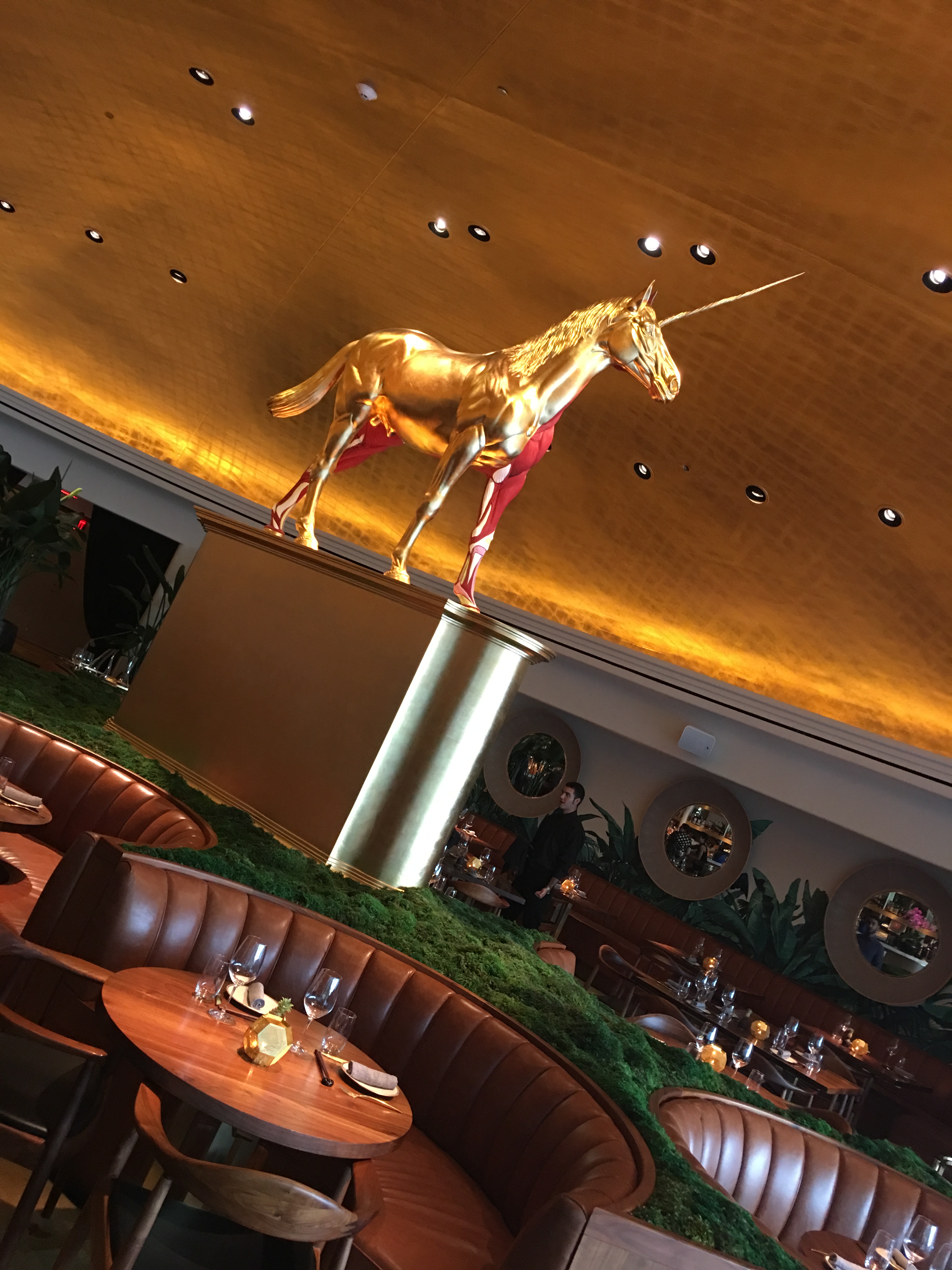
Pao by Paul Qui:  Coming back to the dining areas; we are ready to contemplate the stunning views from the terrace at PAO by celebrity Chef Paul Qui; a James Beard winner brings his Pan Asian flair to Faena’s fine dining arena; from stylish presentations to harmonious flavors; the crudos, kinilaw, ceviche, sashimi or tiradito are once again a delectable sharing experience all paired with a cult and collectible wine list under the tutelage of the sommelier team at La Cava. Another Damien Hirst sculpture of The Unicorn; half gold, half alive in the middle of the dining room is a true expression of the dichotomy myth + reality in Faena’s universe.

IMG_0531
Damien Hirst: The Unicorn at Pao by Paul Qui

IMG_7381
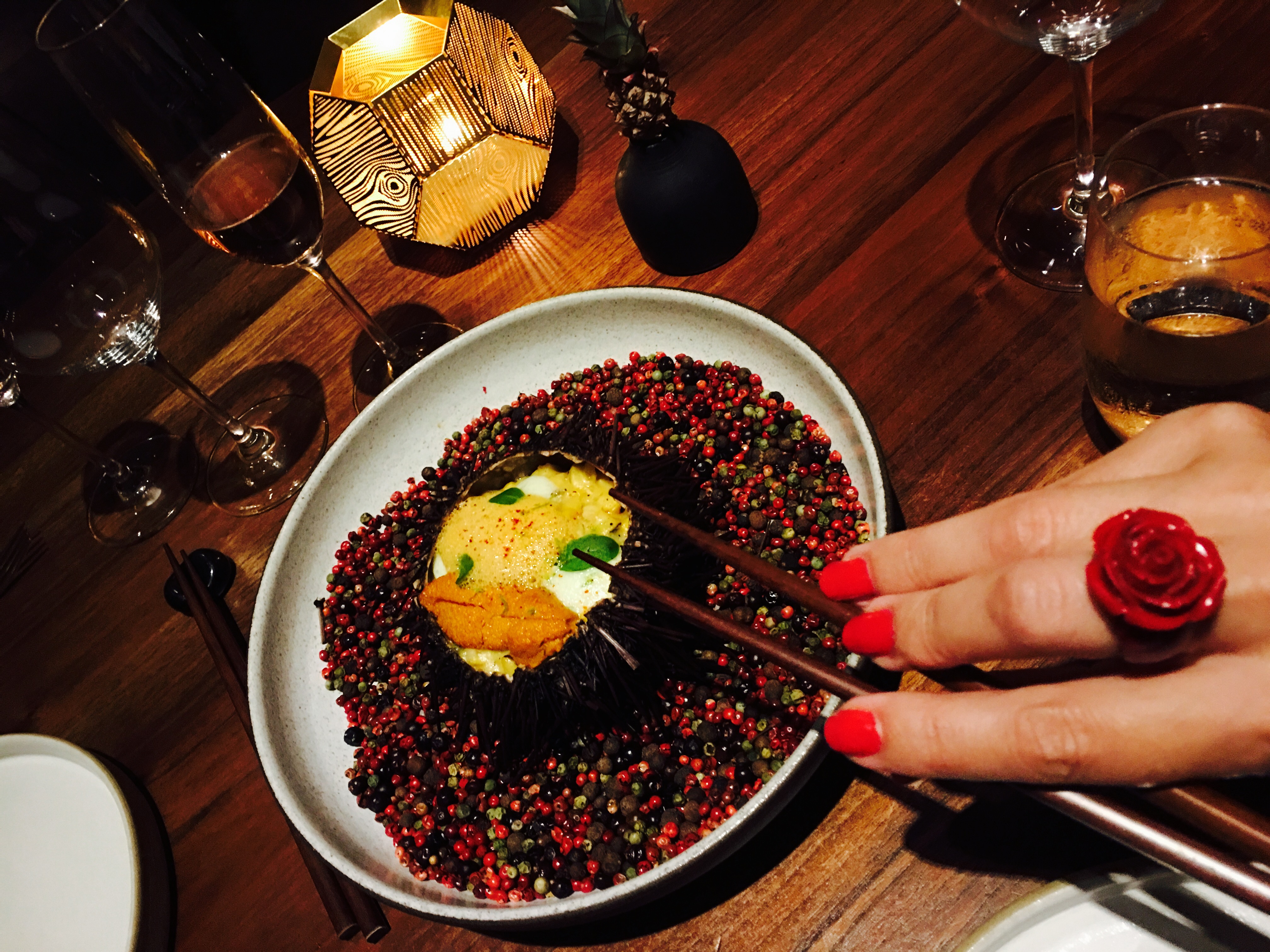
The Unicorn is the name of this creative dish composed of Uni + Corn on a sea urchin shell

Tierra Santa: The Spa

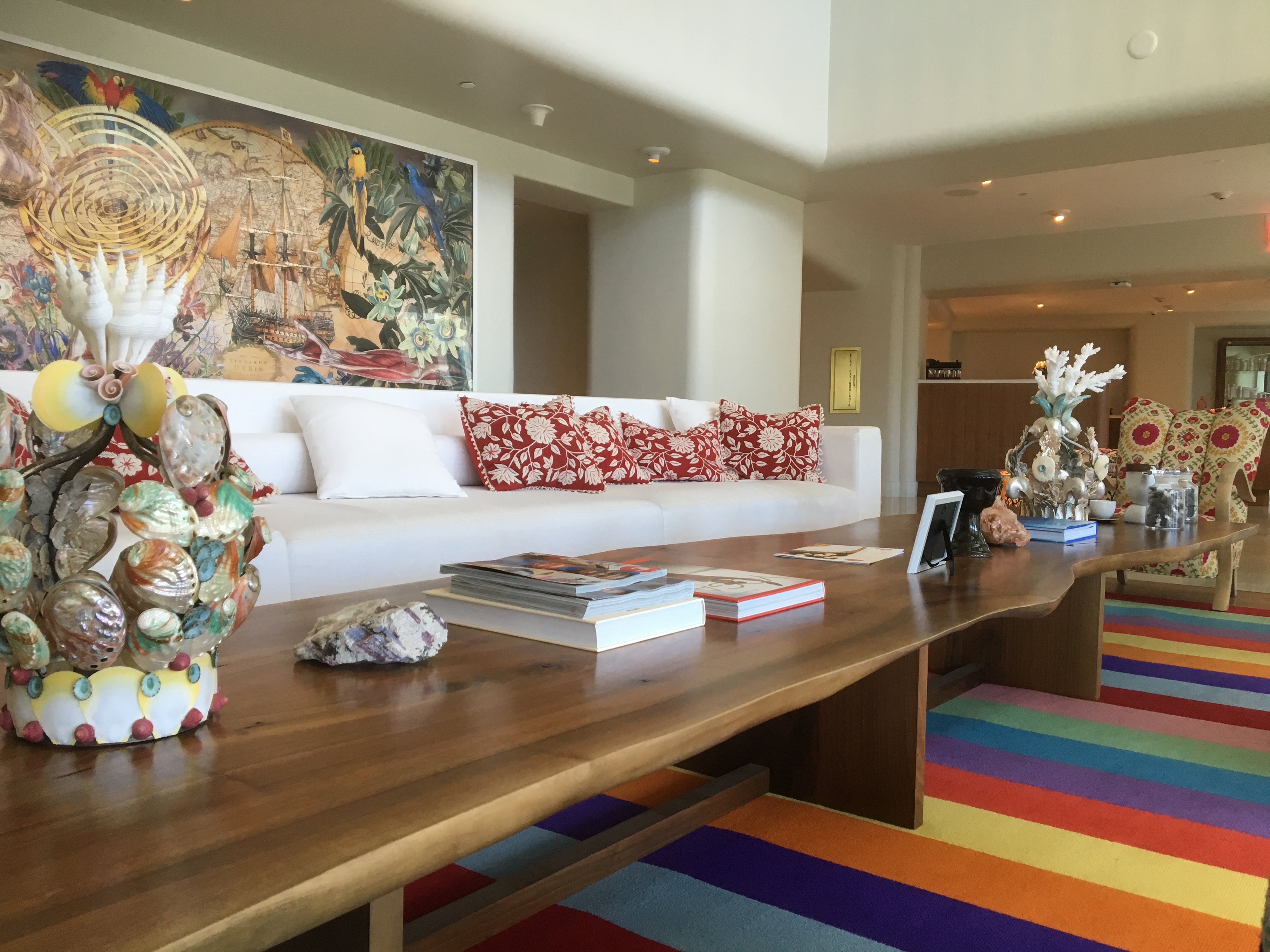
White for the floors and walls, at “Tierra Santa Healing House” spa but full of vibrant colors of Latin American embroidery and handcrafted objects by Eco Fair Trade designer Carolina K who has been working with different ethnic groups from Mexico to Peru and India with successful collaborations such as Anthropology and Urban Outfitters.

IMG_0254
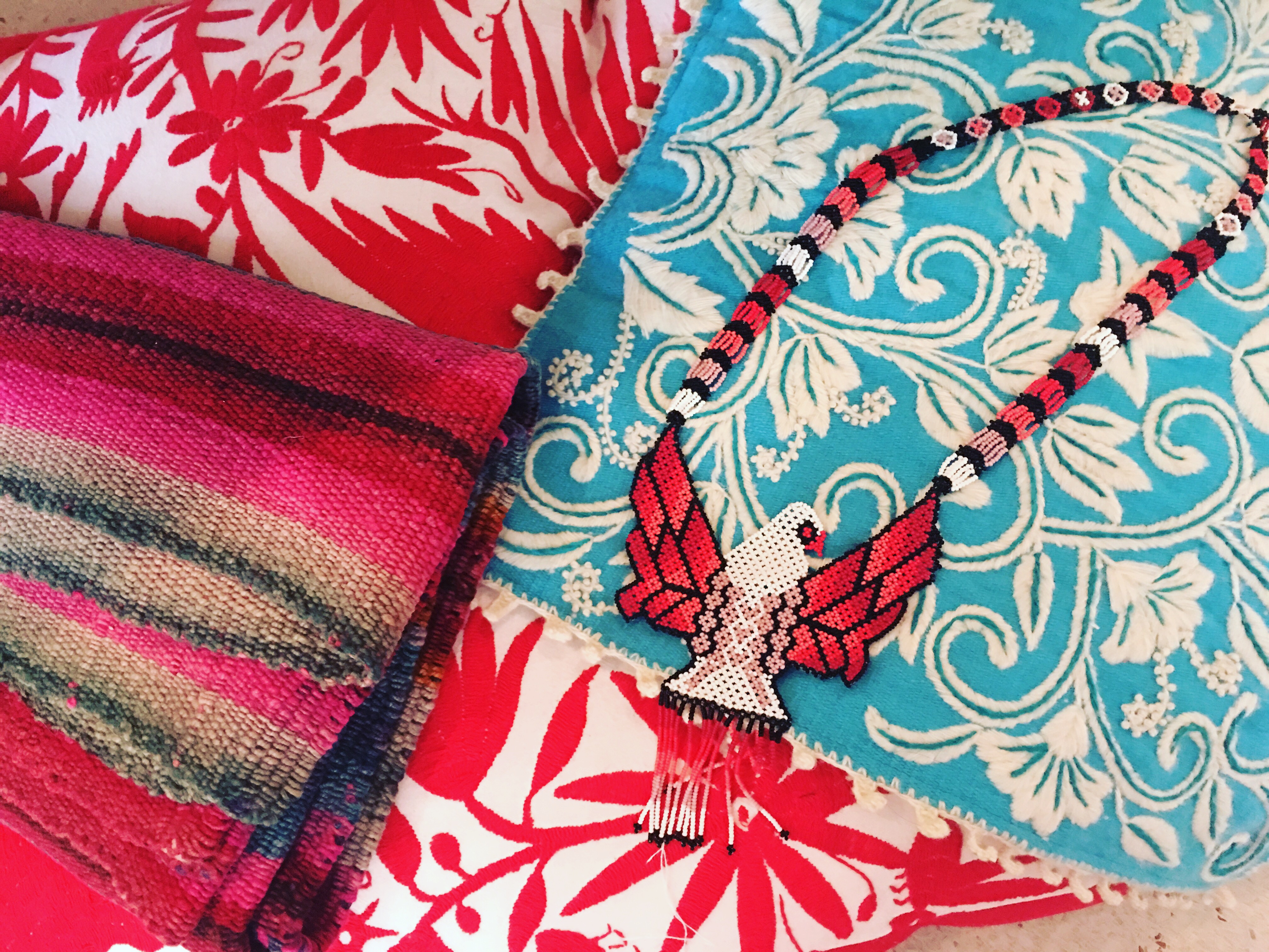
Otomi cushion covers and ethnic objects at the Bazar by Carolina K inside Tierra Santa spa. Otomi cushions are also part of Tierra Santa’s decor.

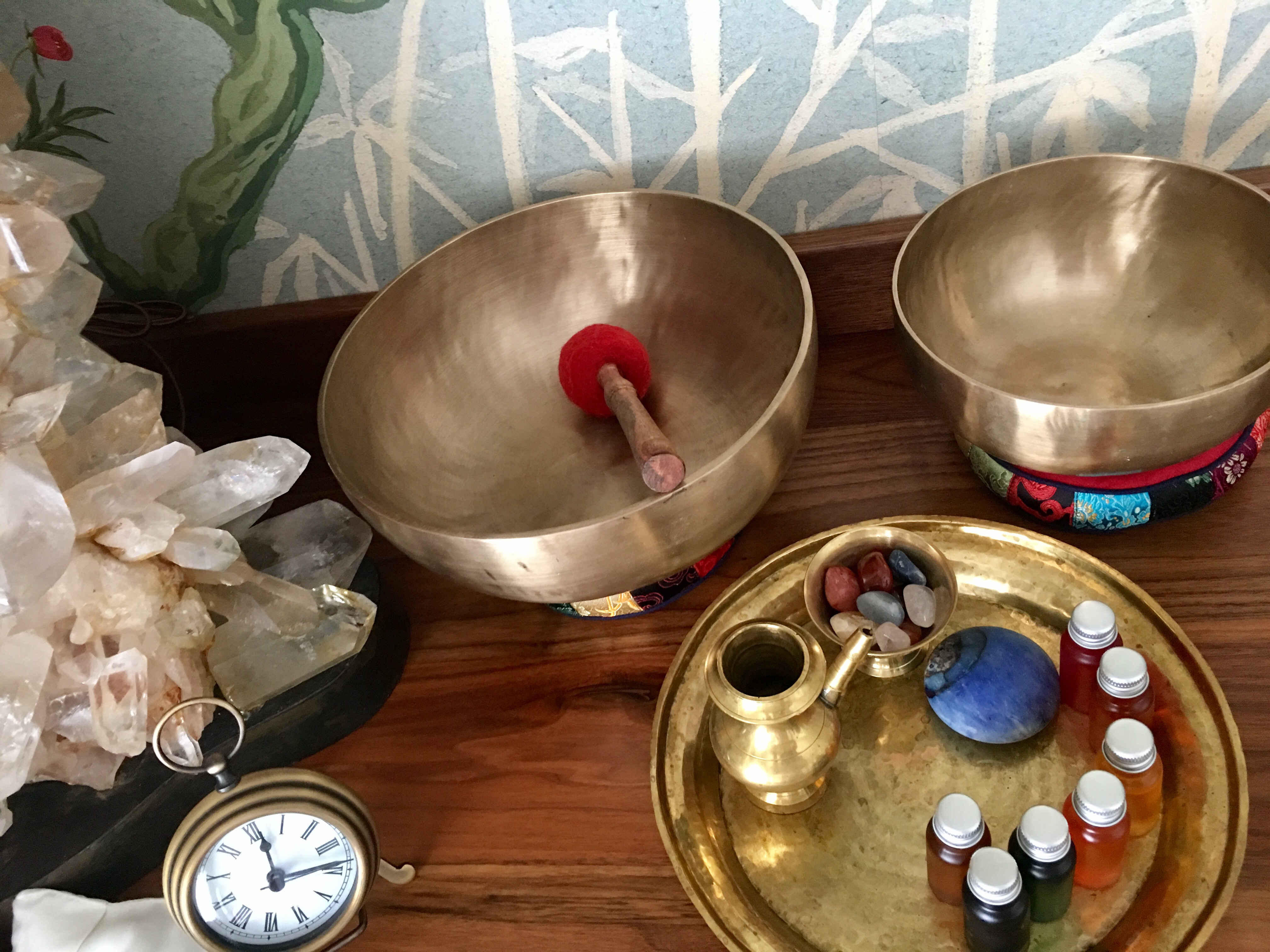
Tierra Santa is America’s first South American inspired spa, combining ancient healing techniques and treatments; hand blended plant oils, rose stones and vibrating singing bowls. Sustainable in so many different levels Tierra Santa’s holistic treatments have been developed respecting the mysticism and rituals of these cultures with their own in-house Shaman.

Tierra Santa Healing House is so different from any other Spa experiences; a unique collection of seven “Moringa” seed base oils representing the 7 chakras to elevate, calm, restore and heal are used on each specific treatment; Amazonian white clay collected from the Marajo shores and Guarana-maca blend scrubs to purify mind and body; a welcoming scent of Palo Santo and their own custom made soap tower are just examples of the attention to every detail. Once at the Wet Spa; guests can experience the journey of the senses; the hammam, centered by heated gobek tasi stone and incrusted with Faena’s signature South American Rose mosaic.

IMG_0409
Inside the Hammam the gobek tasi stone incrusted with Faena’s signature South American Rose mosaic.

IMG_3076
Signature 7 chakra oils made of moringa seeds and Himalayan singing bowls at Tierra Santa Spa

IMG_4824
A treatment suite at Tierra Santa spa

Back to the spa suites; a rainbow stripped rug representing the 7 chakras and comfy sofas adorned with otomi embroidered cushions make the perfect spot for sipping on blended teas and healing stone infused water while contemplating views of the tropical oasis.

IMG_3780.JPG

A gracious spa hostess dressed on Huaxacan styled dress by Carolina K guide us to the gorgeous suites covered with Juan Gatti’s murals. There, a choice of therapeutic power oils, healing stones and custom massages are used in conjunction with singing bowls to elevate the spirit.

Now, we don’t want to go back to reality but we can always dream of that fantastic world and yet have it all; right here in Miami Beach at the Faena District.

For reservations:

Faena Hotel Miami Beach
3201 Collins Ave.
Faena District, Miami Beach, FL 33140
Phone # 305 535 4697
http://www.faena.com

Tierra Santa Healing House
Phone # 1 844 798 9716

Pao by Paul Qui
Phone # 786 655 5600

Los Fuegos by Francis Mallmann
Phone # 786 655 5600

Miami’s cultural and gastronomic tours

With so much to do in Miami it is hard to decide where to start your day but if you are in the Downtown area, need a great cup of coffee and at the same time support your local roasters stop by Eternity Coffee Roasters on 117 SE 2nd Ave.  They have a roasterie and tasting room where you can choose your grains, make your own blends and they will roast it and brew for you on site.  I took my European friends to the tiny shop and they all agreed the coffee was superb, the espressos made just right, the aromas and the blends fantastic.

Just like in the wine world, the coffee can be tasted and appreciated, today there are more coffee connoisseurs who are showing interest in the “art of the barista” (coffee barman) So now you know, when you need your Java dose try Eternity Coffee and get the whole experience of coffee tasting.

The roaster at Eternity Coffee shop and tasting room.  Their single origin grains are mainly from Colombia from Farm direct trades.
The roaster at Eternity Coffee shop and tasting room. Their single origin grains are mainly from Colombia from Farm direct trades.

Choose, smell and taste the finest grains at Eternity Coffee roasters coming directly from the Farms in Colombia, Guatemala and other plantations in the world.

The flavor profile of each coffee is indigenous from the grain itself some of them with wild flower honey hints and herbal notes, hazelnut, milk chocolate, vainilla or tangy cranberry

If you didn’t make a trip yet to Miami’s newest Museum the Perez Art Museum Miami (PAMM) there’s no better time to do it then now and there are no excuses to be immersed in the contemporary art world with all this Museum has to offer. Arrive to the Museum by car, foot or take the Metro Mover stopping at the Museum station and you will be right there on 1103 Biscayne Blvd. Each second Saturday of the month there’s a free admission for everyone, a program sponsored by Target.

Most of the Latin American Art collection including Botero, Diego Rivera and Wilfredo Lam comes from Colombian-born developer Jorge Perez who donated $40 million in cash and art to earn naming rights.  Perez, the son of Cuban exiles, has been a major force in Miami’s urban redevelopment.

A visit to the PAMM will definitely open new ways to look at art and think twice when labeling Miami as a less cultural town.

Ai Weiwei "According to what?" retrospective at PAMM on display through mid March
Ai Weiwei “According to what?” retrospective at PAMM on display through mid March

The Museum is open from Tuesdays through Sundays from 10 am to 6 pm.  Tickets are $12 for Adults and $8 for Seniors and Children 7-18 years old
The Museum is open from Tuesdays through Sundays from 10 am to 6 pm. Tickets are $12 for Adults and $8 for Seniors and Children 7-18 years old

Piles of crabs installation by Chinese Master Ai Weiwei during the Opening reception of the PAMM

Time for lunch? Visit the Historic Miami River neighborhood, one of the oldest in Miami.  At a settlement from the early 1840’s is where you will find Garcia’s Seafood and Grill Fish Market located on 398 NW North River Dr. you will find fresh fish and seafood from the boats to your plate served with the traditional Caribbean seasonings and flavors.  For over 40 years The Garcia’s (a Cuban-born family of 11 kids) have been offering affordable dining with fresh catch grilled to order on a casual riverside setting.

Grilled Yellowtail, stone crabs sides of fried plantains (tostones), yellow rice and fried sweet plantains (maduros)
Grilled Yellowtail, stone crabs, sides of fried plantains (tostones), yellow rice and fried sweet plantains (maduros) with grilled shrimp. These side dishes are perhaps part of Miami’s Cuban traditional gastronomy

Garcia's fresh stone crab
Garcia’s fresh stone crab

Now is time to visit another great unconventional Gallery on a Historic site in Downtown Miami, CU1 Gallery at the Security Building on 117 NE 1st Ave.

The Security Building in Downtown Miami was the most imposing building at time of construction.  Constructed in the Beaux Arts architectural style,  is listed on the National Register of Historic Places
The Security Building in Downtown Miami was the most imposing building at time of construction in 1926. Constructed in the Beaux Arts architectural style, is listed on the National Register of Historic Places

20140107-213406.jpg
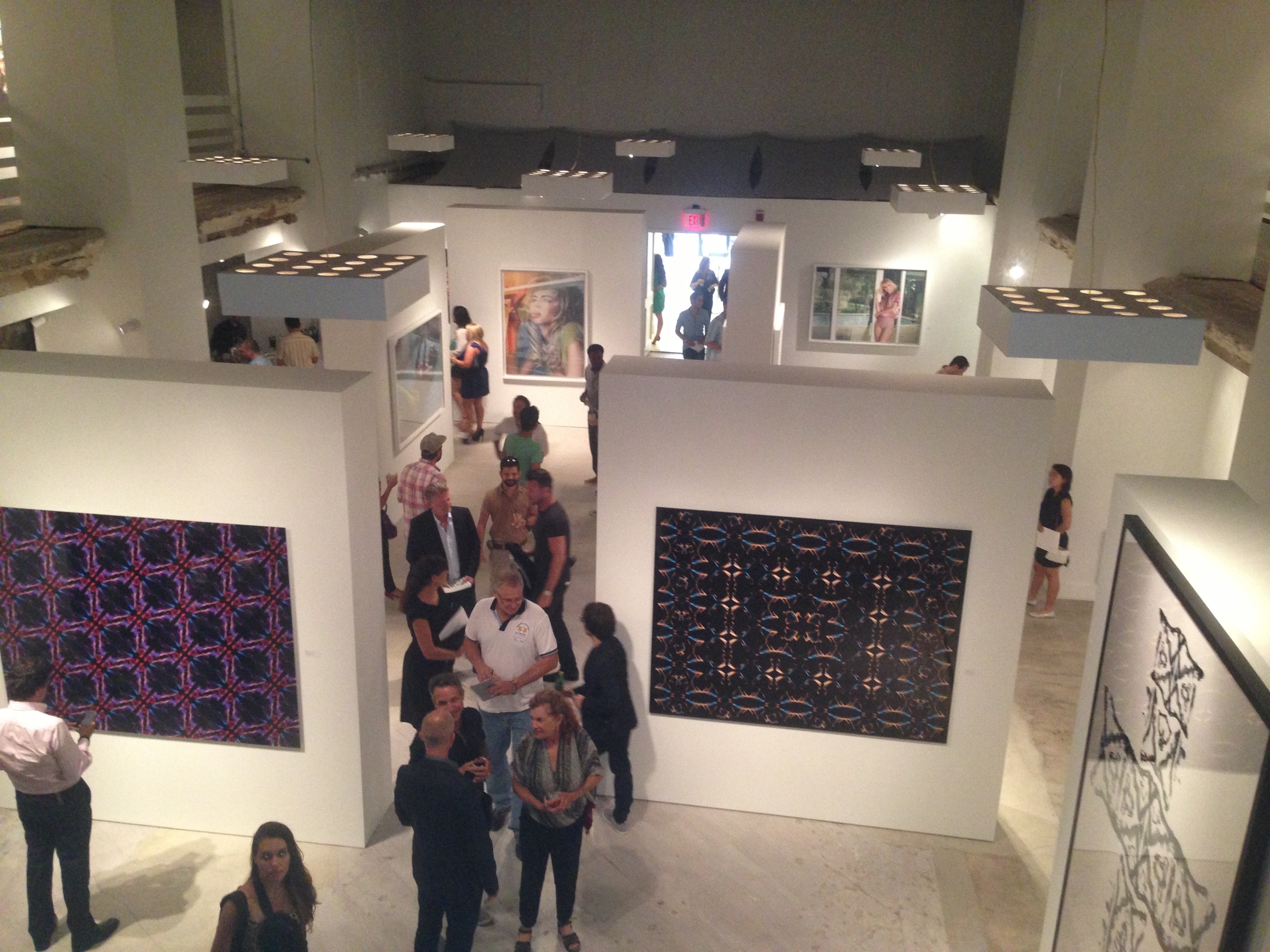
CU1 Gallery is a photo space located inside the iconic Security Building. You can visit the gallery Tuesdays through Saturdays from 1 to 6 pm. Free admission

20140107-213454.jpg
“Look at Me” was the first opening exhibition at CU1 Gallery where you can take a look through the photographer’s lens inside the vault at The Security Building

"Look at Me" showcased works by European photographers, most of them with extensive backgrounds in editorial and fashion advertising.
“Look at Me” showcased works by European photographers, most of them with extensive backgrounds in editorial and fashion advertising.

For the European partners of CU1 Goettlicher, Weber, Schmidt and Mueller, Downtown Miami will be facing an incredible art renaissance, it's going to happen.
For the European partners of CU1 Goettlicher, Weber, Schmidt and Mueller who believed in Miami’s art life, Downtown Miami will be facing an incredible art renaissance and it’s going to happen.

“Eye to Eye” is the current exhibition at CU1 Gallery on view until February 14 2014.  What are you waiting for? take a look at one of the newest innovative galleries in Miami.

Now get ready for the next art exhibitions on board of the SeaFair docked at the Chopin Plaza next to the Intercontinetal Hotel from January 16th to the 20th of 2014.  it is a unique experience to appreciate works of local and international artists showcasing installations, paintings, photography and sculptures.  See you on board Miami !!!

The Miami International Art Fair (MIA) is coming on board of the mega yacht SeaFair on January 16th to the 20th

(C) 2014 Montserrat Franco

Dolce & Gabbana, Visions of Sicily

For the fashionable pair Domenico Dolce and Stefano Gabbana, their beloved Sicily is an endless source of inspiration. With several collections on a row from New York to Milan Fashion Weeks they take us on a tour to rediscover Sicilian traditions, architecture, and history through Fashion.

The sumptuous gold-thread embroidery, religious and devotional hand work as seen on the Monreale Cathedral in Palermo with the most stupendous Byzantine mosaics. The sumptuous gold-thread embroidery, religious and devotional hand work as seen on the Monreale Cathedral in Palermo with the most stupendous Byzantine mosaics.
Montserrat Franco in Dolce & Gabbana's Byzantine dress Montserrat Franco wearing the Byzantine dress


Detail of 12-13th century mosaic of Christ Pantocrator at the Monreale Cathedral Detail of 12-13th century mosaic of Christ Pantocrator at the Monreale Cathedral
The Cathedral of Monreale is the pinnacle achievement of Arab-Norman art. Founded in 1172 by William II. A Benedictine Monastery was built next to it. The Cathedral of Monreale is the pinnacle achievement of Arab-Norman art. Founded in 1172 by William II. A Benedictine Monastery was built next to it.
An add from the Fall/Winter 2013 campaign by Dolce & Gabbana featuring Monica Bellucci An add from the Fall/Winter 2013 campaign by Dolce & Gabbana featuring Monica Bellucci
dolce Details from the runway at the Milan Fashion Week 2013. The sumptuous gold, the Cardinal red, the Sicilian widow black and the pure white. This collection is a romantic view of the Sicilian women going to Church, wearing their lace veils and rosaries, the accessories are exaggerated with bejeweled crowns that makes them part Saint and part principessa.
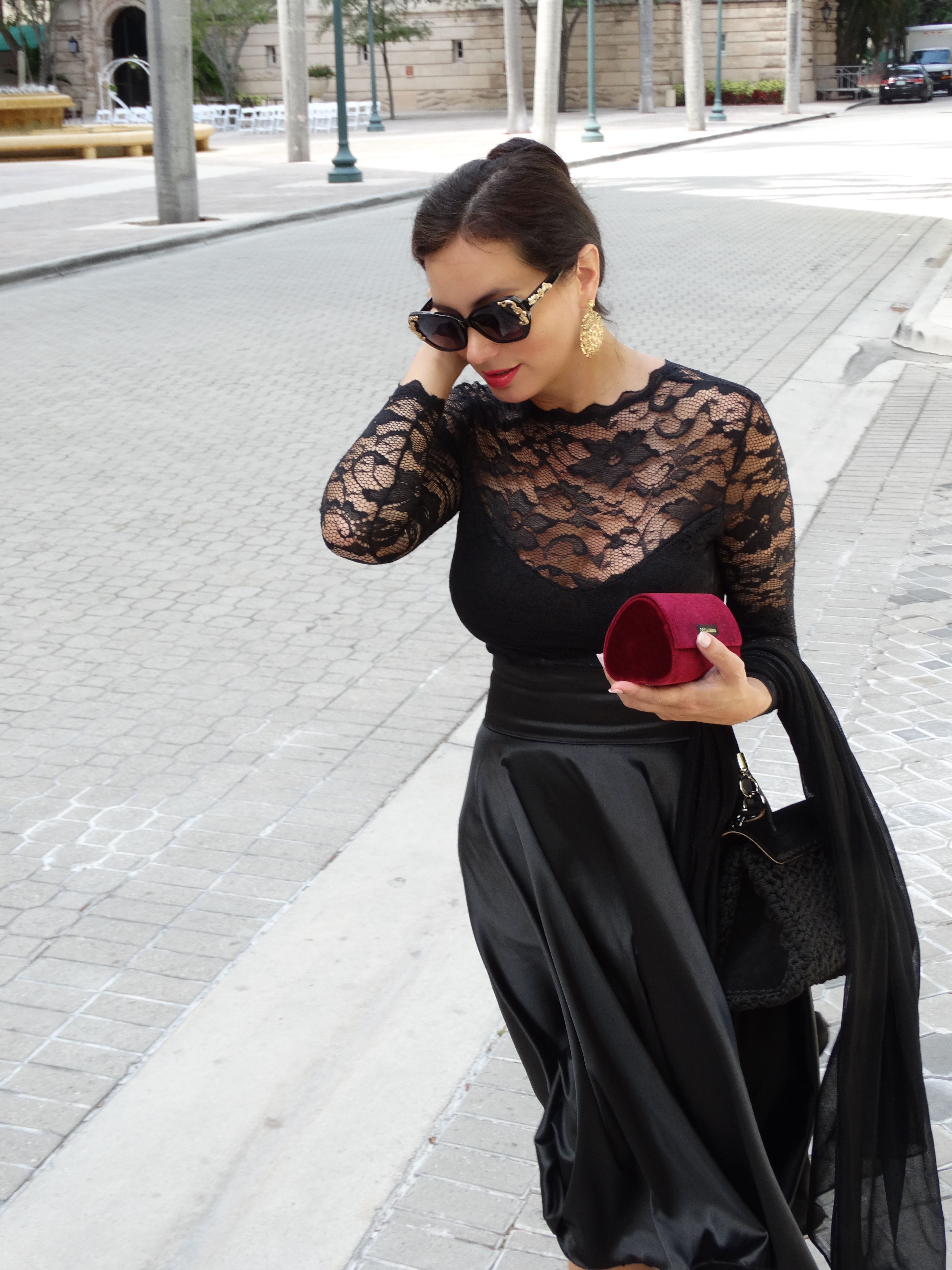
Montserrat Franco wearing Dolce & Gabbana sunglasses, bag and dress from the Sicilian Baroque collection Montserrat Franco wearing Dolce & Gabbana sunglasses from the Sicilian Baroque collection
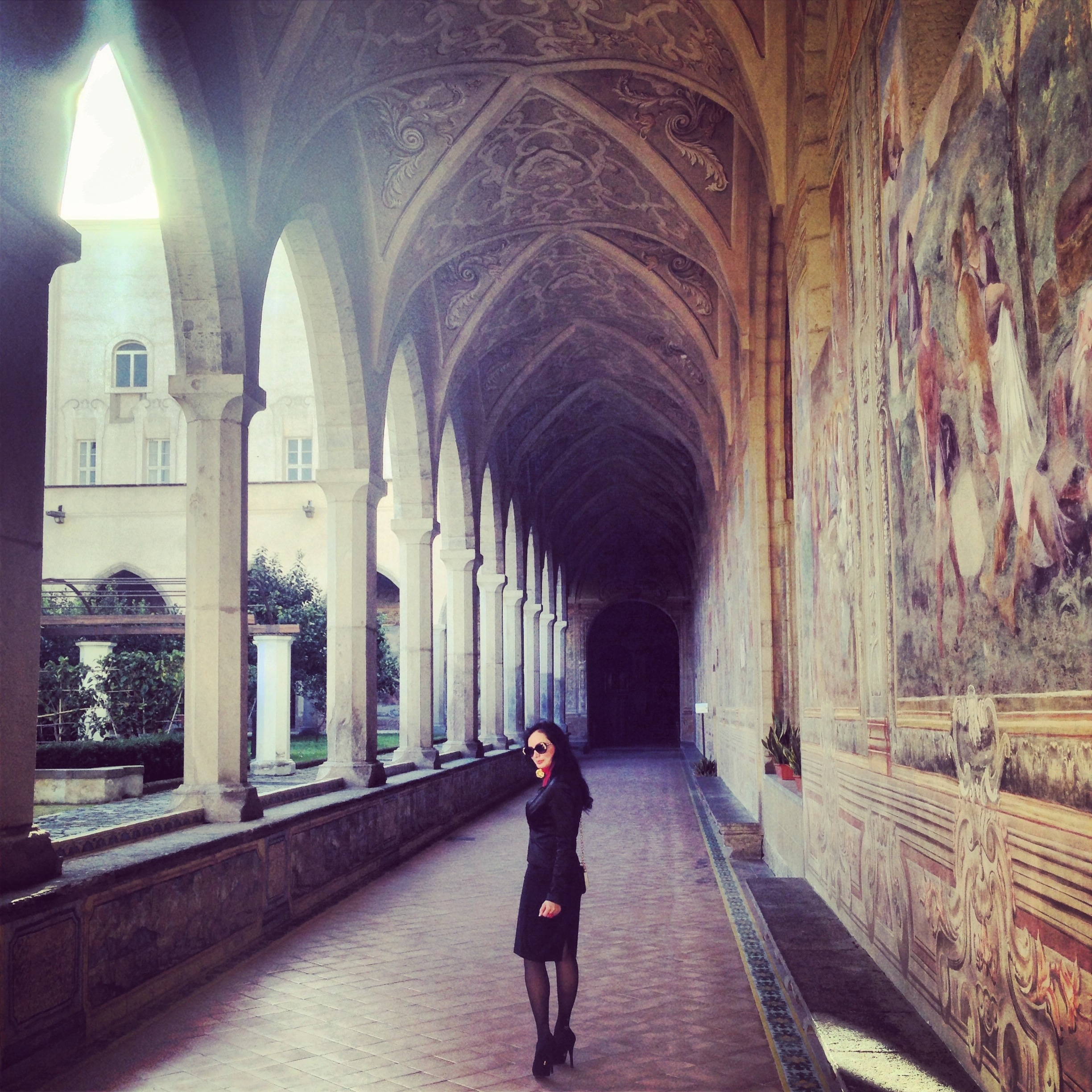
In Dolce & Gabbana tailored suit during one of my visits to Southern Italy. In Dolce & Gabbana tailored suit during one of my visits to Southern Italy.

The 2013 Fall/Winter Collection is all about Domenico Dolce’s homeland, honoring the materials of homespun craft (needlepoint, tapestry) the faded baroque splendor in the palaces and basilicas of Southern Italy, an invitation to look deep in to our lost traditions and beliefs, no matter what they are.

2013 Montserrat Franco

Ralph Lauren, an American in Paris

With an emotive celebration on a cool Parisian evening; Ralph Lauren presented his Fall/Winter 2013 collection and took full charge of the restoration of L’École des Beaux-Arts (School of Fine Arts) which was home of Degas, Manet and Hubert de Givenchy among the most illustrious students.

Detail from the runway of the 2013 Fall Collection by Ralph Lauren
Detail from the runway of the Fall/Winter 2013 Collection by Ralph Lauren, among the guests to the exclusive Gala and Fashion show attended the Princess Charlene of Monaco, the actress Catherine Deneuve, the American Ambassador in Paris Charles Rivkin

L’École des Beaux-Arts, founded during the reign of Louis XIV is one of the oldest Institutions for Fine Arts in the world. The renovations will start in 2014.
The Chevalier of The Legion of Honor Ralph Lauren received this title in 2010 by Sarkozy and soon after was recognized with the keys of the City of New York by the hands of Mayor Bloomberg.

Detail from the Fall 2013 collection presented at the Beaux Arts

The new collection was inspired in the Russian sobriety using the dark night black along with Bordeaux, Prussian Blues, forest green and amethyst.

This was the historic debut of Ralph Lauren in Paris.  Two years ago he hosted the exhibition of his classic car collection at Musee des Arts Decoratifs with more than 155 thousand visitors.
This was the historic debut of Ralph Lauren in Paris. Two years ago he hosted the exhibition of his classic car collection at Musee des Arts Decoratifs with more than 155 thousand visitors.

With this act Ralph Lauren gives back to Paris, a city that inspired him so much. Just a few years ago he restored the 17th century palace in the charming Saint-Germain-des-Pres, now one of his biggest flagship stores in Europe and home of “Ralph’s”, his Restaurant, serving prime steak from cows raised on his ranch in Colorado.

Detail of the flagship store at the Parisian Latin Quarter with the style of Ralph Lauren.

In the courtyard of Ralph's The Restaurant, he opted for a French wine list selection instead of our American wine list, an act of diplomacy.
In the courtyard of Ralph’s The Restaurant, he opted for a French wine list selection instead of the American, an act of diplomacy. Yet at Ralph’s the best burgers of Paris are served.

In Paris, Ralph's serves American Modern cuisine.  Reservations are highly recommended.  The service is very French.
In Paris, Ralph’s serves American Modern cuisine. Reservations are highly recommended. The service is very French.

The young boy who started selling ties after his Military service, 45 years later runs an Empire of 5,1 millions of Euros. For the first time he presented his fashion show in Paris at the Beaux-Arts and we didn’t see him with his regular black T-Shirt but with impeccable black tie holding hands with his wife Ricky.

Ralph Lauren, the Chevalier, the boy from the Bronx, the true American spirit.

(c) 2013 Montserrat Franco

Montserrat Franco in Ralph Lauren

Pompeii and Herculaneum, a walk on the roads of ash and wine

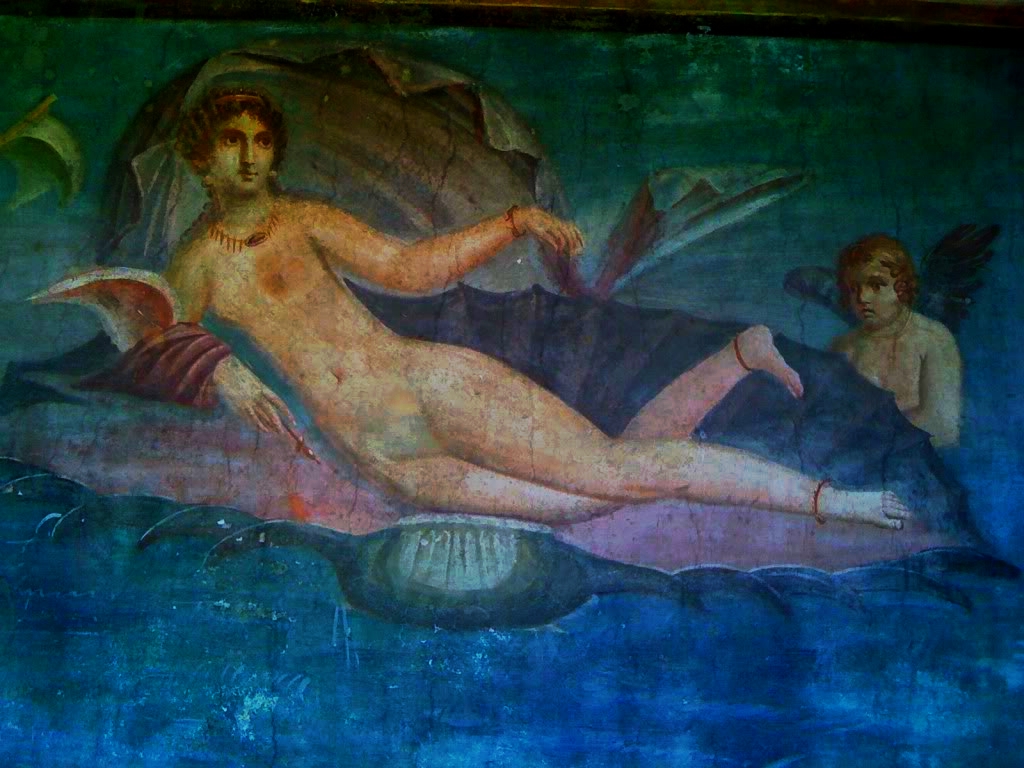
The Goddess of Love.  Is one of my favorite frescoes inside the many houses of Pompeii.  This fresco was discovered in 1952 located on the back wall of the garden, it portrays Venus with 2 cherubs in a pink seashell.
“The Goddess of Love” is one of my favorite frescoes inside the House of Venus. This fresco was discovered in 1952 located on the back wall of the garden, it portrays Venus with 2 cherubs in a pink seashell.

The remains of Pompeii were discovered by accident in the 1590’s when architect Domenico Fontana was excavating the canal to bring the waters from river Sarno to Torre Anunziata but it was not until the 1750’s that the site was seen as an archaeological treasure and one of the most important and well preserved examples of Roman civilization.  Follow me on this amazing trip around the streets, houses and wineries of Pompeii, Herculaneum and the Vesuvius National Park.

The Amphitheatre, the oldest of its kind in existence, was used for gladiatorial combat and could hold 20,000 people.  The stone tiers were separated in to different sections for the various social classes.
The Amphitheatre, the oldest of its kind in existence, was used for gladiatorial combat and could hold 20,000 people. The stone tiers were separated in to different sections for the various social classes.

In 90-89 BC the people of Campania became Roman citizens.  Naples (Neapolis) or the new city came in to contact with the growing power of Rome.  In AD 79 the erupting Vesuvius buried a number of ancient Roman cities including Pompeii.

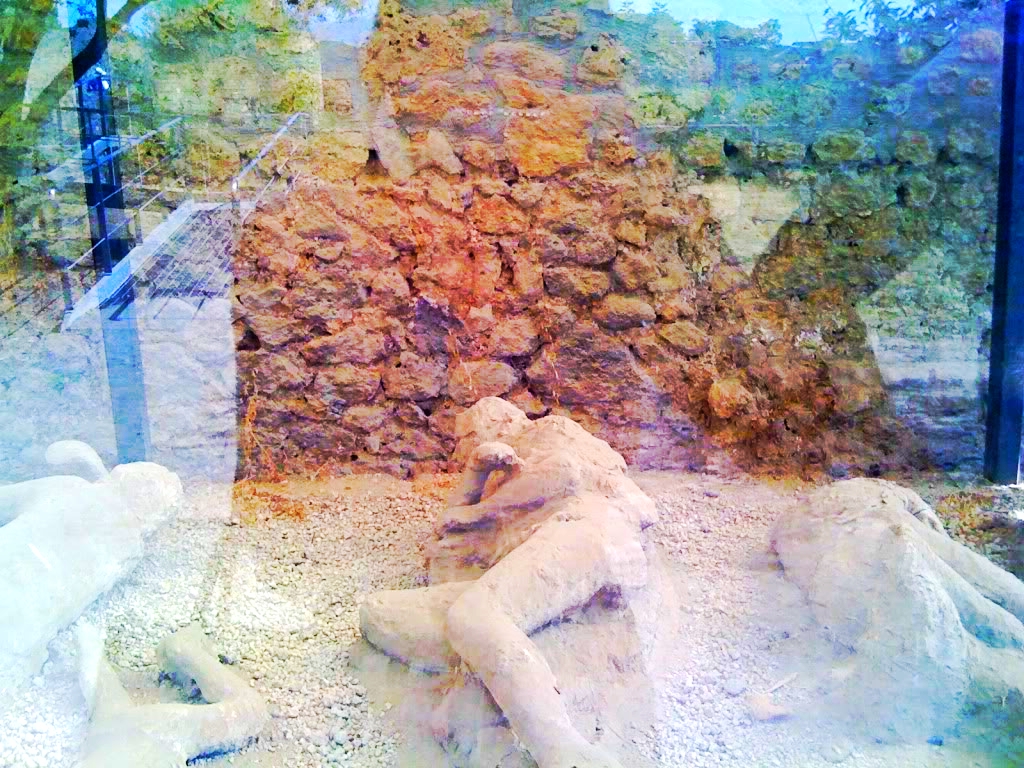
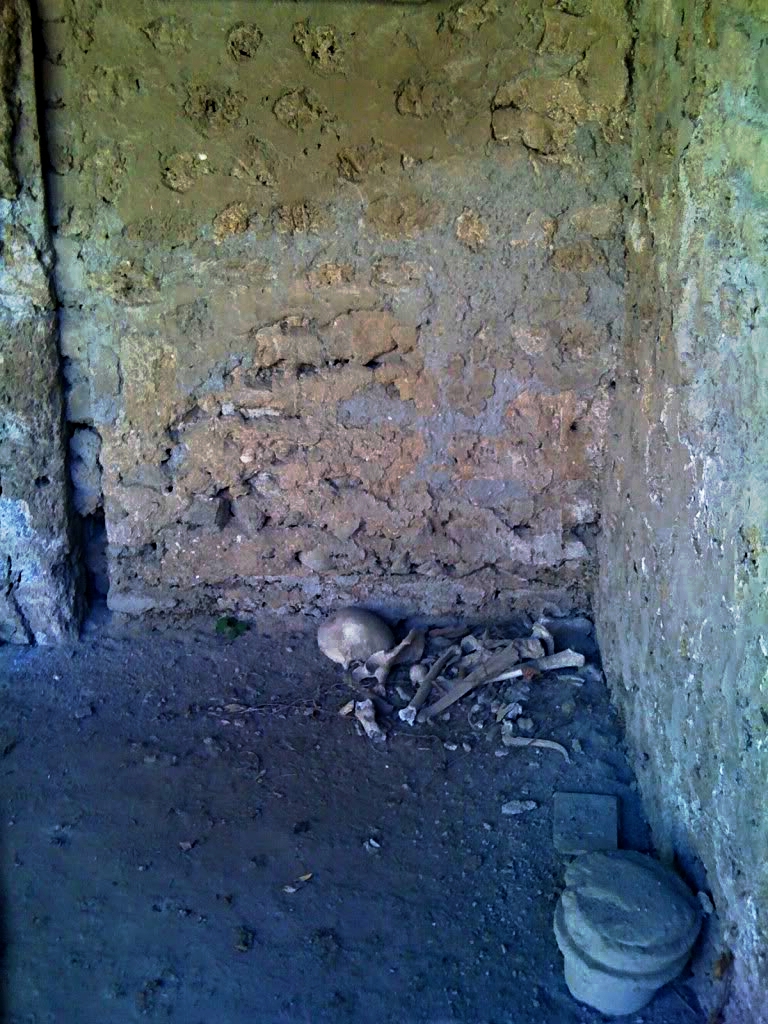
Ash and debris covered Pompeii and bodies were buried by a landslide of thick mud.  People tried to scape but didn't make it, many were killed by the toxic fumes while engaged in everyday tasks.
Ash and debris covered Pompeii and bodies were buried by a landslide of thick mud. People tried to scape but didn’t make it, many were killed by the toxic fumes while engaged in everyday tasks.

IMG_08211

Wealthy residents in Pompeii had often well decorated walls like this one found in the House of The Vettii.

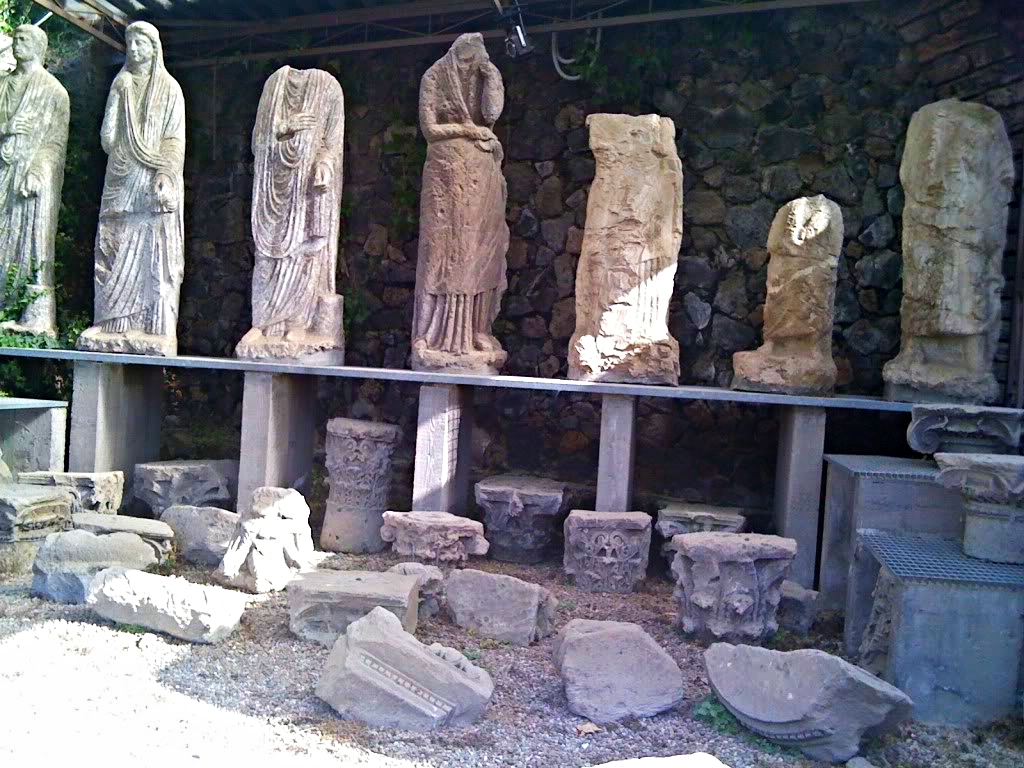
Statues found in the streets of Pompeii

Many sculptures from Pompeii and Herculaneum were removed from the original site and placed at the Archaeological Museum of Naples, Pompeiian mosaics and frescoes are also  preserved in the Museum and date from the 2nd century BC to AD 79.
Many sculptures from Pompeii and Herculaneum were removed from the original site and placed at the Archaeological Museum of Naples, Pompeiian mosaics and frescoes are also preserved in the Museum and date from the 2nd century BC to AD 79.

The owners of the House of the Vettii were freedman who become rich merchants.

Thanks to the many discoveries we can have an idea of the life in the Roman houses of Pompeii, constructed generally around two open courts; the atrium; an Italic feature and the colonnaded garden of Greek origin.  But not only the architecture and the art in their walls, Pompeii reveals much more in the bodies of people unearthed along with their everyday objects.

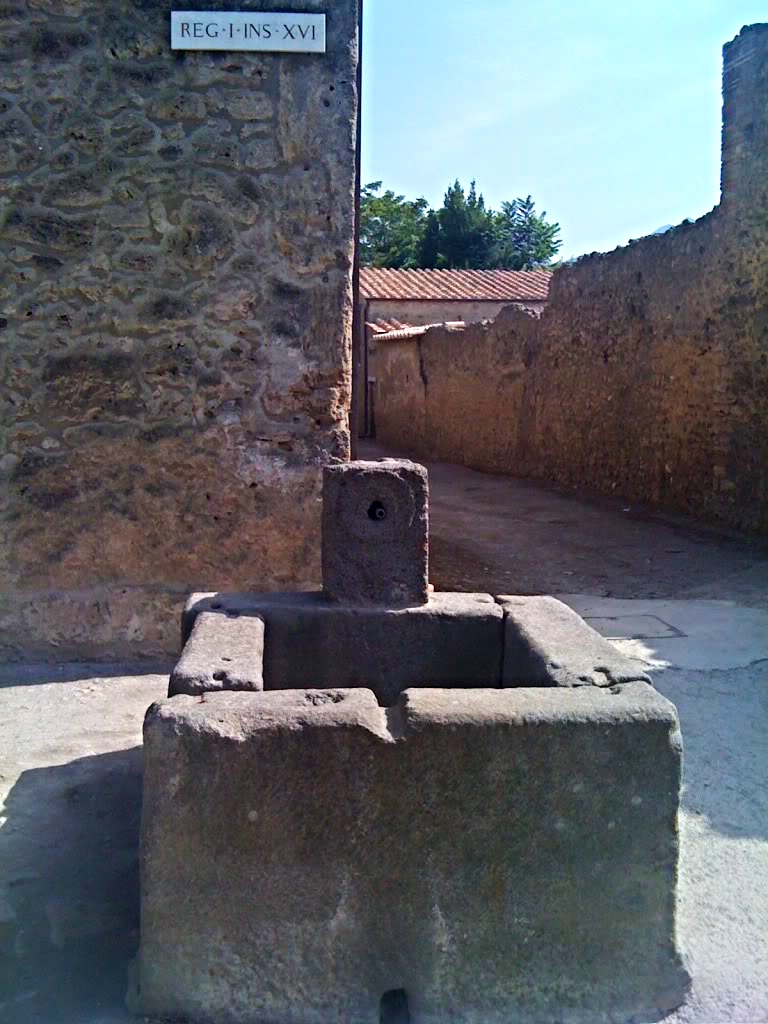
A public fountain in Via dell'Abbondanza.   The excavations for this street lined with homes and shops ends just to the left of the Amphitheatre.
A public fountain in Via dell’Abbondanza. The excavations for this street lined with homes and shops ends just to the left of the Amphitheatre.

One of the horse barns in Pompeii still shows utensils for horse riding and the remains of a horse placed on display
At the House of the Chaste Lovers is possible to see the fossilized bodies of the mules that used to drive the millstone for grinding wheat.

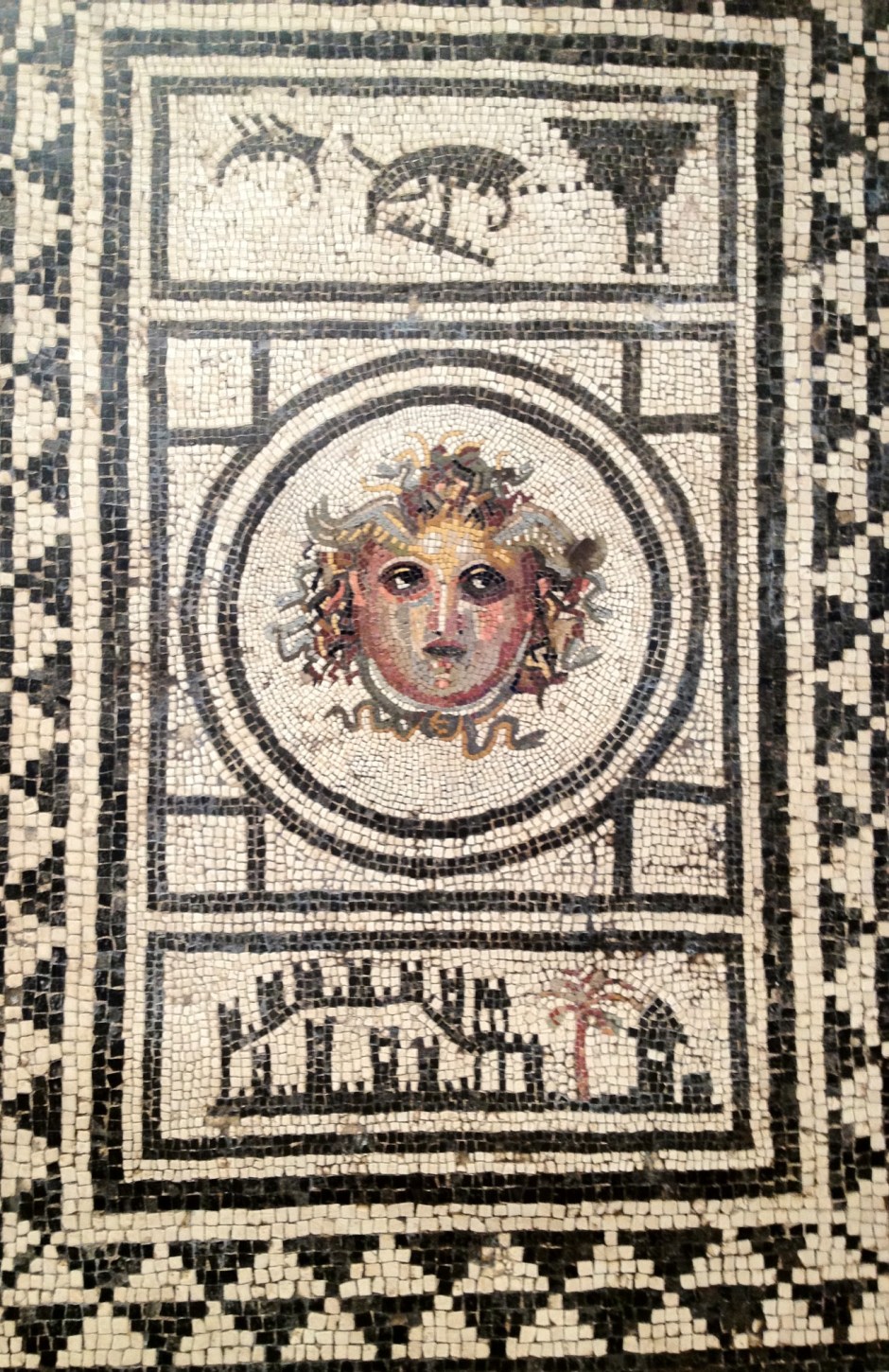
Medusa's head (Sec. IX BC) House of the Centaur. Pompeii.  On display at the Museo Archeologico Nazionale
Medusa’s head (Mosaic IX Century BC) House of the Centaur. Pompeii. On display at the Museo Archeologico Nazionale

The Lunapare was the best organized of Pompeii's many brothels.  The walls were decorated with erotic paintings and sculptures symbolizing fertility or describing the many services offered in this houses.
The Lunapare was the best organized of Pompeii’s many brothels. The walls were decorated with erotic paintings and sculptures symbolizing fertility or describing the many services offered in these houses.

Lacryma Christi and the ancient wine making in the Vesuvius

A Paleo Christian legend says that Christ cried over the Vesuvius and His Holy tears blessed the vineyards giving name to this excellent wine.  Other legend distorted from the pagan mythology says that Jesus visited a hermit converting his bad beverage in to amazing wine.  Today we can see many frescoes with wine rituals from the houses in Pompeii that have survived the ashes after the eruption of the Volcano.

The Wine Offering.  Fresco found in Pompeii (Sec. VII BC)   Many of these well preserved frescoes can be seen at the Archeological Museum of Naples (Museo Archeologico Nazionale)
The Wine Offering. Fresco found in Pompeii (VII Century BC) on display at The Archaeological Museum of Naples (Museo Archeologico Nazionale) Wine making and consumption was very important in Greek and Roman cultures, just like drinking water.

An example of ancient viniculture techniques in Pompeii 79 AD.  Today these vineyards are curated by Mastroberardino wineries producing limited vintages of Greek origin vines including the Lacryma Christi.
An example of ancient viniculture techniques in Pompeii 79 AD. Today these vineyards are curated by Mastroberardino wineries producing limited vintages of Greek origin vines.

Ancient Caprettone vines facing the now dormant volcano.

The land around volcanoes are rich in alkali and phosphorus and is extremely fertile.  Lacryma Christi is a great wine produced in the slopes of the Vesuvius.
The land around volcanoes are rich in alkali and phosphorus and is extremely fertile. Lacryma Christi is a great wine produced in the slopes of the Vesuvius.

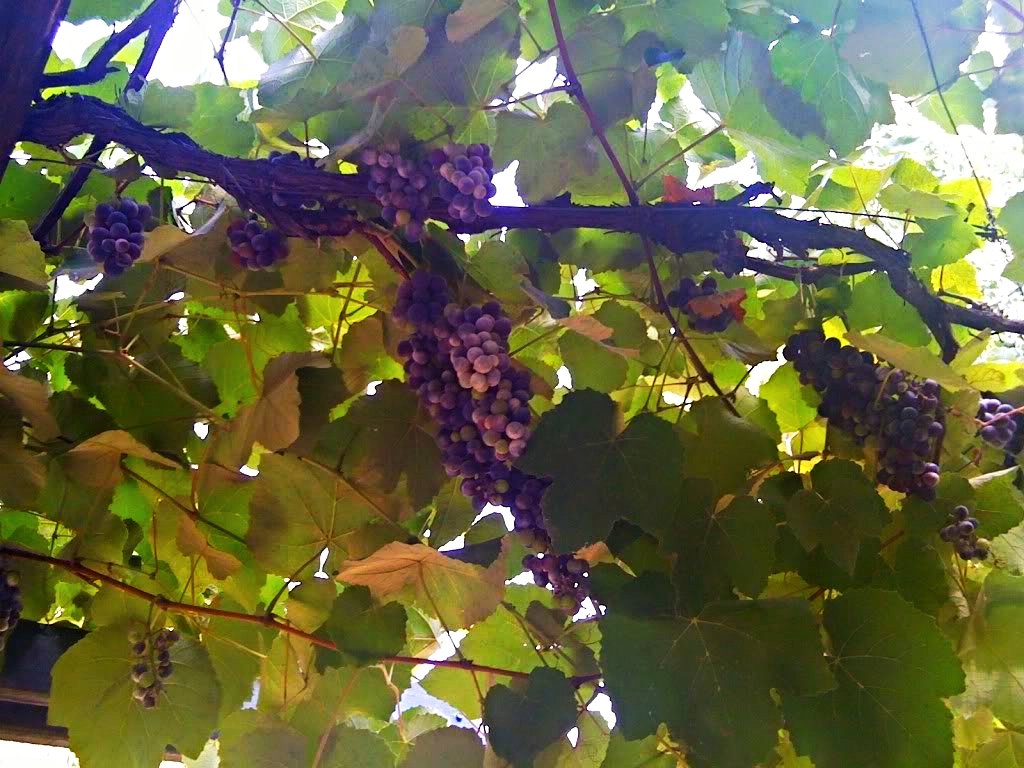
The mineral soil of the Vesuvius where the Piedirosso and Aglianico made the perfect blend for Lacryma Christy reds.
The mineral soil of the Vesuvius where the Piedirosso and Aglianico grapes are used to make the Lacryma Christy reds.

In this volcanic land so rich for the agriculture  the organic "Pienolo tomatoes" just like the wines;  obtained the DOP category (Denomination of Protected Origin) The Pienolo tomatoes are promoted by the Slow Food Commission Vesuvian Chapter and are another example of sustainability in bio-agriculture.
In this volcanic land so rich for the agriculture the organic “Pienolo tomatoes” just like the wines; obtained the DOP category (Denomination of Protected Origin) The Pienolo tomatoes are promoted by the Slow Food Commission Vesuvian Chapter and are another example of sustainability in bio-agriculture.

Pienolo DOP tomatoes on display on a local Vesuvian trattoria; it shows the way the tomatoes are placed on stalks for their cultivation and after harvest they need to be maintained on the same way for better conservation, this is according to an ancient tradition in Campania.

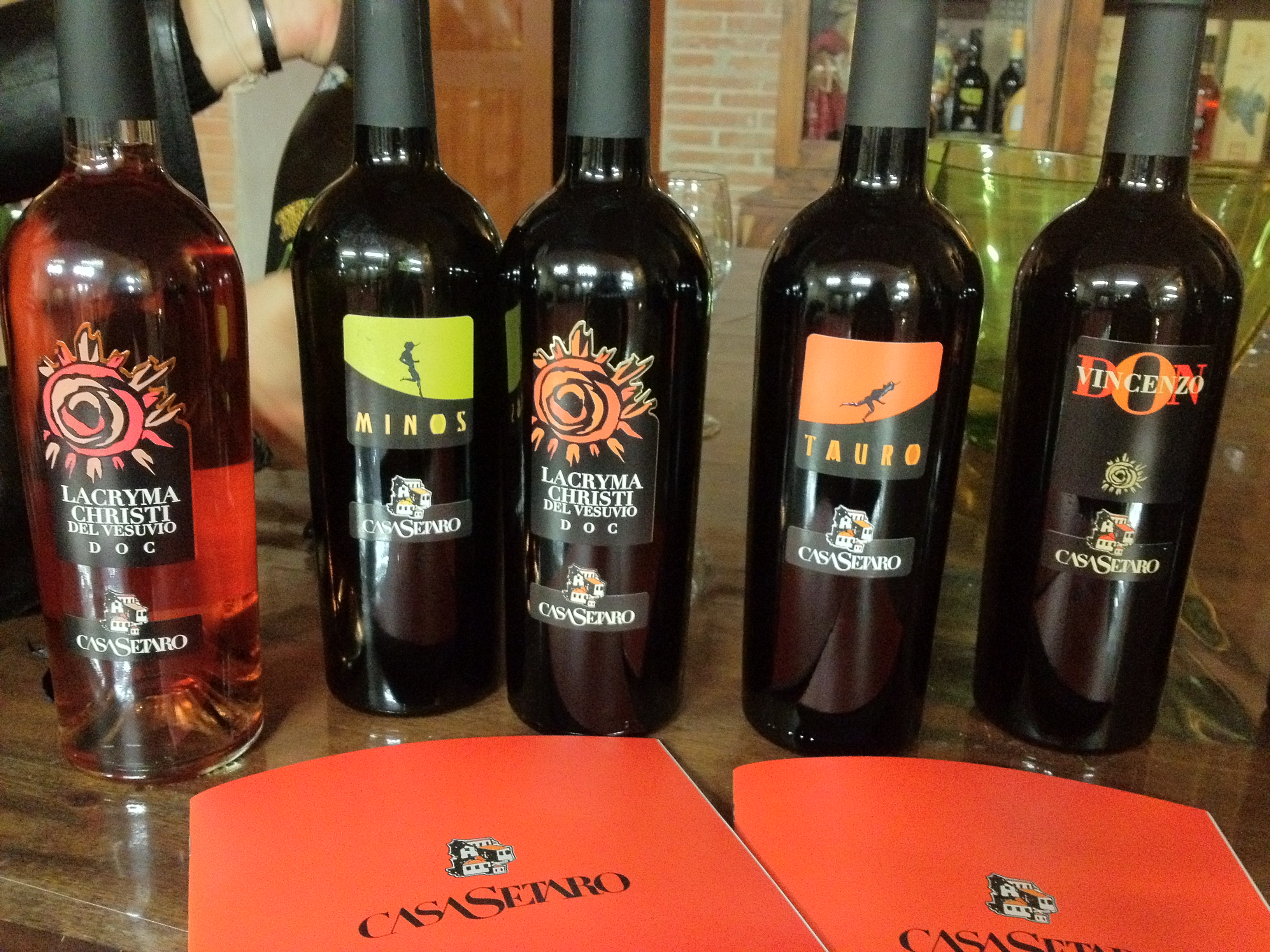
The Vesuvius National Park it's a protected area where generations of family owned wineries make distinctive wines like Casa Setaro, a small wine producer that I had the pleasure to visit on my trip to the Vesuvius.
The Vesuvius National Park it’s a protected area where generations of family owned wineries make distinctive wines like Casa Setaro, a small wine producer that I had the pleasure to visit on my trip to the Vesuvius.

Aglianico vines in Pompeii

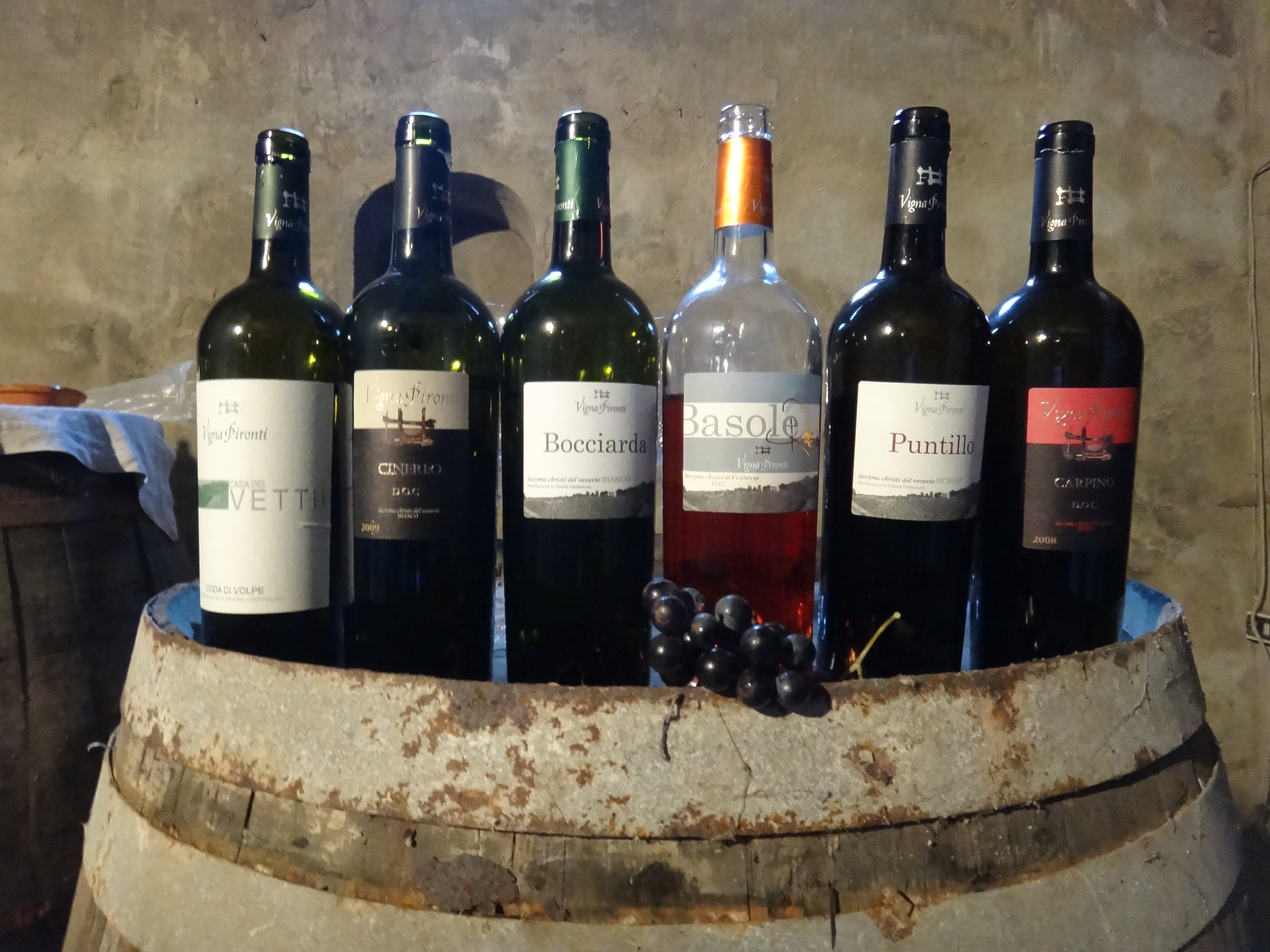
I had the pleasure to visit Vigna Pironti with the Italian Association of Sommeliers (AIS) Vesuvian Chapter.  Vigna Pironti produces great red and wine varieties of Lacryma Christi, some of them named after the houses in Pompeii.
Visiting Vigna Pironti with the Italian Association of Sommeliers (AIS) Vesuvian Chapter. Vigna Pironti produces great red and wine varieties of Lacryma Christi, some of them named after the houses in Pompeii.

An ancient barn at Vigna Pironti's fields
An ancient barn at Vigna Pironti’s fields


Detail of wall decoration. Pompeii

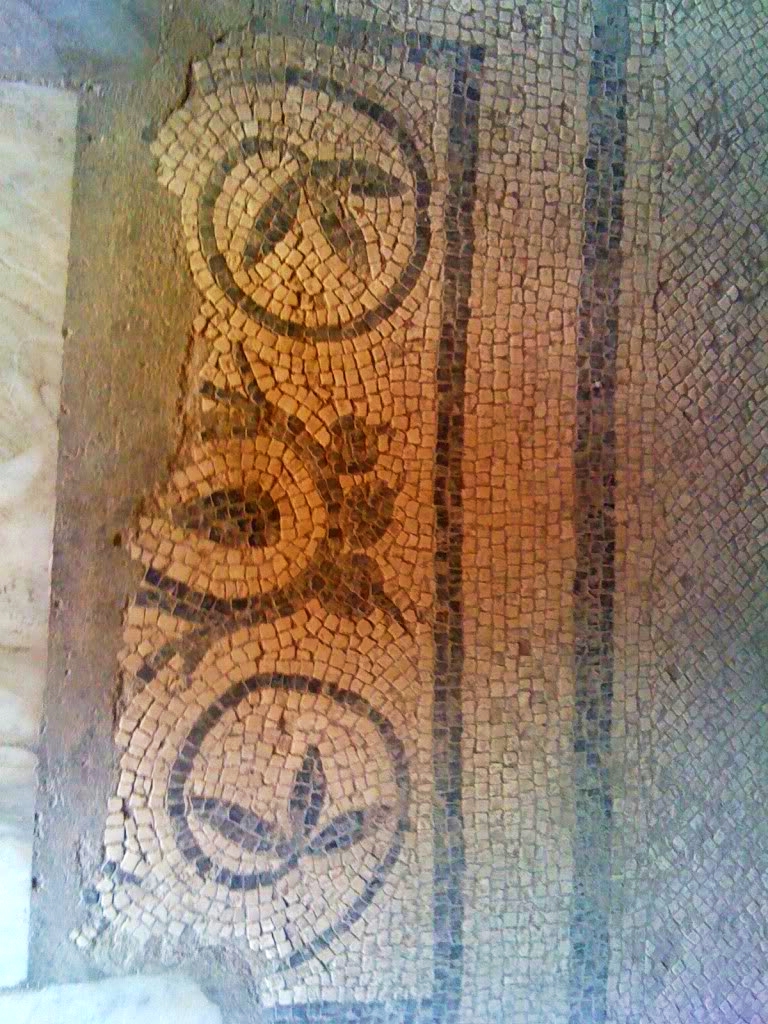
Detail of a mosaic found in Pompeii

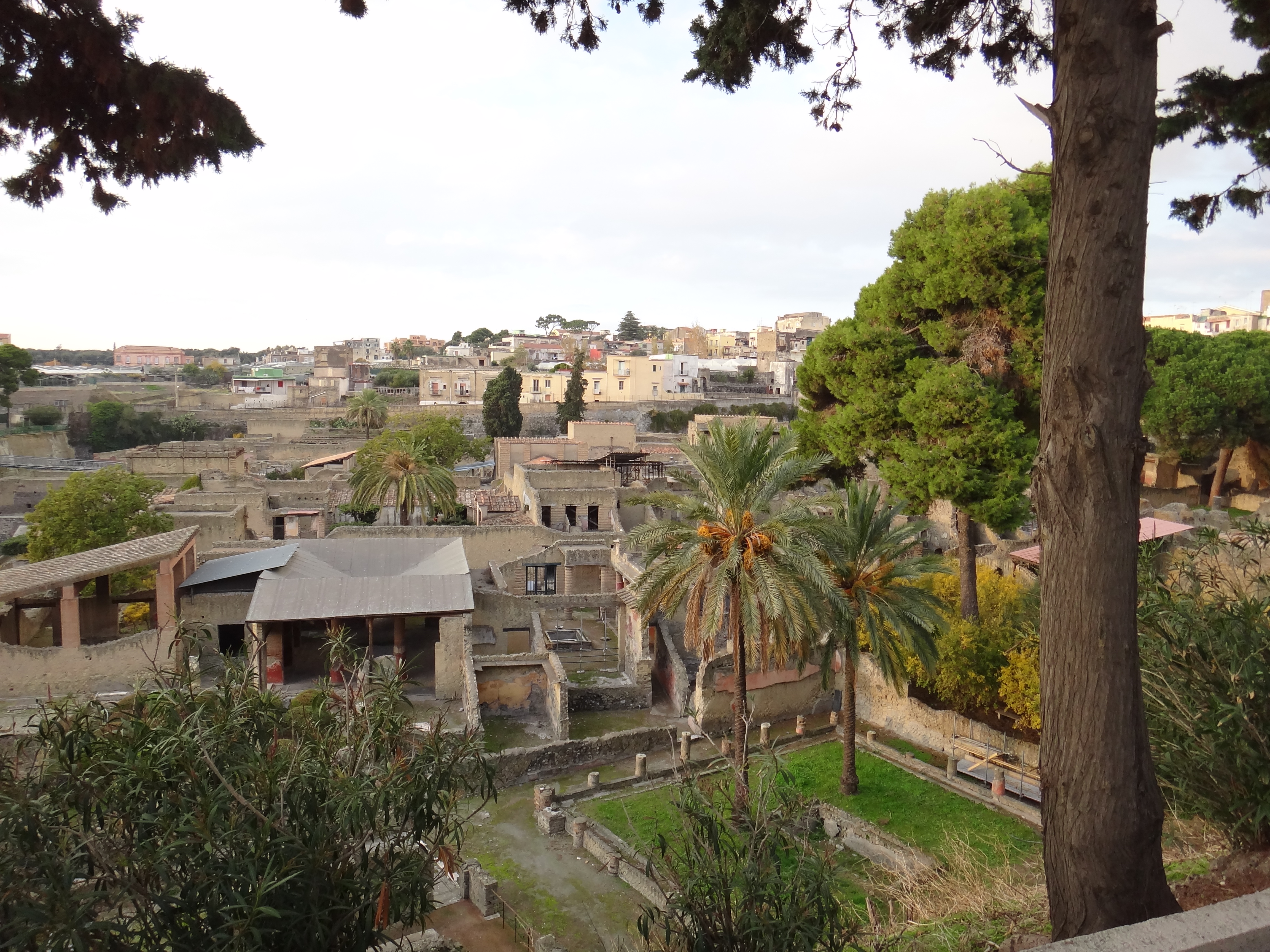
Herculaneum

The town’s quiet existence was brought to an abrupt halt in AD 79 during the eruption of the Vesuvius that buried Pompeii with deep lava and mud.  The site of ancient Herculaneum is well below the level of the modern town.  The area is still being excavated.

In 89 BC the town became part of the Roman Empire, a residential municipium and resort.

Excavations in Herculaneum began in the 18th century and uncovered Roman houses built around a rectangular plan.  Perhaps the best known is the Villa dei Papiri.
Excavations in Herculaneum began in the 18th century and uncovered Roman houses built around a rectangular plan. Perhaps the best known is the Villa dei Papiri.

The Trellis House, a characteristic example of an inexpensive Roman multi-family dwelling and is made of wood and reed laths in crude tufa and lime masonry.

Many thanks to AIS Comune Vesuviane, Vigna Pironti and Casa Setaro Wineries for the fantastic tasting.  Cheers!!! Thanks for reading.
Many thanks to AIS Comune Vesuviane, Vigna Pironti and Casa Setaro Wineries for the fantastic tasting. Cheers!!! Thanks for reading.

(c) 2013 Montserrat Franco.  All pictures by me taken with IPhone 4, 4S and Sony Cybershot.  You are more than welcome to share them mentioning the font.