For the fashionable pair Domenico Dolce and Stefano Gabbana, their beloved Sicily is an endless source of inspiration. With several collections on a row from New York to Milan Fashion Weeks they take us on a tour to rediscover Sicilian traditions, architecture, and history through Fashion.
The sumptuous gold-thread embroidery, religious and devotional hand work as seen on the Monreale Cathedral in Palermo with the most stupendous Byzantine mosaics. Montserrat Franco wearing the Byzantine dress
Detail of 12-13th century mosaic of Christ Pantocrator at the Monreale Cathedral The Cathedral of Monreale is the pinnacle achievement of Arab-Norman art. Founded in 1172 by William II. A Benedictine Monastery was built next to it. An add from the Fall/Winter 2013 campaign by Dolce & Gabbana featuring Monica Bellucci Details from the runway at the Milan Fashion Week 2013. The sumptuous gold, the Cardinal red, the Sicilian widow black and the pure white. This collection is a romantic view of the Sicilian women going to Church, wearing their lace veils and rosaries, the accessories are exaggerated with bejeweled crowns that makes them part Saint and part principessa. Montserrat Franco wearing Dolce & Gabbana sunglasses from the Sicilian Baroque collection In Dolce & Gabbana tailored suit during one of my visits to Southern Italy.
The 2013 Fall/Winter Collection is all about Domenico Dolce’s homeland, honoring the materials of homespun craft (needlepoint, tapestry) the faded baroque splendor in the palaces and basilicas of Southern Italy, an invitation to look deep in to our lost traditions and beliefs, no matter what they are.
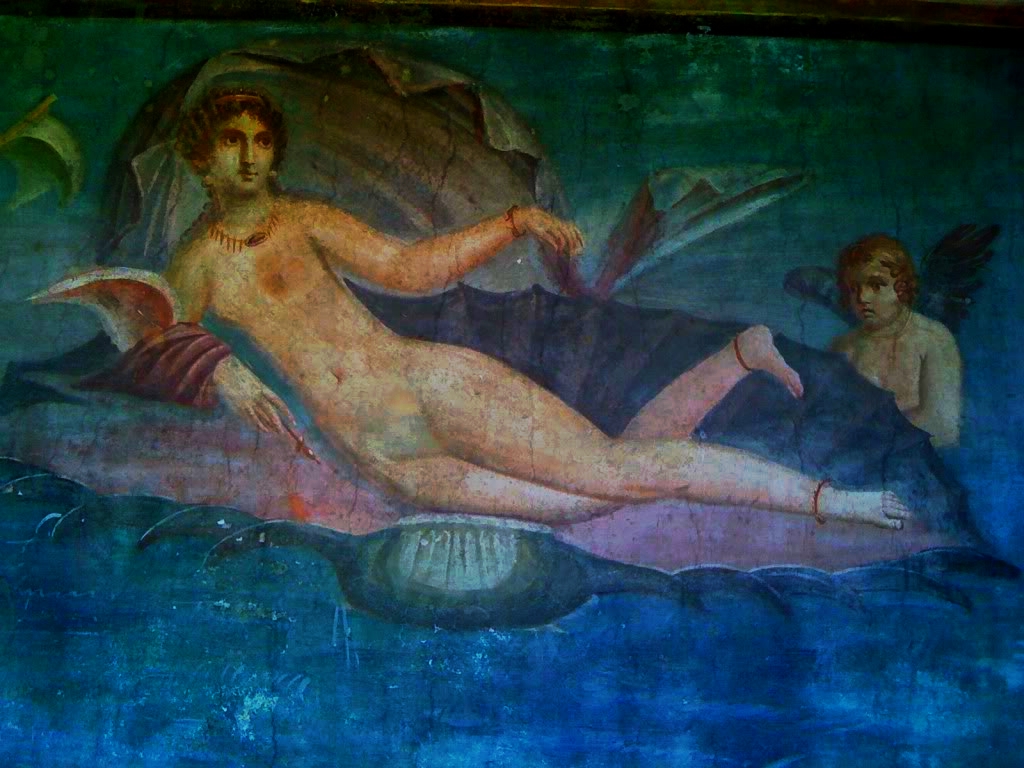
“The Goddess of Love” is one of my favorite frescoes inside the House of Venus. This fresco was discovered in 1952 located on the back wall of the garden, it portrays Venus with 2 cherubs in a pink seashell.
The remains of Pompeii were discovered by accident in the 1590’s when architect Domenico Fontana was excavating the canal to bring the waters from river Sarno to Torre Anunziata but it was not until the 1750’s that the site was seen as an archaeological treasure and one of the most important and well preserved examples of Roman civilization. Follow me on this amazing trip around the streets, houses and wineries of Pompeii, Herculaneum and the Vesuvius National Park.
The Amphitheatre, the oldest of its kind in existence, was used for gladiatorial combat and could hold 20,000 people. The stone tiers were separated in to different sections for the various social classes.
In 90-89 BC the people of Campania became Roman citizens. Naples (Neapolis) or the new city came in to contact with the growing power of Rome. In AD 79 the erupting Vesuvius buried a number of ancient Roman cities including Pompeii.
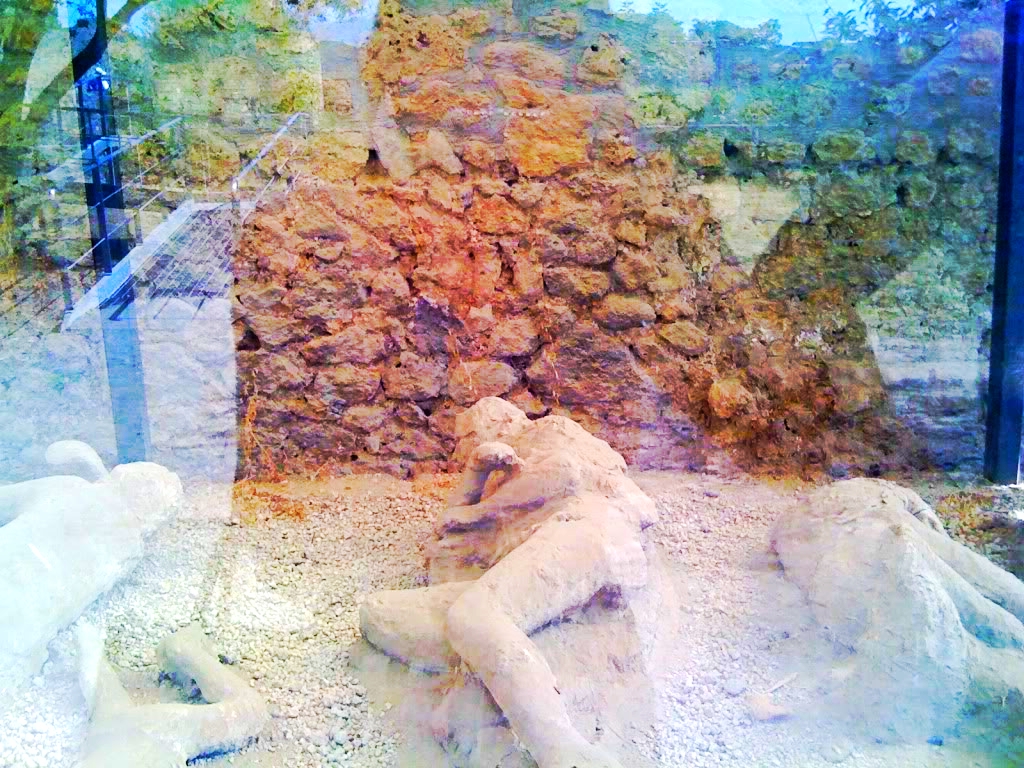
Ash and debris covered Pompeii and bodies were buried by a landslide of thick mud. People tried to scape but didn’t make it, many were killed by the toxic fumes while engaged in everyday tasks.
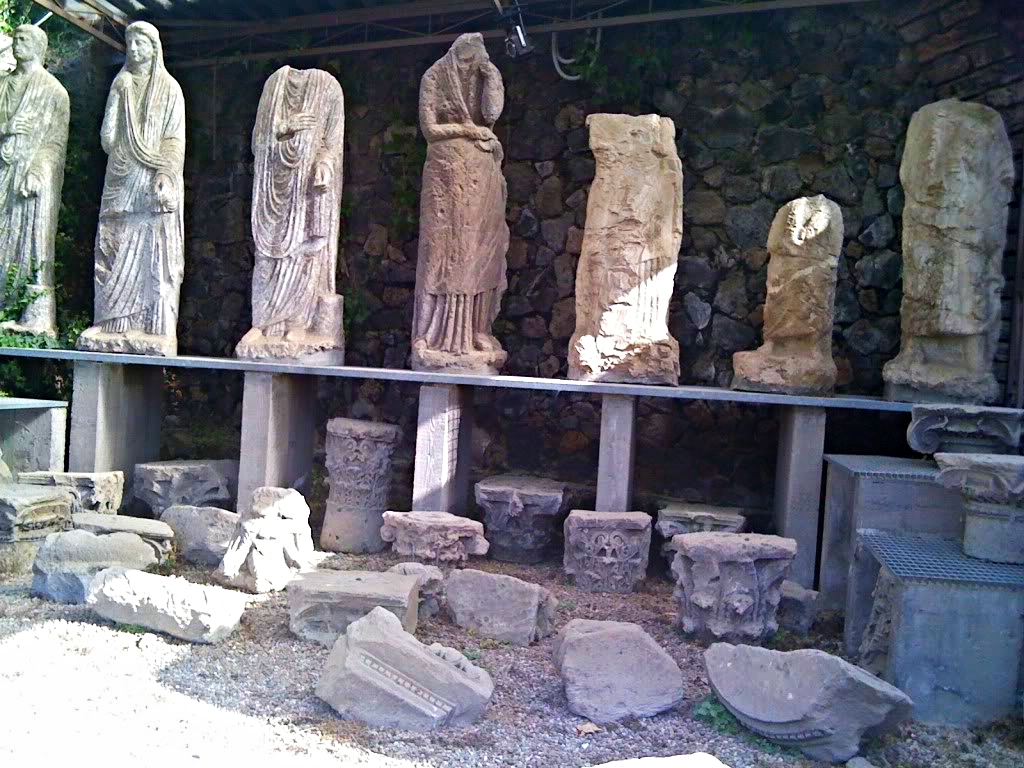
Wealthy residents in Pompeii had often well decorated walls like this one found in the House of The Vettii.Statues found in the streets of PompeiiMany sculptures from Pompeii and Herculaneum were removed from the original site and placed at the Archaeological Museum of Naples, Pompeiian mosaics and frescoes are also preserved in the Museum and date from the 2nd century BC to AD 79.The owners of the House of the Vettii were freedman who become rich merchants.
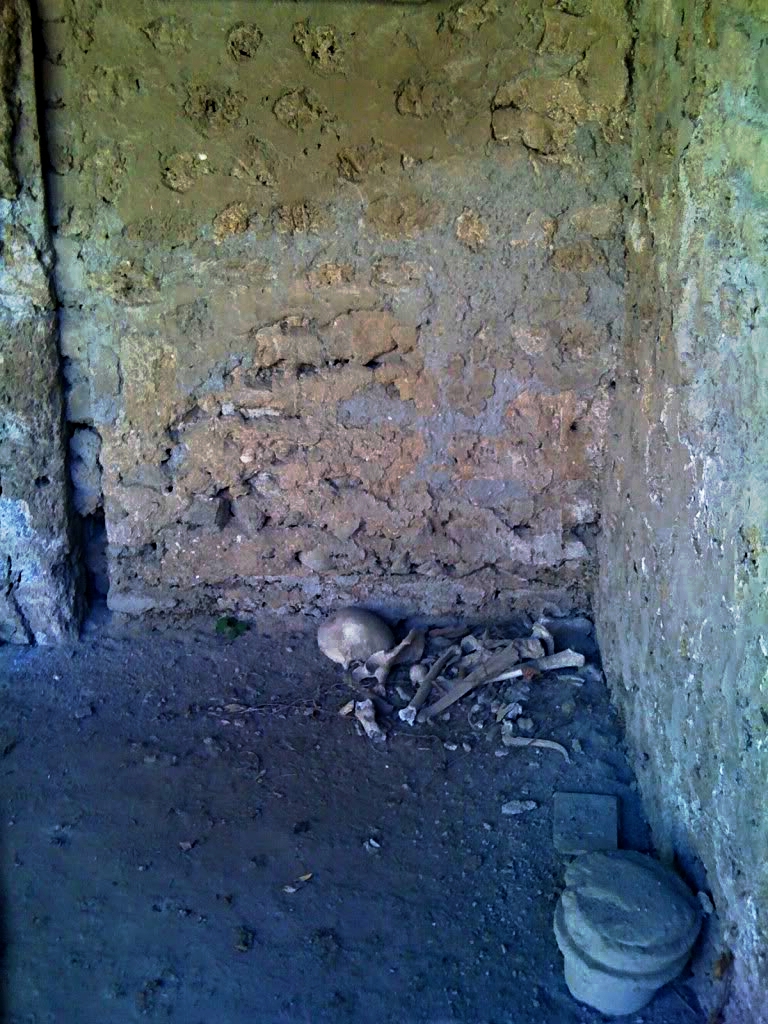
Thanks to the many discoveries we can have an idea of the life in the Roman houses of Pompeii, constructed generally around two open courts; the atrium; an Italic feature and the colonnaded garden of Greek origin. But not only the architecture and the art in their walls, Pompeii reveals much more in the bodies of people unearthed along with their everyday objects.
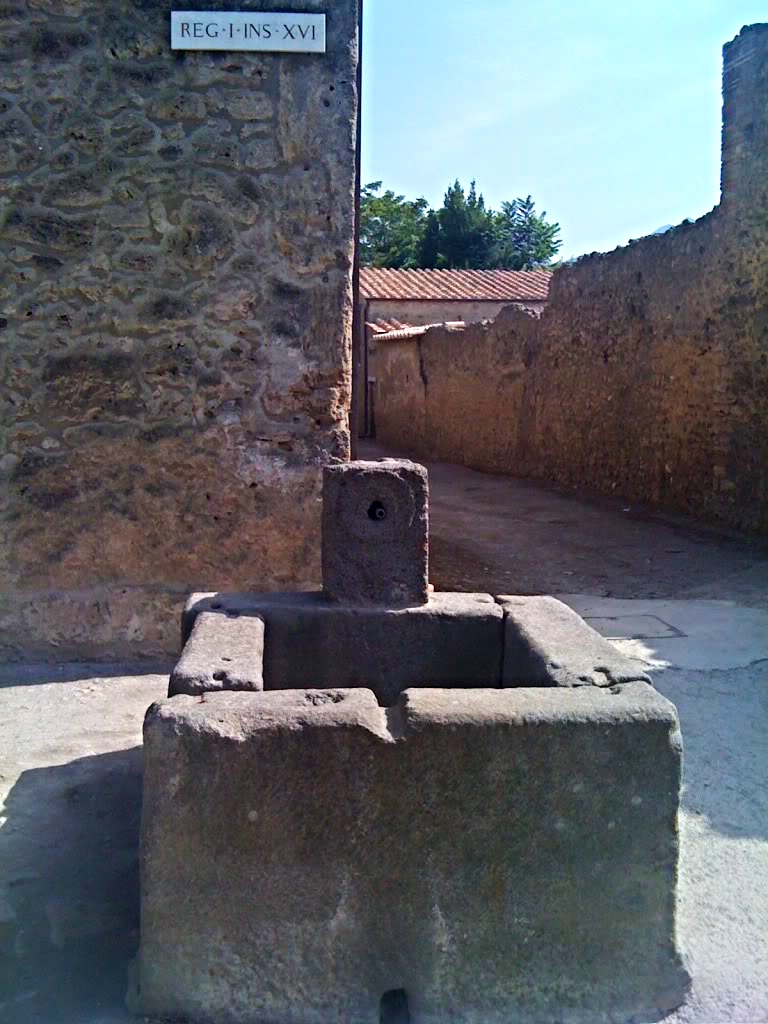
A public fountain in Via dell’Abbondanza. The excavations for this street lined with homes and shops ends just to the left of the Amphitheatre.At the House of the Chaste Lovers is possible to see the fossilized bodies of the mules that used to drive the millstone for grinding wheat.Medusa’s head (Mosaic IX Century BC) House of the Centaur. Pompeii. On display at the Museo Archeologico NazionaleThe Lunapare was the best organized of Pompeii’s many brothels. The walls were decorated with erotic paintings and sculptures symbolizing fertility or describing the many services offered in these houses.
Lacryma Christi and the ancient wine making in the Vesuvius
A Paleo Christian legend says that Christ cried over the Vesuvius and His Holy tears blessed the vineyards giving name to this excellent wine. Other legend distorted from the pagan mythology says that Jesus visited a hermit converting his bad beverage in to amazing wine. Today we can see many frescoes with wine rituals from the houses in Pompeii that have survived the ashes after the eruption of the Volcano.
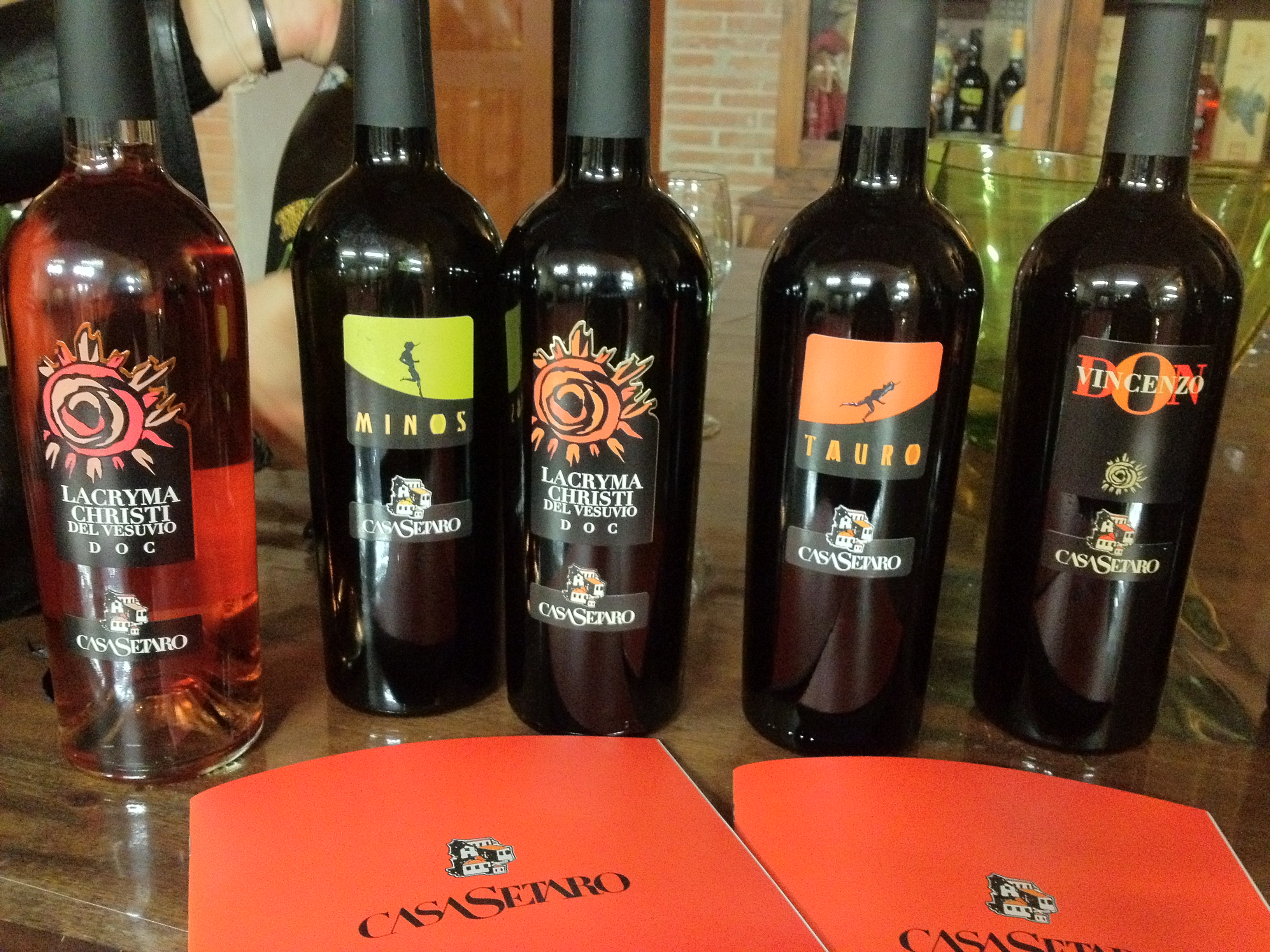
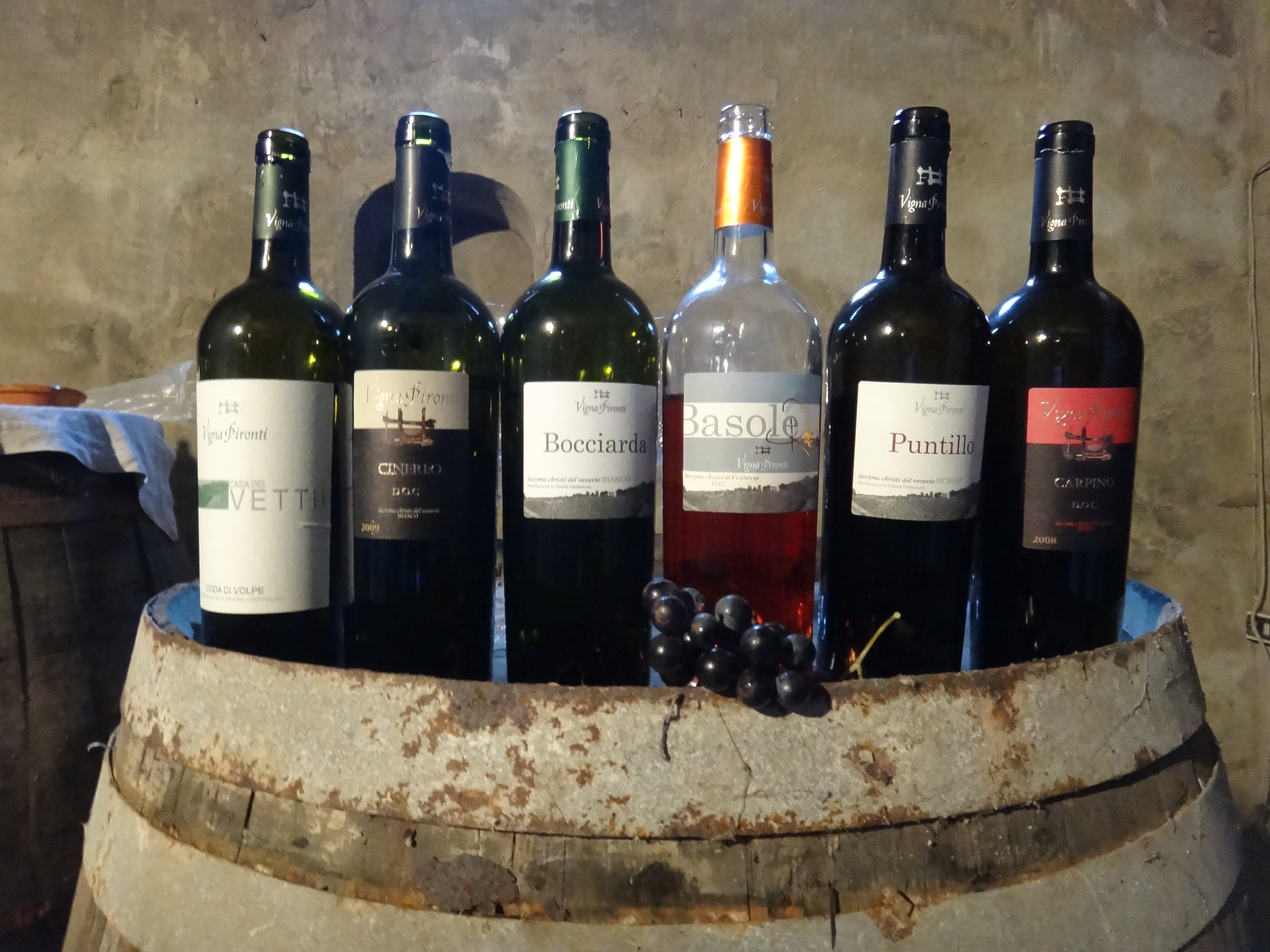
The Wine Offering. Fresco found in Pompeii (VII Century BC) on display at The Archaeological Museum of Naples (Museo Archeologico Nazionale) Wine making and consumption was very important in Greek and Roman cultures, just like drinking water.An example of ancient viniculture techniques in Pompeii 79 AD. Today these vineyards are curated by Mastroberardino wineries producing limited vintages of Greek origin vines.Ancient Caprettone vines facing the now dormant volcano.The land around volcanoes are rich in alkali and phosphorus and is extremely fertile. Lacryma Christi is a great wine produced in the slopes of the Vesuvius.The mineral soil of the Vesuvius where the Piedirosso and Aglianico grapes are used to make the Lacryma Christy reds.In this volcanic land so rich for the agriculture the organic “Pienolo tomatoes” just like the wines; obtained the DOP category (Denomination of Protected Origin) The Pienolo tomatoes are promoted by the Slow Food Commission Vesuvian Chapter and are another example of sustainability in bio-agriculture.Pienolo DOP tomatoes on display on a local Vesuvian trattoria; it shows the way the tomatoes are placed on stalks for their cultivation and after harvest they need to be maintained on the same way for better conservation, this is according to an ancient tradition in Campania.The Vesuvius National Park it’s a protected area where generations of family owned wineries make distinctive wines like Casa Setaro, a small wine producer that I had the pleasure to visit on my trip to the Vesuvius.Aglianico vines in PompeiiVisiting Vigna Pironti with the Italian Association of Sommeliers (AIS) Vesuvian Chapter. Vigna Pironti produces great red and wine varieties of Lacryma Christi, some of them named after the houses in Pompeii.An ancient barn at Vigna Pironti’s fields
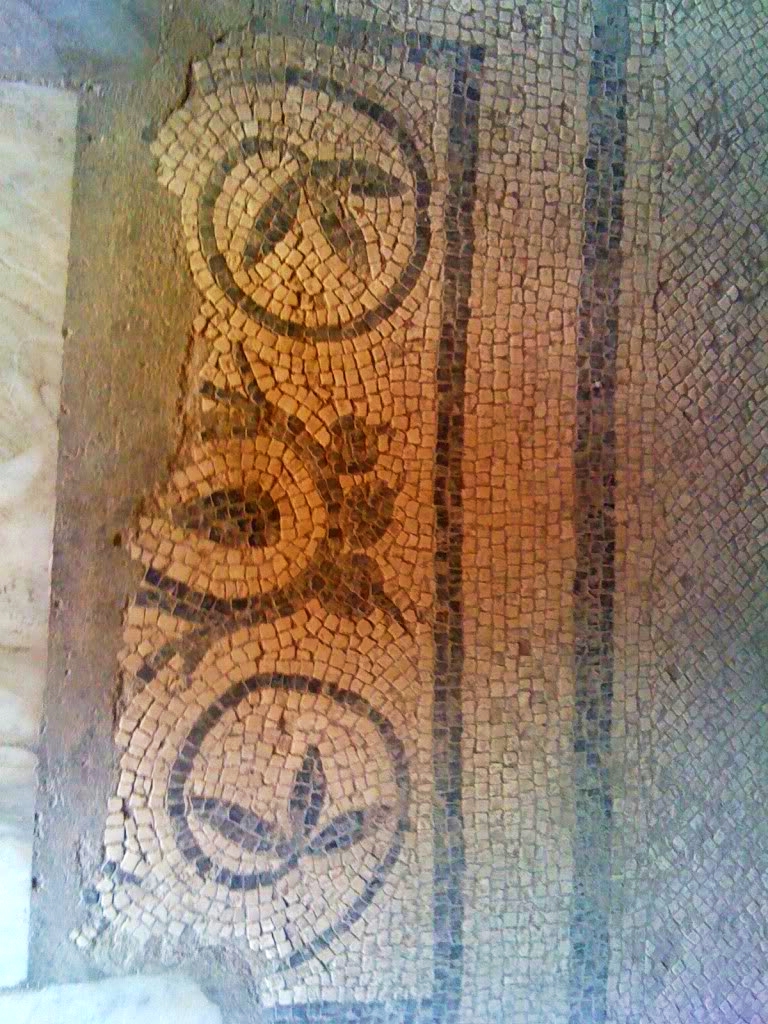
Detail of wall decoration. PompeiiDetail of a mosaic found in Pompeii
Herculaneum
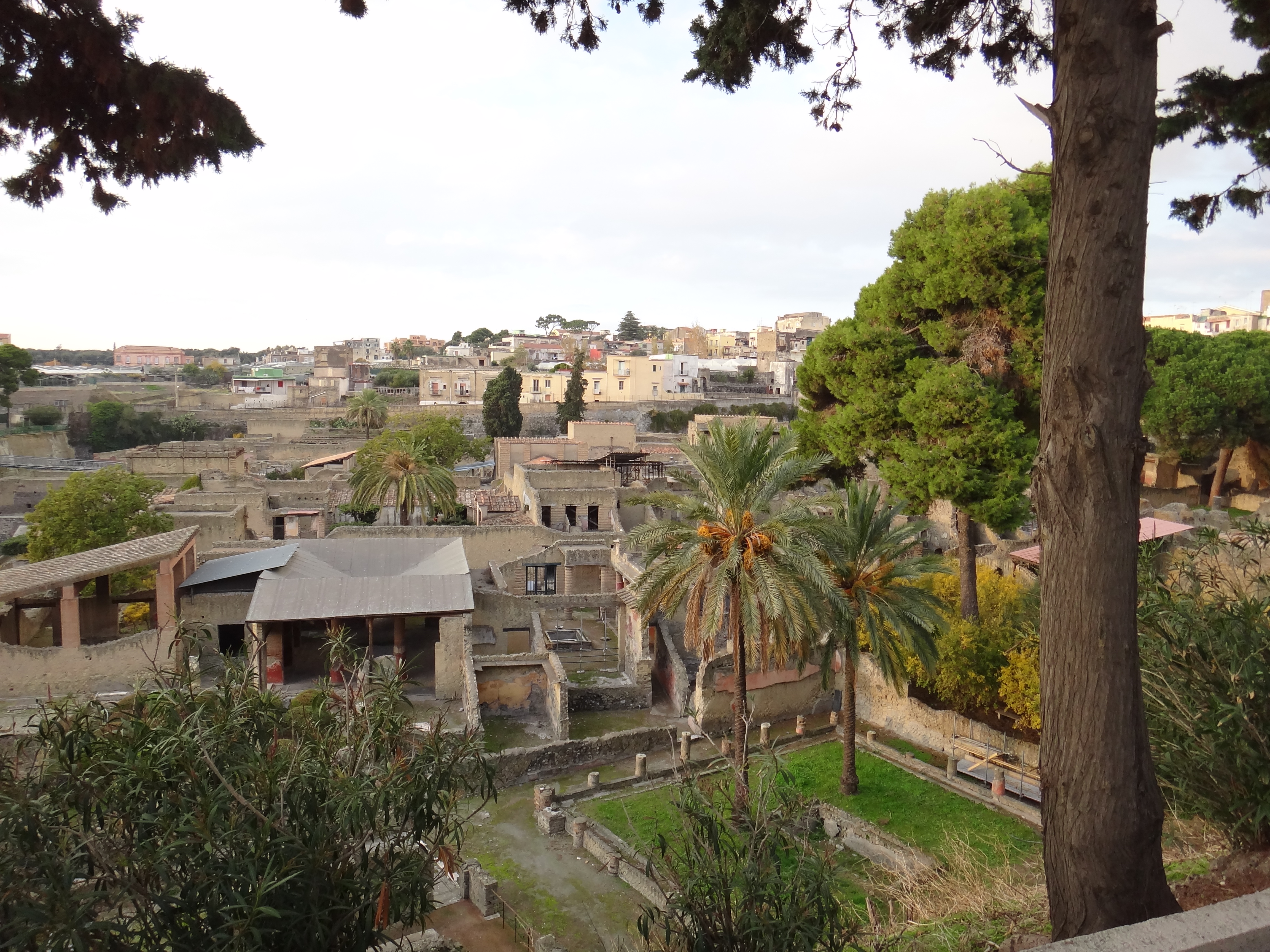
The town’s quiet existence was brought to an abrupt halt in AD 79 during the eruption of the Vesuvius that buried Pompeii with deep lava and mud. The site of ancient Herculaneum is well below the level of the modern town. The area is still being excavated.
In 89 BC the town became part of the Roman Empire, a residential municipium and resort.Excavations in Herculaneum began in the 18th century and uncovered Roman houses built around a rectangular plan. Perhaps the best known is the Villa dei Papiri.The Trellis House, a characteristic example of an inexpensive Roman multi-family dwelling and is made of wood and reed laths in crude tufa and lime masonry.Many thanks to AIS Comune Vesuviane, Vigna Pironti and Casa Setaro Wineries for the fantastic tasting. Cheers!!! Thanks for reading.
(c) 2013 Montserrat Franco. All pictures by me taken with IPhone 4, 4S and Sony Cybershot. You are more than welcome to share them mentioning the font.


 The sumptuous gold-thread embroidery, religious and devotional hand work as seen on the Monreale Cathedral in Palermo with the most stupendous Byzantine mosaics.
 Montserrat Franco wearing the Byzantine dress
 Detail of 12-13th century mosaic of Christ Pantocrator at the Monreale Cathedral
 The Cathedral of Monreale is the pinnacle achievement of Arab-Norman art. Founded in 1172 by William II. A Benedictine Monastery was built next to it.
 An add from the Fall/Winter 2013 campaign by Dolce & Gabbana featuring Monica Bellucci
 Details from the runway at the Milan Fashion Week 2013. The sumptuous gold, the Cardinal red, the Sicilian widow black and the pure white. This collection is a romantic view of the Sicilian women going to Church, wearing their lace veils and rosaries, the accessories are exaggerated with bejeweled crowns that makes them part Saint and part principessa.
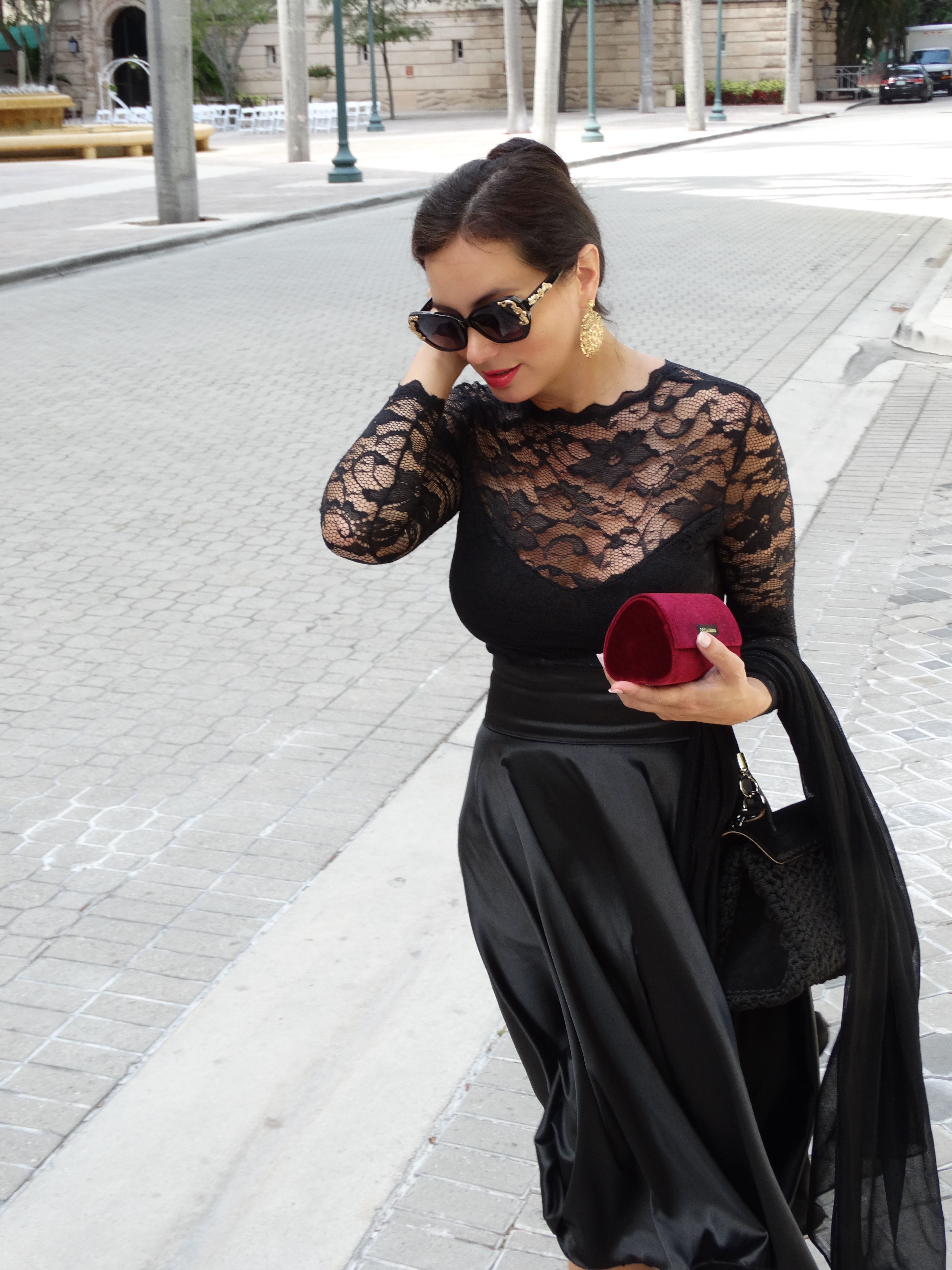 Montserrat Franco wearing Dolce & Gabbana sunglasses from the Sicilian Baroque collection
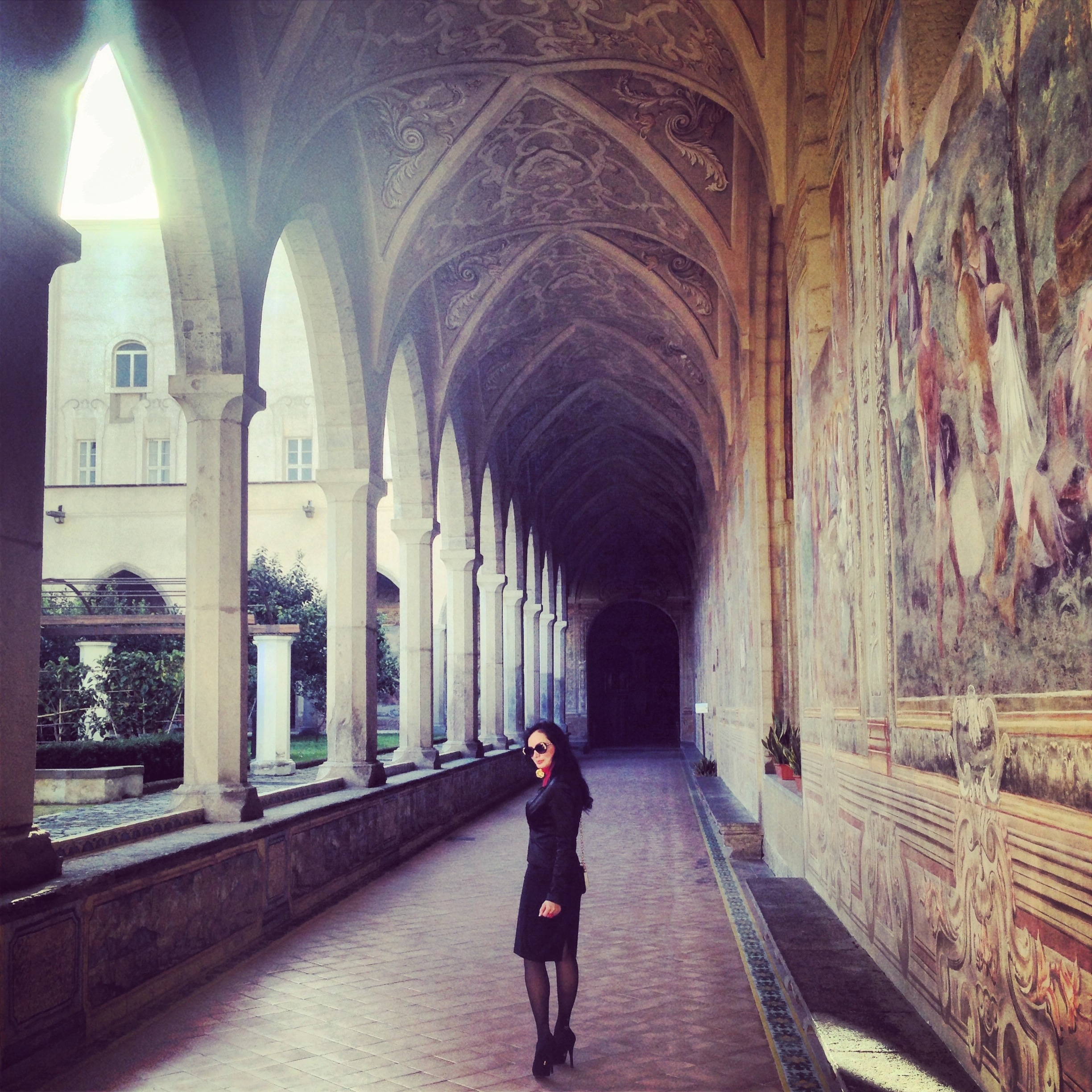 In Dolce & Gabbana tailored suit during one of my visits to Southern Italy.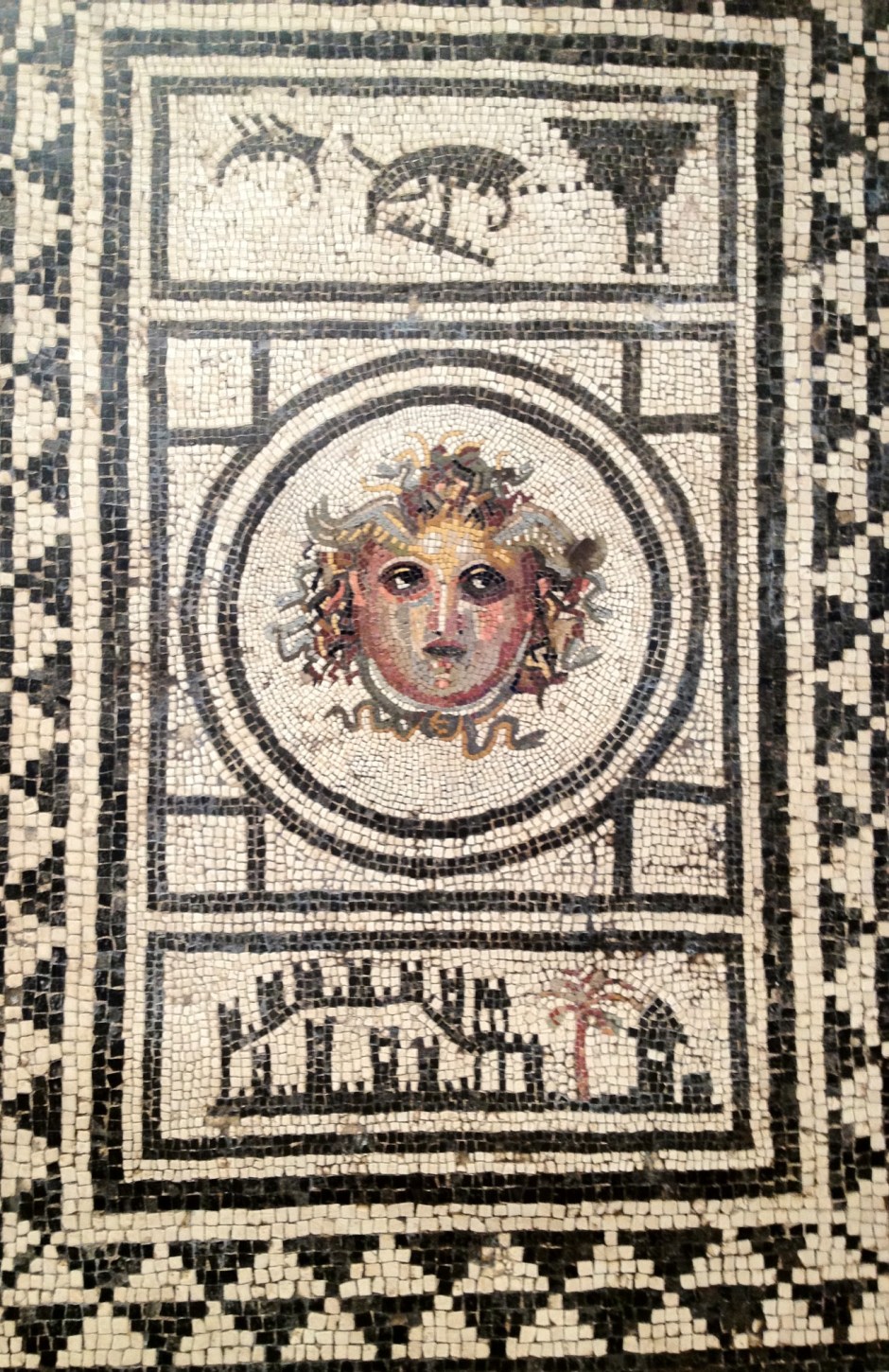












 Montserrat Franco