My Guide in Oaxaca

A Land of diversity, Cultural Heritage declared by Unesco, a destination like no other

Oaxaca is not like any other part of Mexico; Oaxaca is a country of its own and that is reflected in the pride of 16 different linguistic groups and 26 sub-linguistic groups in their distinctive 8 regions

The diversity in the culinary and mezcal is impressive counting the different terroirs, soils and elevations as well as the historic taste of each community: Cañada or Sugar cane fields (home of interesting Agricole rums and Oaxacan whiskey), Coast (excellent fish and sea food), Isthmus (most of the representative Tehuana and Muxe cultures, the famous Iguana soup and other delicacies), Mixteca (famous for their corn), Papaloapan (border with Veracruz, famous for their coffee and cacao), Northern Highlands, Southern Highlands, Central Valleys (where you will be mostly touring and will have all the diversity of agaves for the mezcal production).   

Some recommendations:

·      Most places, especially markets, taxis, stores, artisan shops, only accept cash in Oaxaca, credit cards only at fine dining restaurants and mixology bars.  Always have Mexican pesos and if you need to, check with your bank which bank partners have no foreign commissions on transactions.  Remember that US dollars are very low now and change is at around 16.28.  You can exchange at the airport upon arrival and at the historic center at the exchange shops, just check the rates first.

·      There’s no Uber in Oaxaca but there’s an app call Didi that you can download and place your credit card, it connects to yellow taxis and the rates are lower than negotiating with taxis on the street, I recommend to set the app to “Pay with cash” because when the driver sees that you are paying with CC on file, he can just cancel your trip because it takes longer for them to get paid.

·      Always take a yellow cab; if you see a red or blue cab, those are called independent or “foraneos taxis” and connect closest cities but they are not allowed to enter inside the city center of Oaxaca, you may end up your trip far from your hotel if you take one of those taxis, paying the same rate.

·      Getting around with taxis in Oaxaca can be a pain because they can technically charge you anything; always ask first how much the ride will be from your place to a place you go and agree to it.

·      Tips are voluntary and servers always ask if you want to leave tips.  US nationals are always the most generous but servers are not used to more than 10 or 15% gratuity.

·      Always wear comfortable shoes, you walk a lot in Oaxaca

·      Always wear sunscreen, hats, sunglasses, sun is pretty strong 

·      Keep yourself hydrated, never drink water from the faucet, not even to brush your teeth, use bottled water.

·      Have some repellent, there are mosquitoes in the villages and there’s dengue going on right now.

·      Oaxaca is pretty safe but avoid walking on dark streets during late hours (midnight and up) at the historic center.  If you exit from a Mezcaleria try to always go on main streets; you will see the lively scene but always keep an eye on your back and surroundings.   

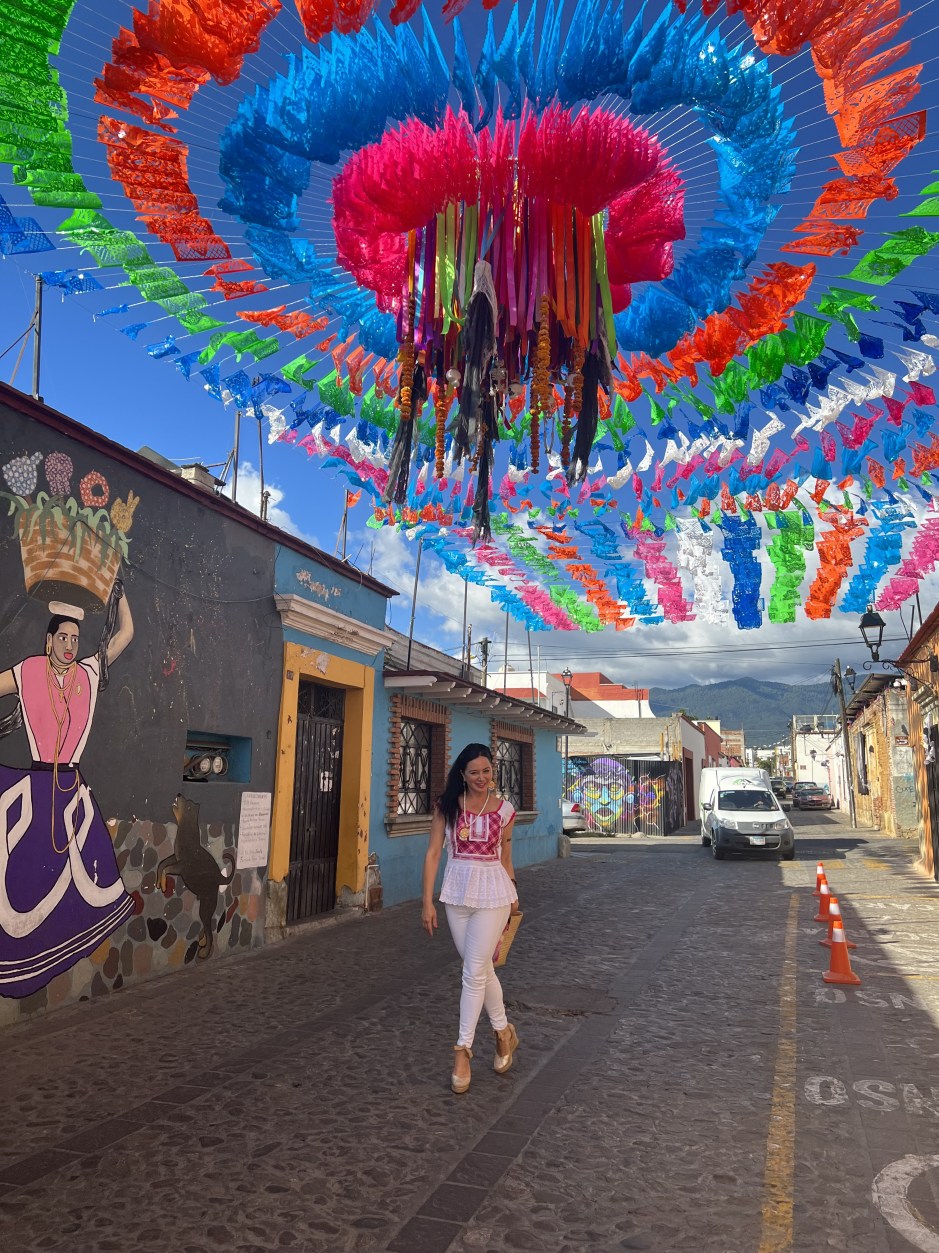
·      In any situation enjoy everything that Oaxaca has to offer: the gastronomy, the mezcal, the craft and the lively scenery because every day in Oaxaca is a celebration; you will see most of these “calendas” or processions with dancers, giant props “monos”,  globes “marmotas”, live marching bands and all of that is just part of their daily lives and is free for the public to see it and enjoy around the main streets of the Santo Domingo Temple.  If you just walk around there or have a coffee or drink at a rooftop nearby Santo Domingo at around 5 to 7 pm each afternoon; you will experience it, most-likely is wedding or a Quinceanera (Sweet 15 celebrated in Oaxaca) depending of the date it is also a celebration of a Saint Patron (they have so many all year long)
The Santo Domingo Temple is the center of the everything that happens around the city of Oaxaca
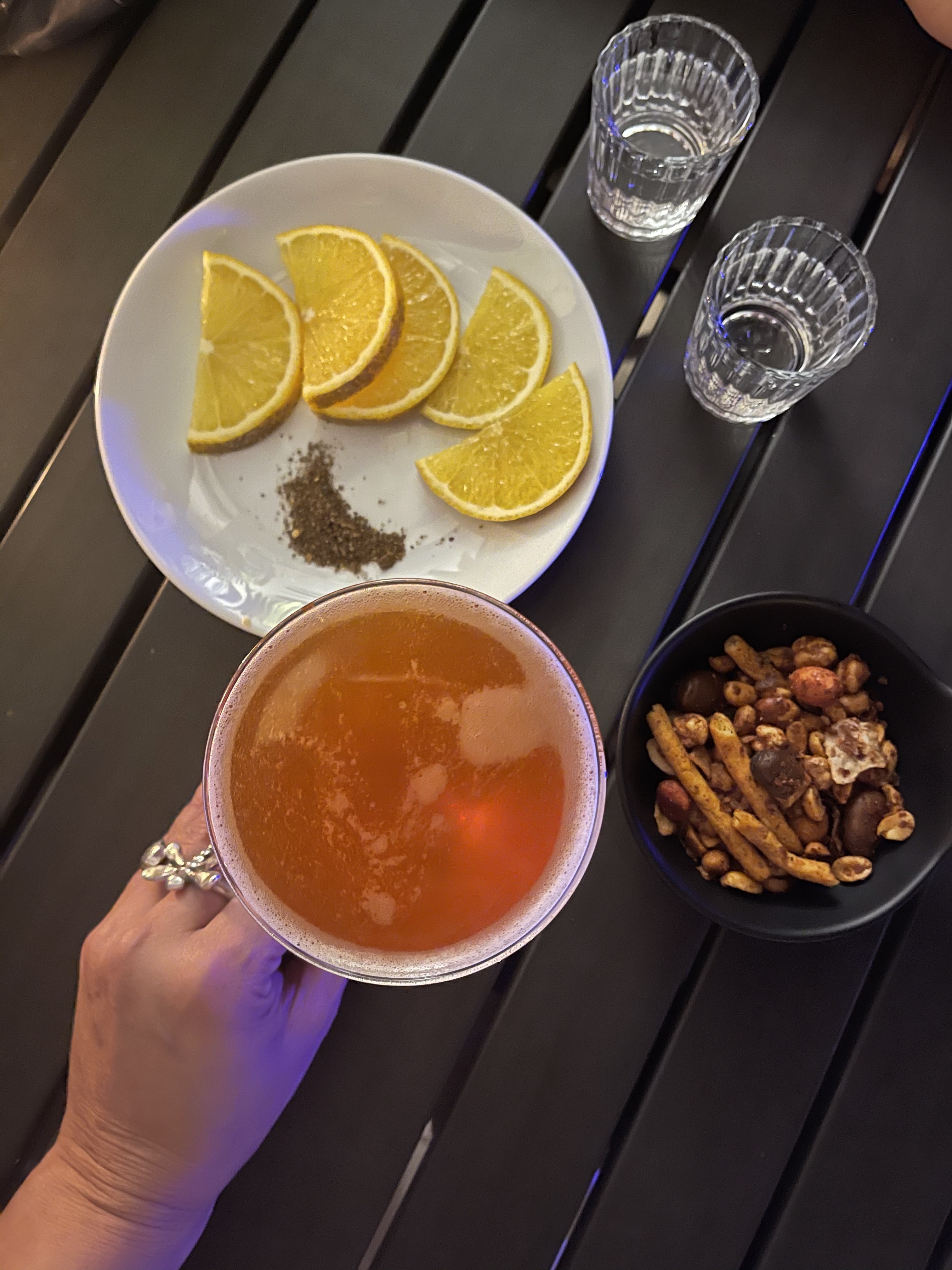
Mezcal service and cocktail offerings at a local Mezcaleria in Oaxaca city
Mezcal service and cocktail offering at Casa Oaxaca

Culinary etiquette and must tries in Oaxaca:

Memelas: Handmade white corn patties made of “masa” they are always made to order in the comal (kind of like a hot clay grill) once cooked, the memelas (thicker than regular tortillas) are brushed with “asiento” (pork lard) placed again in the comal, they add “frijoles” (beans puree) “quesillo” cheese (often called “Oaxaca Cheese” but the correct name is “Quesillo”) those are the basic ingredients but you can add toppers such as: meats “tasajo” (a thin slice of beef) “Cecina” (a thin slice of marinated in chiles beef).  Memelas are usually taken for breakfast with “café de olla” (if you are an espresso person, you may not like it as it is diluted with water; coffee cooked on a clay pot with spices such as cinnamon, cloves and it is already sweeten with “piloncillo” (unrefined cane sugar paste) 

Memelas and salsitas service at Ancestral restaurant in Xochimilco

Tlayudas: These are white or blue corn patties made by hand and then pressed to make them very thin; cooked at the comal and then left to dry.  They can remain edible for a long time in airtight containers.  Some foodies describe them as the Oaxacan pizza, the tlayudas are something so traditional of Oaxaca that you can’t leave without trying them.  Once the thin patties are ready and crispy, they are placed at the comal and “asiento” is added (if you are vegan or for religious reasons you could ask them to make it without asiento or with a vegan base asiento (most established restaurants can accommodate), then the frijoles, then quesillo (the main ingredient in the tlayuda) avocado slices, you have a choice of Cecina or tasajo and is accompanied with roasted green onions and radish. 

Salsa verde and salsa roja: These salsitas are always present to accompany any dish, the green sometimes can be very spicy as it is made with habanero, the red can be a mix of mild chiles, some restaurants make these salsas in front of you and you can choose the salts you want and level of spiciness. 

A traditional Oaxacan platter with meat, grilled cheese, guacamole, chiles, pork, sausage, bean, salsa roja and totopos (corn chips)

Chapulines: the roasted and seasoned crickets are the signature topping for any dish in Oaxaca. They contain more protein than a slice of beef.  You can find them in all sizes and can eat them as a snack, on top of guacamole they taste fantastic, with salty peanuts and nuts.  They are also grinded and made into salts.

A vendor stand at the Merced market with an assortment of chapulines salt and other favor “botanas” (appetisers)

Sal de Gusano: the worm that is around the maguey (agave) is soaking the agave SAP and is rich in flavor; it is collected and let to dry, then roasted and ground with spices to be converted into salt. It is served along with orange slices, green apples or jicama after a sip of mezcal but is preferred to have just the mezcal without any of that and use the gusano salt mostly as a rim for cocktails. 

Mole: there are 7 different types of Mole in Oaxaca as opposed to Puebla where there is only 1.  The competition has always been there as to who makes the best mole, but the reality is that each family in each region of Oaxaca has a signature recipe and their traditional mole for each occasion.  On my recommendations there are some moles to taste in restaurants but you can also taste some at the mercados or towns nearby and see the difference.  

Chocolate: in Oaxaca they will offer you for breakfast even before coffee a Chocolate de agua (basically a non dairy hot chocolate) and a Chocolate con leche (a hot chocolate on hot milk) the beverage is very rich in flavor and already has lots of added sugar, vanilla and roasted almonds.  The basic chocolate paste is made on the metate (an ancient stone grinder).  On my recommendations you can also visit a traditional Chocolate factory at one of the mercados where you can see the process, now made in metal grinders, is still very old fashioned.  The most important thing about the chocolate they serve you is that they will use a green or red clay jar and a molinillo (some kind of a wooden wisp) to make the bubbles right in front of you. If it doesn’t make bubbles, the hot chocolate is not perfectly served.

The famous Oaxacan Chocolate served in a clay jarrito at La Merced Market

Tejate: an ancient drink that had ceremonial purposes in the past.  It is very refreshing and you will see it in the streets served from giant clay containers on “jicaras” hand painted gourd vessels, you can also ask for a plastic container to go.   

Pan de Yema or Pan Dulce: an egg, water, flour and pulque (fermented agave SAP) yeast, some bread makers now use baker’s yeast.  They will always serve you this bread (that is the original recipe for the Pan de Muertos) with a chocolate beverage or coffee.  The Pan dulce will have some variations on shape and the crusty top (also called “conchas” in other parts of Mexico). 
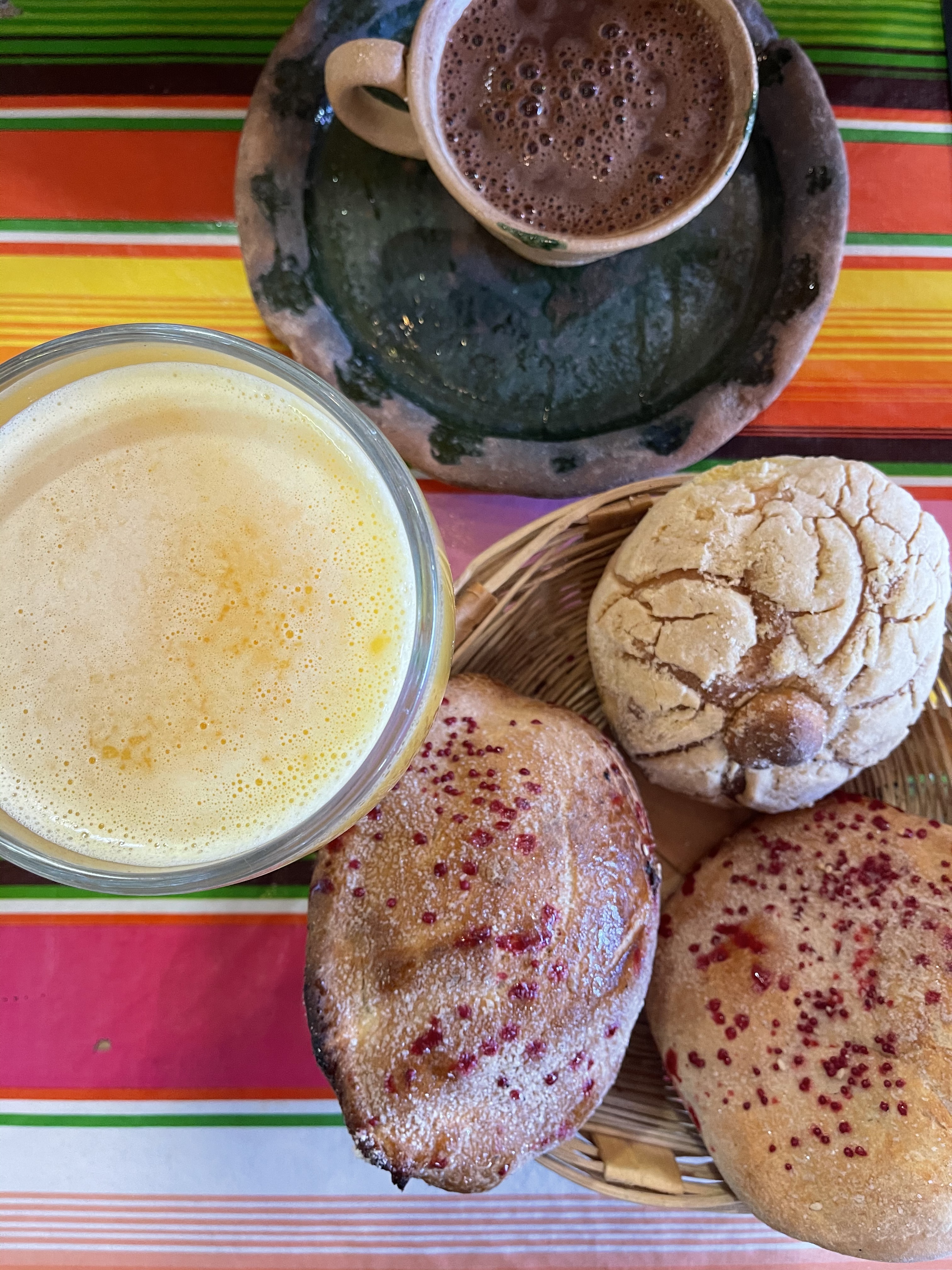
Pan de yema and pan dulce served with chocolate and orange juice at La Merced market

Barbacoa: best barbacoas you will find at the village’s markets; the most popular barbacoas are the ones of the village of Zaachila which was the last capital of the Zapotec empire and about 40 minutes from the center of Oaxaca or in the Tlacolula market (about 40 minutes from Oaxaca’s city center) Barbacoa can be of sheep, goat or cow but most popular and rich in flavor are the first two.  Beef is first marinated with spices and then cooked in an underground oven, a mezcal bottle is placed next to it as a blessing.  You can also experience and see the “destapada” when they open the oven and serve you a copita (tiny glass) of warm mezcal to open the appetite before having the barbacoa for breakfast or lunch. Usually it is the meal/brunch on Sundays.  At markets it is served with a generous dish of soup from the barbacoa itself and large tortillas with all the toppings to make your own barbacoa tacos.

Aguas Frescas: at any restaurants or markets the aguas frescas are always available and since this is pure fruit juice, you have all the variety that the tropical and sub-tropical region has to offer.  

Nieves: These are Oaxacan sorbets, made with real fruit, water or milk in the old fashioned way (wooden tanks) . They have great flavor.  Some of the best nieves are at La Oaxaqueña Plaza de la Danza, on the same plaza of La Soledad Church, this is great area to have a seat and enjoy the sunset or after a meal, have some nieves and listen to the marimba (steel drum) players that are always there.  

Mezcal: the pride and joy of Oaxaca is Mezcal, I have recommendations on the next posts of some of my favorite mezcal routes and mezcalerias as each region has a signature mezcal making and agave diversity as well as each region’s microclimate, water and terroir will influence on the final product.  What used to be a drink of the community made in small batches for that special occasion is today a fashionable spirit praised by bartenders around the world and loved by millennials. Today is the fastest growing spirit category. 

Mezcal service with worm and chapulines salts

©️2023 Montserrat Franco

Faena: More than a Hotel: Art, Culture, Gastronomy and its creative mastermind


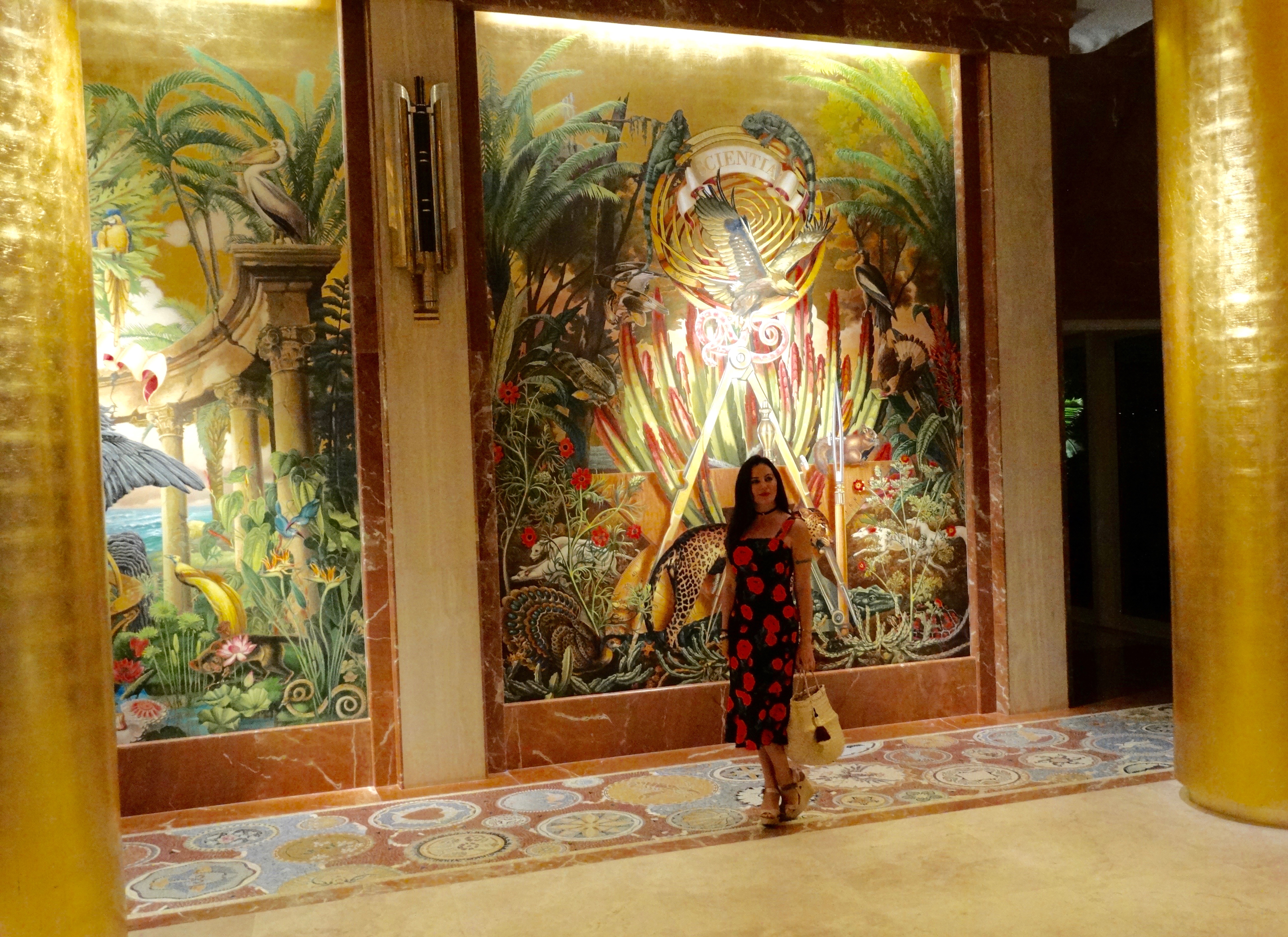
When entering the opulent Faena Hotel is like submerging in to a Cathedral of art; murals and mosaics by renowned Argentinian artist Juan Gatti called the Coined Utopia (Faena + Utopia) a depict of the Journey of Life and a vision of Alan Faena’s magical world.

DSC04517
Montserrat Franco in front of Juan Gatti’s “Coined Utopia” at Faena Miami Beach wearing Dolce & Gabbana
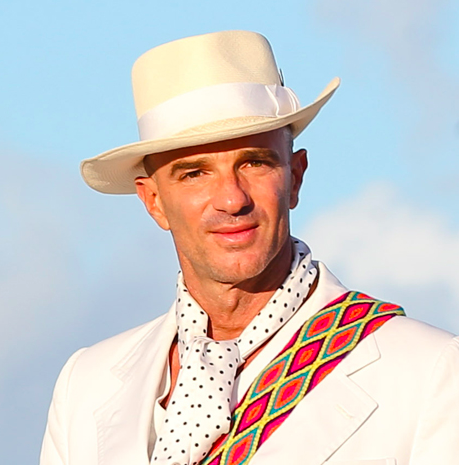
Alan Faena; the orchestrator of this Hotel Universe; has always been the utopian businessman; when believing in areas that no one will give credit to; decades ago back in Argentina, transforming and making its own empire from marginal to chic; like a Midas touch; everything turned in to gold.

When understanding the Faena’s “cosmovision”; his own style that has been evolving as the Urban Alchemist; dressing in pristine white and a dandy hat but with a folk accessory to complete the outfit: an Indian wayuu crossbody bag. We want to show you more about his fantastic world and here we are for the experience.

Screen Shot 2016-11-02 at 11.07.16 AM
Alan Faena

Golden columns and red carpet guide us to the Living room, the tropical lounge retreat with a curated live music set nightly; elaborated mixology and that feeling of being on your best friend’s living room.

Los Fuegos by Francis Mallmann: A few steps right after we are at Los Fuegos by Francis Mallmann; crowned the Ambassador of Fire; Francis Mallmann brings his own South American “Gaucho” mastery for “asado” as the traditional way on his custom designed wood fired grill.

One of the distinctive points at the Faena is the golden mammoth installation by Damien Hirst; “Gone but not forgotten” is an example of the unexpected bringing us back to reality and what is here to stay. The path will take us to the beach on a dreamy oasis of white sands flanked by the characteristic red and white stripped umbrellas with endless tassels; in the Middle East tassels were worn as amulets for protection; tassels can be seen on the decor around the Faena complex.

IMG_9621
Damien Hirst: “Gone but not forgotten” Montserrat Franco wearing a Pitusa Sevillana dress

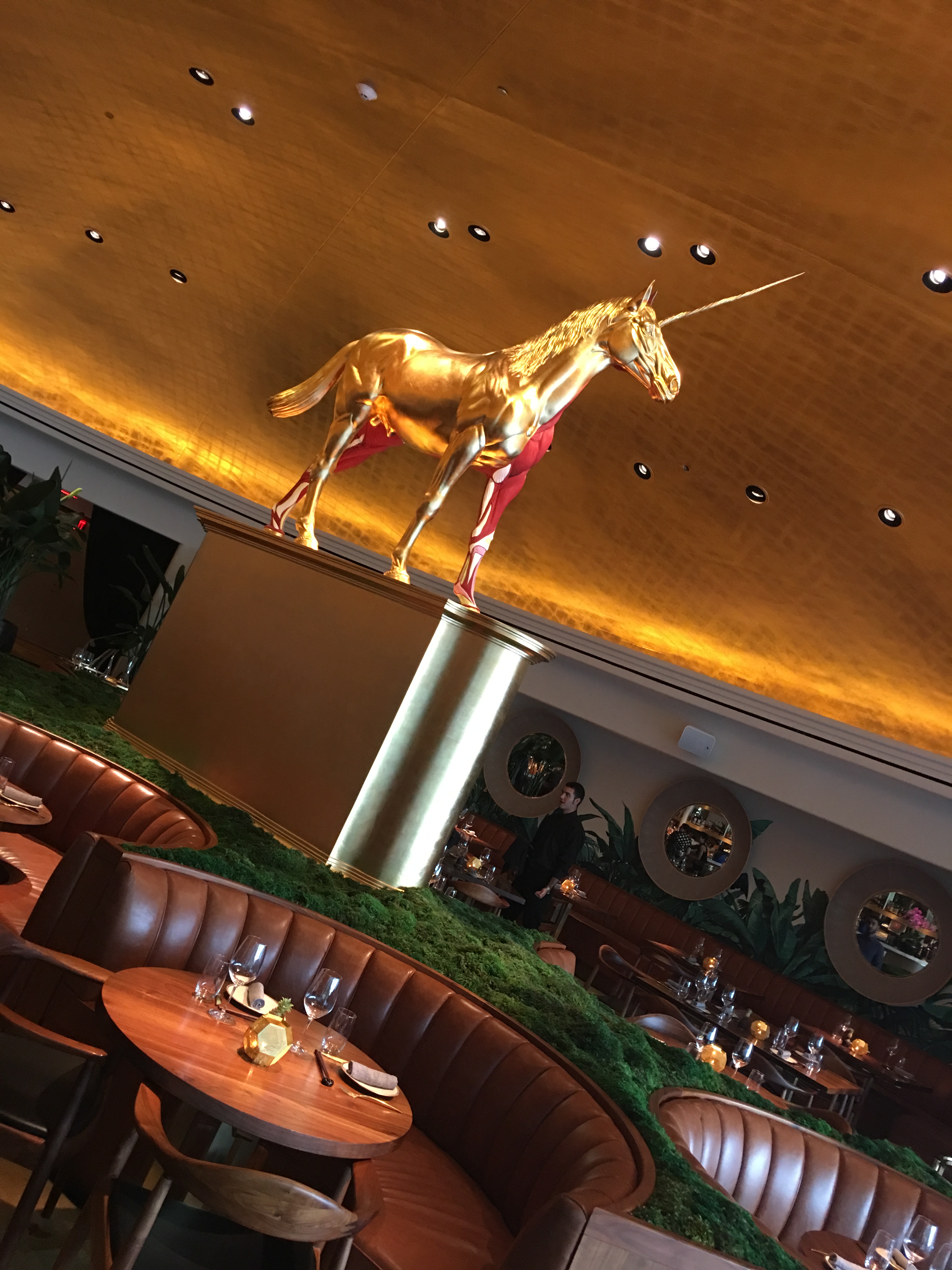
Pao by Paul Qui:  Coming back to the dining areas; we are ready to contemplate the stunning views from the terrace at PAO by celebrity Chef Paul Qui; a James Beard winner brings his Pan Asian flair to Faena’s fine dining arena; from stylish presentations to harmonious flavors; the crudos, kinilaw, ceviche, sashimi or tiradito are once again a delectable sharing experience all paired with a cult and collectible wine list under the tutelage of the sommelier team at La Cava. Another Damien Hirst sculpture of The Unicorn; half gold, half alive in the middle of the dining room is a true expression of the dichotomy myth + reality in Faena’s universe.

IMG_0531
Damien Hirst: The Unicorn at Pao by Paul Qui

IMG_7381
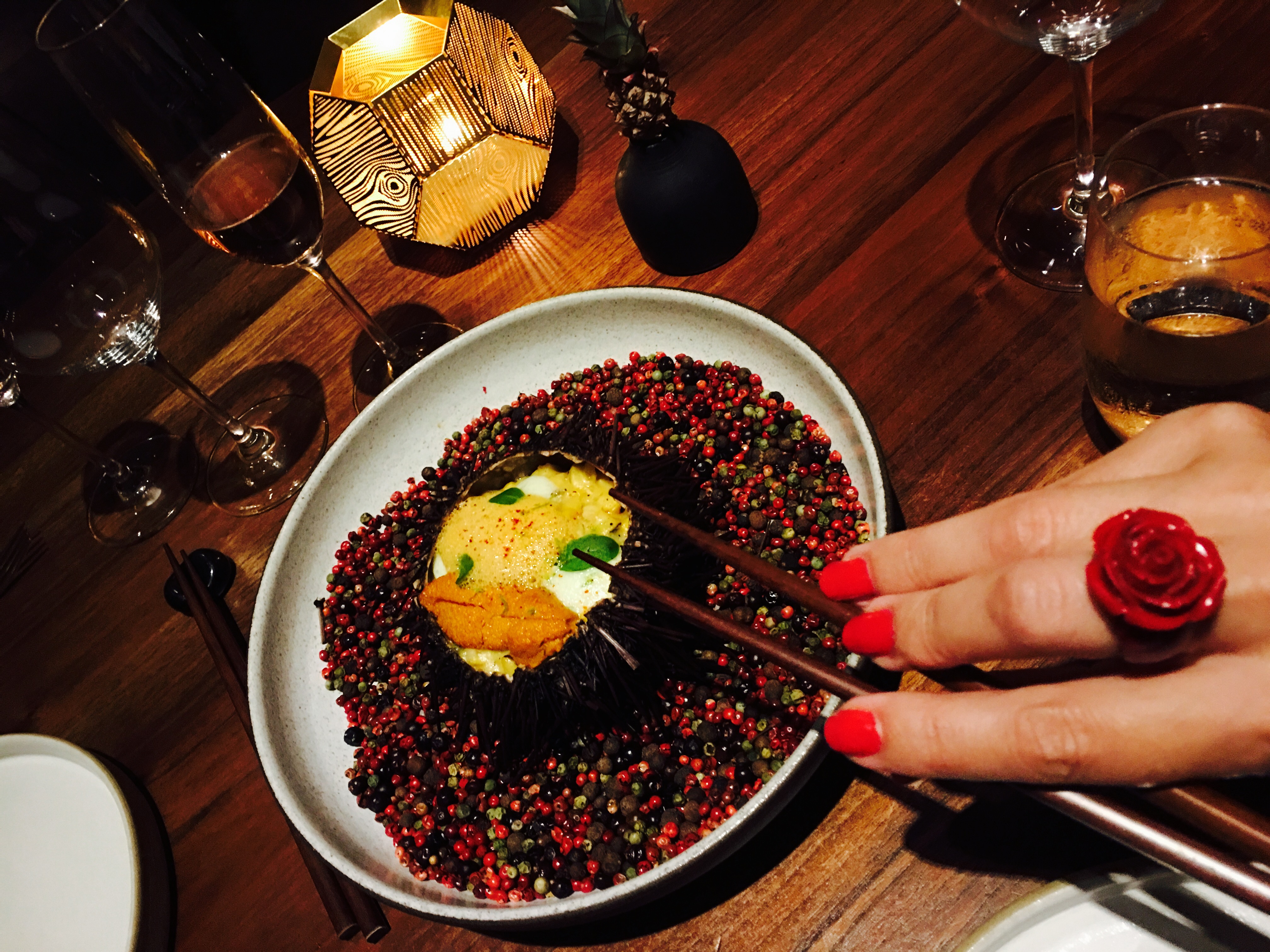
The Unicorn is the name of this creative dish composed of Uni + Corn on a sea urchin shell

Tierra Santa: The Spa

White for the floors and walls, at “Tierra Santa Healing House” spa but full of vibrant colors of Latin American embroidery and handcrafted objects by Eco Fair Trade designer Carolina K who has been working with different ethnic groups from Mexico to Peru and India with successful collaborations such as Anthropology and Urban Outfitters.

IMG_0254
Otomi cushion covers and ethnic objects at the Bazar by Carolina K inside Tierra Santa spa. Otomi cushions are also part of Tierra Santa’s decor.

Tierra Santa is America’s first South American inspired spa, combining ancient healing techniques and treatments; hand blended plant oils, rose stones and vibrating singing bowls. Sustainable in so many different levels Tierra Santa’s holistic treatments have been developed respecting the mysticism and rituals of these cultures with their own in-house Shaman.

Tierra Santa Healing House is so different from any other Spa experiences; a unique collection of seven “Moringa” seed base oils representing the 7 chakras to elevate, calm, restore and heal are used on each specific treatment; Amazonian white clay collected from the Marajo shores and Guarana-maca blend scrubs to purify mind and body; a welcoming scent of Palo Santo and their own custom made soap tower are just examples of the attention to every detail. Once at the Wet Spa; guests can experience the journey of the senses; the hammam, centered by heated gobek tasi stone and incrusted with Faena’s signature South American Rose mosaic.

IMG_0409
Inside the Hammam the gobek tasi stone incrusted with Faena’s signature South American Rose mosaic.

IMG_3076
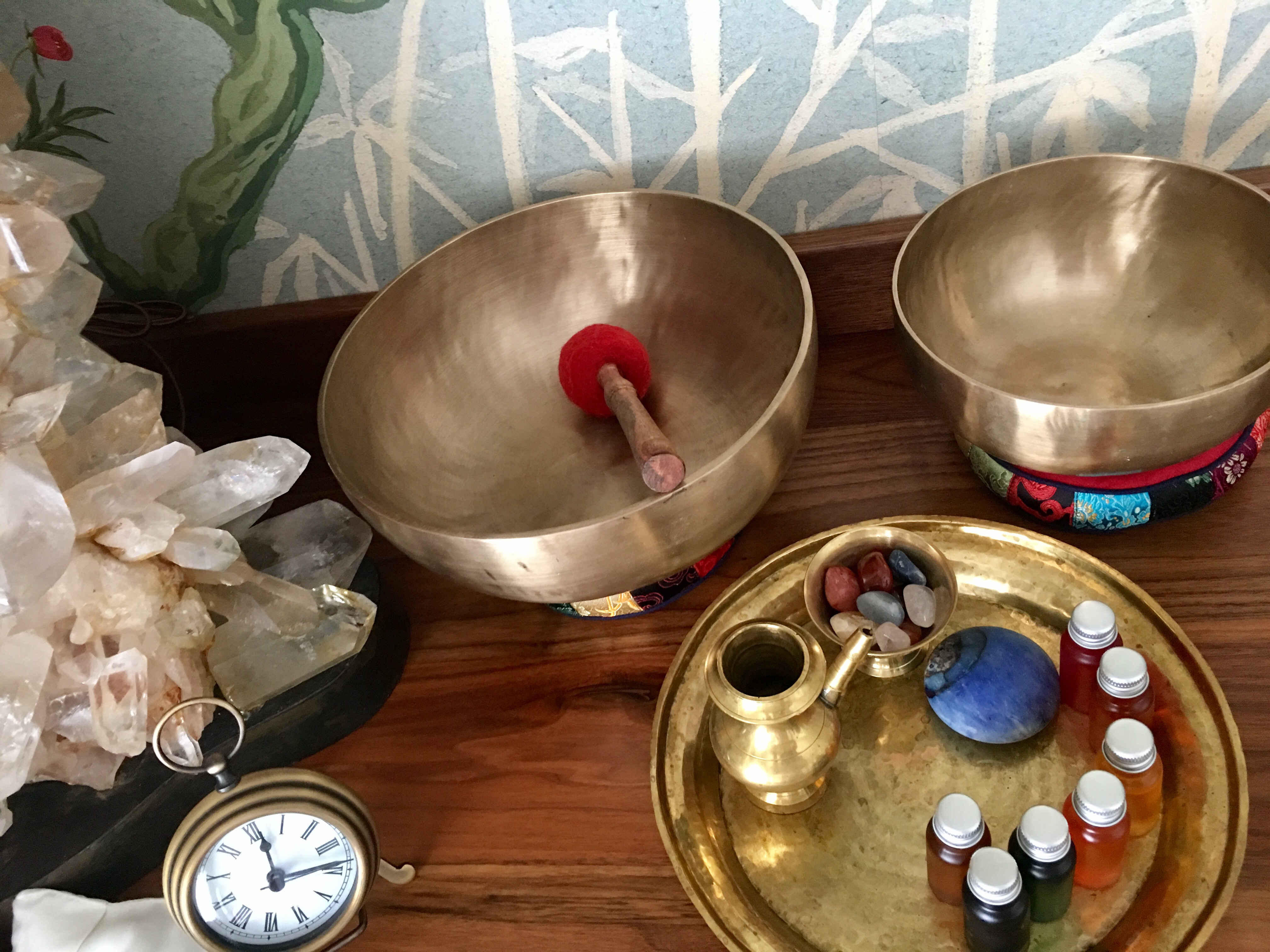
Signature 7 chakra oils made of moringa seeds and Himalayan singing bowls at Tierra Santa Spa

IMG_4824
A treatment suite at Tierra Santa spa

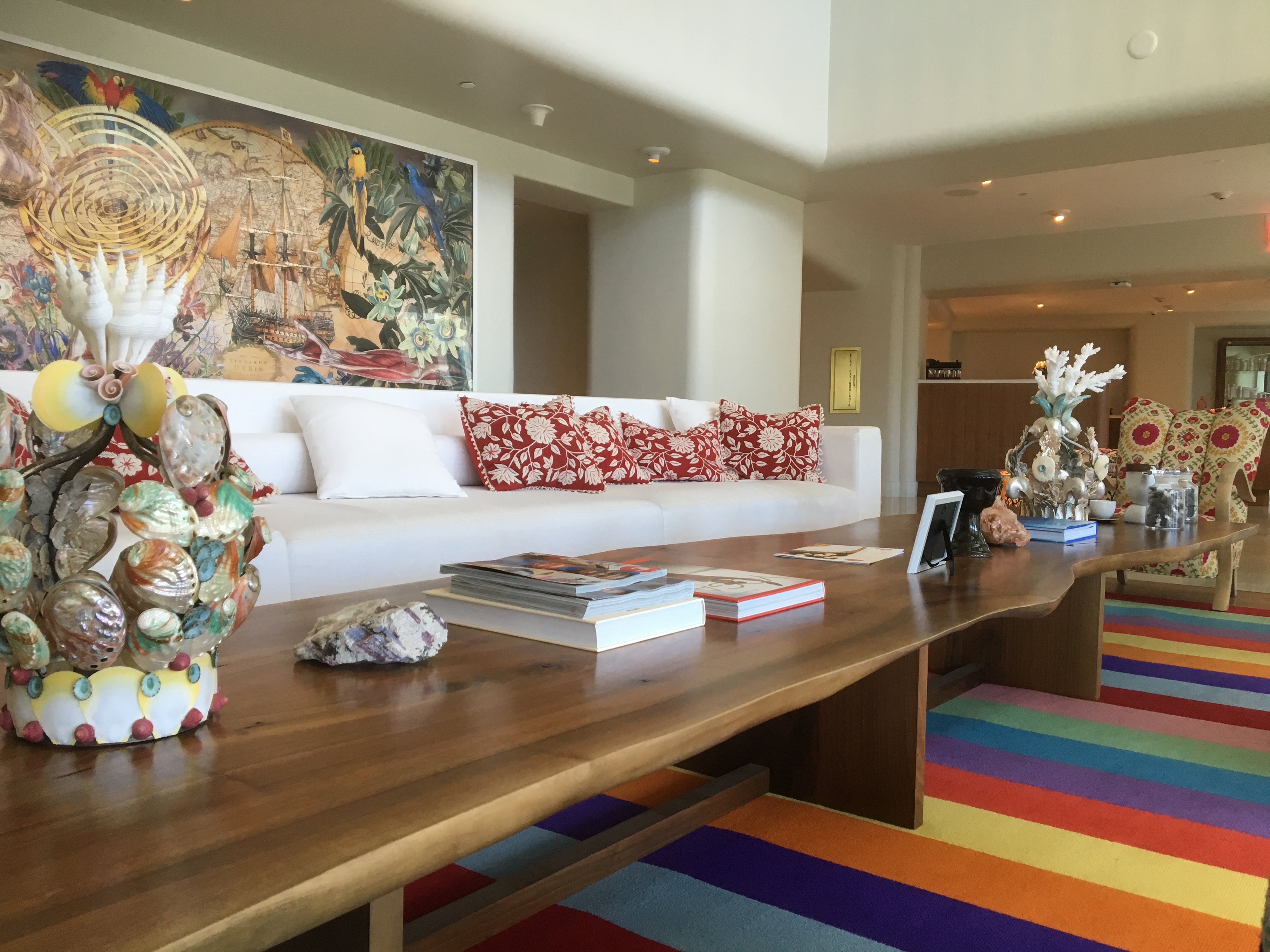
Back to the spa suites; a rainbow stripped rug representing the 7 chakras and comfy sofas adorned with otomi embroidered cushions make the perfect spot for sipping on blended teas and healing stone infused water while contemplating views of the tropical oasis.

IMG_3780.JPG

A gracious spa hostess dressed on Huaxacan styled dress by Carolina K guide us to the gorgeous suites covered with Juan Gatti’s murals. There, a choice of therapeutic power oils, healing stones and custom massages are used in conjunction with singing bowls to elevate the spirit.

Now, we don’t want to go back to reality but we can always dream of that fantastic world and yet have it all; right here in Miami Beach at the Faena District.

For reservations:

Faena Hotel Miami Beach
3201 Collins Ave.
Faena District, Miami Beach, FL 33140
Phone # 305 535 4697
http://www.faena.com

Tierra Santa Healing House
Phone # 1 844 798 9716

Pao by Paul Qui
Phone # 786 655 5600

Los Fuegos by Francis Mallmann
Phone # 786 655 5600

St Barths: An island like no other


“Some people look for a beautiful place, others make the place beautiful”

St Barth; an almost unreachable destination in the French West Indies is the perfect hideaway for the jet setter. Surrounded by pristine white sand beaches, unspoiled nature; mountains and the turquoise clear waters of the Atlantic Ocean this associated Island of France had a long history before becoming the top destination for celebrities in search for privacy.

I thought this was also one of the cutest signs: Caution: Duck crossing
The airport in St Jean – St Barth is actually one of the most difficult landings in the history of aviation

The Beginnings: In 1493 Columbus landed in St Barth and named the Island after his brother Bartolomeo; the first inhabitants of the Island were the Arawak Indians; hostile conditions and the lack of gold were crucial for the Spanish Crown and St Barth remained forgotten for centuries; later ruled by the French; then sold to the Dutch to be returned to the French; St Barth started to be noticed by luxury resort developers just in the 1950’s when Rockefeller built his private home in the top of the mountains in Colombier; West side of the Island.

The discovery of St Barthelemy. Columbus gave to the Island the name of his brother Bartolomeo.

A view from the cliff at Colombier.

Today; the most expensive yachts in the world are no strangers to St Barth and every day is almost a competition on size and style.

The Eclipse
The Eclipse mega yacht owned by Russian Billionaire Roman Abramovich, I spotted from my balcony at the Beach House in Corossol.

Hotel Cheval Blanc LVMH Flamandes Beach

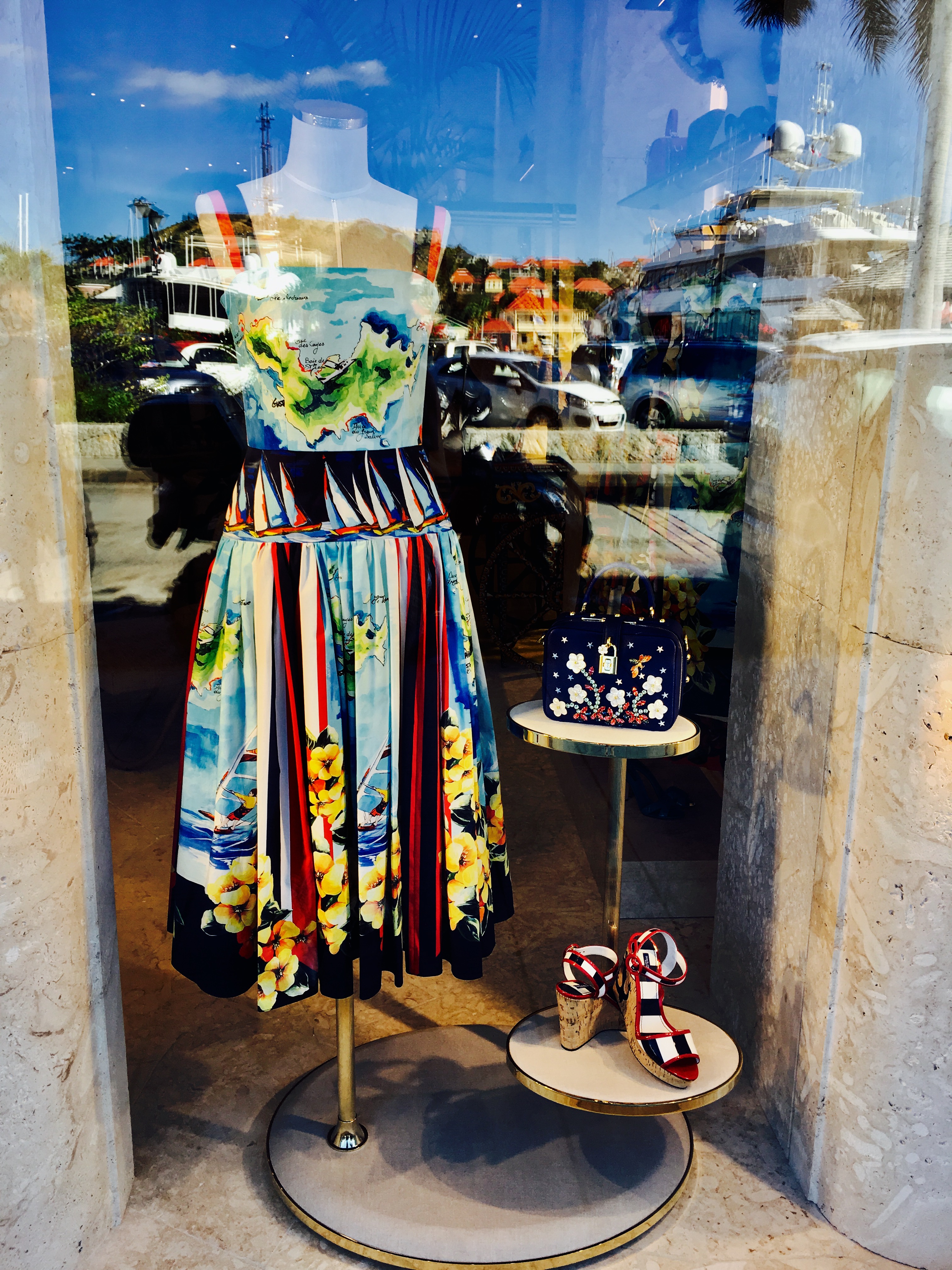
Shopping: For luxury shopping the Quai de la Republique; Le Carre D’Or; a Caribbean version of Beverly Hills with the most desirable designers and limited edition collections made exclusively for St Barth. I spent many hours at the Dolce & Gabanna flagship store opened just a few months ago with its own Martini Bar for D & G collaboration. The colorful collection reflects the spirit of the Island; floral scarfs; bejeweled mules, oversized sunglasses, embellished straw baskets and wedges and the 1950’s inspired cocktail dresses just makes us want to wear them all and go for a stroll in a Moke (the ultimate transportation in the Island) around Gustavia.

The Dolce & Gabanna loves St Barth collection at the DG flagship store in Gustavia

The Moke
The Moke is the best transportation in St Barth. Wearing a hand embroidered dress and Mayan necklace.

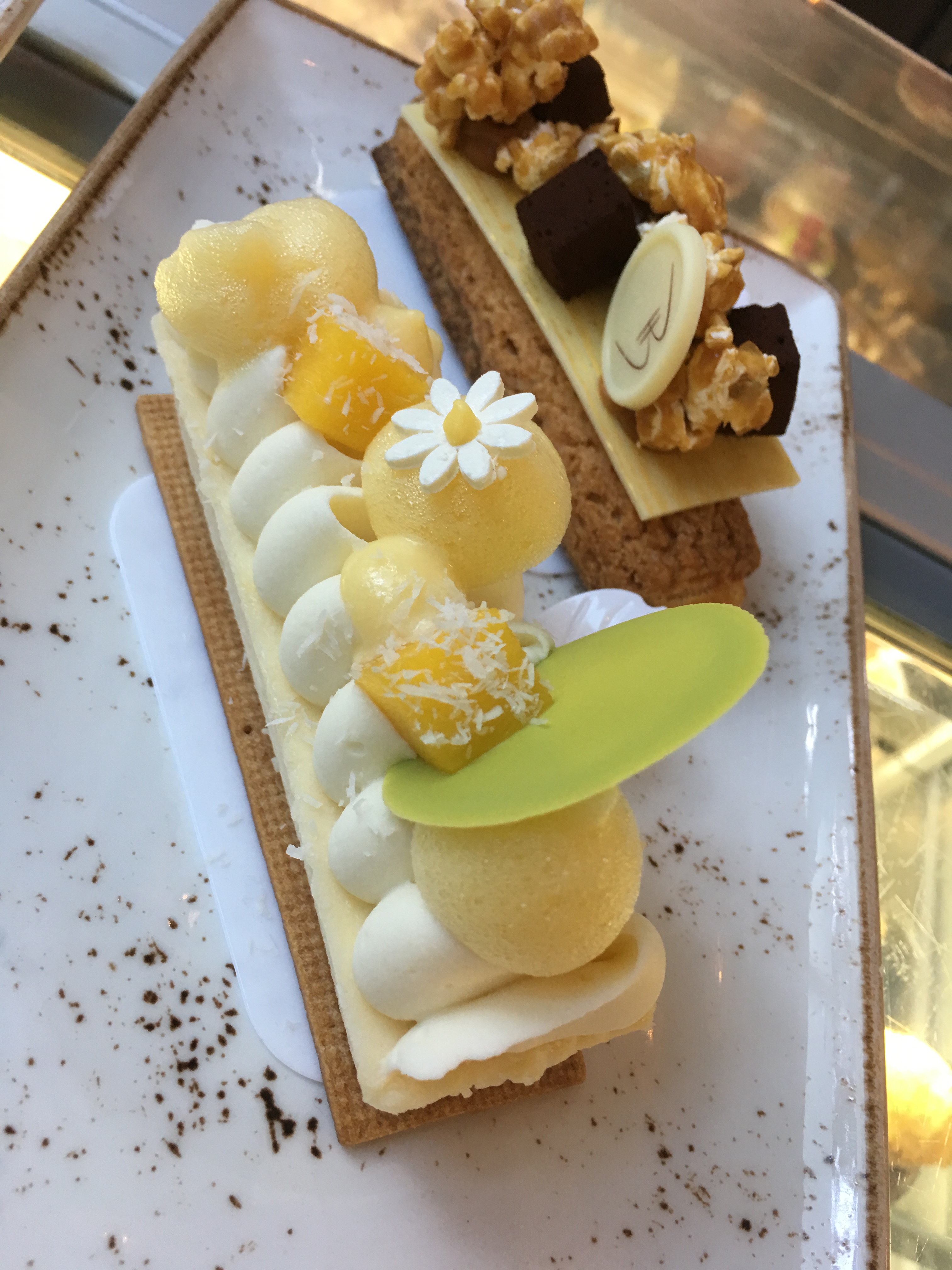
St Barth is the culinary capital of the Caribbean; suddenly we see people walking with baguettes on the streets and freshly made pastries can be found at any of the Boulangeries and Patisseries; at supermarkets all of them carry French brands and is like going to Paris in the middle of a tropical setting.

Desserts served at Cheval Blanc. Flamandes Beach

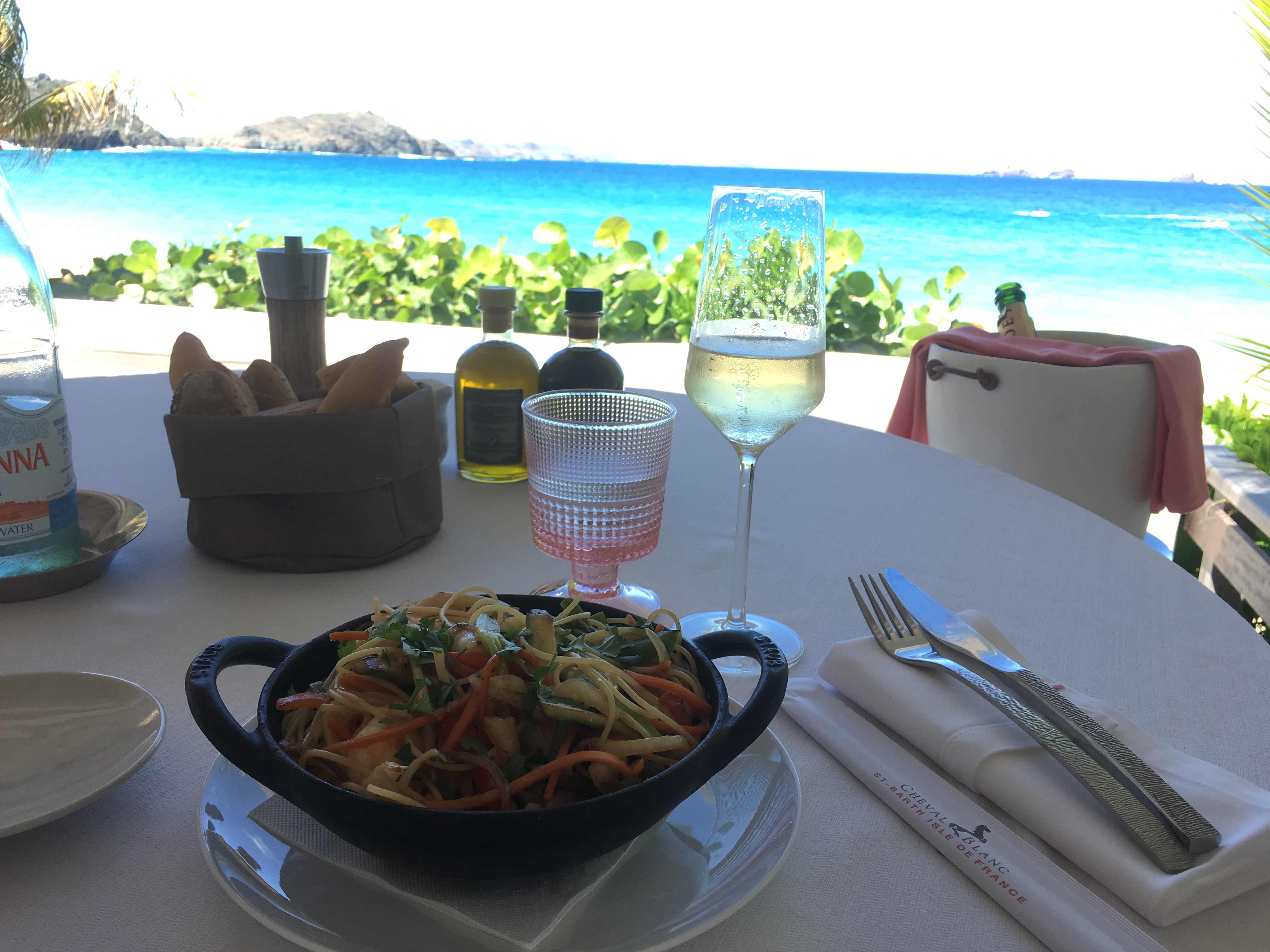
Flamandes: The lifestyle of the Island is resort chic with impeccable service and attention to details, the French touch is notorious; For lunch I truly enjoyed The Cheval Blanc in Flamandes; it was also the best beach for swim and great cuisine by Chef Yann Vinsont. The Cheval Blanc is part of the LVMH Luxury Resort collection.

Flamandes Beach
Flamandes Beach


Lunch at Case de L'Isle Hotel Cheval Blanc LVMH
Lunch at Case de L’Isle Hotel Cheval Blanc LVMH

Grand Cul de Sac: Lunch at Le Sereno in Grand Cul de Sac is another must on my list; from its sister 5 star hotel “Il Sereno” in Laco di Cuomo; Le Sereno exudes style; designed by renowned Parisian designer Christian Liaigre.

The lagoon at Sereno Beach is also perfect for paddle boarding or canoeing in the afternoon. Great place to spot the turtles swimming on the water or picking up giant conch between the rocks.

Next to Le Sereno; Le Guanahani is another impressive luxury resort with a Spa by Clarins and its distinctive tiki bars by the beach; Le Guanahani offers true island feeling.

Le Guanahani St Barts
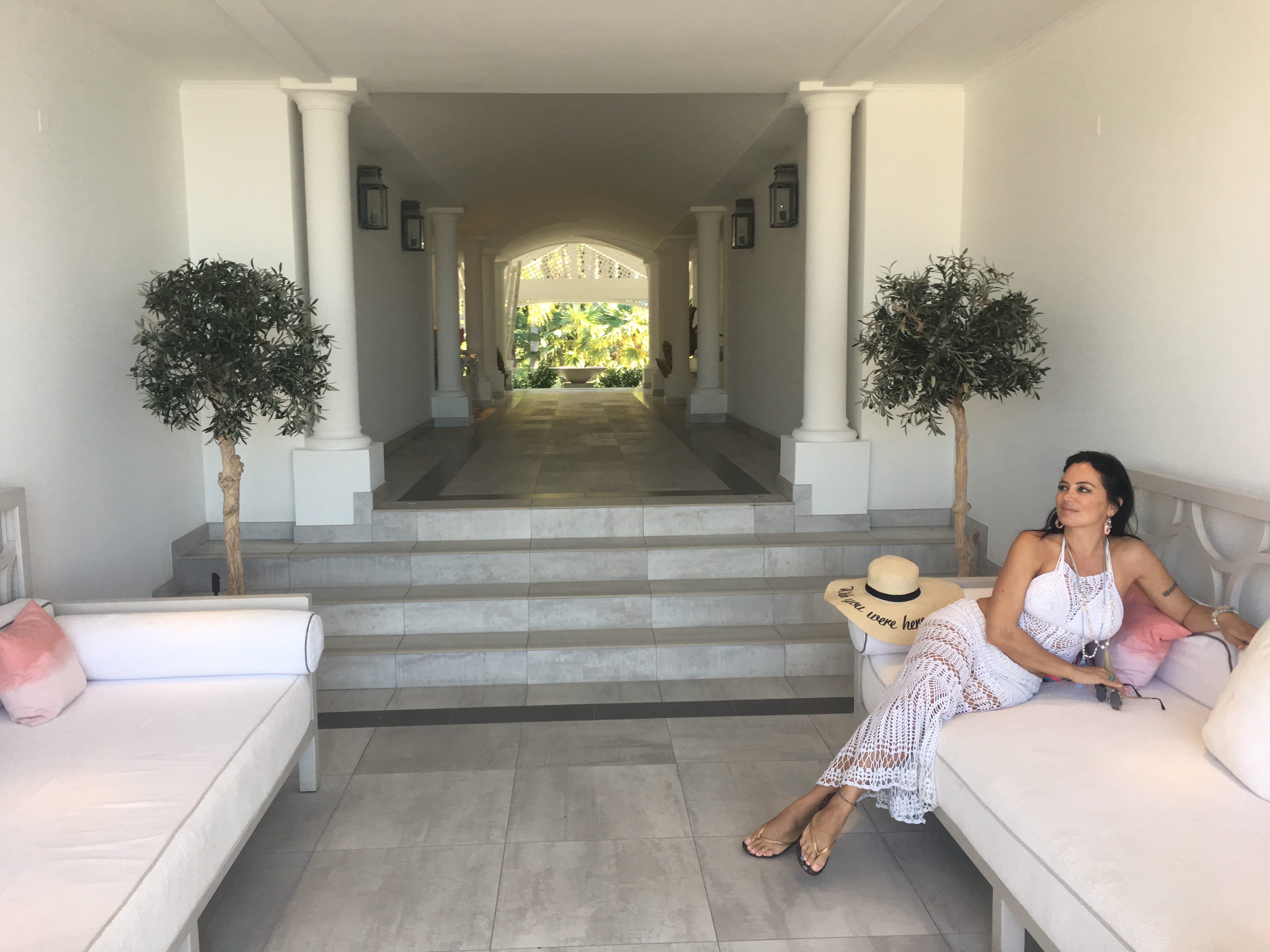
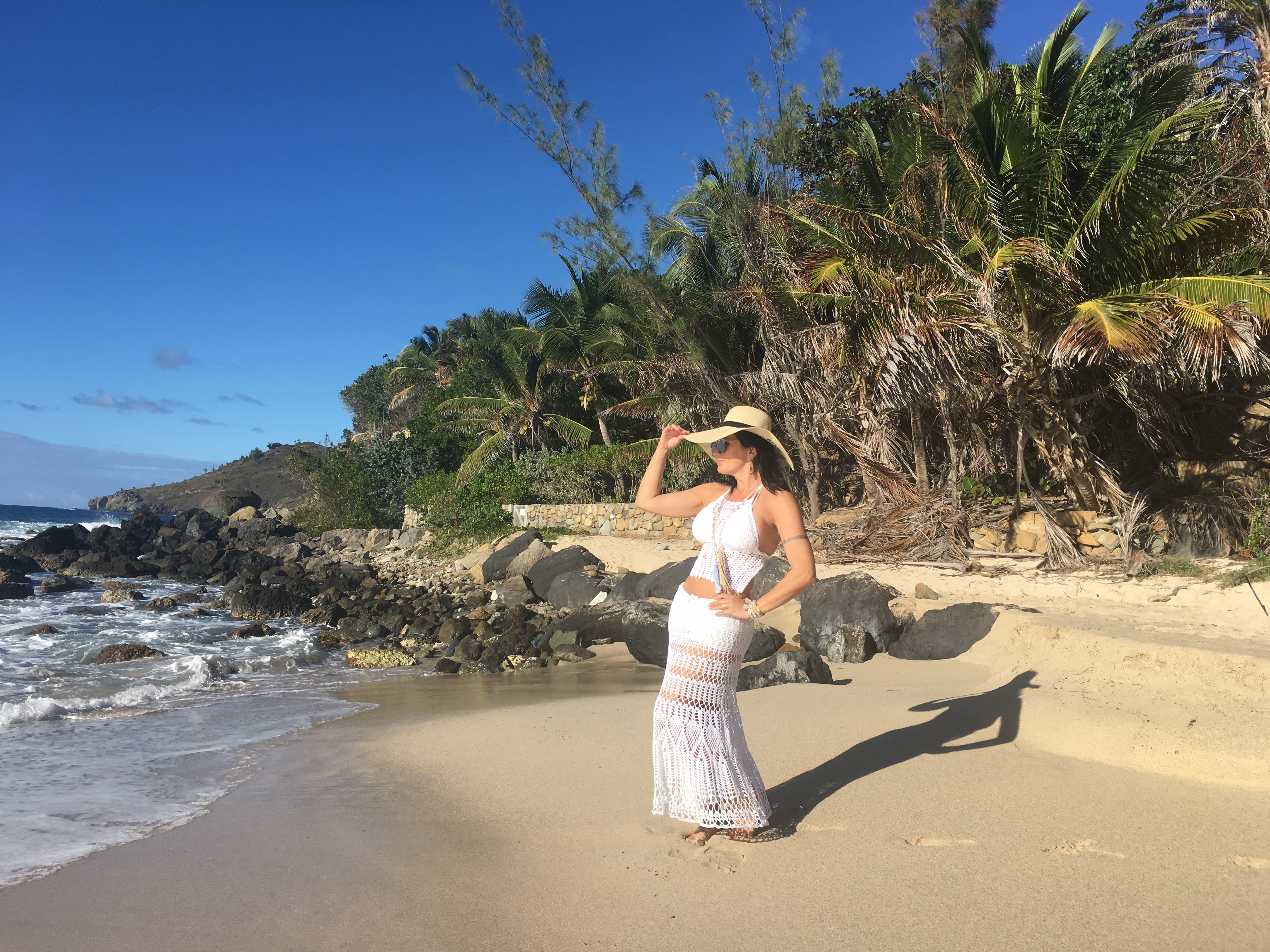
Wearing an embroidered vintage Manila shawl at the beach of Le Guanahani – Grand Cul de Sac, St Barth

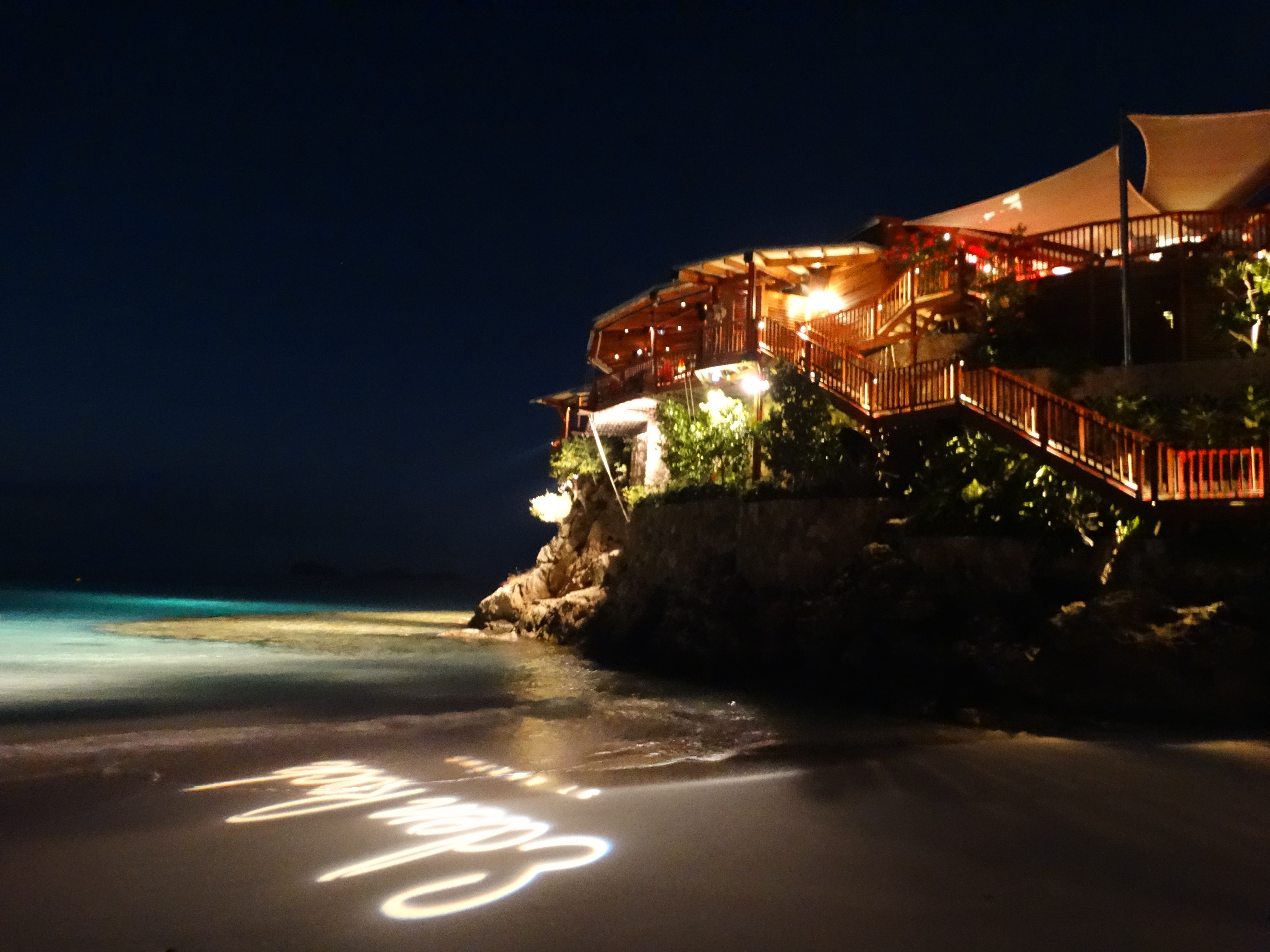
St Jean: Dining in St Barth: a must is the Eden Rock at the “In” Beach of St Jean just next to the airport; with two signature restaurants: “On the Rocks” at the top of the cliff or “The Sand Bar” both headed by Michelin starred Chef Jean-Georges.

Eden Rock St Barts
Eden Rock St Barth by night

St Barth preserve its Colonial charm from the Dutch era; the Creole and the French; signs on the streets are both in Dutch and French.

Creole Village St Barts
At the Comca-Comca Creole Village in St Jean wearing a custom embroidered Otomi dress

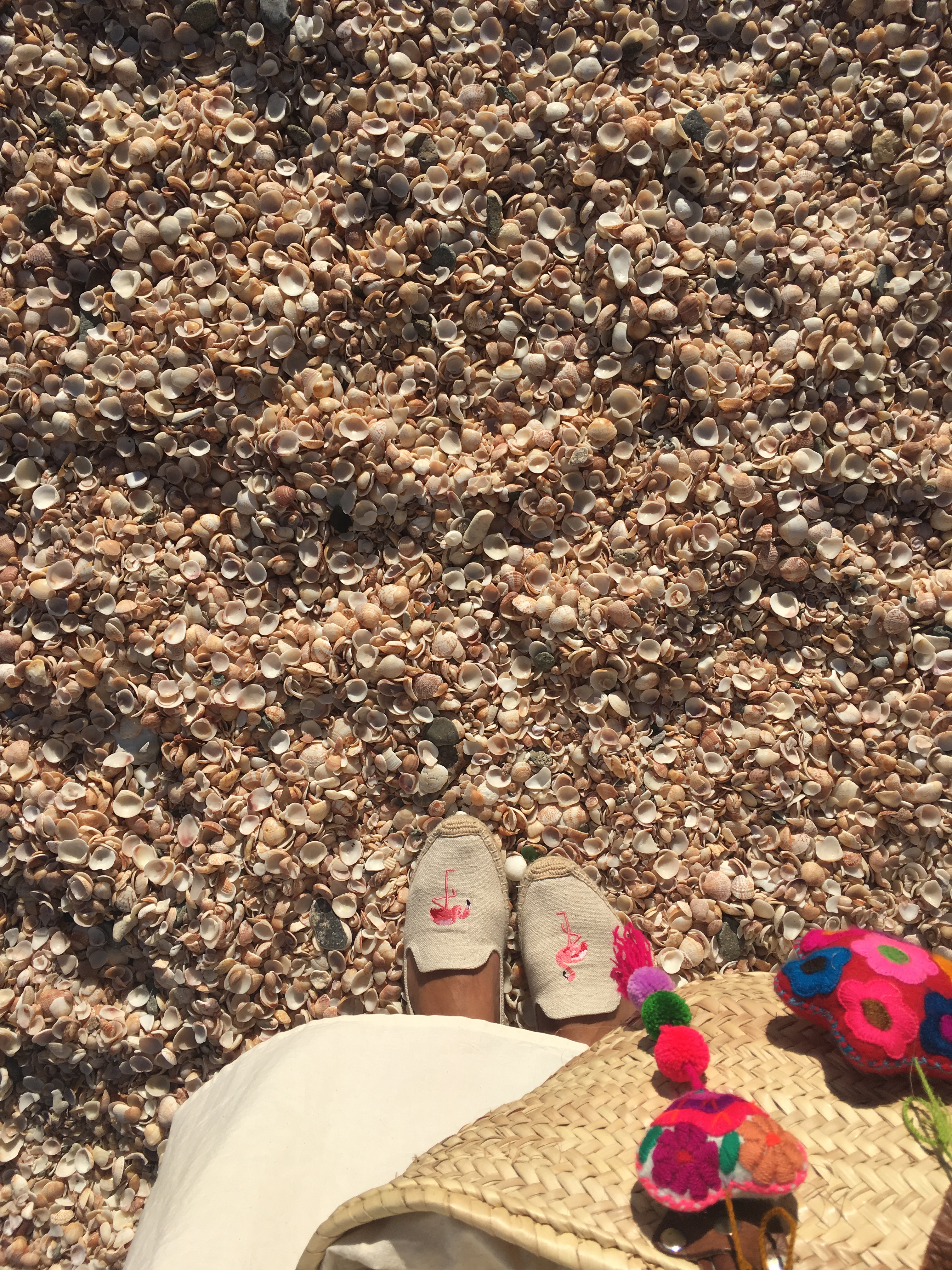
Shell Beach: Walking distance from the lively port of Gustavia and just steps from divine dining spots like Bagatelle and Bonito; we are in Shell Beach; a small portion of the Island covered with shells of all types and colors; you never know when you’ll find a unique one in the middle of all these shells.

Shell Beach
Shell Beach and Flamingo espadrilles by Soludos @soludos weaved basket with Chiapas accesories

St Barth has it all; from hiking thru the mountains and spotting baby turtles on the way to incredible views of the secluded Island in Colombier to infinite white sandy beaches in Saline or the freshest catch of the day to your table.

Shell Beach St Barts
Shell Beach

“Travel is the only thing you buy that makes you richer” – Anonymous.

Until the next destination.

Miami’s top patisseries


Feeling nostalgic about that trip to Paris when you visited Angelina or Laduree or maybe even the calissons in Aix-en-Provence? Well fear no more, in Miami you can certainly have some options for French specialties.  I updated this post from years ago with the newest additions in patisseries around town so this one is the updated version as of May 2017.  Enjoy!

Here are some of my picks:

Atelier Monnier (848 Brickell Ave.)

Macaroons anyone? Photo by Montserrat Franco
The Macaroons at Atelier Monnier, you can customize boxes with your favorite flavors, my recommendations: lavender, pistachio and rose petals

Laduree ( 1118 Lincoln Road)

Maison Ladurée Lincoln Road
The display at Laduree in Lincoln Road where you can find limited edition gift boxes or the signature Maison Laduree boxes.

But first coffee and macaroons
But first coffee and macaroons?  If you can resist Miami’s outdoors seating; take a pause from shopping at Laduree in Lincoln Road

Bachour (600 Brickell Ave.)

The interior design at Bachour in Brickell just a block away from the newly Brickell City Center

Creations by Bachour

Le Roy Rene (701 South Miami Ave. 35B – Brickell City Center)

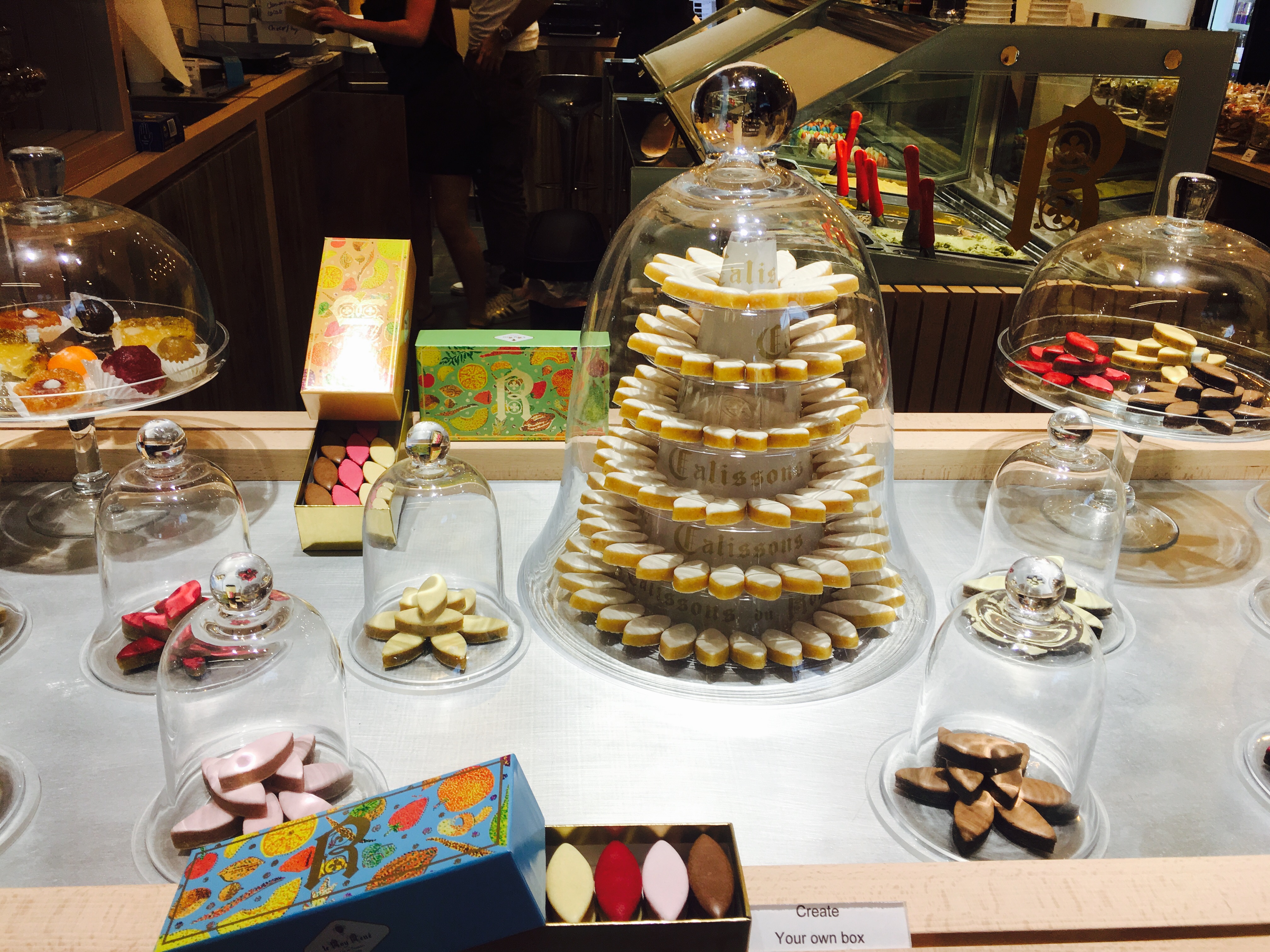
Le Calissons at Brickell City centre
And here is the very first calisson boutique in Miami at Brickell City Centre.  You can also customize boxes in different designs.  Calissons are originally from Medieval Italy and were introduced to the French court for the second wedding of King Rene of Anjou.

Enjoy !!!

@MontserratFranco


Miami’s Romantic Dining Guide

We hear all the time that Miami isn’t a romantic city just because is considered mostly a party destination but in the magic city you can still find the perfect spot to dine at candlelight while overlooking at the Biscayne Bay with Miami’s fantastic skyline or maybe just that intimate and charming atmosphere.  I updated this post from years ago as of May 2017.  Restaurants have changed or closed and I wanted to keep my most recent picks up to date.  Enjoy!

The Lido Bayside Grill @ The Standard (40 Island Ave. Miami Beach)

Dining with a view at Thei Lido The Standard
Glorious views from The Lido @ The Standard Hotel & Spa.  Tip: arrive by boat (dock on site) sip on Rose all Day (preferably day because the view is just the best) Photo credit @stefmeriaux

Casa Tua (1700 James Ave. Miami Beach)

Casa Tua private dining room
Casa Tua Lifestyle, more than a charming restaurant located in a historic Miami Beach Spanish Renaissance cottage is also a members-only club on the second floor.  Enjoy superior service, Italian cuisine and great wine selection.  Reservations highly recommended.

Juvia (1111 Lincoln Road. Miami Beach)

Juvia Miami Beach
Loving rooftop dining or cocktails at sunset? Juvia in Lincoln Road is “the place” for a date night.  Tip: Make reservations in advance for an inside or outside seating with the perfect view of Miami Beach.  Photo: @JuviaMiami

Crazy about you (1155 Brickell Bay Dr. Brickell)

If you are looking for that place with a view which is affordable: “Crazy about you” maybe the answer.   Located on 1155 Brickell Bay Dr. at The Mark building with convenient valet parking on location.

Crazy about you Brickell
Romantic dining at “Crazy about You” restaurant overlooking the Biscayne Bay and Miami’s skyline.

Rusty Pelican (3201 Rickenbacker Cswy. Key Biscayne)


Decoy at Rusty Pelican
The romantic dining at Rusty Pelican has stunning views of Miami and fireplaces. Photo credit: David Franco

Red Fish Grill (9610 Old Cutler Rd. Coral Gables)

Lost in paradise but in your own town, that’s how you feel when you arrive to the Red Fish Grill, a romantic waterside restaurant inside Hammock Park that you will be thrilled to discover.

Matheson Hammock Park
The quiet beach at Matheson Hammock Park in Old Cutler Road is the perfect setting for a romantic walk before dining at the Red Fish Grill.

Red Fish Grill
The Red Fish Grill is a great hide away restaurant located on a historic coral construction that used to be a beach pavilion. Once you know this place it will be your best kept secret.


Enjoy !!!

@MontserratFranco

Miami’s cultural and gastronomic tours

With so much to do in Miami it is hard to decide where to start your day but if you are in the Downtown area, need a great cup of coffee and at the same time support your local roasters stop by Eternity Coffee Roasters on 117 SE 2nd Ave.  They have a roasterie and tasting room where you can choose your grains, make your own blends and they will roast it and brew for you on site.  I took my European friends to the tiny shop and they all agreed the coffee was superb, the espressos made just right, the aromas and the blends fantastic.

Just like in the wine world, the coffee can be tasted and appreciated, today there are more coffee connoisseurs who are showing interest in the “art of the barista” (coffee barman) So now you know, when you need your Java dose try Eternity Coffee and get the whole experience of coffee tasting.

The roaster at Eternity Coffee shop and tasting room.  Their single origin grains are mainly from Colombia from Farm direct trades.
The roaster at Eternity Coffee shop and tasting room. Their single origin grains are mainly from Colombia from Farm direct trades.

Choose, smell and taste the finest grains at Eternity Coffee roasters coming directly from the Farms in Colombia, Guatemala and other plantations in the world.

The flavor profile of each coffee is indigenous from the grain itself some of them with wild flower honey hints and herbal notes, hazelnut, milk chocolate, vainilla or tangy cranberry

If you didn’t make a trip yet to Miami’s newest Museum the Perez Art Museum Miami (PAMM) there’s no better time to do it then now and there are no excuses to be immersed in the contemporary art world with all this Museum has to offer. Arrive to the Museum by car, foot or take the Metro Mover stopping at the Museum station and you will be right there on 1103 Biscayne Blvd. Each second Saturday of the month there’s a free admission for everyone, a program sponsored by Target.

Most of the Latin American Art collection including Botero, Diego Rivera and Wilfredo Lam comes from Colombian-born developer Jorge Perez who donated $40 million in cash and art to earn naming rights.  Perez, the son of Cuban exiles, has been a major force in Miami’s urban redevelopment.

A visit to the PAMM will definitely open new ways to look at art and think twice when labeling Miami as a less cultural town.

Ai Weiwei "According to what?" retrospective at PAMM on display through mid March
Ai Weiwei “According to what?” retrospective at PAMM on display through mid March

The Museum is open from Tuesdays through Sundays from 10 am to 6 pm.  Tickets are $12 for Adults and $8 for Seniors and Children 7-18 years old
The Museum is open from Tuesdays through Sundays from 10 am to 6 pm. Tickets are $12 for Adults and $8 for Seniors and Children 7-18 years old

Piles of crabs installation by Chinese Master Ai Weiwei during the Opening reception of the PAMM

Time for lunch? Visit the Historic Miami River neighborhood, one of the oldest in Miami.  At a settlement from the early 1840’s is where you will find Garcia’s Seafood and Grill Fish Market located on 398 NW North River Dr. you will find fresh fish and seafood from the boats to your plate served with the traditional Caribbean seasonings and flavors.  For over 40 years The Garcia’s (a Cuban-born family of 11 kids) have been offering affordable dining with fresh catch grilled to order on a casual riverside setting.

Grilled Yellowtail, stone crabs sides of fried plantains (tostones), yellow rice and fried sweet plantains (maduros)
Grilled Yellowtail, stone crabs, sides of fried plantains (tostones), yellow rice and fried sweet plantains (maduros) with grilled shrimp. These side dishes are perhaps part of Miami’s Cuban traditional gastronomy

Garcia's fresh stone crab
Garcia’s fresh stone crab

Now is time to visit another great unconventional Gallery on a Historic site in Downtown Miami, CU1 Gallery at the Security Building on 117 NE 1st Ave.

The Security Building in Downtown Miami was the most imposing building at time of construction.  Constructed in the Beaux Arts architectural style,  is listed on the National Register of Historic Places
The Security Building in Downtown Miami was the most imposing building at time of construction in 1926. Constructed in the Beaux Arts architectural style, is listed on the National Register of Historic Places

20140107-213406.jpg
CU1 Gallery is a photo space located inside the iconic Security Building. You can visit the gallery Tuesdays through Saturdays from 1 to 6 pm. Free admission

20140107-213454.jpg
“Look at Me” was the first opening exhibition at CU1 Gallery where you can take a look through the photographer’s lens inside the vault at The Security Building

"Look at Me" showcased works by European photographers, most of them with extensive backgrounds in editorial and fashion advertising.
“Look at Me” showcased works by European photographers, most of them with extensive backgrounds in editorial and fashion advertising.

For the European partners of CU1 Goettlicher, Weber, Schmidt and Mueller, Downtown Miami will be facing an incredible art renaissance, it's going to happen.
For the European partners of CU1 Goettlicher, Weber, Schmidt and Mueller who believed in Miami’s art life, Downtown Miami will be facing an incredible art renaissance and it’s going to happen.

“Eye to Eye” is the current exhibition at CU1 Gallery on view until February 14 2014.  What are you waiting for? take a look at one of the newest innovative galleries in Miami.

Now get ready for the next art exhibitions on board of the SeaFair docked at the Chopin Plaza next to the Intercontinetal Hotel from January 16th to the 20th of 2014.  it is a unique experience to appreciate works of local and international artists showcasing installations, paintings, photography and sculptures.  See you on board Miami !!!

The Miami International Art Fair (MIA) is coming on board of the mega yacht SeaFair on January 16th to the 20th

(C) 2014 Montserrat Franco

Best kept secrets in Downtown Miami

Take a stroll in Downtown Miami like a local and if you live in Miami discover or revisit these great spots once again. Start with a good coffee at The Urban Öxy proudly brewing Panther coffee , a local roaster located on 101 NE 2nd Ave. I really love this coffee shop where everything is made from scratch so you can have your coffee the way you want it.
Prices are reasonable and the staff is friendly and knowledgeable, try some of the grill sandwiches made to order with roasted artichoke, sun-dried tomato, goat cheese, provolone, Swiss or for the sweet tooth the mini cupcake selection or the homemade oatmeal cookies with pecan, dark and white chocolate chips, cranberry or macadamia nuts, absolutely delicious.

The Urban Oxy serves Panther coffee, a Miami based specialty coffee roaster

Black chalkboards on the walls of the Urban Oxy, a coffee house with a soul of its own

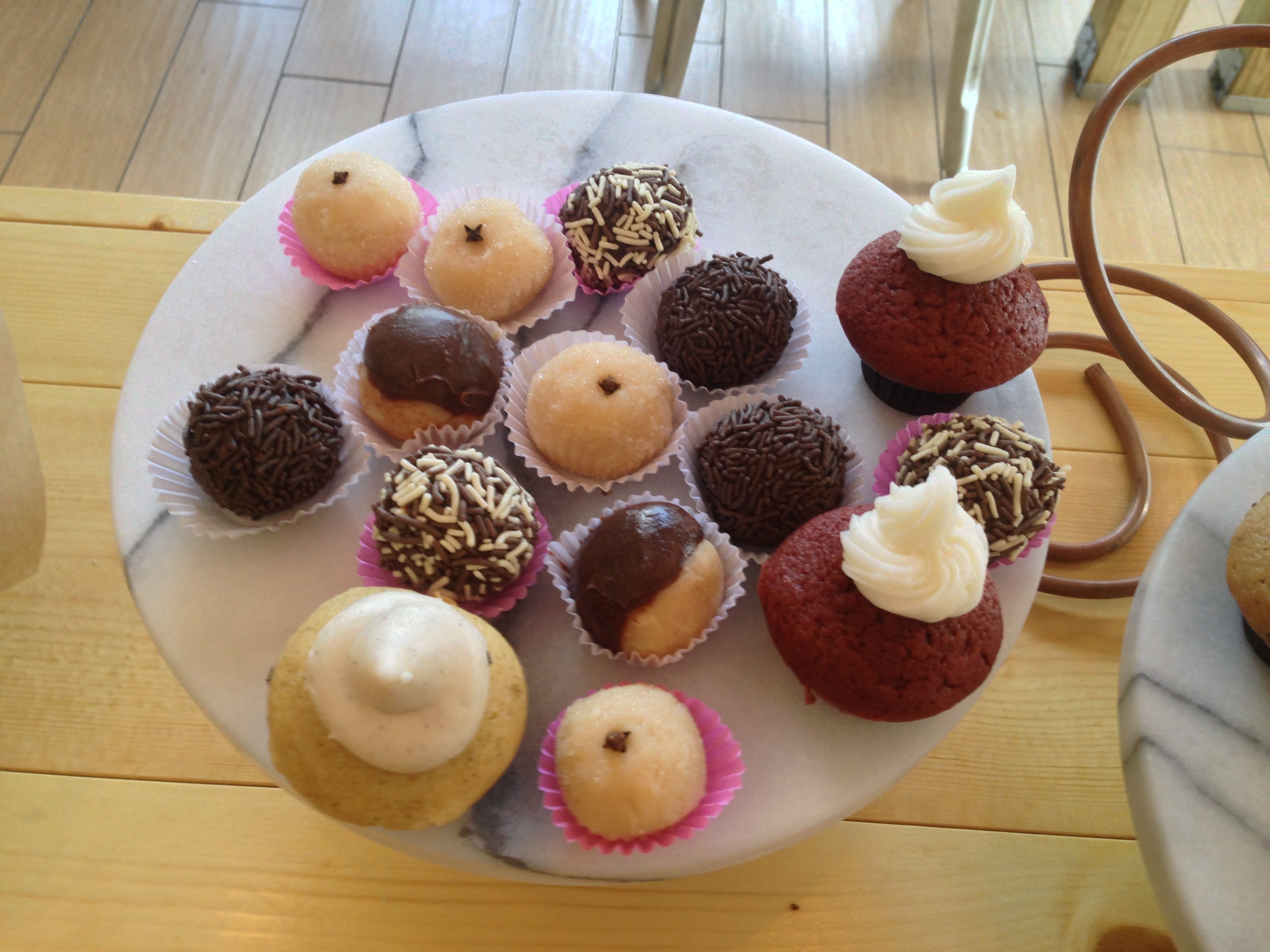
Homemade sweets like vainilla and red velvet mini cupcakes, brigadeiros (a brazilian chocolate delight) and coconut sweets at the Urban Oxy

Now that you’ve got your coffee and read your newspaper why not taking a visit to the Freedom Tower, just at walking distance located on 600 Biscayne Blvd. across the American Airlines Arena, the Freedom Tower is one of Miami’s magnificent landmarks constructed in 1924 on the Spanish Colonial revival architectural style, conceived originally for the Miami News, serving later as center for Cuban refugees during 1962 to 1964. Today is home of the Miami Dade College Museum of Art and Design and you can enjoy the contemporary art and photography exhibits as they are free and open to the public from Wednesdays to Sundays until 5 pm.

The Freedom Tower was modeled after the bell tower of the Cathedral of Seville
The Freedom Tower was modeled after the bell tower of the Cathedral of Seville, the alligators climbing on the tower were part of the “ForeverGlades” exhibition in 2013 in collaboration with Galleria Ca D’Oro Rome-Miami

Detail of the roof and chandelier Inside the majestic main lobby of the Freedom Tower
Detail of the roof and chandelier Inside the majestic main lobby of the Freedom Tower. Photo credit: David Franco
"Rituals in Haiti" the newest photography exhibition taking place at the Freedom Tower
“Rituals in Haiti” the newest photography exhibition taking place at the Freedom Tower. Photo credit: David Franco
The Mural at the Lobby on the Freedom Tower.  The Freedom Tower is an icon of faith, democracy and the generosity of the American people
The Mural at the Lobby on the Freedom Tower. The Freedom Tower is an icon of faith, democracy and the generosity of the American people

And for those who are craving of cultural things to do in Miami there are no excuses, this is exactly what we will do if we were in NYC going from one Art Gallery to another and then stopping for some coffee and cupcakes, really? At least I will.

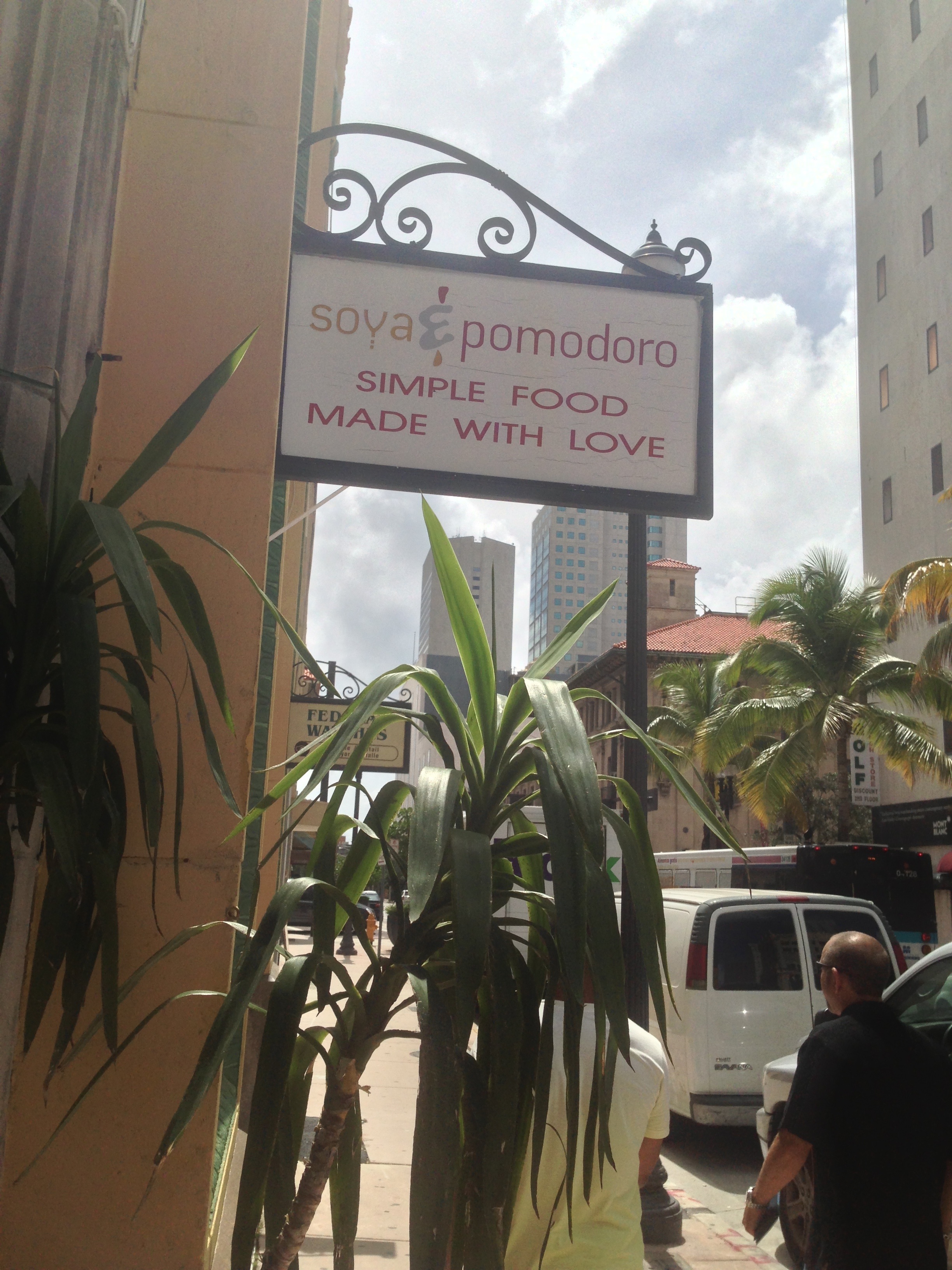
Now having fulfilled your cultural appetite why not going for lunch just a few blocks away on another historical building of Downtown Miami, yes I am talking about ‘Soya & Pomodoro” a truly hidden gem, a place were you can seat and relax like in NYC’s SOHO while enjoying comfort Italian food on a very particular setting.

Soya & Pomodoro located on 120 NE First St. inside another historical landmark The Shoreland Arcade Building built on 1925

Detail on the entrance of Soya & Pomodoro restaurant.  The Shoreland Arcade Building is part of the National Register of Historic Places
Detail on the entrance of Soya & Pomodoro restaurant. The Shoreland Arcade Building is part of the National Register of Historic Places

The casual dining at Soya & Pomodoro located on the building that is the last remaining intact arcade in Downtown Miami featuring large arches and pilasters with masonry medallions exhibiting symbols of Florida's history.
The casual dining at Soya & Pomodoro located on the building that is the last remaining intact arcade in Downtown Miami featuring large arches and pilasters with masonry medallions exhibiting symbols of Florida’s history.

Absolutely amazing the "Fazzoletti di pere e formaggio" fresh pasta filled  with Taleggio cheese and fresh pears on a bed of creamy ricotta and shrimp sauce
Absolutely amazing the “Fazzoletti di pere e formaggio” fresh pasta filled with Taleggio cheese and fresh pears on a bed of creamy ricotta and shrimp sauce

The Shoreland Arcade Building constructed on the Beaux Arts architectural style,  very present in the heart of Downtown Miami
The Shoreland Arcade Building constructed on the Beaux Arts architectural style, very present in the heart of Downtown Miami

Soya & Pomodoro is also great to visit on the evenings for dinner, Thursdays
or Fridays when they have live jazz and… talking about live Jazz another
great place to visit in Downtown Miami is “Le Chat Noir” this intimate suburban spot next door to Soya & Pomodoro has anEpicurean market section were you can get your selection of cheeses and charcuterie and a bottle of French wine, then go downstairs to listen to jazz and blues truly soulful musicians.  If you are looking for
an alternative atmosphere, this is the place to be.

Le Chat Noir features live jazz and blues in the cellar on  Wednesdays, Fridays and Saturdays starting at 9:30
Le Chat Noir features live jazz and blues in the cellar on Wednesdays, Fridays and Saturdays starting at 9:30

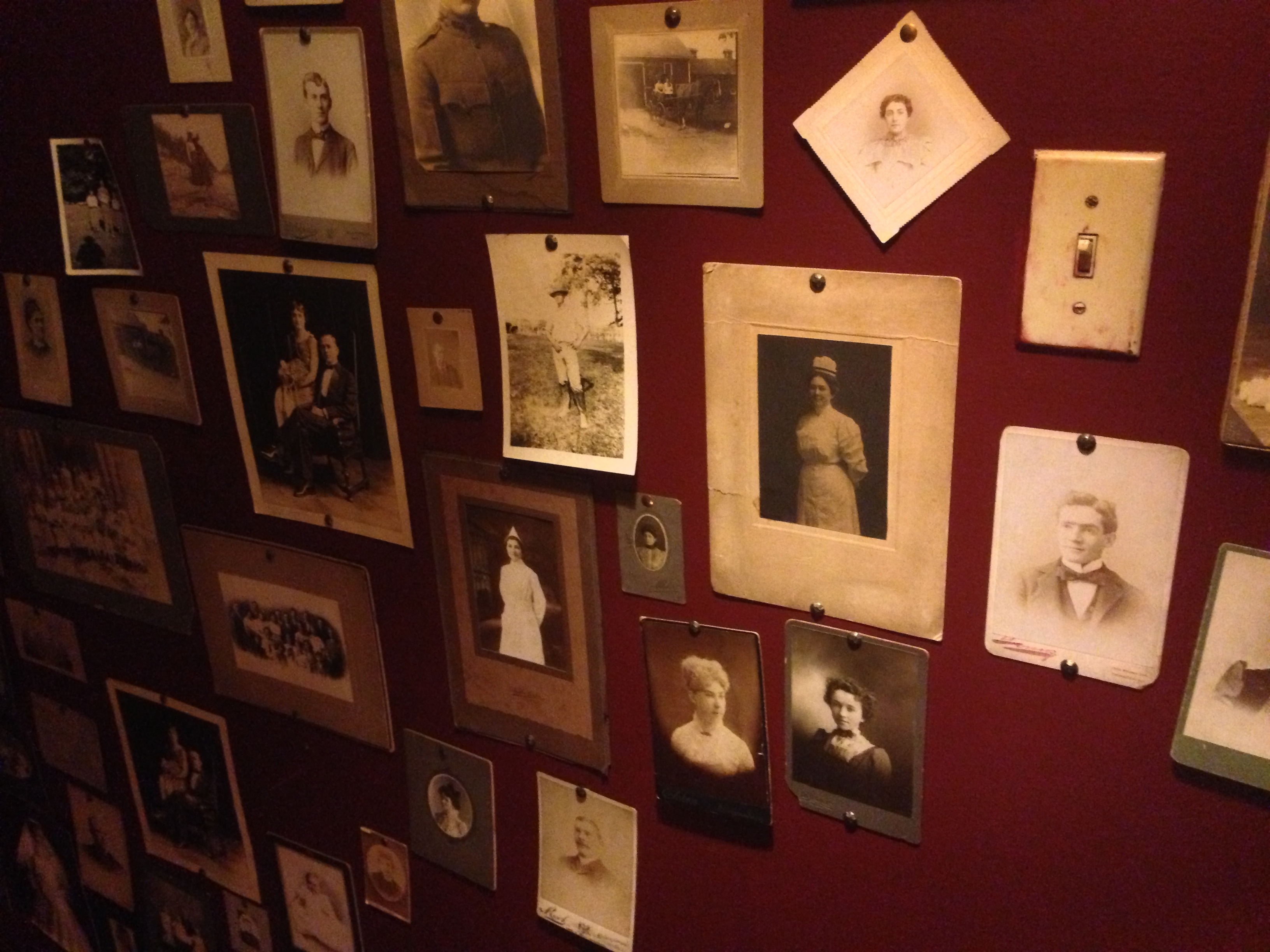
Vintage pictures and postcards on the wall going downstairs to the cellar at Le Chat Noir for live jazz.  You can order also appetizers and wine at the Bar while listening to the finest jazz music.
Vintage pictures and postcards on the wall going downstairs to the cellar at Le Chat Noir for live jazz. You can order also appetizers and wine at the Bar while listening to the finest jazz music.

Hope you enjoy this short Downtown   Miami tour for a day, keep coming to the blog for new places   to dine, shop and live a cultural life in Miami.  See you soon   !!!
(C) 2014 Montserrat Franco.  All   pictures by me, except for the ones with credits.


Brickell’s Little Italy dining destinations

There’s no doubt one can live the “Dolce Vita style” in Miami and if you don’t think so, just try some of these suggestions when coming to Downtown and Brickell areas.
With so many options in Italian dining because of the new wave of Italians coming to the magic city for fun, for business and for a change like everybody else who is part of this big melting pot.
Miami can’t be more blessed than now starting with the big Brickell development boom less than a decade ago when Trattoria Rosinella and Perricone’s Restaurant and Marketplace opened followed by Segafredo and more recently Toscana Divino and world acclaimed Cipriani.

20140103-232403.jpg
I love the “Cioppino” served at Perricone’s. This is a traditional Italian American dish originated in the San Francisco Bay area, it was originally the fishermen’s stew made with left overs from fish and seafood dishes.

At Perricone’s you will find the same ambiance you may encounter in New York’s Little Italy district; friendly staff, reasonable prices and generous portions, typical of Italian American eateries, the market with a very good wine selection, artisan chocolates and everything you need for take away when on a rush for a quick home fixed up, just try the “antipasti” (appetizers) like stuffed peppers with rice or porcini mushrooms or the stuffed tomatoes with mozzarella cheese.

20140103-234450.jpg
The home made fresh pasta at Perricone’s served with Gradma Jennie’s signature pomodoro ragu sauce topped with fresh basil and ricotta cheese

They have their own extra virgin olive oil and table wine, Perricone’s is definitely a place for a business lunch in the quiet and lush gazebo surrounded by tropical plants so characteristic of our territory.
For a more intimate dining with candle lights you can opt for the charming “al fresco” garden or one of the cozy rooms in the wooden cottage.
At Perricone’s they are so cool they will even pick you up from your hotel or office on their own Eco friendly cart service.
Perricone’s features a generous and affordable Sunday brunch, live music weekly and hosts the monthly Brickell Art walk like the other restaurants around to mention a few : Baru Urbano, Dolores but you can call me Lolita, the Red Bar (why not? Brickell should have it’s own art walk too)
20140104-001452.jpg
Delicious homemade meatballs at Trattoria Rosinella topped with their own tomato sauce, fresh basil and parmesan cheese

Trattoria Rosinella is the perfect spot to start your day “alla Italiana” before going to work (if you have time of course) Italians take their time to stop by the local coffee shop for a Capuccino and “cornetto” (a pastry filled with Nutella, fruit jam or plain) you can get yours freshly made at Rosinella’s bakery.
This family owned restaurant and bakery has always a lunch special menu of the day with home made pastas and fresh sauces made from scratch and aromatized with garden herbs.

20140104-001701.jpg
The crab and lobster stuffed ravioli over a 3 cheese sauce

Coming myself from a home cooking tradition I can tell when mamma is cooking in the kitchen and that’s exactly the same feeling you’ll get at this mom and pop eatery where fresh ingredients are the key to their success, simple dishes made to order and a culinary knowledge passed from generation to generation making the soul of a true trattoria and guess where? In the heart of Brickell just across from the newest Italian ultra modern and design development “Millecento” by Pininfarina.

20140104-001844.jpg
The bakery has always something to take home or to taste right there. I love their fresh bread selection and pastries.

Now I am going to brag about this place and is one of my favorites spots after work, it will be yours too once you try it.  Just stop for an aperitif by the bar inside Toscana Divino and get some “antipasti” with it, go for one of the classic Italian drinks or a glass of Italian wine (and their wine list is pretty extensive) well selected from the Tuscan region with some cold cuts and cheeses.  I love their burrata plate with arugula and pomodorini (cherry tomatoes) always served with a small dish of sea salt and their aromatic extra virgin olive oil from Tuscany over some warm home made bread.

20140104-012439.jpg
The salmon tartare at Toscana Divino

Toscana Divino is the highest expression of modern Italian Fusion cuisine with the talented and creative executive Chef Julian Baker who gets inspired blending Tuscan flavors adding old world touches.   Toscana Divino is also a one stop restaurant and fashionable place where you can find the finest handmade goods from Florence like those oversized Italian leather purses or the stylish Tuscan glassware that is used at the Restaurant.

20140104-012527.jpg
Brunch at Toscana Divino is delicious paired with a Bellini o Mimosa cocktail

The brunch is superb and for those who love wine, good news, they also host monthly wine tasting and classes. So if you shop around Mary Brickell Village and decide to take a coffee pause and a decadent pistachio cake; an aperitif with friends after work, a business lunch or a quality dinner with that special one, Toscana Divino is the place.

20140104-012548.jpg
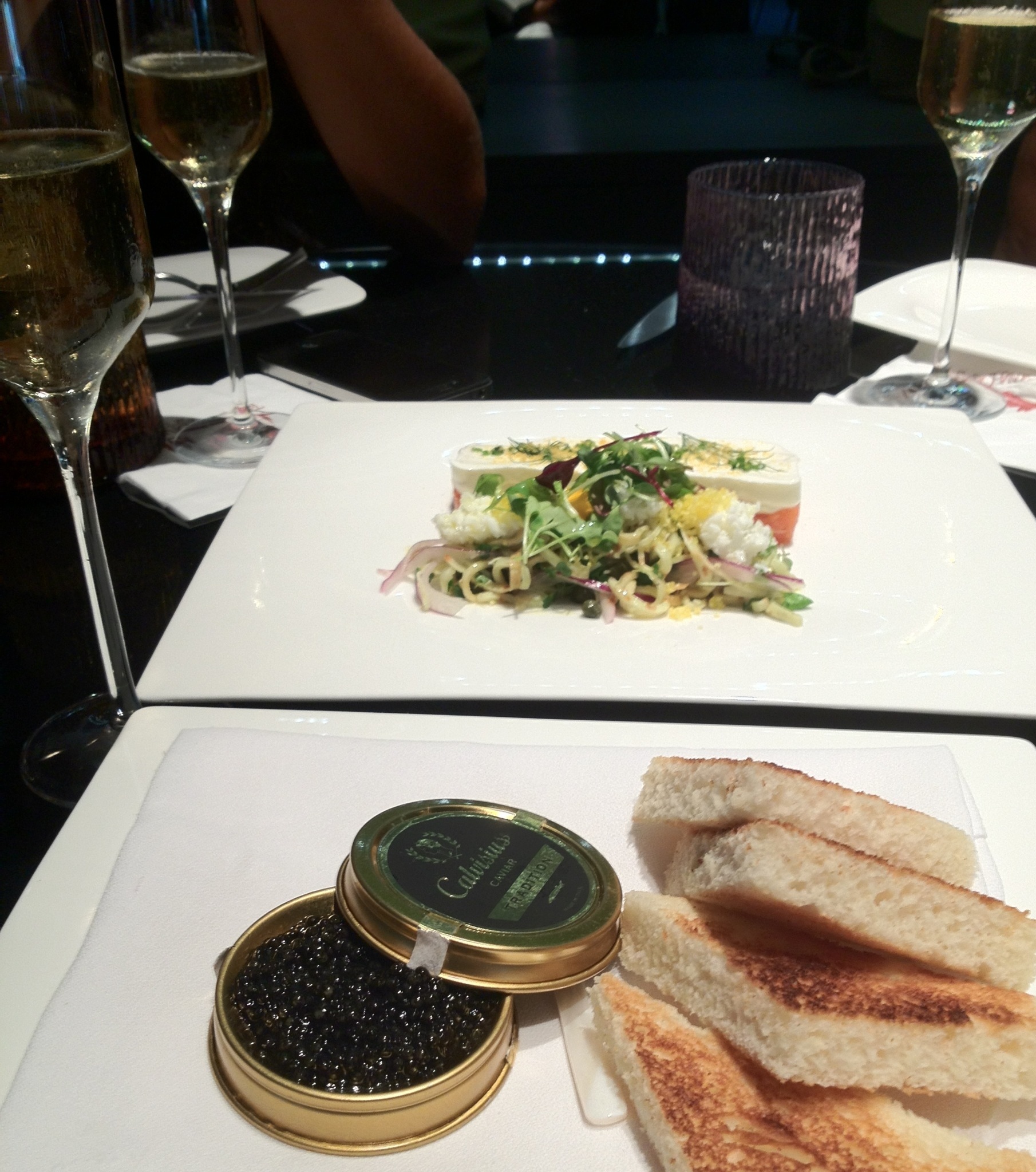
Why not some caviar too at Toscana Divino, I can’t get enough of the pairings with the tartare and mixed greens, capers, chives and sour cream but here my recommendation is with some oak mature Chardonnay

Segafredo is definitely the meeting point in Brickell, a casual and modern baroque seating outdoors and indoors with trendy lounge music spinned by local DJ’s has been for years the choice destination for young professionals.  I like to go to Segafredo at sunset for an aperitif or to chat with friends I haven’t seen in centuries. The music might get too loud after 9 pm when the drinks and cocktails are the best option.  Their cocktail menu is fantastic, try their specialty coffee drinks like Espresso Margarita or Coffee Martini made with a double shot of Segafredo Zanetti coffee.

Start with some brick oven pizza served at Segafredo topped with prosciutto and aragula with fresh mozzarella slices and a dash of extra virgin olive oil
Start with some brick oven pizza served at Segafredo topped with prosciutto and arugula with fresh mozzarella slices and a dash of extra virgin olive oil

From Thursdays trough Saturdays Segafredo’s  night club Spazio Nero is open with bottle service or drinks at the bar.  The mini club gets packed with the local crowd, the resident and guests DJ’s spinning to the latest progressive house music.  Very soon with the opening of the new SLS Hotel and Residences, Brickell’s nightlife will take an entire new spin and we can’t wait for it to happen.

The frappe at Segafredo Zanetti in Brickell
The frappe at Segafredo Zanetti in Brickell, a great option in our hot Miami days

For more than 80 years the Cipriani family witnessed film stars, socialites and paparazzi at their landmark Harry’s Bar in Venice; from Sophia Loren to Greta Garbo, Fellini and Marcello Mastroiani, they all came to dine and be seen at the legendary Harry’s Bar.  In 1948 the Bellini cocktail was created there and now you can get yours at Cipriani in Brickell/Downton Miami location.

The impeccable service at Cipriani restaurant inside the Viceroy Hotel and Residences in Brickell.  Cipriani is a symbol of Italian fine dining around the world.
The impeccable service at Cipriani restaurant inside the Viceroy Hotel and Residences in Brickell. Cipriani is a symbol of Italian fine dining around the world.

Cipriani is all about “who is there” and “who has been there” Can’t get enough of Sobe’s glamorous dining at top restaurants in 5 star hotels?  Well then you come to Cipriani for more and you never know who is going to show.  The celebrity approved restaurant is finally here in Miami.  Reservations a must and dress to impress attire is suggested, after all, don’t you want to show off those new Giuseppe Zanotti design shoes?

The Carpaccio was invented in the 1950's at Harry's Bar in Venice founded by Giuseppe Cipriani.  Today you can taste the Carpaccio at Cipriani Brickell and be part of years of culinary history.
The Carpaccio was invented in the 1950’s at Harry’s Bar in Venice founded by Giuseppe Cipriani. Today you can taste the Carpaccio at Cipriani Brickell and be part of years of culinary history.

The Phlegraean fields (I campi ardenti) A look in to an ancient civilization and viniculture

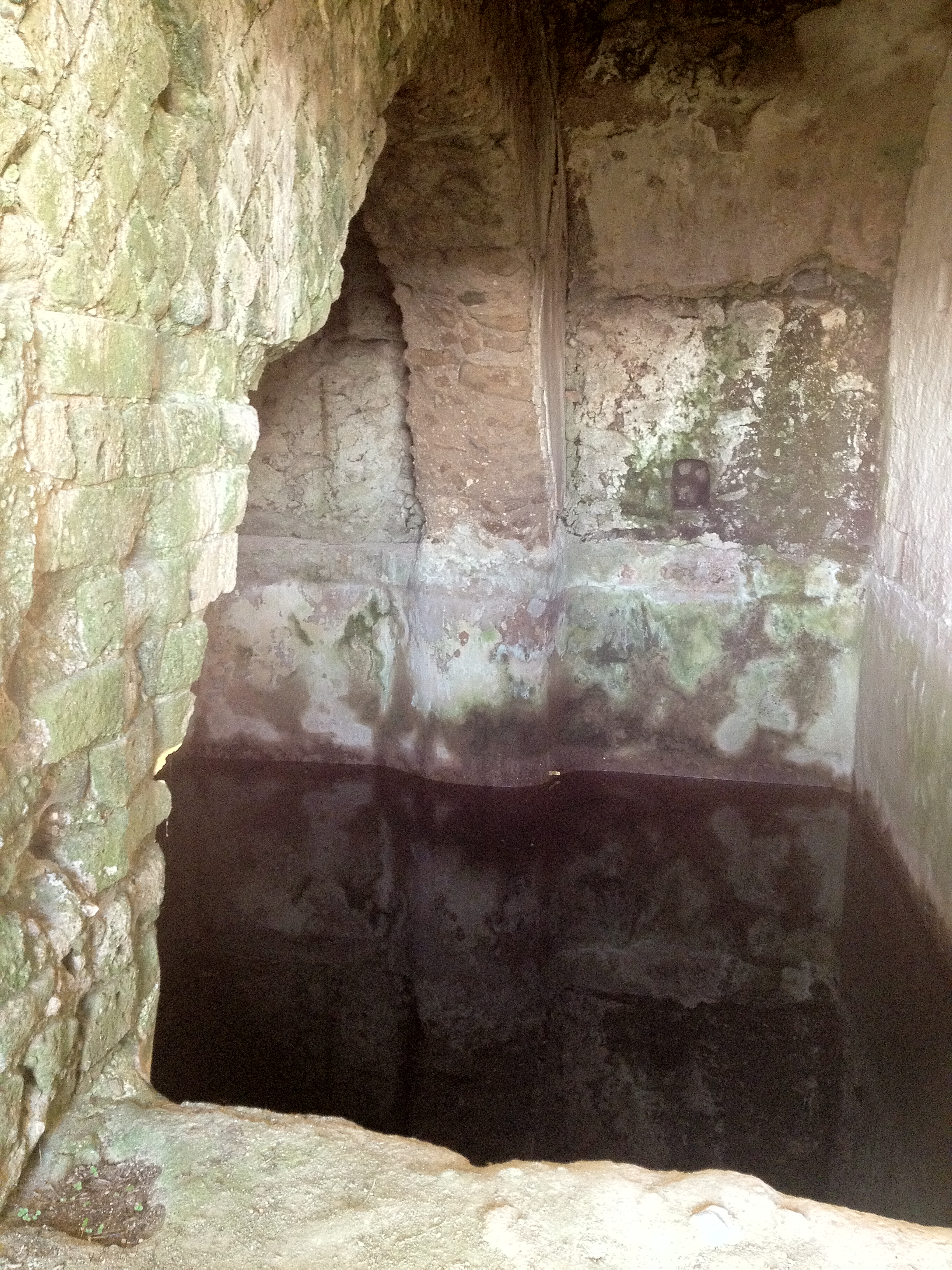
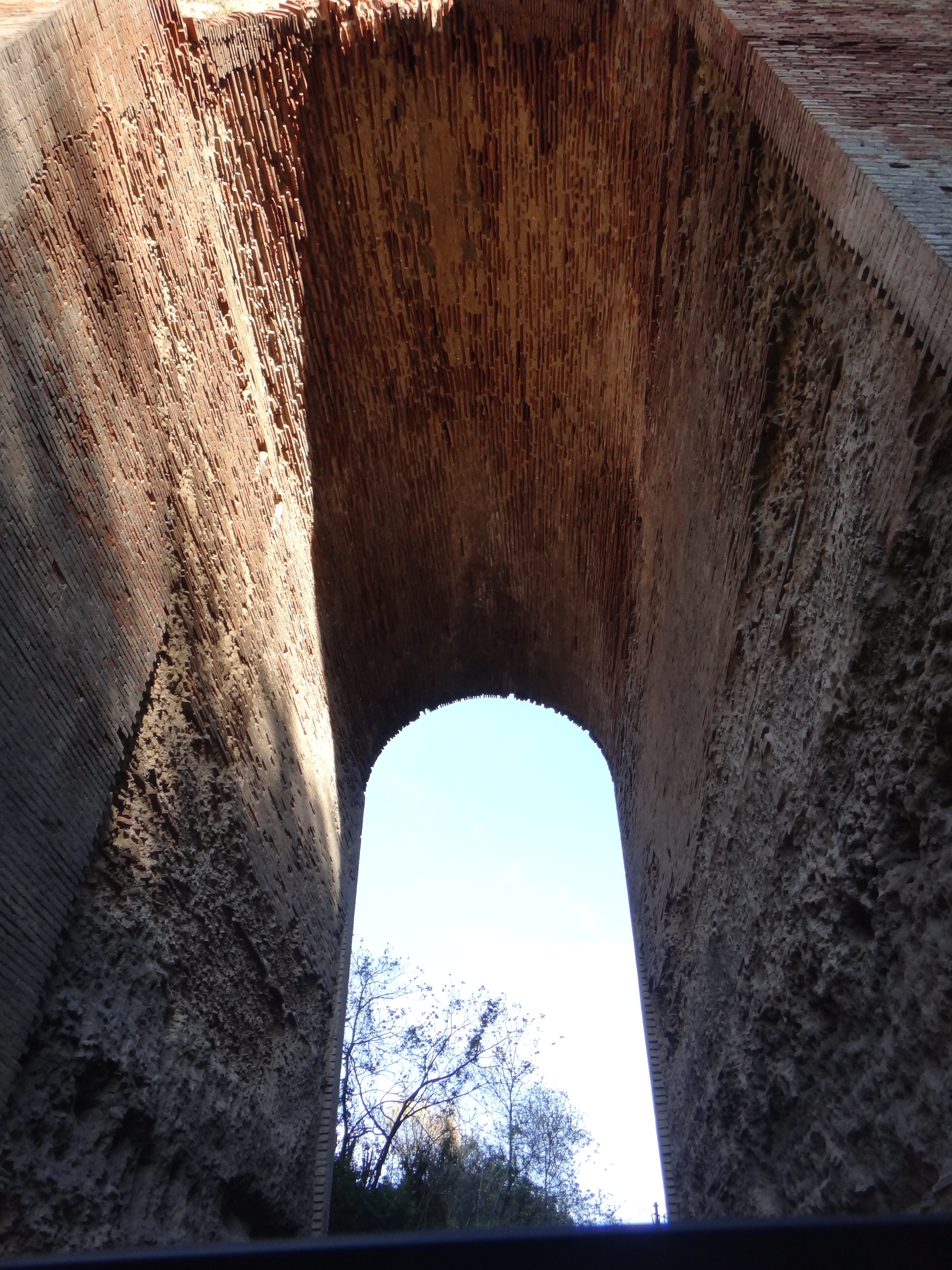
The Sibyl's cave: according to the myth, this was where to find the Cumaean Sibyl; the oracle consulted by Aeneas.  The tufa passage way, trapezoid in section is naturally illuminated by narrow fissures and ends in a vaulted chamber.  The system connects Cumae to lake Averno.
The Sibyl’s cave: according to the myth, this was where to find the Cumaean Sibyl; the oracle consulted by Aeneas. The tufa passage way, trapezoid in section is naturally illuminated by narrow fissures and ends in a vaulted chamber. The system connects Cumae to lake Averno.

The wide arc of land around the Pozzuoli Bay has been known for centuries as the Campi Flegrei (The Phlegraean fields) or Burning Fields, because of the constant volcanic activity.  Mud still bubbles from the clay bed of the solfatara and in places the ground is still hot, you can easily boil an egg if you place it under the soil.

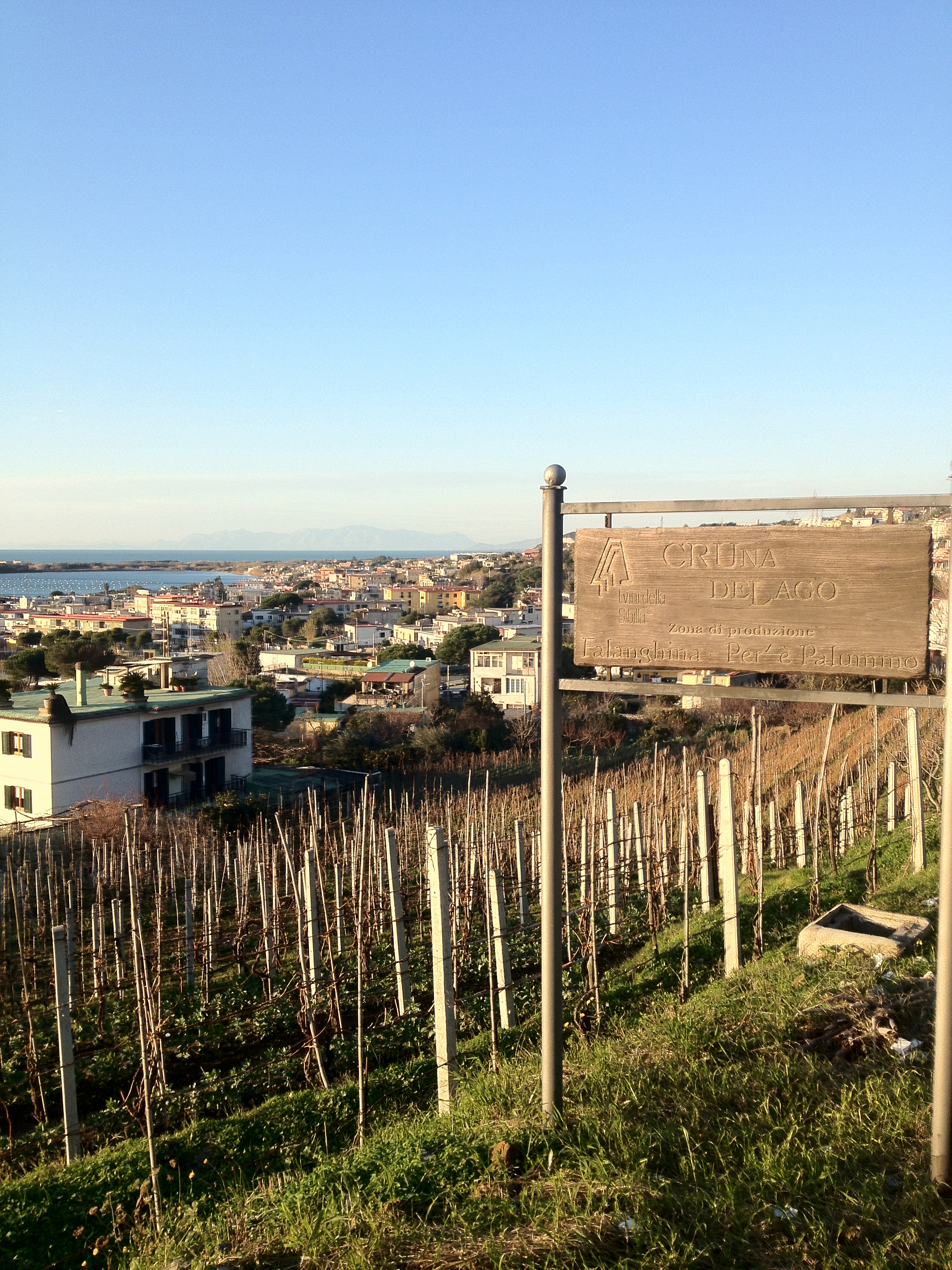
La Sibilla winery is located in the historic Phlegraean fields overlooking the sea, the minerality of the terroir makes the perfect soil for the ancient grapes of Greek origins including Falanghina and Per'e Palummo also known as Piedirosso
La Sibilla winery is located in the historic Phlegraean fields overlooking the sea, the minerality of the terroir makes the perfect soil for the ancient grapes of Greek origins including Falanghina and Per’e Palummo also known as Piedirosso

Over time some of the Phlegraean craters became lakes.  Lake Averno thought to be the entrance of hell and owes its name (a-ornon in Greek: without birds) to the once suffocating vapours.

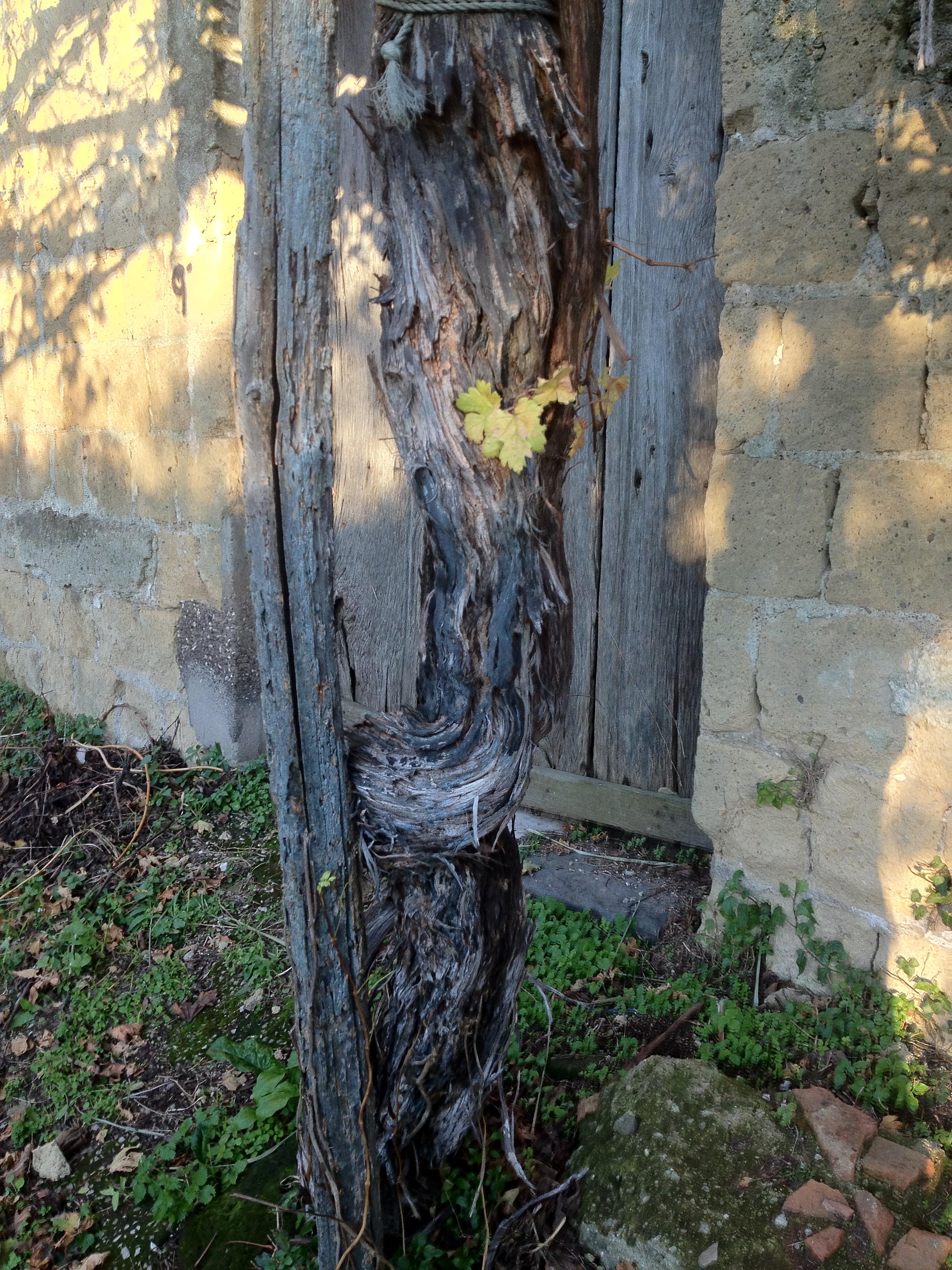
A 100 years old wine of Piedirosso at La Sibilla winery.  Piedirosso (red foot) is also called Per'e Palummo in Neapolitan dialect which literally translates to dove's foot.
A 200 years old vine of Piedirosso at La Sibilla winery. Piedirosso (red foot) is also called Per’e Palummo in Neapolitan dialect which literally translates to dove’s foot.

At the end of the 1st century BC, its almost sacred character declined after the construction of Porto Giulio, a systems of channels that connected the sea and the lakes, ships first reached the outer port in Lake Lucrino and then the inner basin of Lake Averno, connected to Cumae by the tunnel through Monte Grillo.  The port was abandoned when silted up and trade was transferred to Miseno.

And is here at La Sibilla wineries where we can see this aqueduct from the first century BC
The aqueduct from the 1st century BC can be seen on the land where is now La Sibilla winery in the Phlegraean fields

The "Enoarchaeology" is practiced here from the "terroir", the land located in an archaeological site to the ancient viniculture techniques used by the first colonies of Greeks who founded Cumae
The “Enoarchaeology” is practiced here from the “terroir”, the land located in an archaeological site to the ancient viniculture techniques used by the first colonies of Greeks who founded Cumae

The ancient cave inside La Sibilla winery produces excellent wines featured in AIS Duemilavini and Slow Food's Guide to the wines of Italy
The ancient cave inside La Sibilla winery produces excellent wines featured in AIS Duemilavini and Slow Food’s Guide to the wines of Italy

The key that opens the cave of La Sibilla

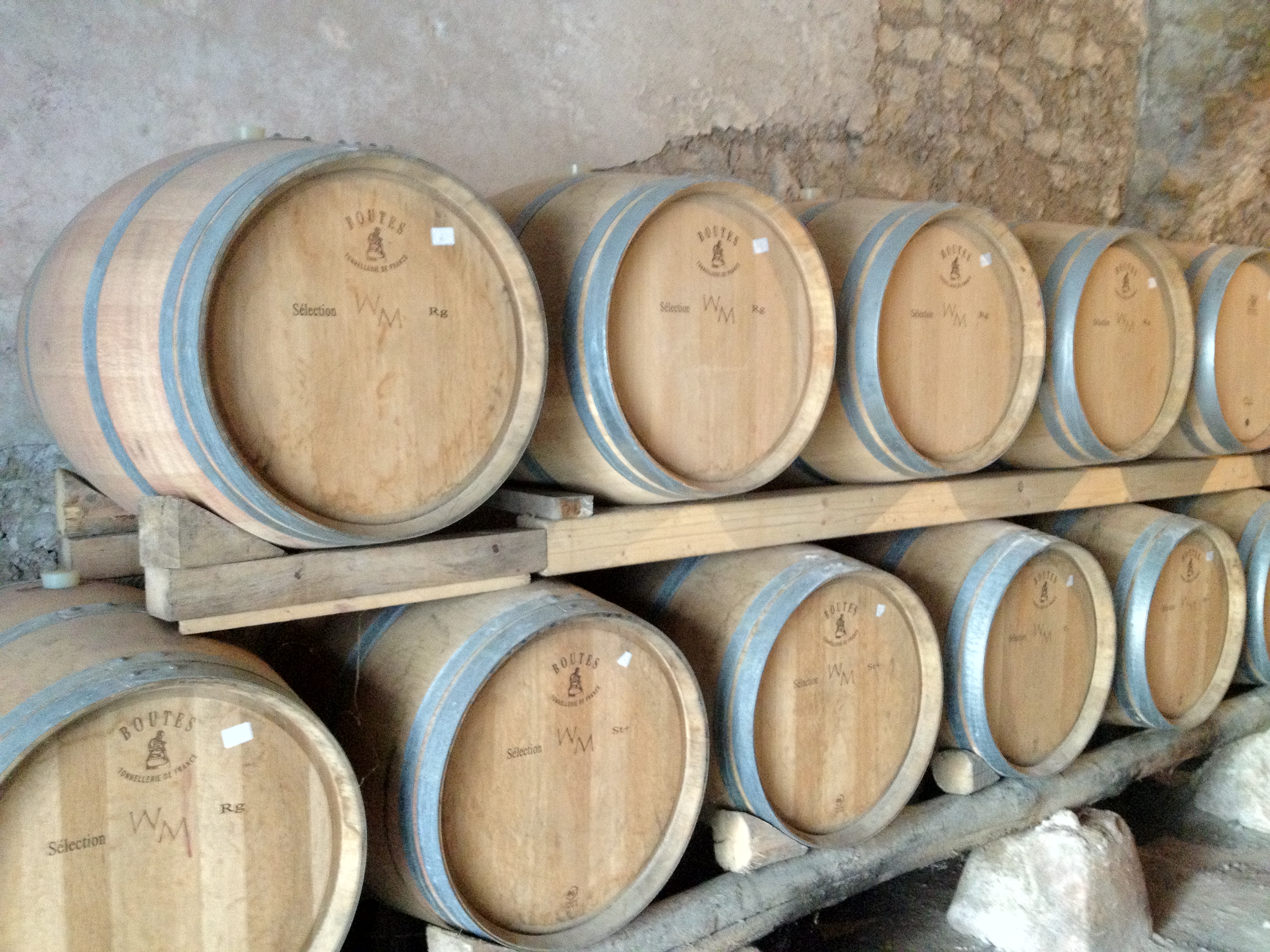
Piedirosso is aged for 18 months on French oak barrels at La Sibilla

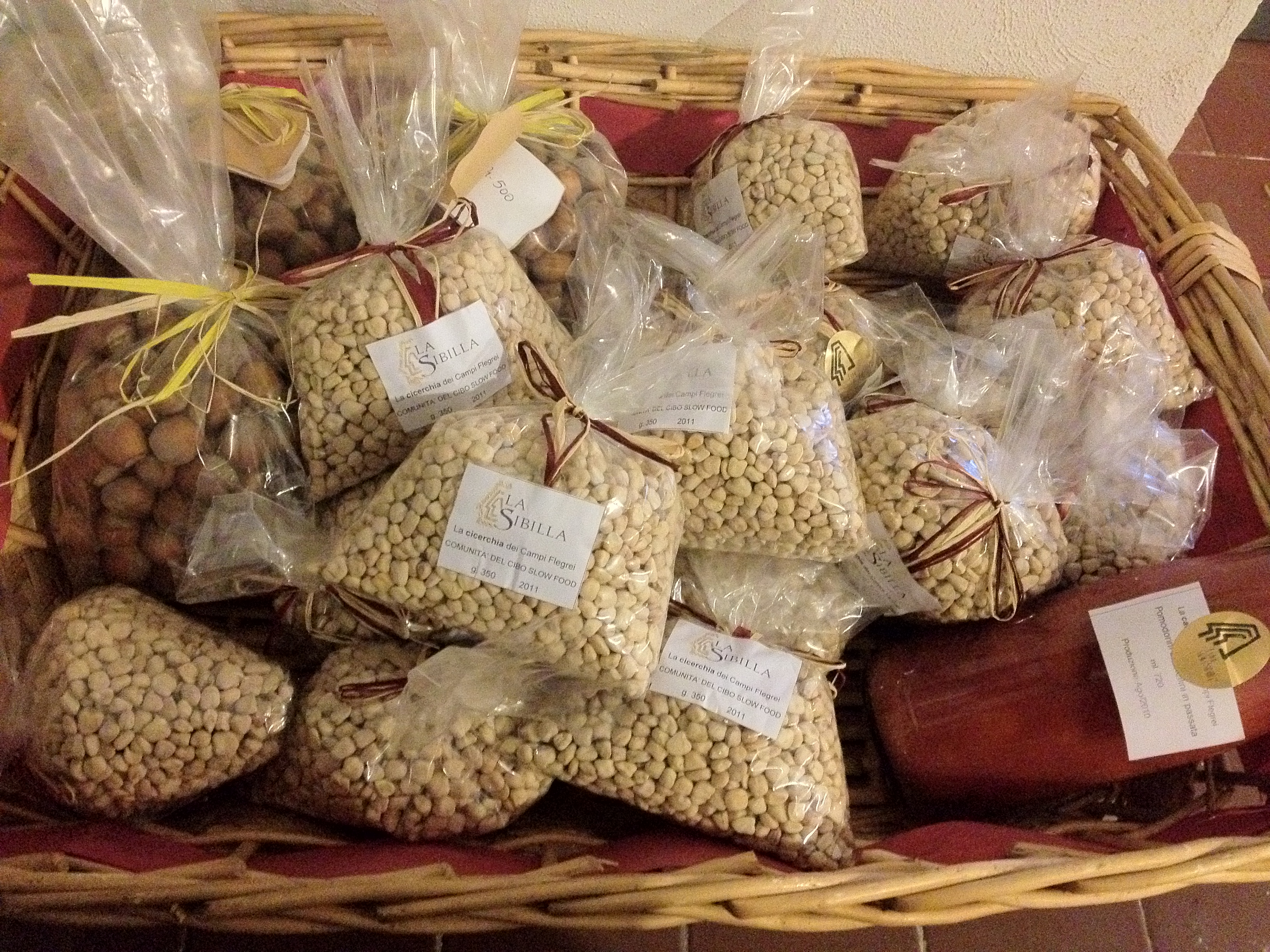
Example of biodiversity were vines coexist along with other agricultural forms.  The Azienda Agricola La Sibilla participates in the Slow Food commission and has some legumes on a DOP category
Example of biodiversity were vines coexist along with other agricultural forms. The Azienda Agricola La Sibilla participates in the Slow Food commission and has some legumes on a DOP category such as the chickpeas (ceci) of the Phlegraean fields historically cultivated by the Greeks in this land.

Vincenzo di Meo, young enologist in charge of the family owned winery La Sibilla conducting a wine tasting of his own production.

Cumae

Founded in the 8th century BC by Greeks stationed on Ischia, Cumae is one of the oldest colonies of Magna Grecia.  The founders of this colony came from Eubea, a Greek Island of the Aegean sea.

Cumae Archeological Park.  Cumae was a powerful port for centuries and resisted the Etruscan but succumbed to the Romans in the 3rd century BC becoming a Roman colony.
Cumae Archeological Park. Cumae was a powerful port for centuries and resisted the Etruscan but succumbed to the Romans in the 3rd century BC becoming a Roman colony.

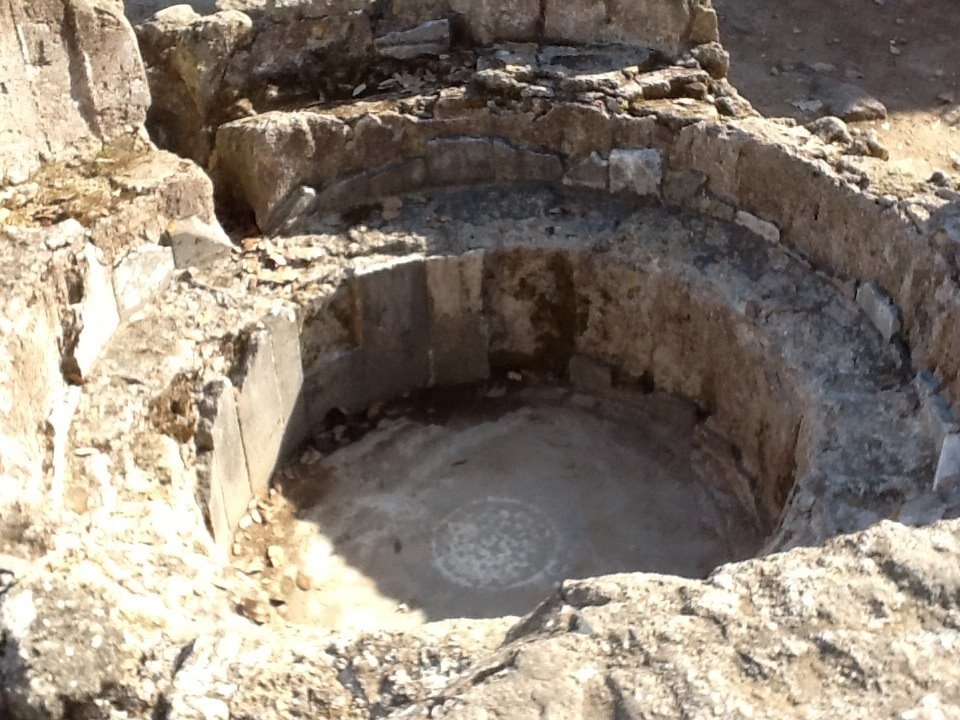
The remains of the Temple of Jupiter, this ancient sanctuary became an early Christian church, the altar and the baptistry pictured here.
The remains of the Temple of Jupiter, this ancient sanctuary became an early Christian church, the altar and the baptistery pictured here.

Arco Felice and entrance to the archeological site.  The Roman city grew up over the ruins of the Greek city in the 5th and 6th centuries but was utterly destroyed by the Saracens in 915.
Arco Felice and entrance to the archeological site. The Roman city grew up over the ruins of the Greek city in the 5th and 6th centuries but was utterly destroyed by the Saracens in 915.

Today, new discoveries by the Orientale University of Naples shows the artifacts used by the ancient Greeks to cook and eat their food, part of the Archaeogastronomy.   A form of "ollae" or ceramic pot very close to our contemporary terracotta pots.
Today, new discoveries by the Orientale University of Naples shows the artifacts used by the ancient Greeks to cook and eat their food, part of the Archaeogastronomy. A form of “ollae” or ceramic pot very close to our contemporary terracotta pots.

Villa Eubea and Vinaria, a cult to food and wine in the ancestral site

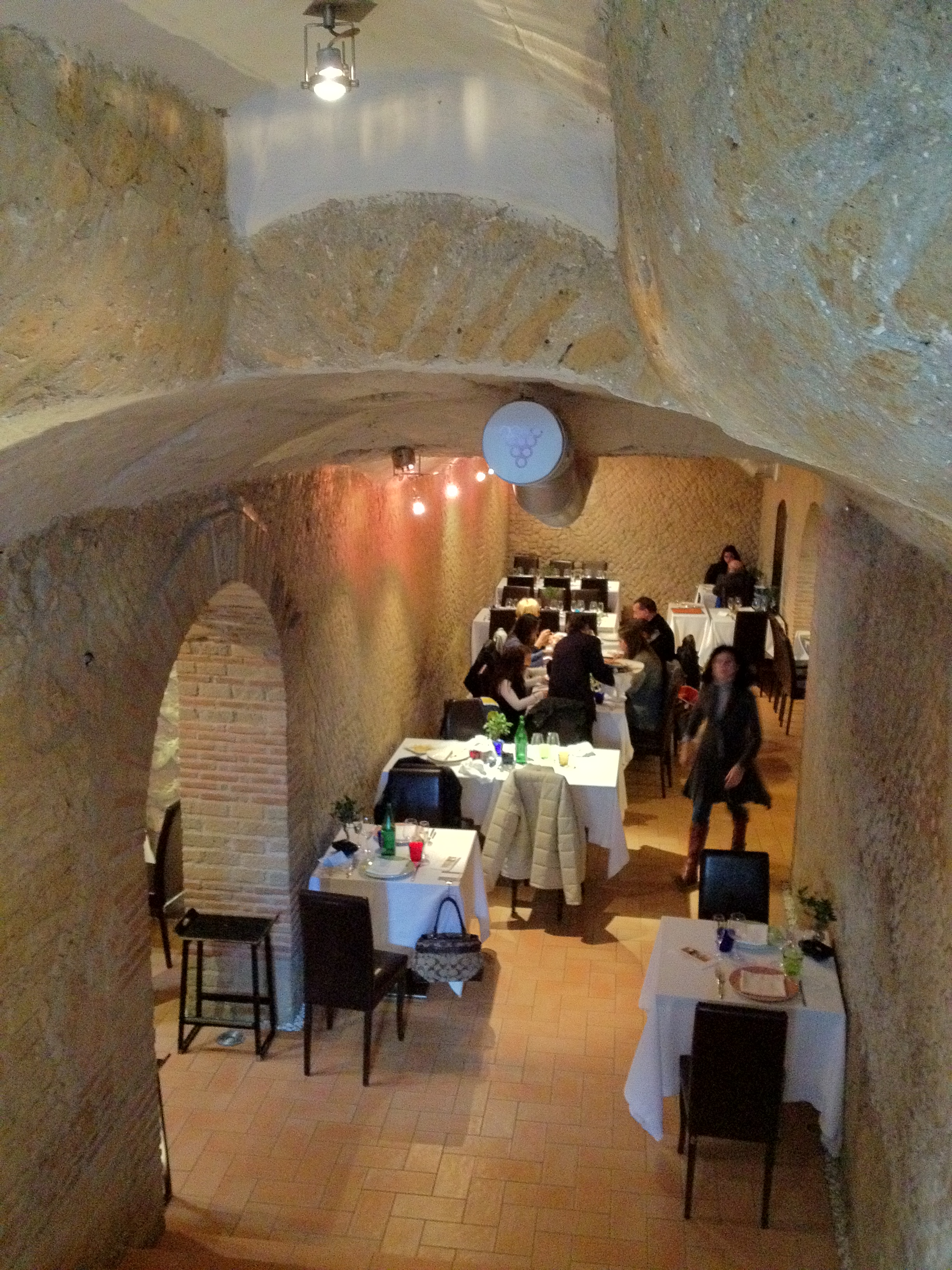
I had the full Archaegastronomy experience inside the cave of Vinaria, the restaurant of Villa Eubea just a walk away from the archaeological site.
I had the full Archaeogastronomy experience inside the cave of Vinaria, the restaurant of Villa Eubea just a walk away from the archaeological site.

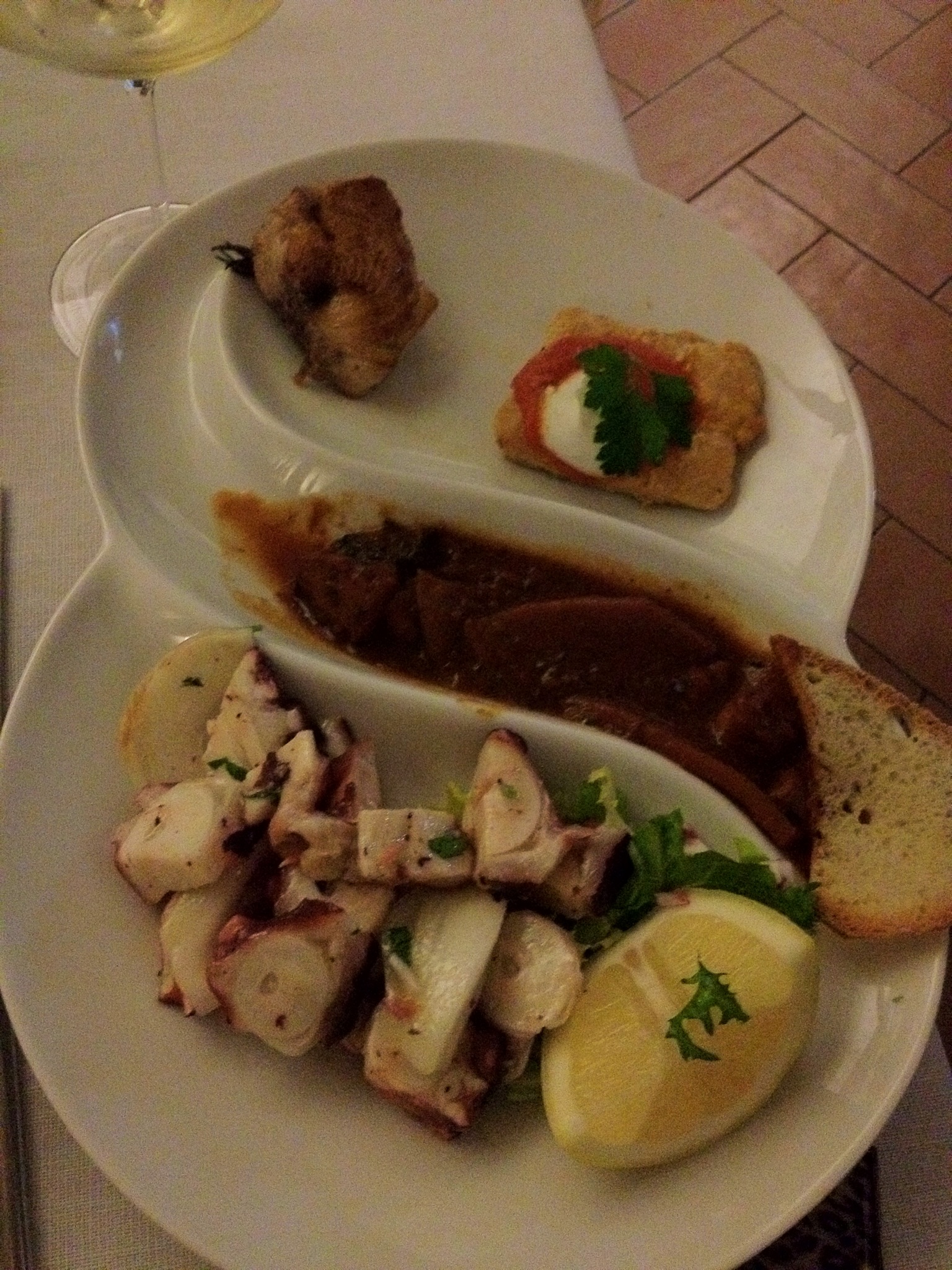
Sampling of seafood and fish at Vinaria including fresh octopus salad and fried grouper.

Grilled seafood and fish paired with organic grown veggies paired with Falanghina of the Phlegraean fields DOC.

Excellent dining experience at Vinaria wine & flavors, restaurant and cave.

The restaurant inside Vinaria's cave
The restaurant inside Vinaria’s cave

The sustainability of Villa Eubea and Vinaria where the vegetables used their cuisine are organically grown on their very own site.
The sustainability of Villa Eubea and Vinaria where the vegetables used in their cuisine are organically grown on their very own site.

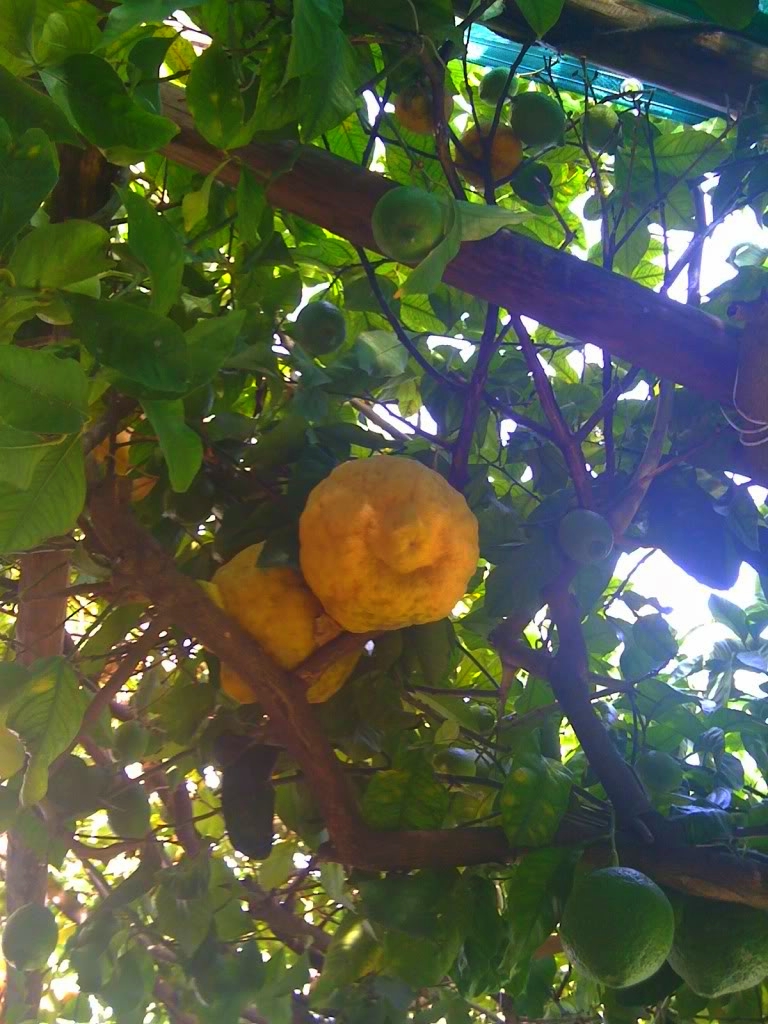
Lemon trees at Villa Eubea used for the restaurant's consumption.
Lemon trees at Villa Eubea used for the restaurant’s consumption.

An old press at Villa Eubea, was still used here for years to get the last drops of juice from the local grapes.

Buried Greek towns and Roman ruins, reveal the region’s ancient history, the burning fields and their volcanic soil bringing up the flavors on this land that gives in return high mineral wine and delicious fruit and vegetables.

Next, we will explore the rest of this amazing territory going from Pozzuoli to Baia and Bacoli stopping by more wineries, restaurants by the bay and archeological sites.  See you tomorrow, thank you for reading.

(c) 2013 Montserrat Franco, all pictures by me taken with IPhone 4S and Sony Cybershot.


Flavors and aromas of the Sorrento Coast

I finally arrived to the Sorrento Coast and my first stop is at the cliffs of Vico Equense, of Etruscan origins this little town has a lot to offer from the dramatic panoramas to pizza by the meter or Michelin Guide Starred Restaurants.  The Sorrento Peninsula is definitely an unforgettable culinary experience.

A view from the Saracen Tower (Torre del Saracino) dated from the VII century.  Here is located one of the best Restaurants of Italy "Torre del Saraceno" by Chef Gennaro Sposito
A view from the Saracen Tower (Torre del Saracino) dated from the VII century. Here is located one of the best Restaurants of Italy “Torre del Saraceno” by Chef Gennaro Sposito

But who where the Saracens and why they came to this part of Italy? Around the 455 AD the coast was invaded by Arab tribes, many watchtowers can still be seen on the cliffs to prepare the inhabitants for further attacks.  Saracen was a term for Muslims widely used in Europe during the Medieval Era.

Now a brief tour of the tasting menu at The Saracen Tower, enjoy!

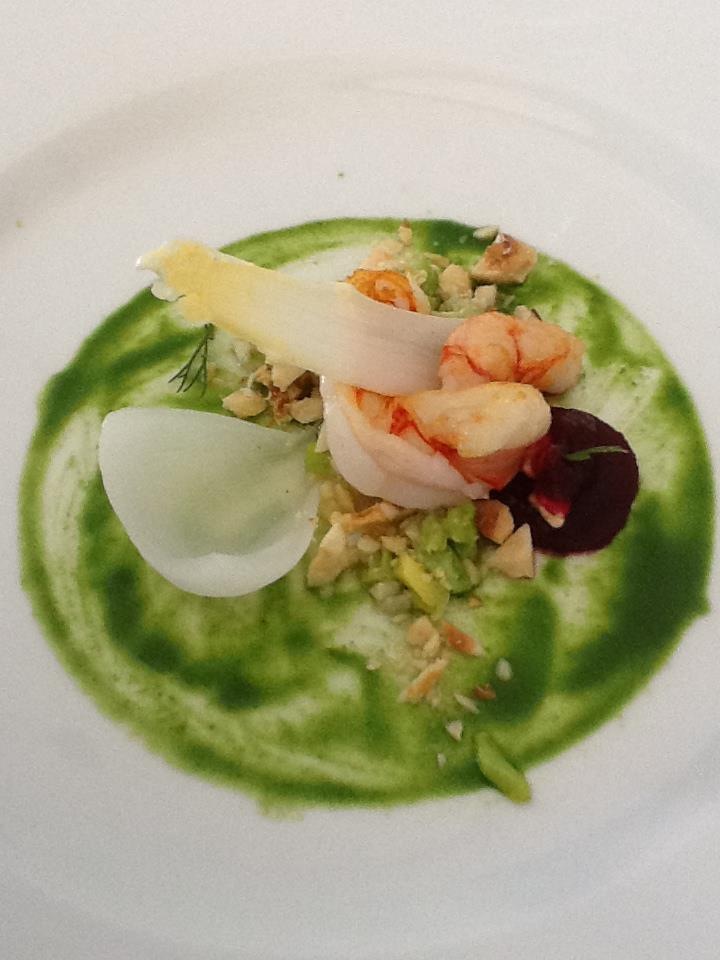
And I can only describe as "sublime" each of the well deserved Michelin stars of the creative Chef Sposito, pictured here one of the starters from his sampling Menu, all made with organic ingredients grown on his own sustainable garden.
And I can only describe as “sublime” each of the well deserved Michelin stars of the creative Chef Sposito, pictured here one of the starters from his sampling Menu, all made with organic ingredients grown on his own sustainable garden. The fusion of truffles and spices gives this soufflé an interesting approach to the fusion of 2 worlds.

The pistachio and herb aromatic bed for the prawns, crusted nuts and beet sauce on the side

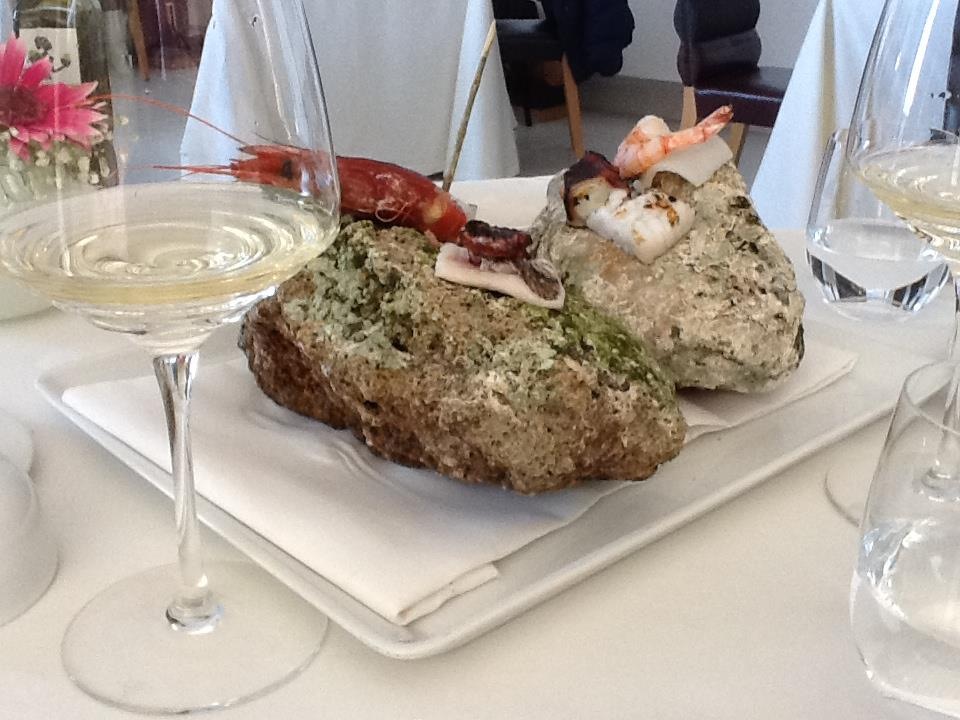
Local caught treasures of the sea naturally steamed on a base of hot stones well paired with Scala Fenicia wine of Capri

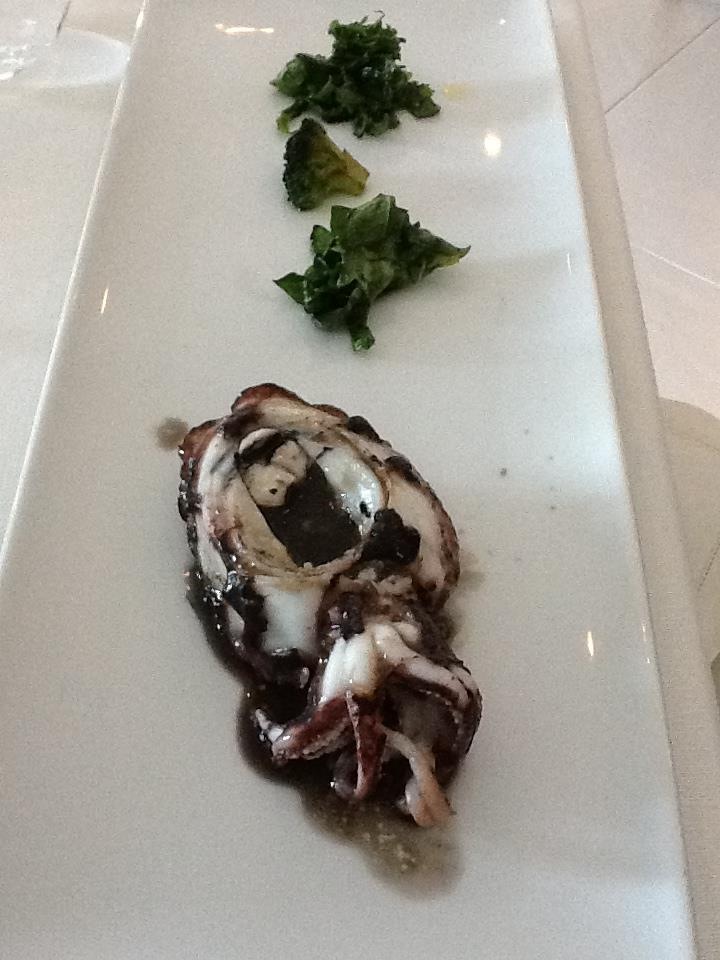
Raw squid on its own ink

The maître offering a selection of the finest Italian, Belgium and Swiss blocks of chocolates with choice of aged rum, Armagnac, cognacs and other selected digestives.
The maître offering a selection of the finest Italian, Belgium and Swiss blocks of chocolates with choice of aged rum, Armagnac, cognacs and digestives.

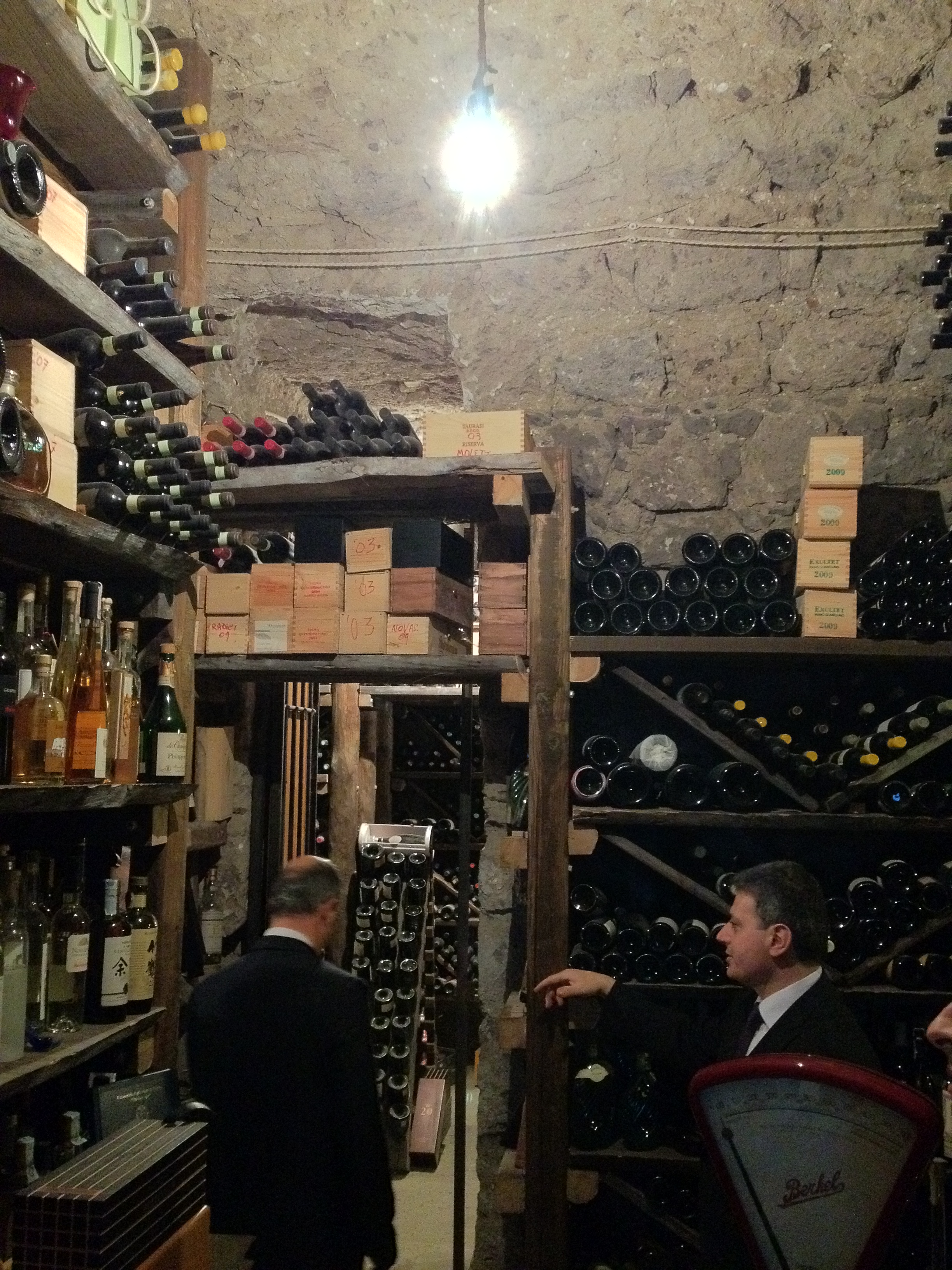
Exploring the cellar located in the basement of the  Tower of Saracino.  As a sommelier this was such an amazing experience.
Exploring the cellar located at the lower part of the Tower of Saracino. As a sommelier this is always such an amazing experience, I am going over the vintages, the wide selection of local growers as well as the main growing Regions of Italy: Piedmont, Tuscany, Alto Adige and Veneto.

The Master Sommelier guiding me around the cellar of the Saracen Tower.

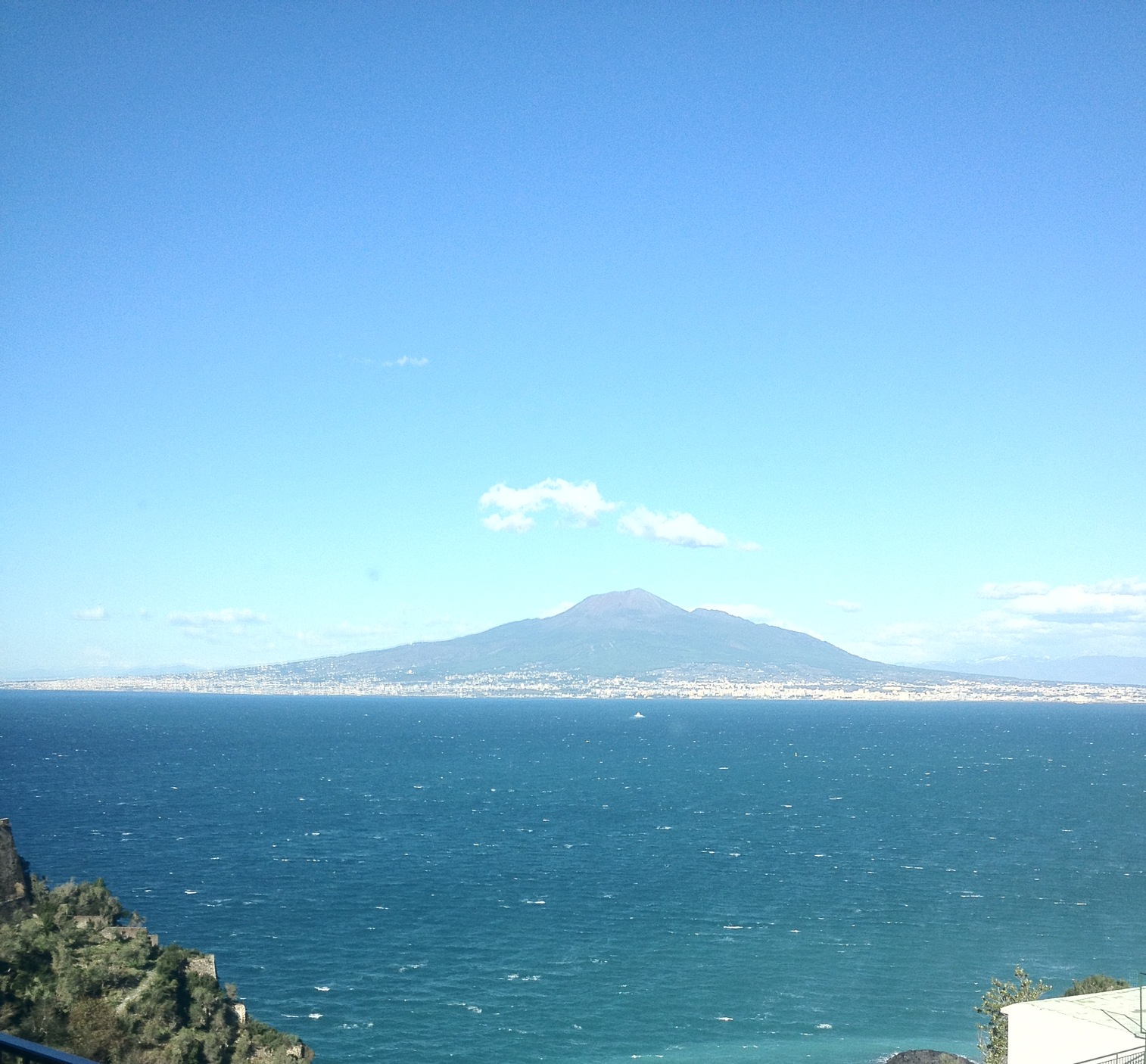
The turquoise waters of the Gulf of Sorrento with the majestic Vesuvius.

Fiat 500, when it comes to traveling around the Sorrento Peninsula I choose the Cinquecento, easy to park and get around the coastline.
Fiat 500, when it comes to traveling the Sorrento Peninsula I choose the Cinquecento, easy to park and get around the coastline.

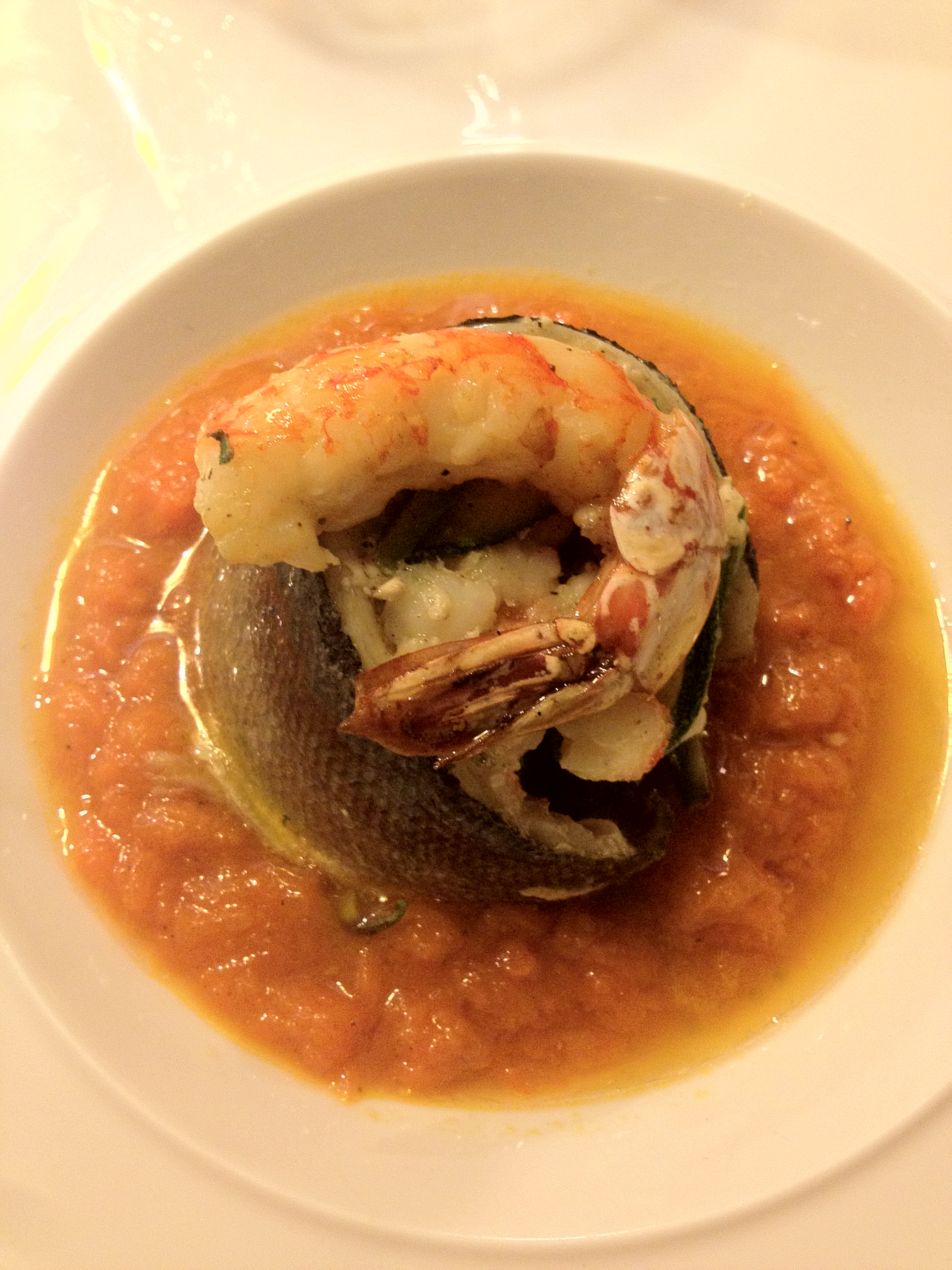
Sea Bass on a bed of spice pumpkin sauce topped with a grilled prawn at Signum Cubo Restaurant in Vico Equense.
Sea Bass on a bed of spiced pumpkin sauce topped with a grilled prawn at Signum Cubo Restaurant in Vico Equense. A casual restaurant inside a boutique hotel in Vico.

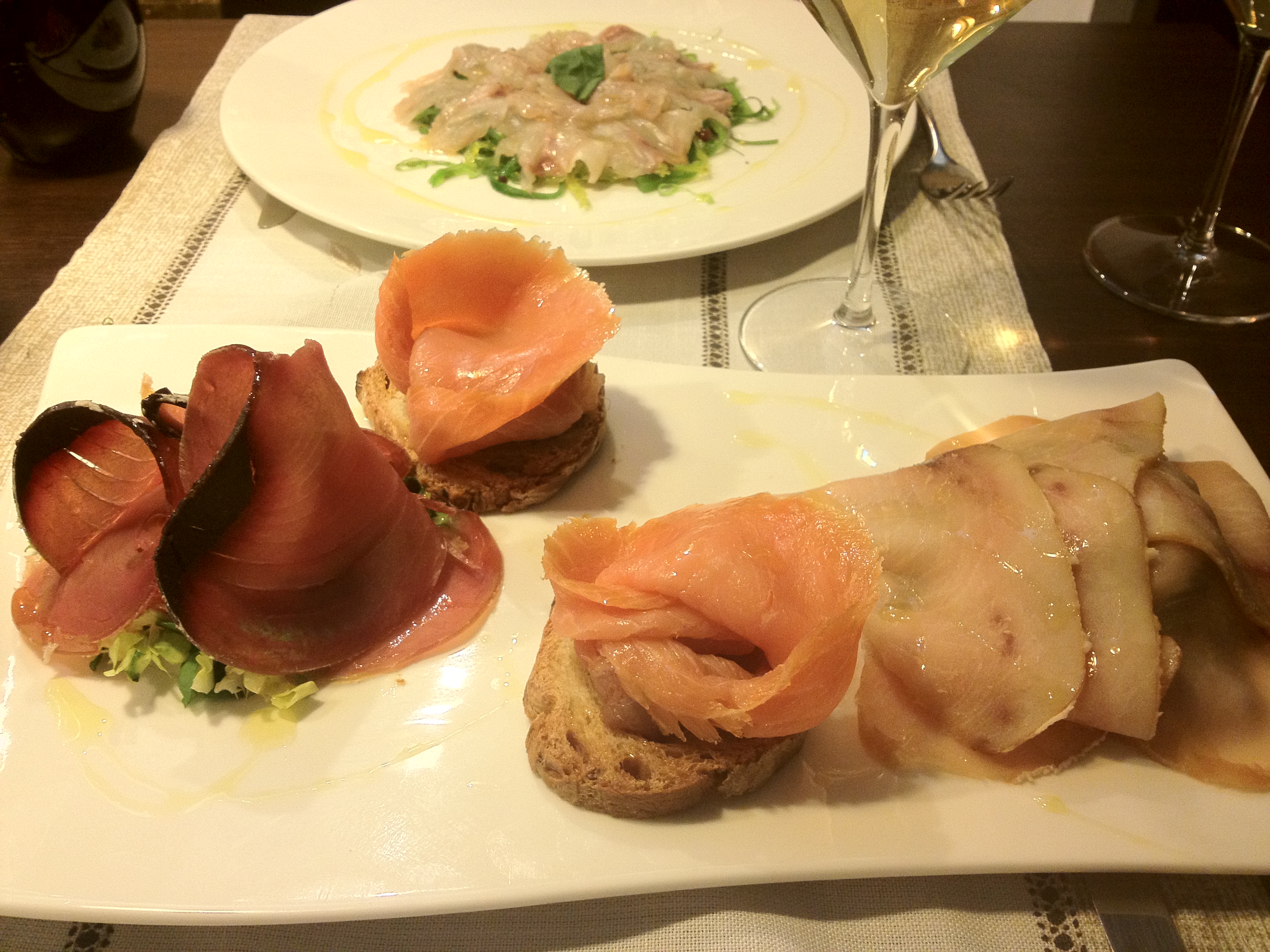
At Cubo Signum a selection of crudos from salmon to grouper and tuna

Grilled salmon with avocado sauce, the fusion of Asian and Mediterranean cuisine.

The Mimosa it's a traditional sponge cake of the Sorrento coast filled with a delicious lemon cream
The Mimosa it’s a traditional sponge cake of the Sorrento coast filled with a delicious lemon cream

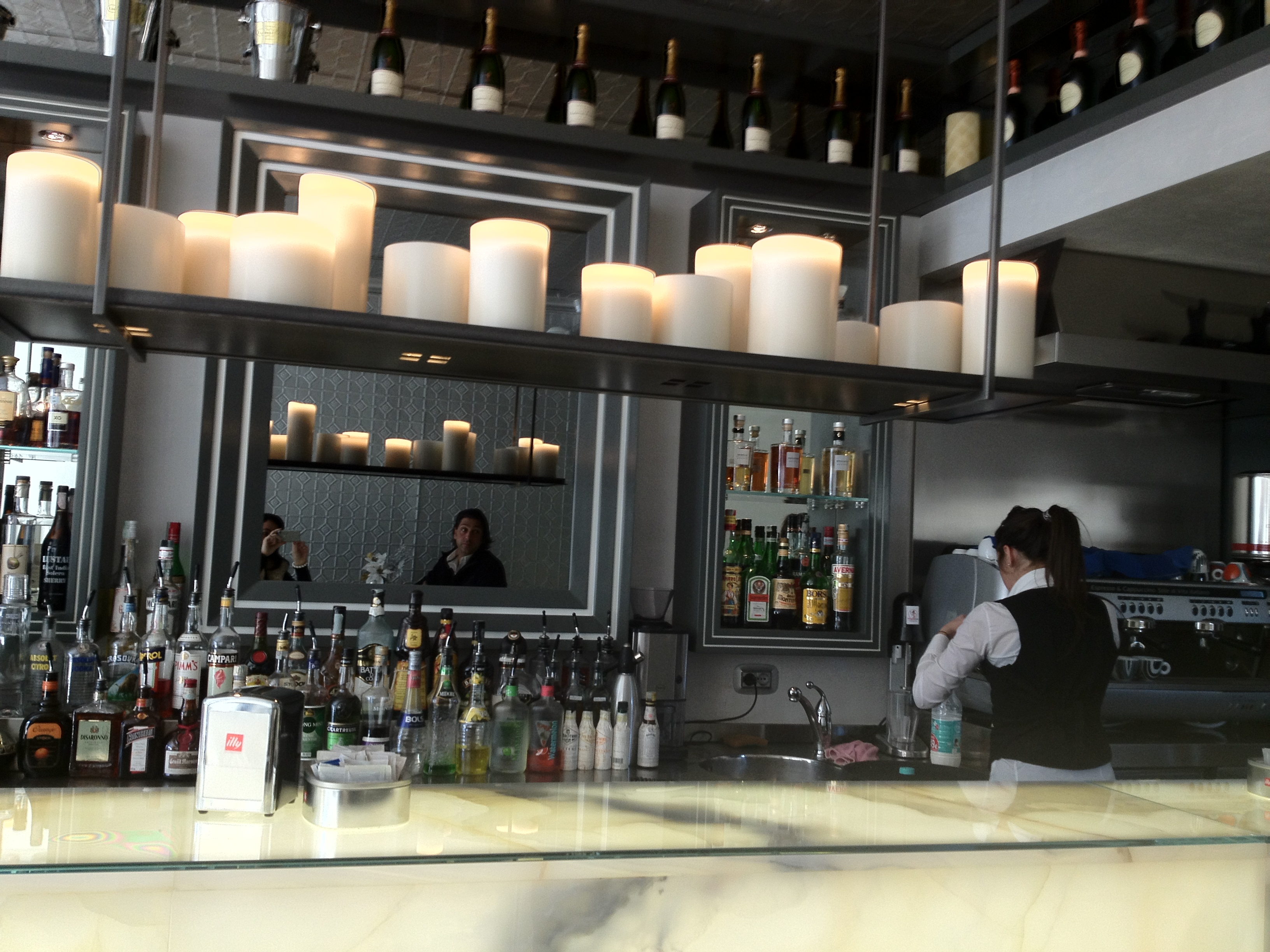
The Bar at Signum Cubo

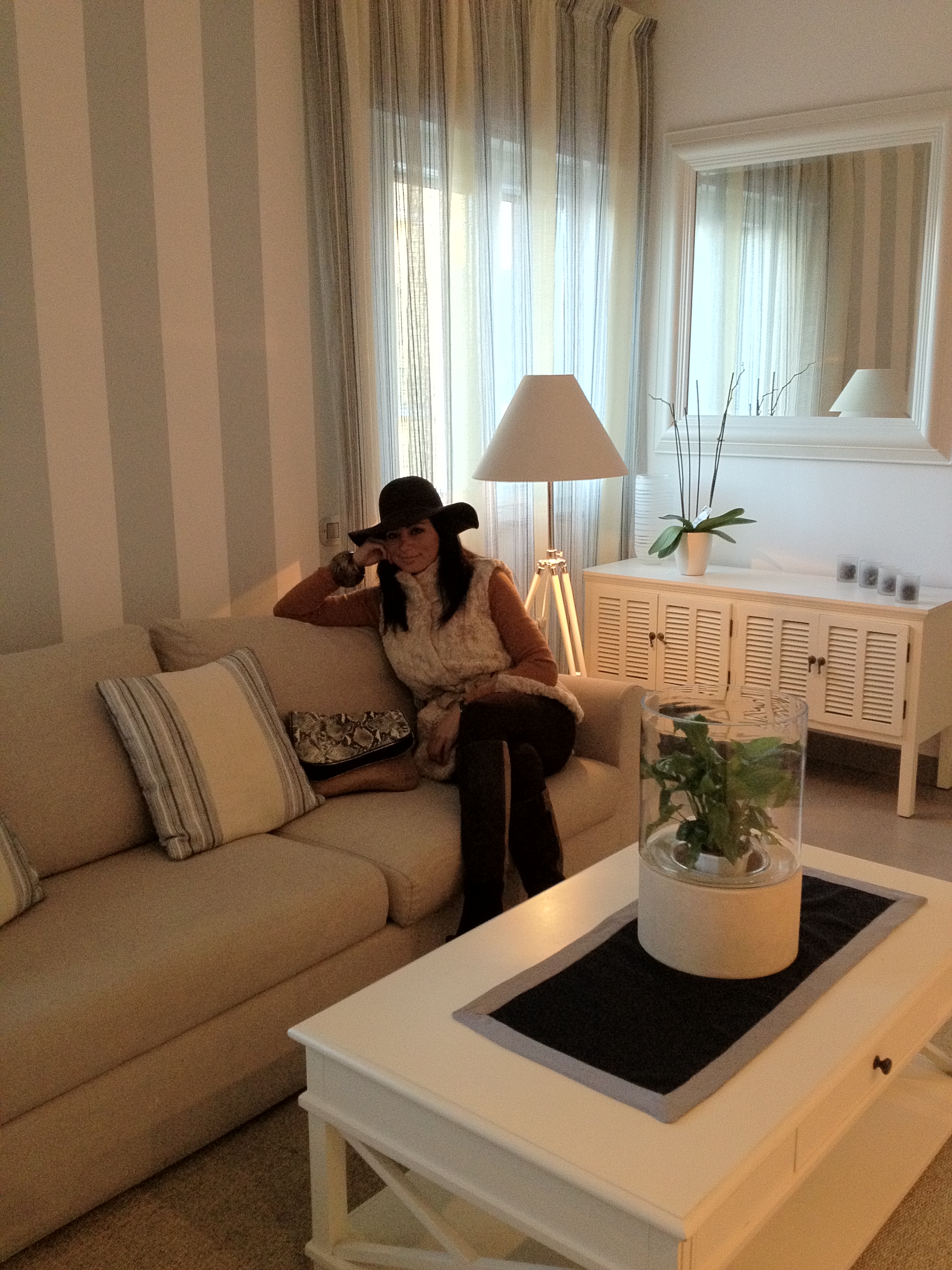
The warm setting of Cubo Boutique Hotel in Vico Equense

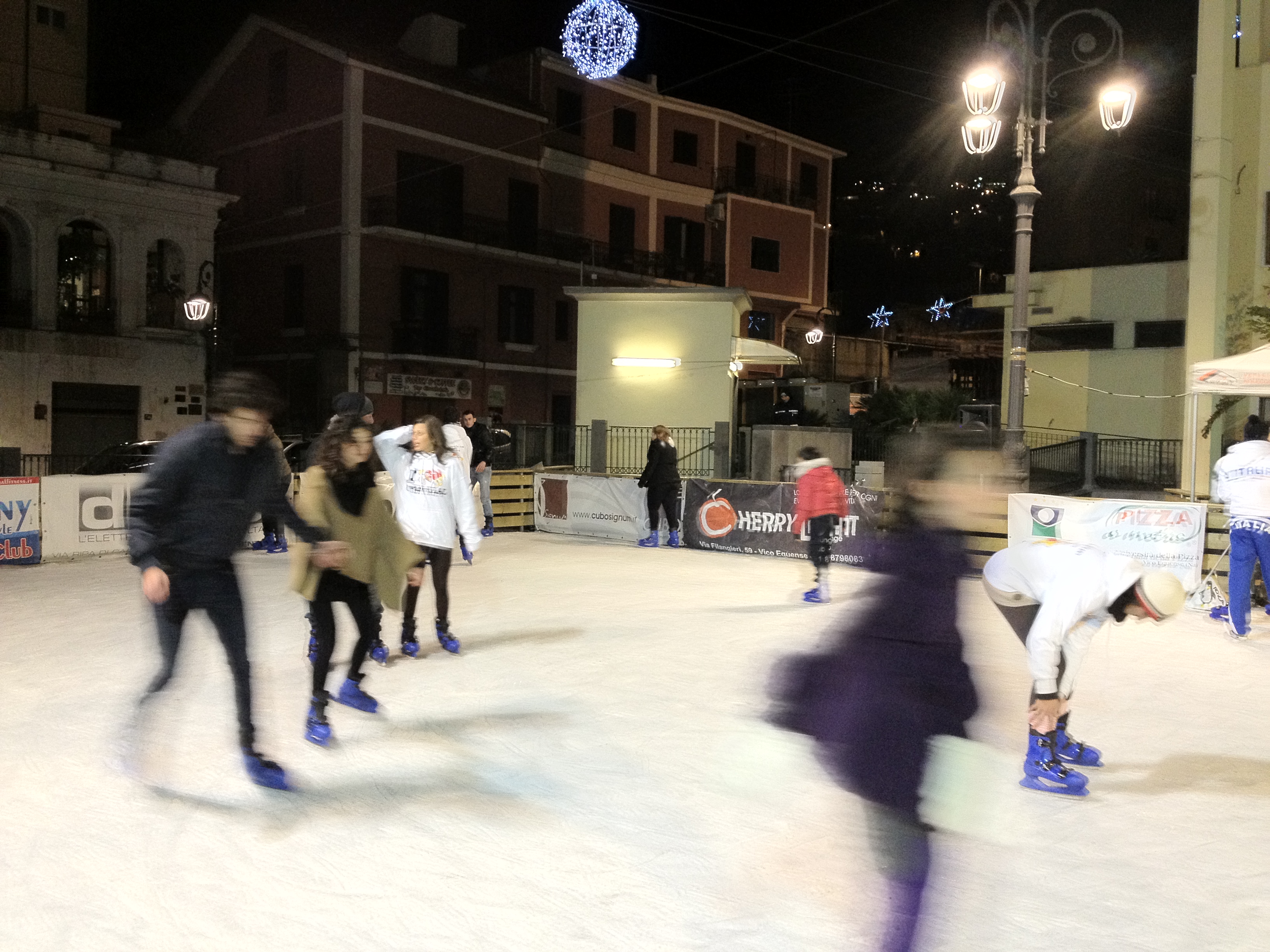
Skating on ice in Vico Equense
Skating on ice in Vico Equense, it’s one of the family activities during the Holidays

The Procession during the Three Kings festivities at the Piazetta of Vico
The colorful procession during the Three Kings festivities at the Piazetta of Vico. The three King’s day is celebrated with a Holy procession in many small Italian towns. I was able to watch it from my Hotel balcony.

The procession during the Festivities of the Three Kings at Vico Equense
The parade during the Festivities of the Three Kings at Vico Equense just like in many Italian towns this is an ancient tradition goes back to the late 6th century.

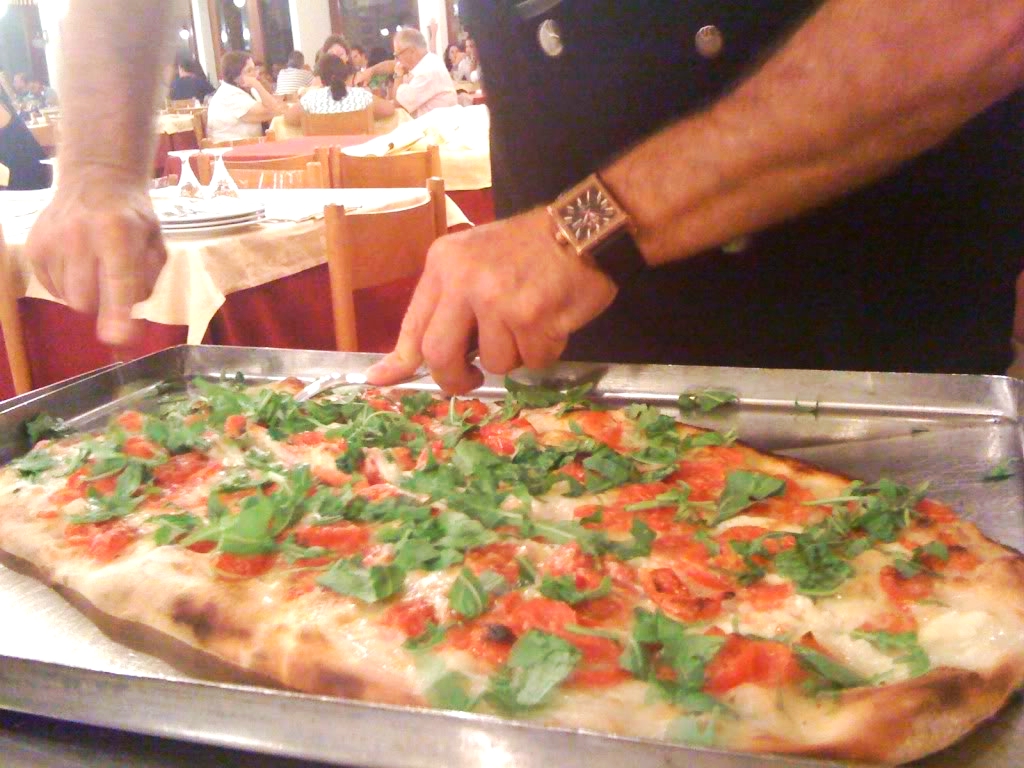
The famous Pizza a metro, a favorite with locals, this restaurant has been serving since the 1930's
The famous Pizza a metro, a favorite with locals, this restaurant has been serving since the 1930’s

The colorful harbour of Vico Equense just at walking distance from the Saracen Tower.

So I stopped by the charming restaurant of Le Ancore Hotel in Vico Equense and tasted this delicious peppered mixed seafood "impepata di frutti misti di mare" a local tradition
So I stopped by the charming restaurant of Le Ancore Hotel in Vico Equense and tasted this delicious peppered mixed seafood “impepata di frutti misti di mare” a local tradition

Another reach plate of fresh seafood including marinated anchovies, fresh Gulf shrimp, octopus,  stuffed squids, grilled fish and langostinos
Another reach plate of fresh seafood including marinated anchovies, fresh Gulf shrimp, octopus, stuffed squids, grilled fish and langostinos

The famous Sorrento lemons, freshly squeezed to make "granitas" (frozen lemonade) in the summer or the dessert liquor limoncello
The famous Sorrento lemons, freshly squeezed to make “granitas” (frozen lemonade) in the summer or the dessert liquor limoncello

Remember that traditional Neapolitan song "Torna a Surriento" this is a town that will definitely make you come back.
Remember that traditional Neapolitan song “Torna a Surriento” this is a town that will definitely make you come back.

The lemons here are enormous, don't forget to try the "Delizia al Limone" a tarty dessert that has the characteristic flavor of Sorrento's traditional citric.
The lemons here are enormous, don’t forget to try the “Delizia al Limone” a tarty dessert that has the characteristic flavor of Sorrento’s traditional citric.

Organic grown oranges from Sorrento are used to make this excellent jam produced by Casa Barone approved by The Slow Food Commission


Juicy and red tomatoes, creamy white mozzarella di Bufala, ricotta and fior di latte, fragrant green basil, topped with a swirl of olive oil.  The mix of intense flavors and vivid colors, is characteristic of a cuisine that reflect the region’s Mediterranean climate.  Dishes rely on their success because of the freshness of the local ingredients.  Getting the fish fresh from the harbor is still part of the local life; sword fish, anchovies, mackerel and sardines; clams, mussels, octopus, squid and cuttlefish are served in dozens of ways including pasta.

But when in Sorrento, don’t forget to try the “Gnocchi alla Sorrentina”, the “Delizia al limone” and a sip of “limoncello”; you are on your way to a longer and healthy life.  Salute!